



Monsoon frizz is the jaani dushman we all want to defeat
Curls – 1; Monsoon – 0
My orange tabby, Meeko, is quite the yowler. When he isn’t curled up in a carton or furiously gnawing at a piece of plastic, you’ll find him screeching like he’s being disenfranchised. A closed door separating him from us is clearly a violation of his fundamental rights, and he makes sure we’re well aware of it. In a feeble attempt to pacify him, my mother often stays up until the wee hours of the night—rocking and cradling him in the living room—to no avail. As soon as she starts walking back to her bedroom, his yowling is invariably at full decibel again.
For months, I’ve been baffled by the futility of this ritual. Why spend hours trying to lull him to sleep when he’ll just wake up and go right back to screeching? Why waste any time at all? It’s only now, after nursing a Sisyphean ritual of my own, that I finally understand. To elucidate, the monsoon and my curly hair are perpetually at loggerheads—despite several hours of conditioning, detangling, and heat styling, all it takes is a brief spell of rain, and my hair turns into a tangled, frizz-ridden mess. Yet, I soldier on, making a fruitless effort to flat iron every strand of hair, with full knowledge that it’ll puff up in the next two hours.
Bengaluru-based dermatologist, cosmetologist, and trichologist Dr Sravya Tipirneni explains that monsoon frizz is largely due to the high humidity, which causes the hair shaft to swell and the cuticles to lift. This is a bigger problem for textured hair because it has a more ‘open’ cuticle to begin with. To put it plainly, we’re quite literally fighting a losing battle against Mother Nature. But, is all hope lost? No, according to Manju Radhakrishnani, a Mumbai-based hairstylist and the owner of MAI Salon. “Your usual haircare routine isn’t enough in monsoon,” she notes. “But a few tweaks might be all you need to keep frizz at bay.” Radhakrishnani and Dr Tipirneni shared trusty hacks to help us break out of this hairy chakravyuh, and make our curls more manageable.
Here’s how you can defeat the monsoon frizz

Hydrate, hydrate, hydrate
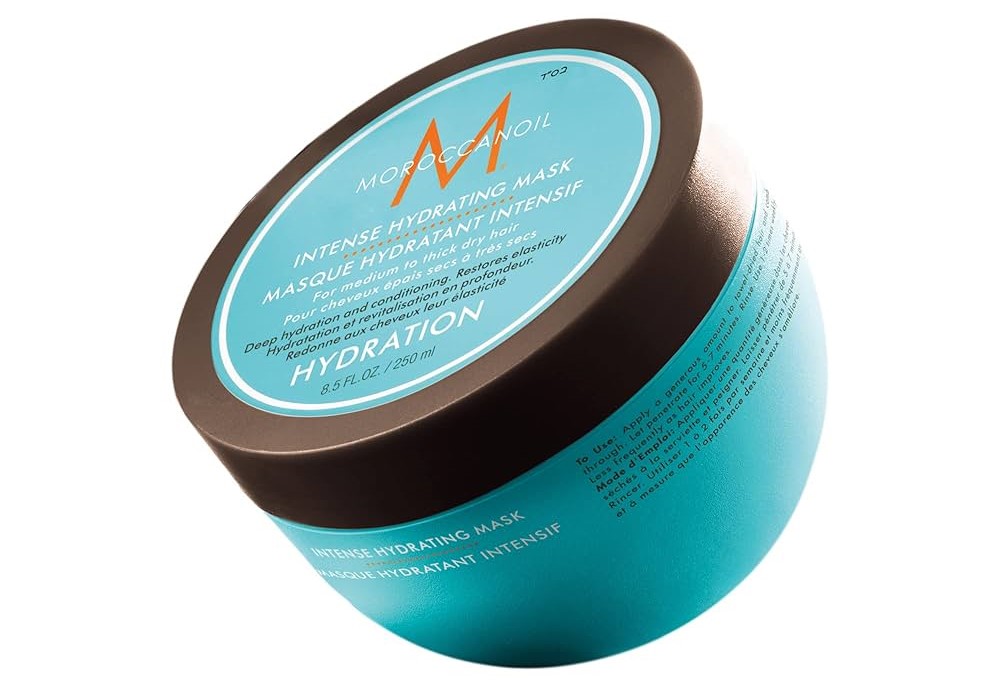
While you’re religiously chugging kokum sharbat, green juice, and nariyal pani, why not treat your hair to a refreshing drink, too? “Textured hair is naturally drier than other hair types, and during the monsoon, the humidity pulls moisture out of its hair shaft,” says Radhakrishnani. “So it’s more crucial than ever before to use a hydrating hair mask.” Her pick? The Moroccanoil Intense Hydrating Mask. It’s thick, creamy, sweet-smelling goodness in a jar—between argan oil, which works wonders for the elasticity of your strands, and glycerin, a natural humectant that sucks in moisture from the environment, you’ll be left with softer, more hydrated curls fit for a shampoo commercial.

Enter: curl-enhancers
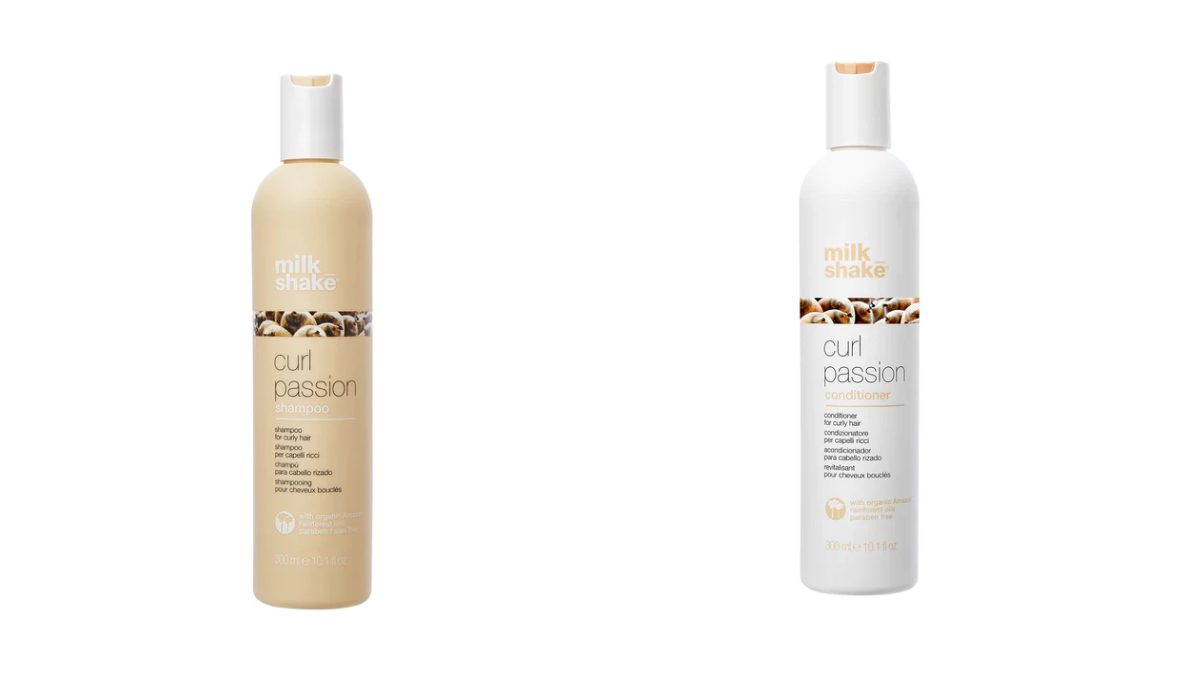
Applying products meant for straight hair on curls is like force-feeding petrol into a car that runs on diesel—it simply won’t work. Instead, Radhakrishnani recommends using products formulated for textured hair, like the Milkshake Curl Passion shampoo and conditioner duo. Both are free of paraben and sulfates, the main culprits responsible for jhaadu-like hair. The frizz-defeating pracaxi oil is undeniably the star of the show, while the babassu oil has fatty acids that reduce breakage. Together, they’re a power couple that delivers tight, well-defined ringlets. “If you want good results, remember to comb the conditioner through your hair until it’s coating all your strands, and leave it on for five to seven minutes,” she instructs.

Squish to condish
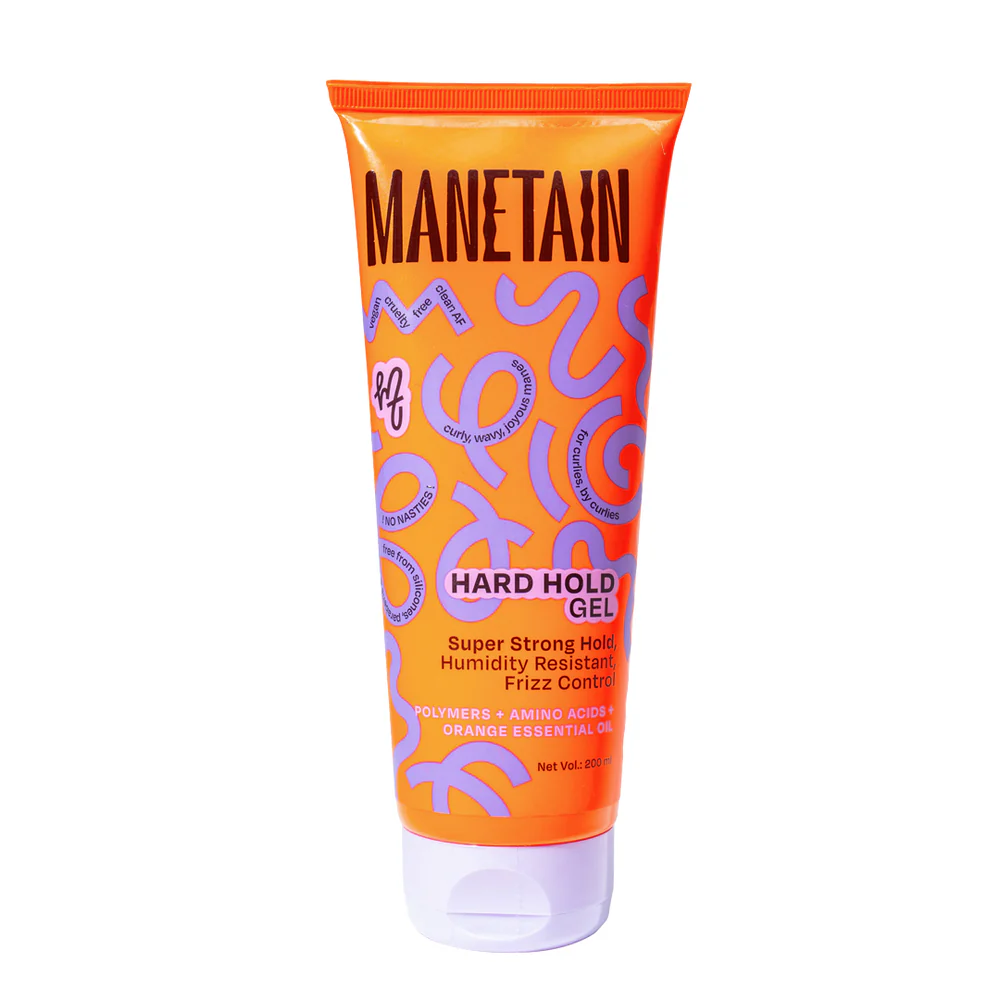
But if you think your ordeal has ended, think again. Dr Tipirneni swears by the squish-to-condish method, which involves applying a generous amount of leave-in conditioner to wet hair. “Instead of raking it through your hair, gently squish sections of your hair upwards towards your scalp,” she says. “Following which, go in with a strong-hold gel, like this humidity-resistant one by Manetain, and remember, your hair needs to be dripping wet, so the gel can form a cast around the hair strand before the humidity has a chance to disrupt the cuticle.” This means you’re tackling the humidity problem at its root (quite literally!) instead of battling it after it appears.

To heat or not to heat
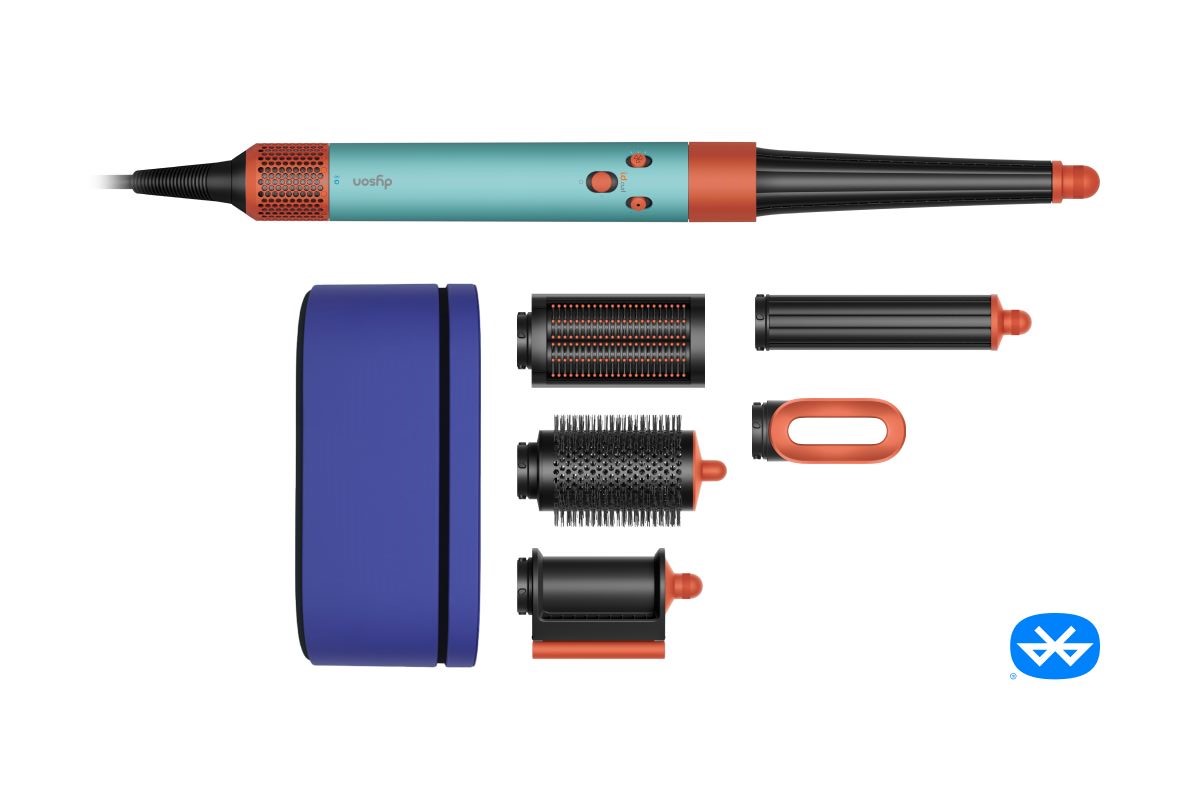
If you’re a flat iron addict, we’re going to hold your hand as we say this: as tempting as it may be to straighten your curls through the rainy season, it may be time to give it a rest. “The monsoon isn’t a good time to heat-style because it can further dehydrate and weaken your hair,” cautions Radhakrishnani. “So try and keep it to a minimum.” However, if you and the trusty flat iron are joined at the cuticle, a safer option could be the Dyson Airwrap, a 6-in-1 styler that lets you dry, curl, wave, smoothen, and volumise with little effort. The best part? Its airflow technology spares you of heat damage (which, good news, is reversible), so at least you won’t end up with fried, vermicelli-like hair.
When in doubt, tie it up
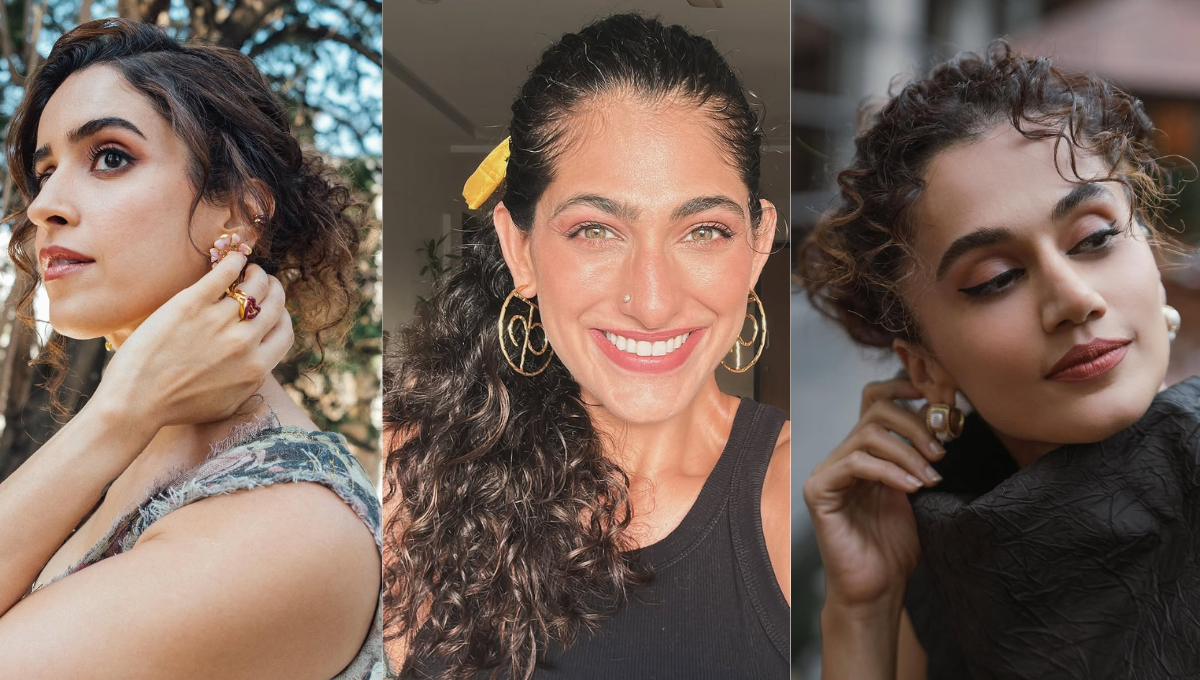
Tying your curls back is arguably the hair equivalent of wearing a bra—it’s functional, restrictive and kind of boring when all you want is to hang loose and free. Sadly, like that crushing underwire, there’s no escaping it. “Rainwater is often dirty and filled with pollutants, so it can damage hair over a period of time,” says Radhakrishnani. “I would suggest tying your hair up in a braid, bun, or pineapple (a loose, high ponytail) if you’re heading outside.” If you’re still a Team Loose Hair loyalist and this news doesn’t spark joy, may we point you towards this Pinterest-worthy Dutch fishtail braid that’s bound to earn you some double-takes. New hair, new you?