



How effective are our nani’s skincare home remedies, really?
Dahi is great for the gut but is it great for the face too?
As Indians, we’ve grown up on a heavy dose of ghee in our food, coconut oil in our hair and CID on our TV screens. Occasionally, we’ve also had the besan from our pakoras slathered on our faces, nimbu peels scrubbed on our elbows and malai from milk massaged on our limbs. We’ve nailed the art of squeezing every last drop of goodness out of our kitchen ingredients, especially when it comes to using them on our skin. From dry and dull skin to frizzy hair, cough, cold, acidity, tooth pain, you name it, we can pull out home remedies like tricks from Doraemon’s pouch for any and all concerns. We suspect there may be a kitchen remedy for broken hearts too.
Long before we were acquainted with niacinamide toners and snail mucin serums (why do we still crave glass skin?), our dadi and nani’s gharelu nuskhaas were marketed into our lives with persuasion, wisdom, and love. But are they good enough to compete with our lotions and creams? We stand by DIY home remedies, but does science stand by it too? We spoke to dermatologists to weigh in on the effectiveness of skincare home remedies, what they stand by and what we should avoid.

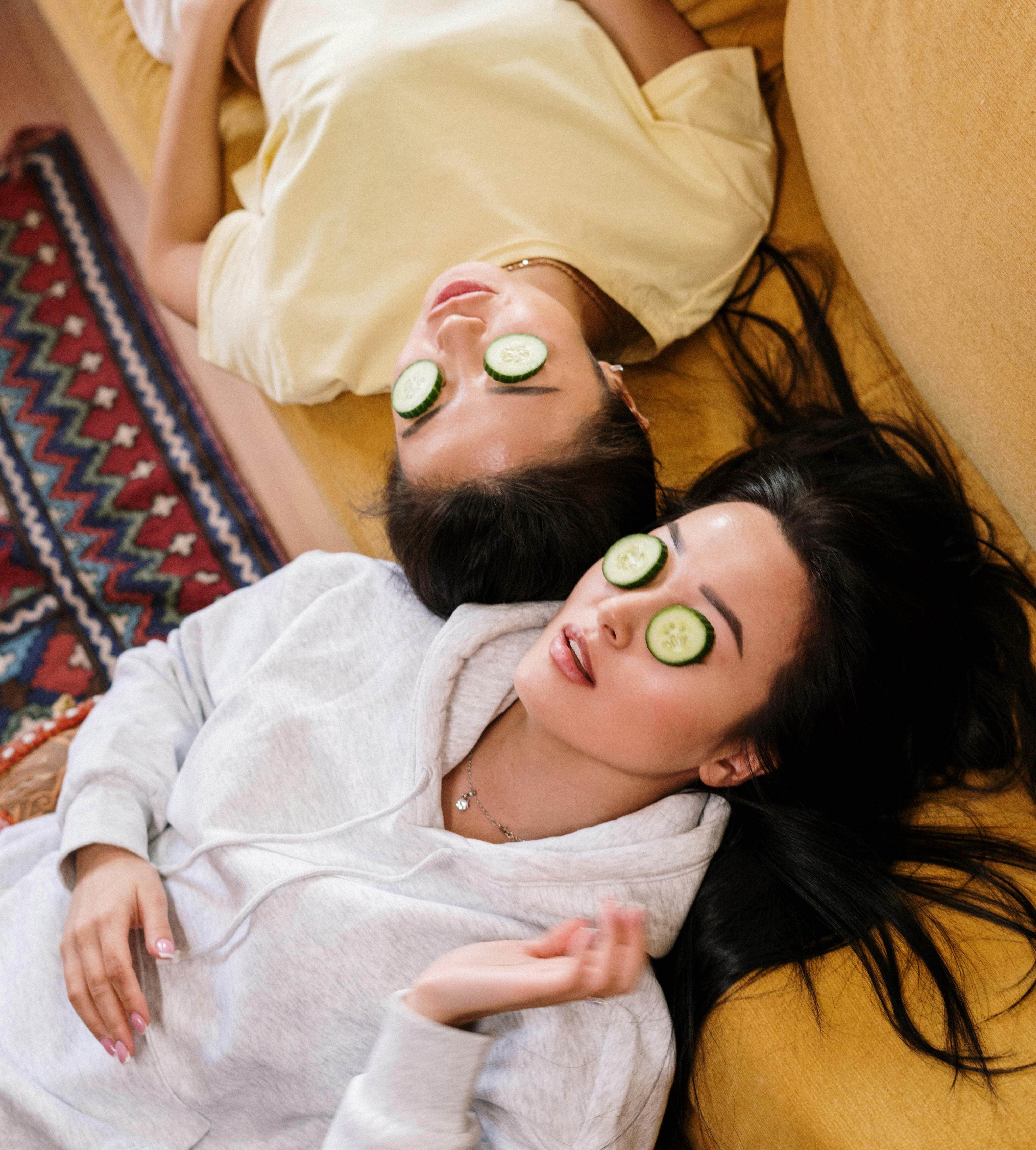
How effective are skincare home remedies?
Be it yoga, ayurveda, the Kamasutra, or skincare home remedies, we have an abundant wellness heritage. “I believe any age-old home remedy has always had a scientific basis, with physiological explanations for their benefits,” says Dr Sonali Kohli, a dermatologist at the Sir HN Reliance Hospital, Mumbai. “What has changed over time is the quality of ingredients. Take coconut oil, for example—though traditionally used for massages, it’s not suitable for every skin type today, and the oils aren’t as pure, leading to more reactions, even in children. I’m not against home remedies, but consumers need to be mindful of quality and suitability.”
Bengaluru-based dermatologist, cosmetologist, hair transplant surgeon and founder of Skinology Centre, Dr Sushma Yadav, echoes Kohli’s thoughts. “As a dermatologist, I am not against all home remedies, but there are certain ingredients that can make things worse, so you should be mindful when using them,” she advises.
Besan, honey, curd, milk… what to use, what to avoid?
Besan-dahi-turmeric face pack for brightening and treating acne
Both experts agree that this traditional face pack has some benefits. Besan (gram flour) works as an exfoliant, curd contains lactic acid which helps remove dead skin, and turmeric offers anti-bacterial and anti-inflammatory properties. Dr Yadav believes this mix is great for glowing skin and mild tan removal.
However, Dr Kohli cautions that it’s not suitable for everyone. If you have sensitive skin, besan can be drying, and lactic acid may cause irritation. It’s also not recommended for active acne. But for those with combination or oily skin, it can be an occasional treat.
Orange peel powder and dahi for tan removal
While Dr Yadav isn’t a fan of orange peel powder due to its potential to irritate the skin, Dr Kohli suggests using it without curd. “Those with combination skin can use orange peel powder as a micro-exfoliant, diluted with rose water or micellar water, especially on an oily T-zone, to brighten the skin,” Dr Kohli suggests.
For tan removal, Dr Kohli recommends mixing orange peel zest with a gentler alternative like milk powder and applying it as a scrub.


Honey for intense hydration
As long as you don’t attract rogue honeybees during self care hour, honey could be a good source of antioxidants for your skin. “Honey has moisturising properties and can help calm skin inflammation, and promote skin healing,” says Dr Yadav.
Honey face masks can also do wonders when combined with haldi. “Honey by itself isn’t harmful, but the honey coming to your table could have several preservatives that could harm sensitive skin and cause allergies. So always patch test before using it,” explains Dr Kohli.
Multani mitti face pack for treating pigmentation and sunburn
Both experts agree that a multani mitti face pack is an excellent choice for those with oily skin, because it helps absorb excess oil. It’s also soothing for acne-prone skin. However, if your skin is dryer than the Thar desert, multani mitti is a big no unless you add a humectant (moisturising agent) like glycerin to it.
The true MVPs of home skin care remedies
Dr Kohli stands by the power of apple cider vinegar to help the skin regain its PH balance, “Mix apple cider vinegar to rose water in a ratio of say 1:2. You can apply it with a cotton swab as a toner. Alternatively, you can also mix cucumber-infused water with rose water and use it as a facial mist or toner. Cucumber extract is hydrating and anti-inflammatory.”
“Some natural ingredients which I completely approve of are milk and curd. Coconut oil (be careful if you have comedogenic skin) works well for dry skin, as it’s antibacterial and can repair the skin barrier. You could switch out your toners for rose water; it works wonders,” says Dr Yadav.
Rubbing ice on your face can help combat bloating and puffiness is another skincare DIY that the experts suggest for a refreshing glow.

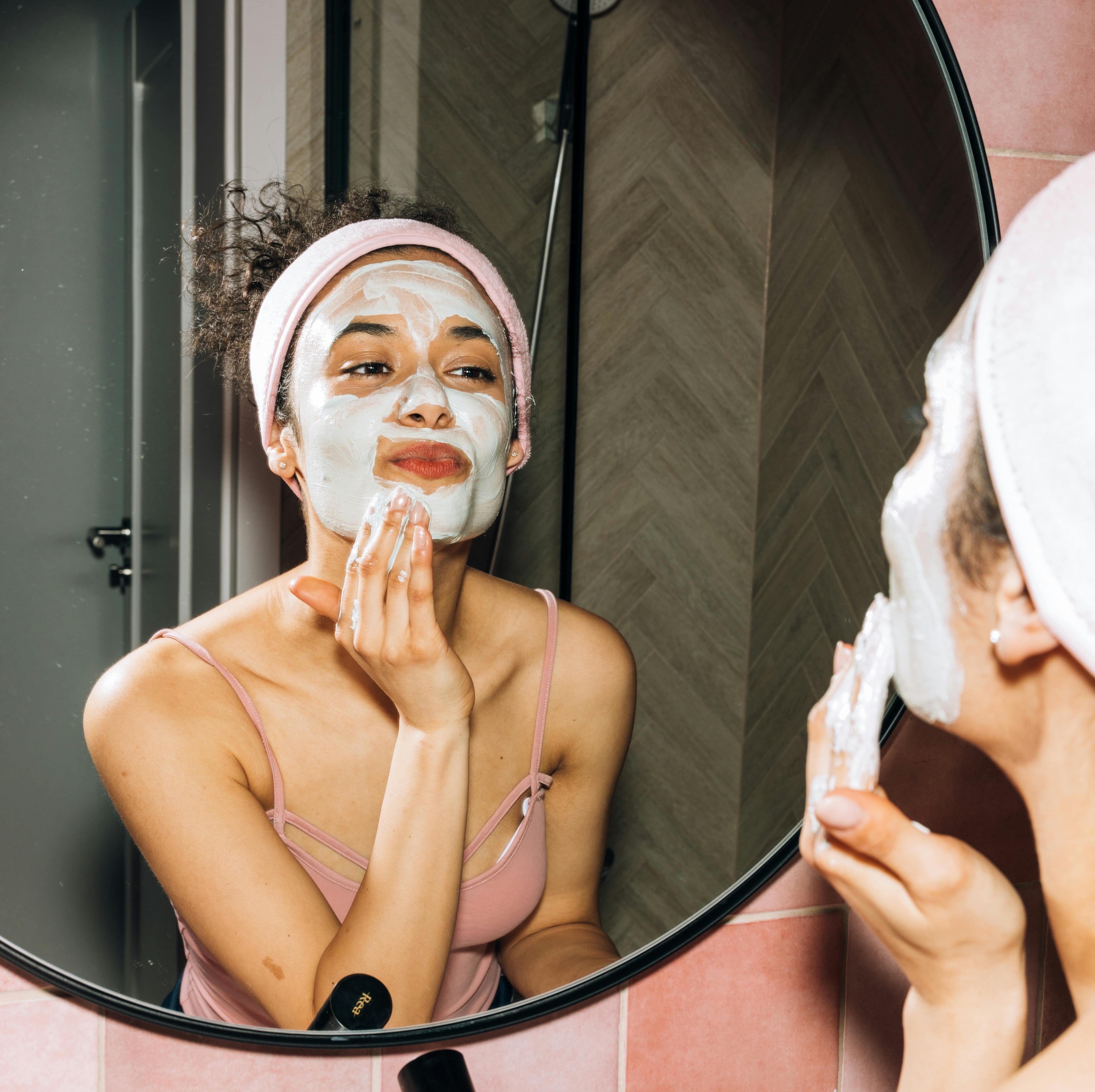
Steer clear of these skincare disasters
When using home remedies for skincare, consider things like your skin type, allergies, sensitivity and ingredients. Dr Yadav warns against using toothpaste, baking soda and lemon, especially if you have sensitive skin. You can also strike off vinegar, whole spices, and walnut scrubs that are too harsh for the skin.
If you have sensitive skin, Dr Kohli suggests you should avoid using home remedies because you can’t predict which ingredient your skin will react to. “One size never fits all. If you have oily or acne-prone skin, you should stay away from using ingredients that clog your pores. If you have active acne, home remedies may worsen it since it’s a bacterial infection. Those with dry skin should avoid using ingredients that strip moisture from the skin. And never do any home skincare remedy more than twice a week,” she says.
Home remedies for skincare need to be customised to your skin, but to avoid aggravating skin concerns, make sure to consult a dermatologist, especially if you have sensitive skin.
Note of caution: This story is for educational purposes with inputs from trained experts. Please consult your healthcare provider to know what suits your needs best.