


Your parlour didi is also your therapist and secret keeper
The women who know us best
‘Sometimes you wanna go where everybody knows your name, and they’re always glad you came’ goes the soulful soundtrack of Cheers. And in pockets of every town and city in India, there lie doors to places just like this: magical lands where women know your eyebrow shape, chai preference, and often your period cycle too. Your local neighbourhood parlour. These small salons are where you forge long-lasting relationships and have an aunty who gives you a Brazilian wax peppered with gossip about strangers, just to get you through the torture.
Mine was Changs, the name inscribed on the door in loopy cursive. When I first tagged along with my mum at the age of six, it felt like opening the door to Narnia. It was a whole different world, but instead of talking lions and ice queens, there were chattering women across ages, with hot rollers in their hair, and clouds of talcum powder emerging from glass boxes. The owner offering snacks as she made her rounds, greeted me. Seeing all the women being so relaxed and friendly with each other, I yearned to be part of this cosy club and have my own didi-friend.
Eventually I did, when I went from a plus-one to a paying customer at the age of 13, when I was first allowed to thread my eyebrows and wax my underarms. No matter how scared I was, Lily, the beautician there, would distract me with stories about her husband and kids. Me? As a teen, I’d talk to her about everything on my mind, from whether waxing really reduced hair growth, to my exams, and every last detail of my summer holidays.
Later, between growing up, starting to work, and discovering laser hair removal, I started going there much less than I would have liked to. When I did finally find the time to go back, it had disappeared, like the many Chinese parlours of its kind. The salon chains and more boutique salons were quickly gaining popularity, but my memories of Lily and Changs endured. To this day, just a whiff of floral-scented powder can transport me back there.
Turns out, I’m not alone. Through conversations with women across ages, I found that many of them cherish similar memories. And for just as many, visits to salons like these—and the support and connection they offer—still continue to endure.


The original gentlewoman’s club
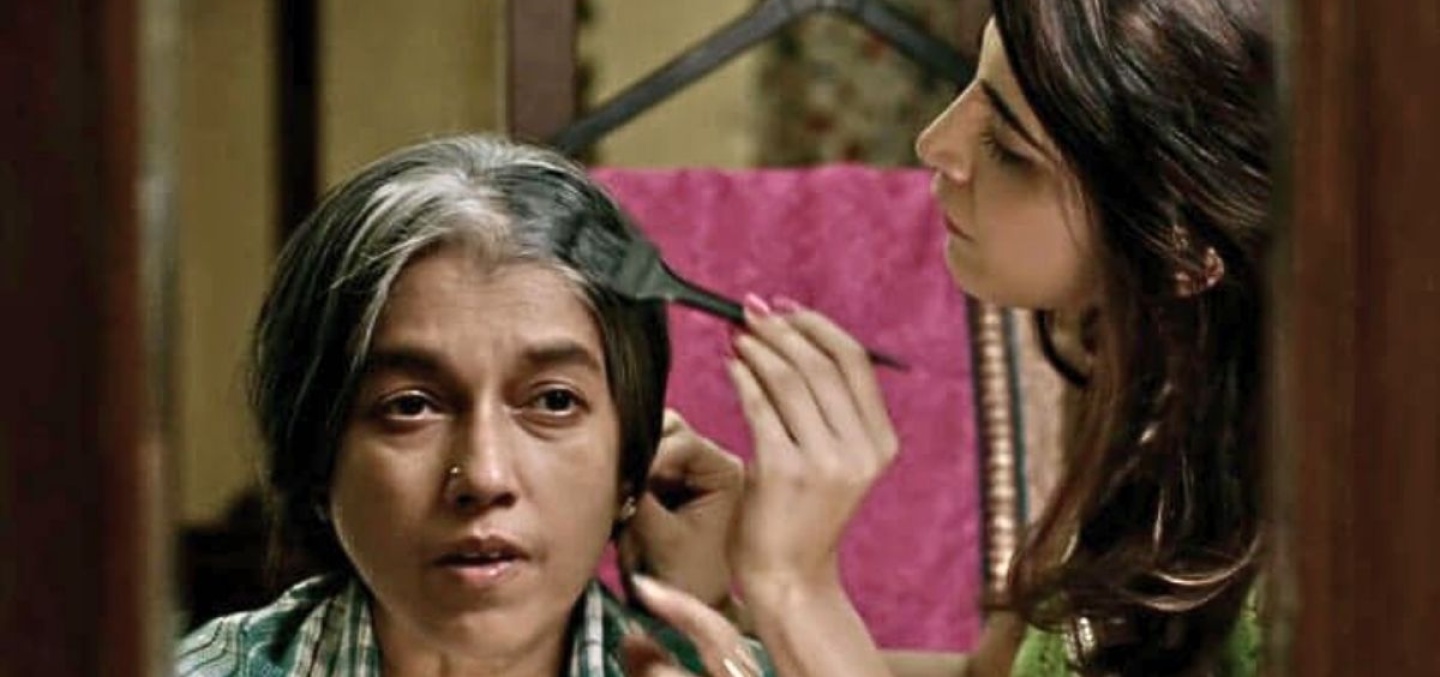
The salon has always fostered a kind of sisterhood. Pop culture depicts it as a safe haven where women bond over hair bonding, annoying partners, chaotic careers and much more. Think Legally Blonde, where Reese Witherspoon’s Elle crosses paths with Jennifer Coolidge’s iconic Paulette, and Lipstick Under My Burkha, which has the local parlour run by one of the main leads become a site of female bonding.
Along with hair removal, there’s emotional and mental catharsis. Surrounded by women who ask questions, share concerns, and laugh knowingly and unselfconsciously, your walls come down, even if they’re made of steel.
Twenty-four-year-old Mehar Gulati, who still goes to the same decades-old parlour in Delhi where she had her first haircut as a baby, affirms this. “Friendships made here are real and organic because nobody is sitting all dressed up, everyone has their guard down, is looking and being real. The didis speak casually with the customers, asking about them and even sharing their own stories. A lot of them being older than me, offer me advice on anything that is bothering me—I chat with them about work, and even my love life.”
Here, bad moods are banished by bouffants and banter. Everybody knows your name, but no one cares who you are in the outside world, allowing you to disassociate, and unload in a safe space. The parlour was the OG gentlewoman’s club, women were reclaiming a sliver of their time for themselves in a world that was repeatedly demanding all of it.

That family-wali feeling
For many women, these legacy parlours have become like heirlooms from their nanis and dadis. Forty-five-year-old Mumbai-based Riddhi Walia, frequents Patsy Leong (over 50 years old) in Tardeo, Mumbai, where she used to go with her grandma and more often, with her mum. When her parents passed away, she found solace at the salon. She says, “The parlour crew was truly kind and loving. They kept checking on me, and often revisited memories of my mum with me.”
The warmth of the Patsy Leong salon has not only retained the customers but also the staff. “While the owners—Rita and Audrey —have moved to Toronto now, the parlour is managed by Queenie, a woman who has been with them for four decades,” says Walia.
These salons have made life better for countless women, and for some, like Naina Surti, a 52-year-old parlour owner from Mumbai, they’ve changed their life altogether. It was a long-time customer from where she used to work before, who gave her a loan to start her own salon. She also credits her chosen family for unending support when she was battling cancer. Today, she hires women who are in it for the long haul, and to build long-term relationships, which in turn bring life long customers, and friends.

A rebellion of sort
As most millennials already realise, the things we loved dearly are disappearing quicker than a plate of kachoris at a family gathering. So we clutch tighter at them—longing for their warmth and familiarity. Currently, I have a wonderful hairdresser at a name brand salon. I see her once every three months for a customary trim. But for a hair wash, blow dry, or just a 20-minute pedicure to make me feel like myself again, a recently discovered local salon is my pick.
Even Mumbai-based Thejaswini Kamesh, 23, finds it hard to walk away from the parlour she has been going to for 10 years. “I’ve thought about going to a chain a couple of times, tempted by a fancy offer or quick service, but I always come back. Big chain salons feel too mechanical—the staff keeps changing, it’s too formal, and there’s no personal connection.” She adds that if her local parlour had to ever shut down, she’d feel a void in her life. It would be like losing a dependable little escape.
New parlours are efficient but feel a little transactional. The staff is well-trained, polite and maintain the highest level of professionalism, which often means not having personal conversations with clients. In the last few of my haircut appointments, I was enjoying the banter from a chatty but polite trainee. So when I didn’t see him the next couple of times I went in, I asked around and found that he was fired for making unnecessary conversation with clients.
In this evolving environment, some rebel by holding on to familiarity—eschewing efficient, business-like parlours, and choosing small salons. Like me. Within three visits to my newfound neighbourhood parlour, I have a ‘regular’ didi (who has learnt my blow dry preference, the cause for my recent surgery, and always wants to see photos of my son) … and the burning desire to book my next blow dry.