

This festive season, I'm going from butterfly to wallflower
Less fun, more fatiguing
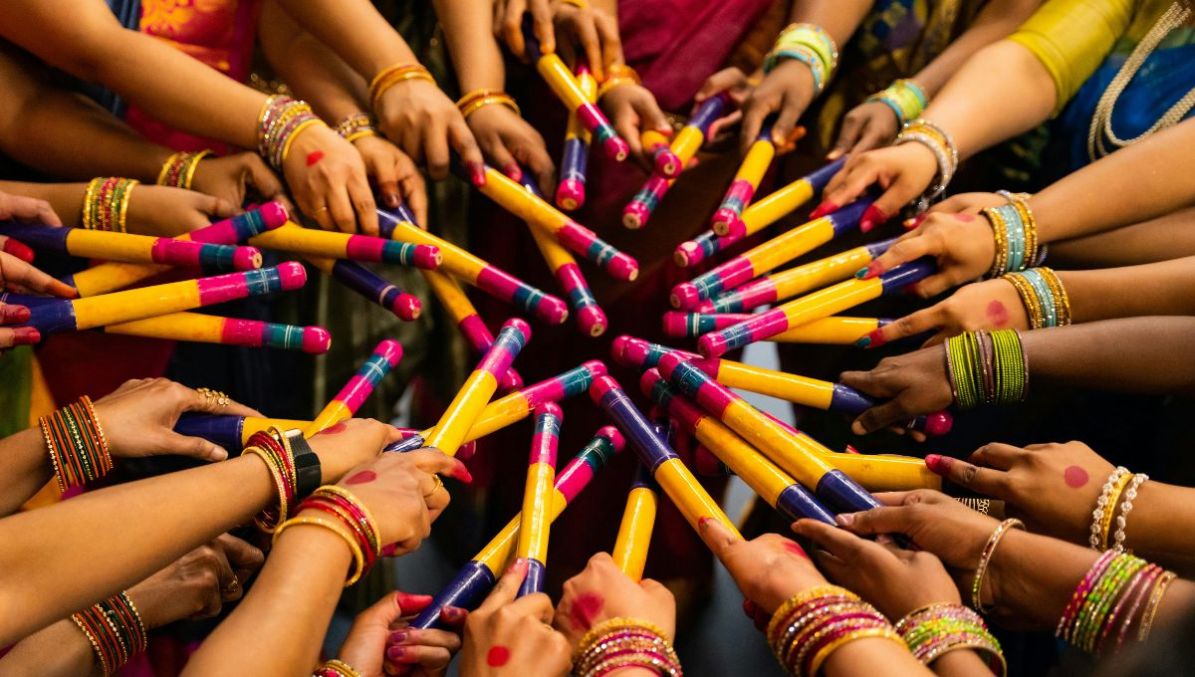
It was a Navratri morning, and as is the norm, I found my social media feed flooded with videos of people immersed in the beats of Gujarati music, dancing away the night with friends and family, dressed in beautiful chaniya cholis and kediya dhotis. It is a tradition I have always looked forward to participating in. Scouring garba events and Navratri pandals in the city, participating in building-society functions, coordinating traditional outfits with friends, vibing to a Falguni Pathak playlist, and of course, dancing my heart out, are all activities that usually bring me joy during this time of the year.
So, of course, this year too, I quickly texted three friends, “What’s the plan for garba?”
Over the next two days, as we tried to align our schedules and pick a venue central enough that each one of us could reach it without being completely worn out en route (which is the norm in Mumbai), a terrible realisation began to dawn on me. I didn’t really want to go. The contrast between my initial excitement and growing dread became clearer with each passing hour. Yes, I had initiated the plan—probably out of habit—but I quickly became disinterested in making it a reality, eventually informing (lying to) my friends about having another commitment that had taken precedence over what usually would have been one of the highlights of my year. The festive season almost always is.
I love everything associated with festivals: the dressing up, decorating the house, singing and dancing, and seeing my neighbourhood come alive with lights and loud cheers. For me, it is the time of the year that takes you out of the ordinary and gives you something to look forward to, year after year. I once sacrificed my weekly off (which every professional values like Indian mothers guard their Tupperware) just so I could be a part of the Diwali celebrations at my workplace. That’s how much I love this season. So my own reluctance to go celebrate Navratri surprised me.
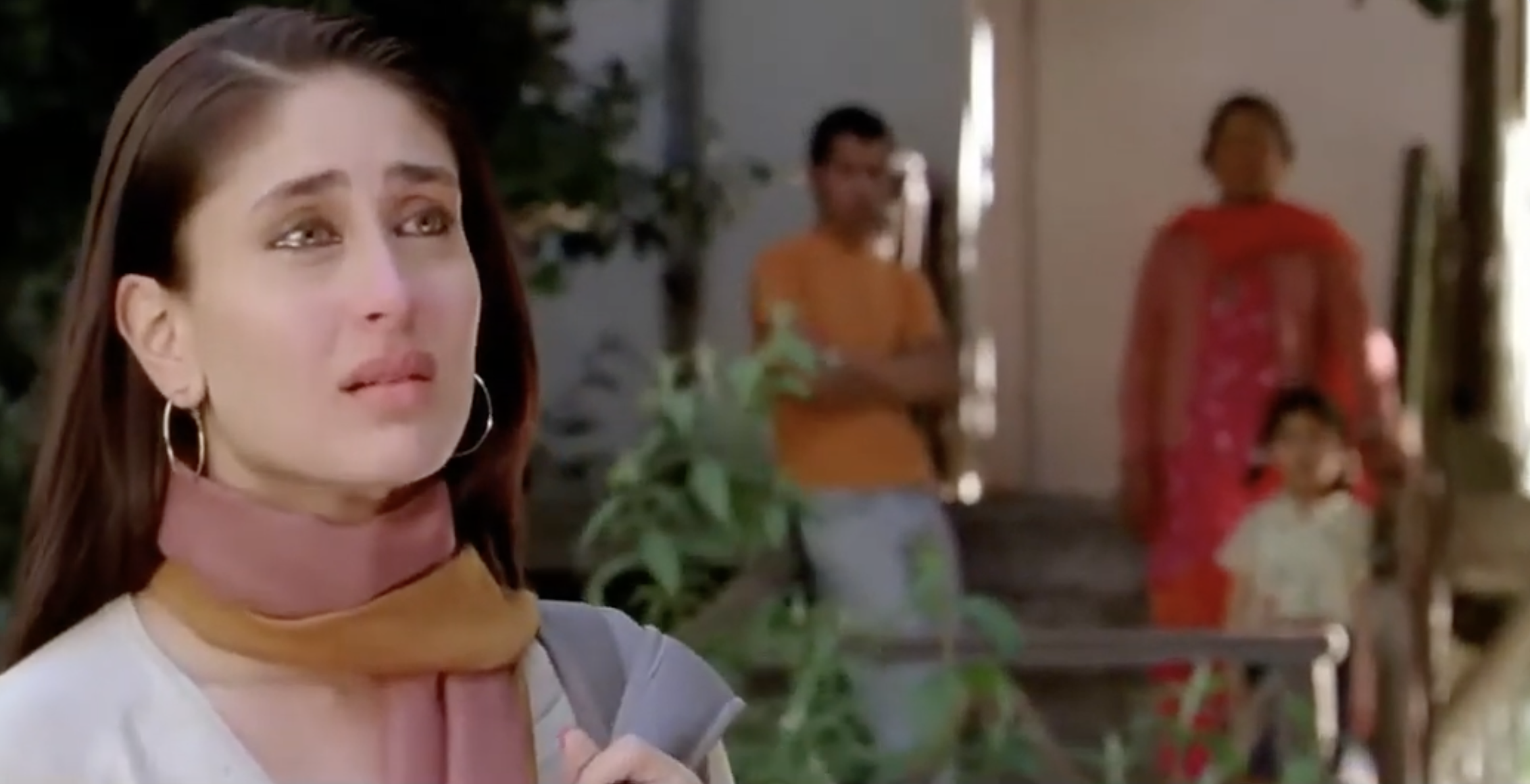
As an introvert, I usually reserve a large chunk of my social battery for use during the festive season. But this time, I couldn’t even get myself to feel interested. And I hated the feeling. It felt like I was losing a bright, cheerful part of my personality—like I was transitioning from Jab We Met’s Geet in ‘Yeh Ishq Hai’ to the one in ‘Aaoge Jab Tum’ (minus the devastating heartbreak).

Upon extensive reflection, I reached a conclusion: my job could be the secret culprit. For the past year, socialising and networking have become occupational requisites for me as a journalist (so has scrolling on social media), leaving little space and energy for personal socialising. In addition, all those festive reels that kept popping up on my screen? Well, the information and sensory overload killed the sense of enthusiasm I previously had for these events. The more I kept consuming this content, the more materialistic the celebrations felt—they seemed more about appearances than about personal joy.
These unexpected shifts in my work-life dynamic and social media habits changed the way I feel about the festive season, drawing me towards quieter and more personal forms of celebration this year.


The hidden burden of the festive season
Despite having figured out the 5Ws and 1H (thumb rules every rookie journalist swears by) of my changed feelings towards festivals, a question kept gnawing at me: am I alone in this?
Turns out, not at all. Arouba Kabir, Gurugram and Bengaluru-based counselling psychologist and founder of Enso Wellness, confirms, “Feeling overwhelmed or tired during the festive season is a common occurrence. There is an emotional overload and heightened expectations for building connections and creating perfect family moments that lead to this fatigue.”
Festivals are often portrayed as a time of joy, celebration, and togetherness. Yet, for many, this season also carries an undercurrent of stress and exhaustion. Kolkata-based psychotherapist Mansi Poddar elaborates, “While some people thrive on the festive energy, others might feel drained due to a mix of social, financial, emotional, practical and sensory demands.” The social pressure to visit relatives and friends, follow traditions, dress accordingly, along with the social media pressure to capture it all pleasingly, creates overwhelm, especially for introverts who have no choice but to mask our fatigue.
According to Poddar, the all-encompassing compulsion to socialise during the festive season becomes even more troublesome for those who are single, away from home, or coping with some loss. Festivals highlight feelings of absence, isolation, or nostalgia. “Social media posts amplify comparisons, making loneliness more visible and more difficult to shake off,” she says.
Festivals are usually accompanied by a sense of ‘mandatory happiness’, convincing people that they are missing out on something if they don’t align with the popular sentiment of the celebrations.
How to celebrate on your own terms
It took conscious observation and self-reflection for me to realise how social media along with offline conditions were exhausting me emotionally, leading to festive-season fatigue.
Sharing some signs that should not be ignored, Poddar says, “Sometimes people may feel disconnected even in the middle of festivities. Feeling dreadful attending social gatherings instead of looking forward to them and waiting for the festive season to get over are clear signs of emotional fatigue.”
Besides mental exhaustion, the festive season also calls for recognising signs that your body needs rest. Shirin Kapadia, a Mumbai-based nutritionist and fitness expert and founder of Parama Wellness, says, “Feeling unusually tired even after sleeping, craving sugar constantly, irritability, bloating, or finding it difficult to focus are all signs you need to rest and slow down. If climbing stairs feels more laboursome than usual, or you’re reaching for caffeine often, it’s your body asking for recovery.”
For navigating emotional or physical fatigue during festivals, it is essential to set clear personal and social boundaries. “The first step is to be self-aware—knowing what you really enjoy, where you feel comfortable and with whom. Quality over quantity will protect your energy,” Poddar suggests. Once you determine what you want (and don’t want), the next, and probably the most difficult step is communicating it. When saying a direct ‘no’ feels uncomfortable, try gentle alternatives like, “I’d love to join, but I won’t be able to stay long” or “This week is packed, let’s plan something after the holidays.”
“This way, you decline without guilt but also leave space for connection later,” Poddar says, adding, “Generally, we have a habit of over-explaining but it is not necessary. A polite, simple reason is enough.”
It is important to prioritise what truly brings you joy. “Focus on presence over performance. Celebrations don’t have to be perfect to be meaningful,” Kabir advises.
From FOMO to JOMO
My garba plans failed, but not entirely. Instead of going for garba every night during Navratri, I chose my outfits according to the colours of the nine days, subtly participating in the festivities without feeling fatigued or overwhelmed. I didn’t visit public pandals this time, either. But I spent time with my parents, listening to my mother’s memories of watching Ramleela in Delhi with her sisters.
Since then, I have continued to give myself space to determine meaningful ways to observe the festivals I hold dear, without over-exerting and over-engaging.
The shift from comparison to choice, helped me navigate the fear of missing out (FOMO). “We first need to reframe the narrative of ‘missing’ something and bring our attention to what we’re gaining by choosing something different. When we focus on what truly matters to us, the social and cultural pressure eases, and the festive season feels more authentic,” Poddar says.
This, for me, translated into experiencing the joy of missing out (JOMO)—a philosophy I have decided to embrace even beyond the festive season.
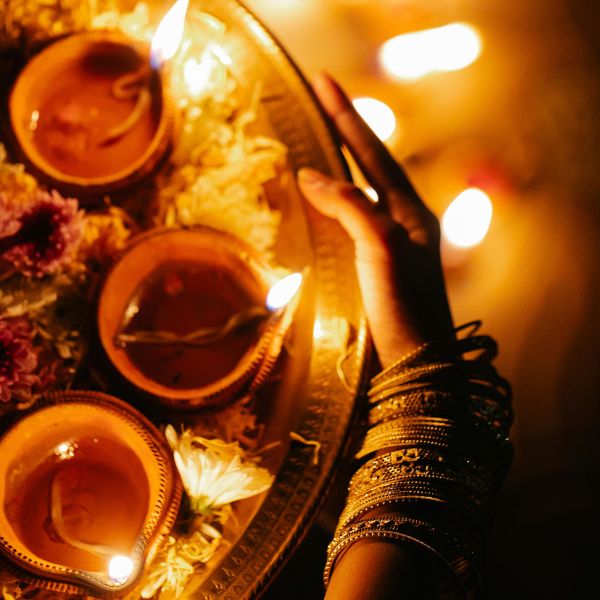
With Diwali approaching, I may not attend social events and parties, but I now know that I will derive the same level of joy from cleaning my house, lighting diyas, making rangoli or just quietly praying.
And if I ever do end up feeling burnt out again, I’ll remember Kapadia’s advice, “Post the festivities, one needs to slowly get back to a routine, prioritising home-cooked balanced meals. Water and simple drinks like nimbu pani with chia seeds or coconut water can help flush out excess salt and sugar.” Additionally, a short walk, yoga and stretching can boost energy without adding stress, while quality sleep and rest can help reset energy and mood.
This year changed my relationship with festivals. After all the discoveries, I am back to enjoying the festive season, but just in my own meaningful way.