


Bollywood can’t make me hate these women
Complex female characters we all misjudged
As an elder Gen Z, I am quite grateful for the millennial-era of Bollywood. While it’s true they got guilt-inducing sagas like Baghban (2003), they also got the best rom-coms, like Salaam Namaste (2005) and Jaane Tu…Ya Jaane Na (2008). I was promised an adulthood where a guy who looked just like Imran Khan—if not Imran Khan himself—would sprint past airport security just to get to tell me how he felt before my flight took off.
Safe to say, that didn’t happen; I’m more familiar with tracking ‘last seen’ time stamps on WhatsApp to know if a guy is ignoring my messages or just fell asleep. But with Khan’s recent return to the public eye last year, and news of Zoya Akhtar finalising the script for Zindagi Na Milegi Dobara’s sequel, I felt an urge to revisit some of these 2000s and 2010s films that taught me all about romance—and how to be a girl guys would want to romance.
As I made my way through the watch list, I was surprised with how I felt this time around. Beyond the rosy tint of nostalgia, my adult brain had some concerns about the way some of the female side characters were treated by the stories, and subsequently, by us, the audience.
There were so many female characters that I grew up disliking, or viewed them as cautionary tales. Was Natasha from ZNMD indeed a rock-chick girl but we just treated her as a nag? And should Jaane Tu’s Meghna, with her insistent childlike whimsy, have given us the ick like she did?
How quickly we internalised the idea that we had to be a perfect mix of fun, sexy, agreeable and uncomplicated in order to get the guy. And how swiftly we judged these less-than-ideal female characters.
With time and experience, you realise how ridiculous that all was. You cringe wondering how you could have ever thought that way. Then you rewatch these movies and understand exactly how.


Natasha is just a rock-chick girl…who wanted clear communication
What would you do if your fiancé was on his bachelor’s trip, and you found out the group took a detour on the suggestion of a woman they had just met. What’s more, you then see him carrying the woman in his arms, both of them giggling nonstop? Would you be a paranoid buzzkill for getting mad at him, or would that be a totally valid reaction to have?
Zindagi Na Milegi Dobara (2011) gave us two wildly different female leads, Natasha (Kalki Koechlin), a detail-focused, successful interior designer, and free-spirited, scuba diving instructor Laila (Katrina Kaif). While they were never directly pitted against each other, the movie isn’t exactly subtle in signalling that Laila is the more desirable of the two.
I unquestioningly bought into the idea that Natasha was just a nagging obstacle in the story. Constantly spoiling the fun and creating awkwardness by asking serious questions of her fiancé Kabir (Abhay Deol) as they prepare for their wedding.
On rewatch, though, I found nothing wrong or problematic about what she wants. Natasha puts her career aside entirely to relocate for Kabir’s career. Understandably, she wants her husband-to-be to at least participate in the wedding preparations and provide inputs for the life they are about to begin together.
If anything, her behaviour exposes Kabir’s attitude towards his responsibilities and, dare I say, accountability. Because he’s constantly trying to avoid her and ultimately the truth that he’s not ready to get married.
It wasn’t that Natasha was too needy; it was Kabir who was simply unavailable. Maybe that’s why Natasha ends up finding love in the epilogue rather than Kabir.

Meghna wasn’t delusional, she was just coping
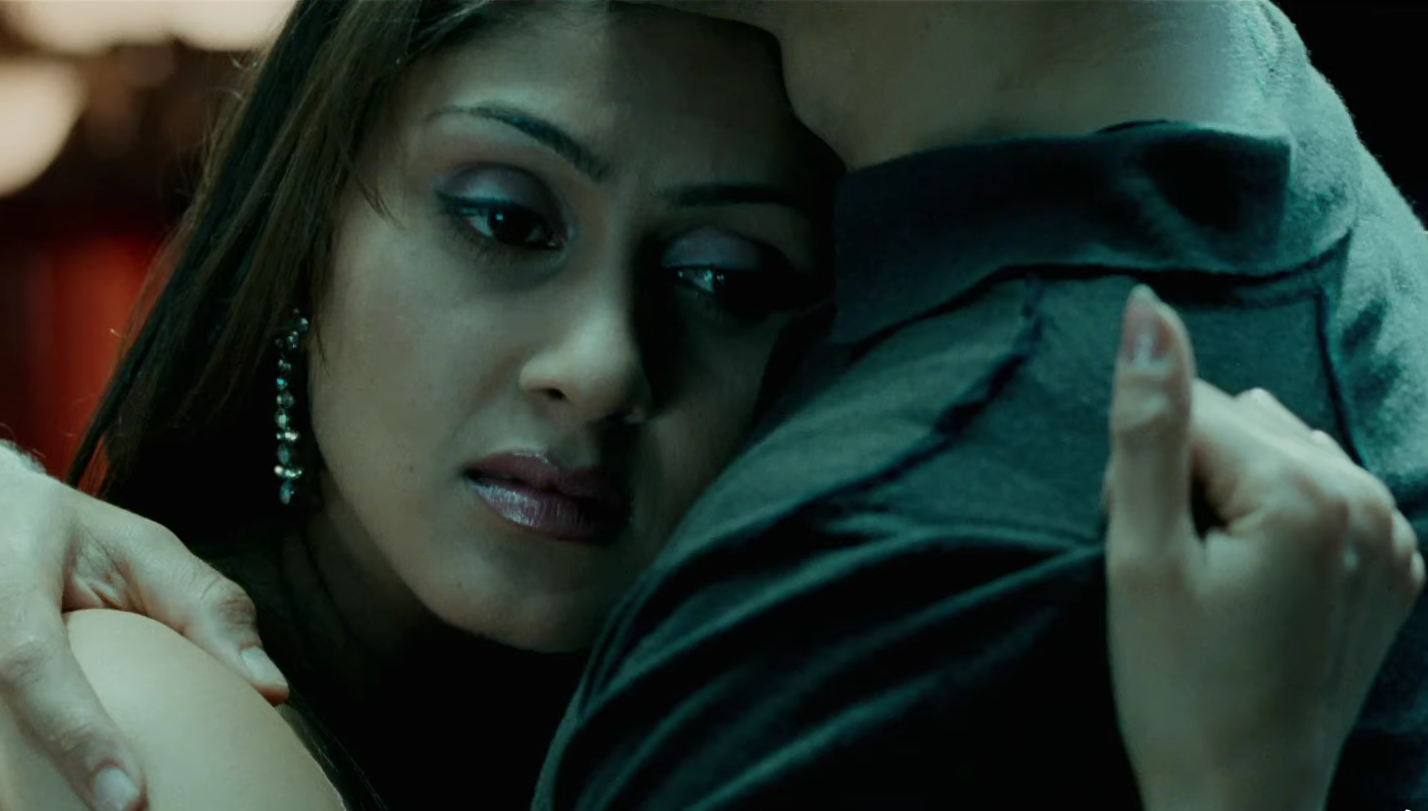
It’s an acceptable opinion now that the whimsical and graceful Meghna (Manjari Fadnnis) from Jaane Tu…Yaa Jaane Na (2008) deserved better. But allow me to make my case.
With all the awareness we have today, it’s pretty cool that Aditi (Genelia D’Souza) is a female lead who still stands the test of time. But it’s the comparison between her and Meghna that now feels futile and rather unfair. For one, they’re in completely different stages of life—while Aditi is figuring out abstract questions about who she is and who she’ll end up with, Meghna is grappling with the real and very painful end of her parents’ loveless marriage and the longterm impact of having an alcoholic father.
Upon a rewatch, I found myself mad at the characters, including the ‘sensitive’ Jai (Imran Khan), for their reaction to Meghna’s coping mechanisms. All of Jai’s friends loved Meghna’s unique outlook on life, especially her imaginative “What’s that?” game, till they saw where it came from. Her response to a very valid trauma suddenly became a red flag, and she was quickly sidelined as delusional.
I remind myself that the whole gang was just out of college when they met Meghna; they’re not exactly mature adults with high EQ. But coming from a generation that has coined “delulu is the solulu”, I now think that she was actually wise beyond her years. Additionally, she handled the breakup with immense love and grace, when she could’ve easily lashed out at Jai’s rejection.
I’ve gone from viewing Meghna as a weirdo and an obstacle in Jai and Aditi’s love story, to feeling bad for her, to now, completely admiring her.

Jazz’s intelligence was underrated
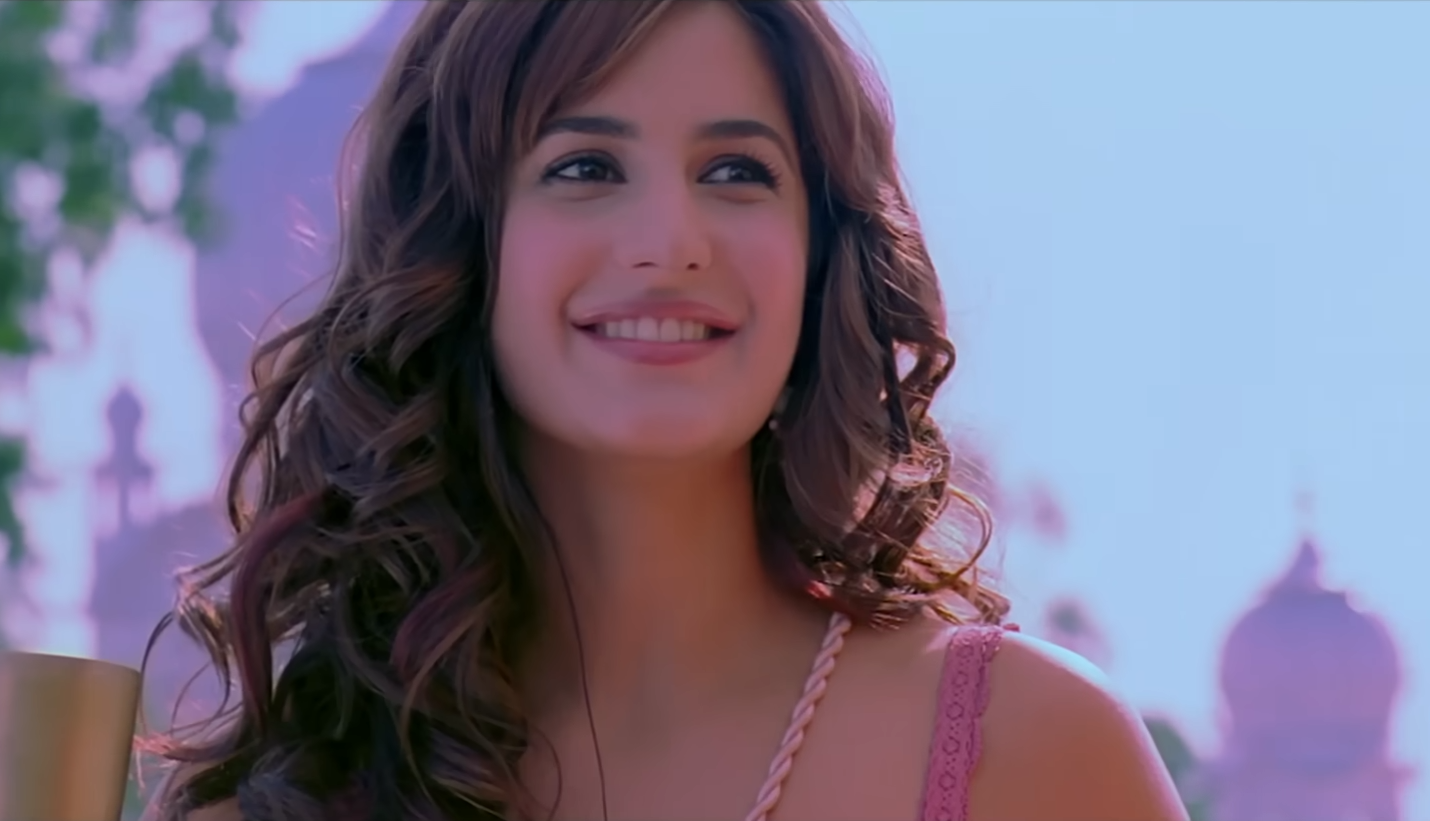
I rewatched Namastey London (2007) in the theatres on its re-release last year and remembered that I was on Jazz’s (Katrina Kaif) side even as a kid. I kept rooting for her to escape the forced arranged-marriage to Arjun (Akshay Kumar), and I loved how she was able to come up with not one but two escape routes.
What had annoyed me even then was how the plot was so focused on taming her. London-raised Jazz is initially depicted as an out-of-touch, fussy girl who needs to learn how to ‘adjust’. She’s often shown to be disrespectful and out of control with her partying, regularly upsetting her Indian parents with her Western antics (oof).
This time around, I realised that what I missed as a kid was Jazz’s ability to diffuse situations with cheeky humour—she de-escalates arguments with her parents while still dodging her father’s attempts to domesticate her. She’s honest, resourceful, a great friend to her childhood bud, Imran (Upen Patel) and always stands up to her mildly racist, womaniser boyfriend Charles (Clive Standen) anytime he pushes her boundaries.
In fact, despite the film insisting on her brattiness, the plot relies heavily on Jazz’s ability to always think for herself.

Rhea’s boundaries are goals
The only thing I knew about Kabhi Alvida Na Kehna (2006) as a kid was a) smashing songs and b) don’t watch this, it’s for adults. The movie follows Maya (Rani Mukherjee) and Dev (Shah Rukh Khan), who are in unhappy marriages and end up cheating on their spouses, and was slammed for glorifying cheating when it was released. So I waited till I was 24 to watch it, and surprise, surprise, the moral panic was overrated.
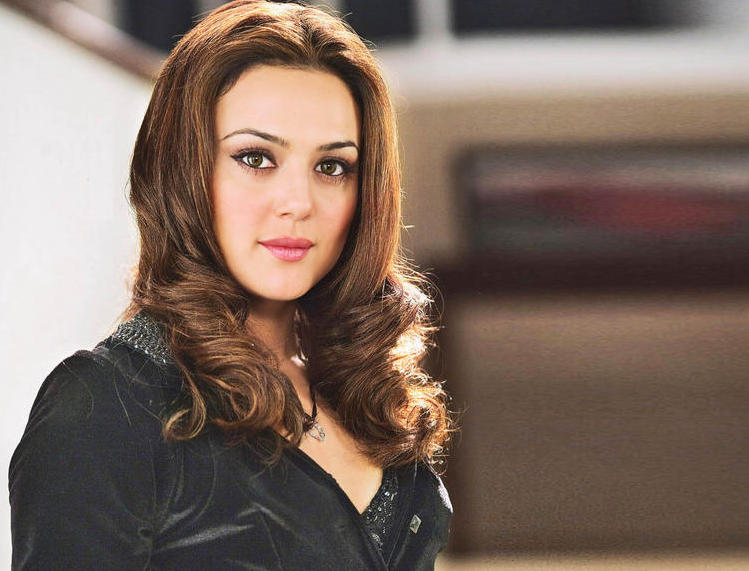
However, I found Rhea’s (Preity Zinta) character to be one of the best female characters I’ve seen in Hindi cinema. While she wasn’t technically a side character, she was pushed aside when the plot started centring Maya (Rani Mukherjee) and Dev’s romance and adultery.
The movie magnifies the cheated-on spouses’ flaws. Rishi (Abhishek Bachchan) is a man-child and obsessed with sex, to the point where she gets creeped out by him at some point. And Rhea is… successful. Yep. That’s her flaw.
So, what’s the right way to react if your husband, who resents you for having a thriving career, cheats on you? I expected a crashout from Rhea, but she doesn’t let that happen. Instead, she calls out Dev for his misogyny and then walks away.
Even as she confronts Maya at Rishi’s second wedding, she’s calm and empathetic; while Rhea never outright says she’s forgiven Dev and Maya, she understands their love and encourages them to reunite.
I could see her self-respect being construed as coldness or indifference by some given how our society expects women to be self-sacrificing and readily forgiving. But Rhea’s clear self-knowledge and clearer boundaries have a fan in me.

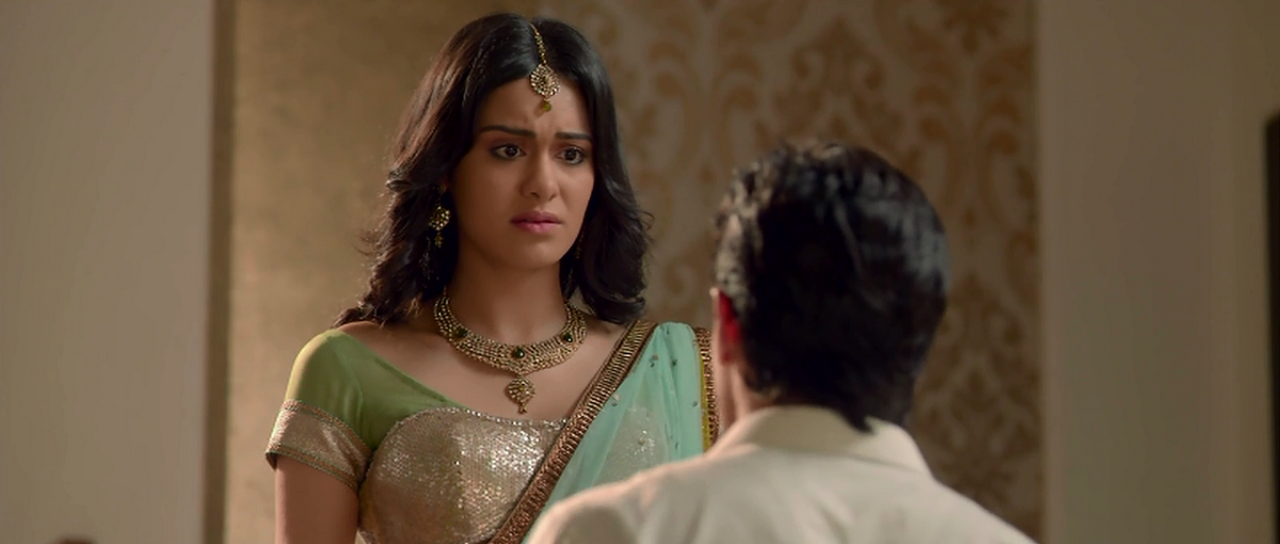
Karishma was not a bridezilla
Imagine you’re about to get married, your career as an actress is just taking off, and your younger sister (who disappeared ages ago) arrives on the scene asking for your help after committing fraud?
That level of stress can take down mythical giants, but Hasee Toh Phasee’s (2014) Karishma (Adah Sharma), older sister of the female lead, Meeta (Parineeti Chopra) and about to be married to Nikhil (Siddharth Malhotra) is handling it all. She’s constantly taking care of everyone’s feelings, expectations and finances in her big gujju family.
As an adult, even Siddharth Malhotra’s face card and Parineeti’s comedic timing couldn’t distract me from this part.
We are also given to understand that Meeta, a jugadu scientist who commits fraud to save her research lab, is honourable. But Karishma, whose job requires her to avoid scandals, work on her craft and looks her best at all times, is high-maintenance and controlling. Couldn’t it just be that both sisters are ambitious and dedicated to their chosen careers? Why must Karishma be wrong in order to establish how right Meeta is?
The movie allows Meeta and Nikhil room for character growth, but leaves little opportunity for Karishma to mature. It is only in the end, when she discovers her fiancé and sister are in love (on top of everything else she’s dealing with!), that Karishma is shown to do the ‘right’ thing, which is letting go of Nikhil so he can be with his sister.
These side characters were the real ones
Revisiting these films made me realise that while these were great stories—romantic and cinematic and completely entertaining—they were not necessarily great messages about how society views women.
I’d like to say that it has all changed now, with time, but if anything, it’s only gotten worse. Misogyny is playing better than ever at the box office.
It makes me look back on these films with scepticism, but also a bit of affection. They were flawed and favoured the male gaze, but they did still come very close to capturing real women…even if it was only to discard them.