


How to fall in love with Kochi within 7 days
A place where history, culture and adventure unite
Located on the southwestern coast of India, Kochi is a city that does not scream for attention or frequently land on tourist must-visit lists. It patiently waits to be discovered and loved. Here, you will find spice-scented streets that lead to art galleries. Or stumble upon centuries-old historical landmarks while walking down unassuming streets. One moment, you are taking a ferry ride, and the next, you are debating about which place has the best appams (because there are many).
This diversity is perhaps what led to Kochi being named one of the top 10 global destinations to visit in 2026 by Booking.com. If you are planning to visit, there is no better time than between January to March. You’ll get cool, sunny weather, and can take in the incredible art at Kochi-Muziris Biennale, South Asia’s longest-running contemporary art exhibit, which is on throughout this time.
But in order to authentically experience ‘the heart of Kerala’, it helps to have a local guiding you. Someone who not only lives there, but loves the city deeply and knows it like the back of their hand. Like Elizabeth Issac, the founder of clean beauty brand Gunam Beauty. Issac was born and brought up in Kolenchery, a town on the city’s outskirts. She left for higher studies at 17, before settling back in Kochi in 2021.
No matter where she goes, Issac says, she considers Kochi her true home. Here she recommends eight things every visitor to her beloved city must explore, so they can fall in love with it the way she did.
Your Kochi trip will be incomplete without these experiences
Take a walk through time in Fort Kochi
What SoBo is to Mumbai, Fort Kochi is to Kochi—a place where every building and street is steeped in stories of the past. The neighbourhood’s name, for example, comes from Fort Manuel of Kochi, which was built by the Portuguese in 1503 and is said to be India’s first European fort. Today, you can witness its ruins at the Fort Kochi beach. And while you are there, you must get at least one good sunset selfie at Vasco da Gama Square, a beachside promenade with the iconic Chinese fishing nets as your backdrop.
In Fort Kochi, you will also find St. Francis CSI Church, the oldest European church in India and the resting place of Vasco da Gama. Next, you can visit the Santa Cruz Cathedral Basilica, which is a spectacle of Indo-European and Gothic architecture.
Issac suggests taking the time to wander through Fort Kochi’s colonial-era streets where you’ll discover many more lesser-known heritage gems. “Fort Kochi is one of the very few places in the city where you can walk around easily. It has wide footpaths, and is not too crowded on weekdays.” In fact, the Walkable Kochi project, launched earlier this year, is aiming to make the entire city more pedestrian-friendly. You can also opt for a guided walking tour if you’re a trivia junkie who loves a good backstory.

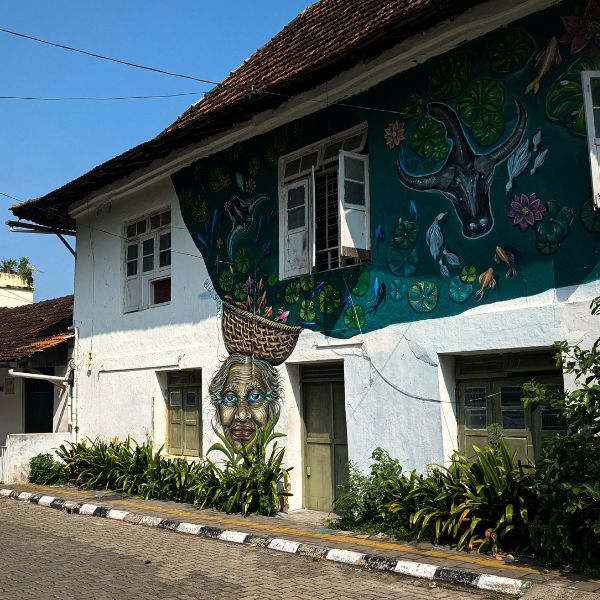
For Instagram-worthy pictures, point and shoot in any direction, and the Portuguese and Dutch-style bungalows, vibrant street art, cute art cafes and vintage stores, will do the rest.
For souvenirs, ditch the keychains, and surprise your friends with a one-of-a-kind scarf or breezy garments from One Zero Eight by Save the Loom. The concept store housed in a centuries-old Portuguese villa features collections from over 40 Indian designers. “The products here are rooted in traditional textiles and handmade techniques, and reflect the country’s craft practices,” Issac says (check out other Indian brands highlighting cultural crafts).
“You can further explore House of Vandy, which houses apparel and accessories from multiple sustainable artisanal brands, and Salt Studio, where you will find collections inspired by traditional textiles, but with a contemporary touch.”
Have a royally good time in Mattancherry
Mattancherry, a historic neighbourhood around less than 5 kms away from Fort Kochi, used to be a key hub of trade and cultural exchange and to this day, bears the trademarks of its multiple colonial conquerors—the Portuguese, Dutch and British.
You’ll see this patchwork history clearly at Mattancherry Palace. It was first built by the Portuguese in 1555 as a gift to the Raja of Cochin, and later renovated by the Dutch. It is built in the Kerala architectural style with some European influences, while inside, the walls are adorned with intricate murals of scenes from the Ramayana and Mahabharata. The palace also houses portraits of the kings who have ruled Kochi, giving a glimpse of the city’s royal past.
But for Issac, Mattancherry is most attractive for its spice market. The neighbourhood was a crucial point of the global spice and tea trade in the 20th century, and the air here is still thick with the scent of cardamom, clove, ginger, turmeric, and pepper, as the market bustles like it did centuries ago. Pack some aromatics to bring a bit of that sepia-toned magic back home with you.
Shop for antiques in Jew Town
Home to the once-thriving Jewish community of Kochi, Jew Town is a vibrant street located at a short walking distance from Mattancherry Palace. In the 20th century, when a majority of Jews migrated to Israel and other countries, they left behind their homes and shops, and along with them several antiques and curios. And these form the street’s identity as a “living museum”.
The lane is lined with shops selling rare antiquities such as spice boxes, oil lamps, wooden carved furniture, hand-embroidered clothes and even vintage photographs, some dating as far back as the 16th century. Crafters Antique Shop is one of the most popular ones and its main attractions include the varpu, a traditional cooking vessel 12 feet in diameter and weighing over 3,184 kg, which is displayed at the store.
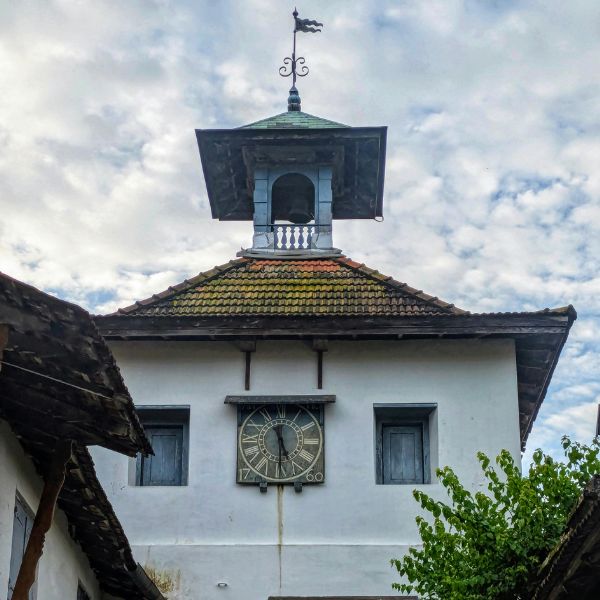
In one corner of Jew Town is the century-old Paradesi Synagogue, the oldest synagogue in India as well as the British Commonwealth. The only active synagogue in the Jewish quarter of Kochi, it houses artefacts such the 1,600-year-old copper plates that are inscribed with the privileges granted to the Jewish community by the Rajas of Cochin.
Both, history buff and shopaholic, will find lots of joyful discoveries on this leg of the trip.
Eat like a glocal
While you explore the treasures that Kochi has to offer, you cannot keep your taste buds waiting. And the city won’t let you. It is home to a concentration of good eateries, from boutique cafes in heritage houses to traditional restaurants.
If breakfast is the most important meal of the day for you, Issac recommends you head straight to French Toast, which has branches in Fort Kochi and Ernakulam. “They grow and harvest their own mulberry. So, the seasonal mulberry French toast is a must-try here,” she says.
Later, take a coffee break at Kashi Art Cafe in Fort Kochi. The garden-style cafe with potted plants and pebbled paths is warm and cozy, and has several artworks and occasional exhibits you can take in while you wait for your order. “As a kid, I used to visit this cafe quite often,” Issac says. “The home-style chocolate cake here is a must-try.”
For a traditional Malabari lunch, head to the legendary Fort Paragon in Fort Kochi, where Issac suggests trying appam, Malabar parotta and the seafood. Vegans will enjoy Loving Earth Cafe in the same neighbourhood, that also offers wellness experiences like yoga and spa retreats. Finish a long day of sightseeing at Seagull, a waterfront bar and restaurant, with good seafood and unforgettable sunset views.
See art, see history
If you are visiting the city during the Kochi-Muziris Biennale (which will run till March 31, 2026), you’re in for a treat. Curated by artist Nikhil Chopra and HH Art Spaces, the 6th edition of the biennale features works from over 60 artists, including late Indian poet, artist and playwright Gieve Patel, veteran Indian artist Gulam Mohammed Sheikh, Brazilian multimedia artist Cinthia Marcelle, and Portuguese visual and performing artist Mónica de Miranda.
Besides the art, films and performances they house during the festival, the biennale venues are worth exploring for their own architecture and history. David Hall, now an art gallery, was built by the Dutch East India Company in 1695, while Aspinwall House, a 178-year-old sea-facing property, was originally the business premises of Aspinwall & Company Ltd., a company trading in spices, tea, coffee, timber, and other products.
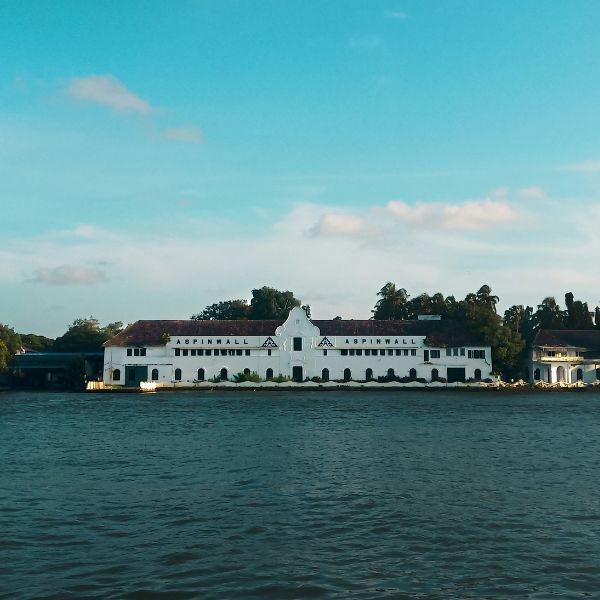
Pepper House, another biennale venue, is one of Issac’s favourite hangouts in the city. The converted colonial-era spice warehouse is now a design shop, cafe, art gallery and events space in one. “You will find interesting options for gifting at the design shop, including ethnic wear, accessories and shoes. The cafe here is quite popular and the courtyard setting makes it even more attractive,” she says.
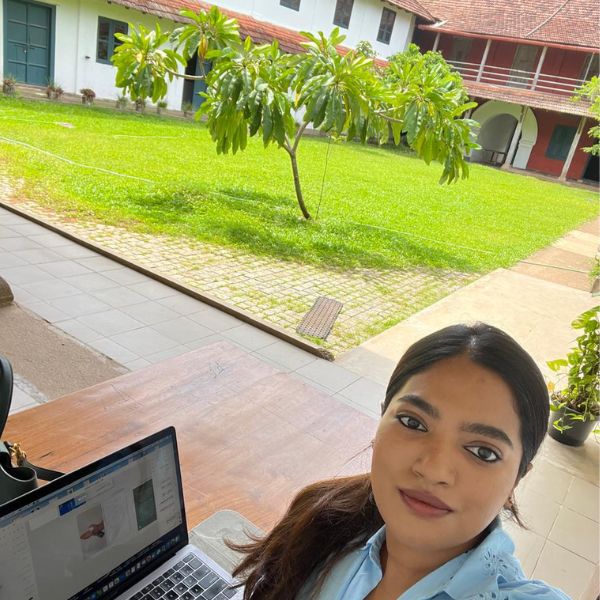
Watch the boats at Willingdon Island
The largest man-made island in India, Willingdon is easily accessible by road or a short ferry ride, and offers a laidback view of the busy Kochi Port. Learn cool facts about the region’s water trade routes, the creation of Willingdon Island (masterminded by one British harbour engineer), and the navigation devices used by mariners, at Cochin Port Maritime Heritage Museum.
The island is also home to some of the city’s best hotels and resorts including the Taj Malabar Resort and Spa. Issac, who used to celebrate all her birthdays there, says everyone must explore Rice Boat, their waterfront restaurant which serves the freshest seafood along with stunning sea views. “On some days, you can even spot dolphins here,” she reveals.
Stand on the water
The mental stimulation has been incredible, but now you’re ready for some physical adventure? Kochi delivers on that front too. Meet standup paddling, which blends elements of surfing and canoeing, and is an offbeat way to experience the city.
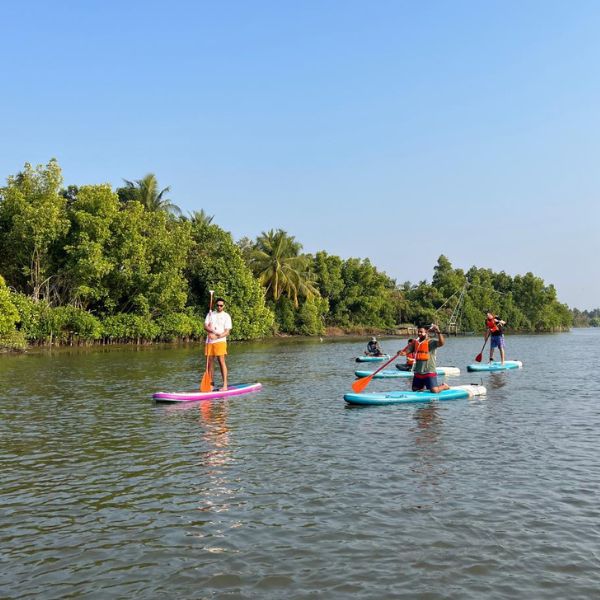
“I do standup paddling at least once a month. It is the best way to start your morning, with a breathtaking sunrise on the backwaters,” says Issac. In fact, her husband started a standup paddling school after the Covid lockdown because the couple “were sick of just looking at the water from our apartment”.
Their company SUP in Kochi offers guided sessions every day at 6 am, starting from Ramada Resort in Kumbalam, which is a short distance from Kochi city. (The price is ₹1,500 per person, with discounts for bigger groups.)
Explore beyond Kochi
The city is also a great base for short trips to a number of beautiful destinations nearby. Issac loves Kumarakom, a serene island cluster about 50 kms away from the city, on Vembanad Lake. “I love the place. In fact, it is where I got married. You can enjoy houseboat rides and breathtaking sunset views. There are beautiful hotels there too, including Kumarakom Lake Resort,” she says.

Another easy trip which is worth the two to three hours it takes to get there, is Munnar with its sprawling tea plantations and dreamy weather. “The town is beautiful, but what many people don’t know is that the drive from Kochi to Munnar is equally beautiful. In these winter months, you get foggy mornings, other times, chilly winds. I highly recommend it,” Issac shares.
For a break by the beach, you have Marari Beach, which is located in Kerala’s Alappuzha district (60 kms). You will find luxury resorts as well as budget-friendly homestays along the beach strip. Apart from a relaxed seaside setting, the area is known for Ayurvedic massages and therapies—a good way to work out that traveller fatigue while you ruminate on all that you’ve seen and done.