

"Earlier, I only knew them as my kids. After becoming a hands-on father, I got to know them as people"
The tables have turned
With bated breath, tensed jaw, and an unyielding stance, I stepped into my 14-year-old daughter’s school. No, I wasn’t preparing for a mahayuddh, I was merely bracing myself to meet a group of concerned mothers who were convinced that my marriage was crumbling. My marriage was perfectly intact—I just happened to be a father who wanted to be present for his children’s school meetings. Somehow, this was unfathomable to the other parents.
During these meetings, the two fathers in the room—me being one of them—would meekly disappear into the periphery, outnumbered as we were by 38 mothers. Worried glances often drifted over to me as I had been attending all my children’s school meetings for some time, and I could detect their curiosity as they probed gently, “How is their mom? Is she alright? Why doesn’t she come for these meetings?” My answer was straightforward. She couldn’t come simply because her office was 15 kilometres away from school while I was just a stone’s throw away. Why should my wife travel so far when I could reach in mere minutes? Yet, despite my assurances, they’d continue with their questions, convinced that something murkier was at play.
The trials of being a hands-on father didn’t end there. Often, another parent looking to get in touch would send a message on the school’s WhatsApp group, saying, “Hey, can I speak to Alisha’s* mom?” and I would reply, “Hi, this is Alisha’s dad. Her mom isn’t currently involved in school-related work, can I help?” To which they’d vehemently insist that it was her mother they needed to speak to, and in turn, I’d have to stand my ground and remind them that I was her parent too. A hands-on dad, it seemed, was just too much of an anomaly.


Sharing the load
My wife and I have always been clear about one thing—the responsibility of raising a child is both of ours to shoulder. So, when our daughter first started going to school, we chose a school closer to my wife’s office, which meant she’d be in charge of school-related duties. In 2018, my family and I moved from Gurugram to Mumbai and we ended up picking a school that was closer to my office, so the roles were reversed and I was the one arranging pick-ups and drop-offs, supervising their projects, and chiding them to study. It was purely a logistical decision. Yet, despite taking up these duties, I still wasn’t as involved as I would’ve liked to be.
In fact, until the pandemic struck, my wife and I were both employed at banks and becoming a stay-at-home-parent wasn’t an option for either of us. It was only during the lockdown, while cooped up in our bedrooms for nearly two years, that we realised how much we’d missed out when we were clocking long hours at work—our kids were hurtling past major milestones faster than we could fully digest. If not now, when would we ever again get to smile adoringly at them as they held up an undercooked clump of lasagna or brought home a glowing report card?
So, when a remote job presented itself in October 2022, I grabbed it with both hands—my wife and I were thrilled that the kids would have at least one parent at home in their formative years. I’d still continue my work as a product manager with a bank, working from 2pm to 11pm, so it wasn’t like my monthly income would be affected. Only, I’d finally get to spend more time with my kids. Back then, my daughter was still a pre-teen, while my son was younger still, so it seemed like the right time to make the switch. It turned out to be a life-changing decision, lending immense depth and vivacity to our relationship.


A new closeness
Earlier, I only knew them as my kids, but once I started working from home, I was able to pick up on my children’s little eccentricities and the tiniest of cues, which ultimately paved the path to getting to know them as people. For instance, I realised that my daughter doesn’t pick up her textbooks until an exam is approaching, and in stark contrast to her, is my son, who studies even when he doesn’t have to. Over time, both of them have also become more forthright about their emotions. On occasion, when I lose my temper with them, they become more vocal about how hurt and resentful they feel in the moment, urging me to be more patient with them. Suddenly, I was no longer the parent who got just the summary and highlights of their lives, I became someone they could trust and confide in.
There was a lot of learning involved too. Now that I was their primary parent, I had to find my balance between being their friend and the disciplinarian, a role I would earlier lean on my wife to take up. When it comes to their eating habits, screen time, and academic work, I’m strict. If my kids do something they’re not supposed to do, like have dinner while watching TV, I’ll let them off with a warning at first. But if it keeps happening, I’ll gently but firmly let them know that I’ll be deducting their pocket money. This might seem harsh, but I figured, there’s no better way to prepare them for the real world than to treat them like adults—with choices that have consequences. By that same measure, they get to have a say in everything they do, whether it’s deciding which places we visit during our family vacation, or letting them choose what they’ll eat on ‘junk food Fridays’.
Another thing being a hands-on dad has taught me? Humility. I’ve learnt to be honest about my limitations. For instance, when my daughter comes up to me, excited to fill me in on all the hot middle-school drama and who’s dating whom, and asks for advice on how she should react to someone’s breakup, sometimes, I have no option but to say, “Sorry beta, I have no idea. These problems are very unique to your age, and when I grew up, I never had to deal with any of this.”
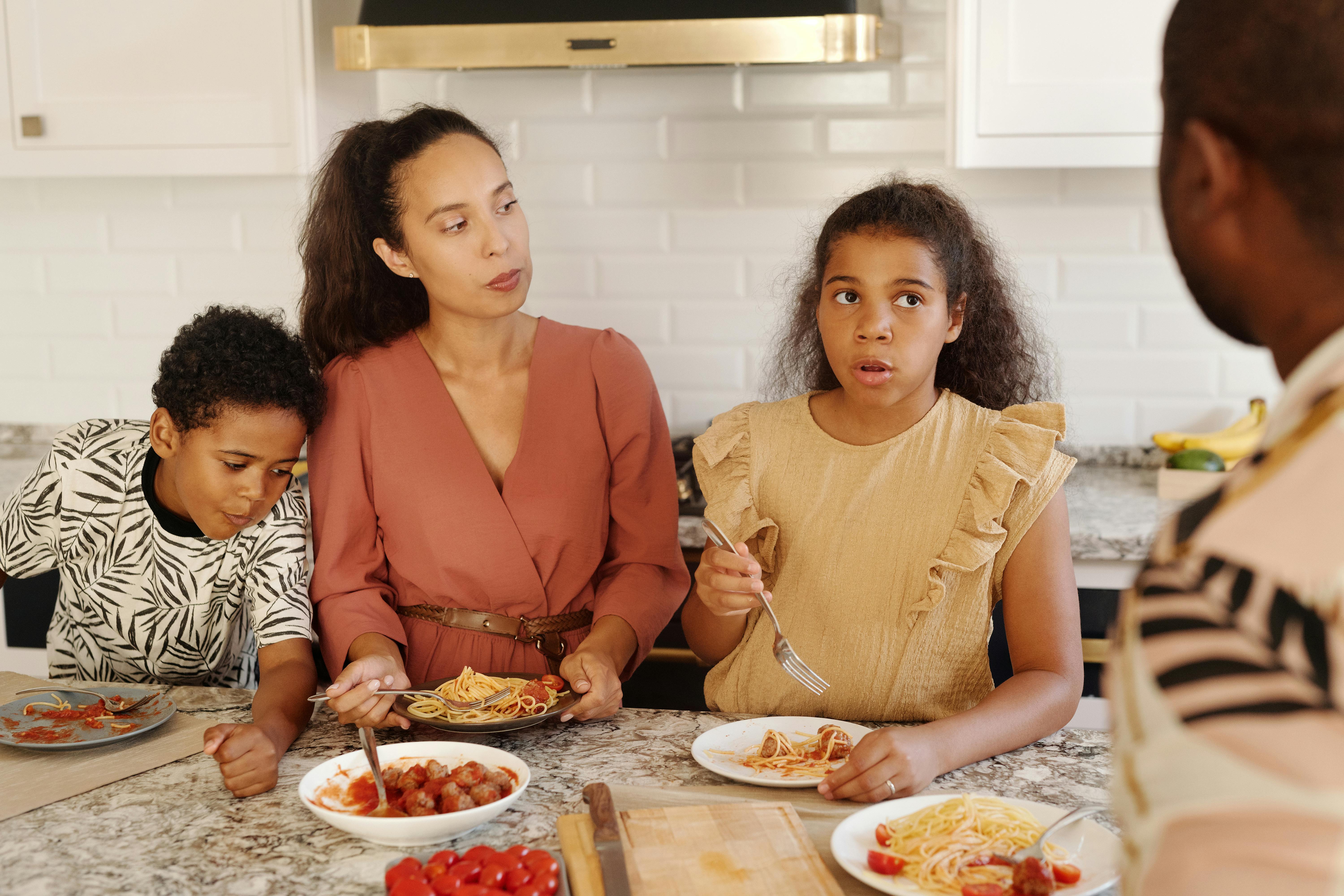
Most importantly, I’ve learnt that I’m only able to be this involved as a father because I have support. We have a 24-hour house help who handles most of our domestic chores, including cooking, cleaning, and laundry. I have the privilege to outsource the grunt work and devote my attention to the kids. In a traditional home, mothers aren’t only juggling their children, husband, in-laws, and office work—they’re also saddled with dirty dishes, laundry, and ghar ke hazaar kaam. It’s no wonder, then, that most of them are utterly exhausted. (Their mental health bears the brunt, too) Since most of that is taken care of, I’m able to regard my kids with laser focus.

The long haul
After three years of working from home, I can say with confidence that my relationship with my kids—and my appreciation for my wife—have never been stronger. I recently started going to work three days a week, as the kids are older now and more independent. But I always try to return home by the time they’re back from school. I’m still poring over their homework, coordinating their tuition classes, and helping with their assignments. Because of her hectic schedule during the week, my wife takes charge on weekends, planning activities, reading together, and helping them clean their room.
Currently, my wife and I split our parenting duties 20-80, but even if that changes, and she’s able to take on more school-related duties in due course, I don’t intend to let go of the reins entirely. Being a hands-on father is a joyful, fulfilling experience, and someday I hope it’s no longer perceived to be strange or noble—after all, I’m merely playing my part.
As told to Asfiyah Qadri
*Names changed to maintain anonymity