

You love K-pop, K-dramas and K-beauty, now, try K-literature
Geography may divide us, but stories unite us
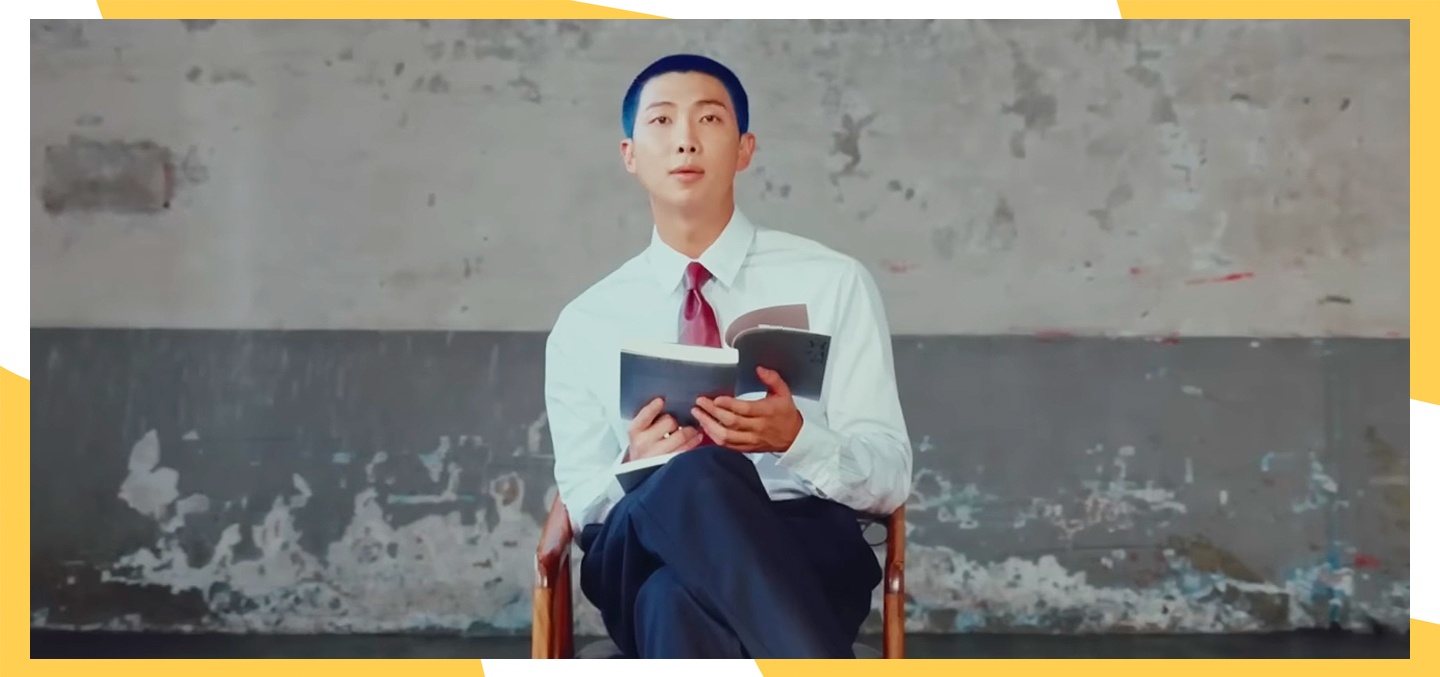
In 2021, Kim Nam-joon, also known as RM of K-pop supergroup BTS, single-handedly changed the fate of an out-of-print book. Days after it was spotted in one of his videos, Early Death, a book about the lives and work of Korean artists who died at a young age, became an instant bestseller and secured a reprint.
And that’s how one fandom fuels another. While K-dramas offer addictive storylines (we crash-landed too) and K-pop delivers invigorating earworms, modern Korean literature provides a different high in the form of introspective narratives that explore the country’s social, cultural, and psychological landscapes.
But what makes the work of modern Korean writers so distinct? For one, their work is unflinchingly honest. Korean writers masterfully weave social commentary into their stories, whether it’s about the suffocating pressure of societal expectations or the lingering effects of generational trauma.
And let’s not forget the pathos. K-literature excels at finding profound beauty—and tragedy—in everyday life. Just as a K-drama can move you to tears even in its most mundane moments, Korean writers have the remarkable ability to find the extraordinary in the ordinary, transcending linguistic and cultural differences to craft stories with universal appeal and resonance.
Ready to expand your K-obsession? Here are 10 Korean authors who will become your next literary crush.
A beginner’s guide to K-Lit


Kim Jiyoung, Born 1982 by Cho Nam-Joo, translated by Jamie Chang
This groundbreaking feminist work offers a comprehensive portrait of the systemic discrimination women face in South Korean society. The novel follows Kim Jiyoung, an ordinary woman born in 1982, who, at a pivotal point in her mid-30s, starts exhibiting unusual behaviour by speaking in the voices of other women she has encountered throughout her life.
A series of flashbacks reveals the pervasive gender inequality she faces, from childhood to adulthood, including sexual harassment, workplace discrimination, and the pressure to conform to societal expectations. The novel highlights the impact of these experiences on Jiyoung’s mental health and identity, and is a poignant critique of patriarchal structures that will resonate with women everywhere. Did we mention this is also an RM favourite?

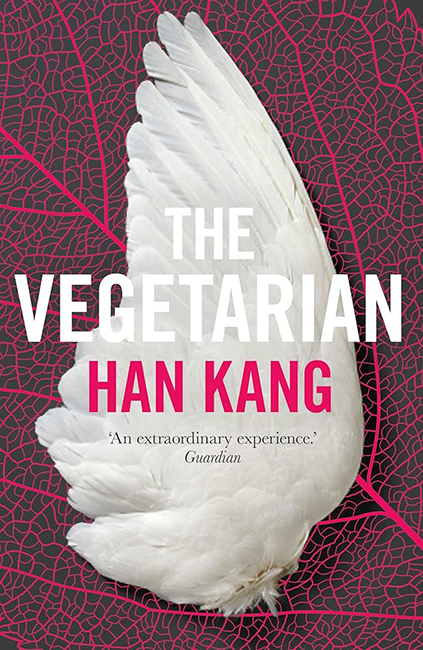
The Vegetarian by Han Kang, translated by Deborah Smith
When Yeong-hye, a docile housewife, abruptly turns vegetarian after a harrowing nightmare, her family is thrown into turmoil. But her refusal to consume meat is merely a symptom of a deeper rebellion against the constrictive norms imposed upon her.
The novel is divided into three parts—the first details the conflicts arising from her switch to vegetarianism, the second explores her brother-in-law’s growing obsession with her and her body, and the third, narrated by her sister, recounts the aftermath of Yeong-hye’s mental breakdown and hospitalisation. Through Yeong-hye’s journey, Han Kang offers a scathing critique of a culture that objectifies and consumes both animals and women. The Vegetarian offers a layered and surreal exploration of themes like violence, beauty, desire and mental illness.
Love in the Big City by Sang Young Park, translated by Anton Hur
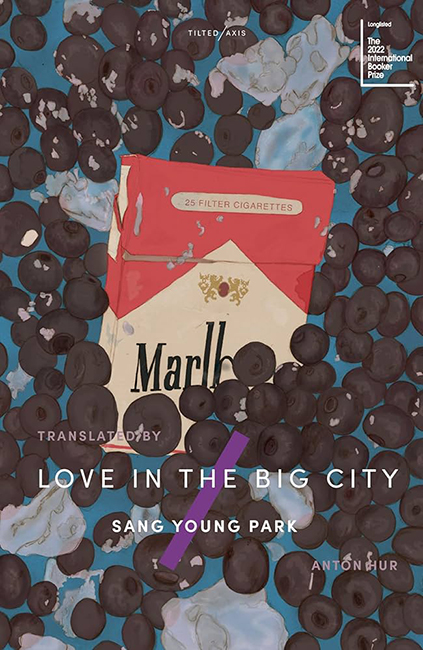
Love in the Big City by Sang Young Park, translated by Anton Hur
This bestselling queer coming-of-age novel offers a vivid portrayal of loneliness and isolation in a fast-paced urban landscape. Through a series of interconnected vignettes, the book explores the life of Young, a cynical yet deeply yearning protagonist, as he navigates love, friendship, and identity in Seoul. From his early university days with his close friend Jaehee to his more complicated romantic entanglements, Love in the Big City captures the highs and lows of queer life in the city.
This novel’s raw and honest depiction of Young’s vulnerabilities and desires makes him a compelling and complex character with a profound need for connection. And if you’re as captivated by the novel as thousands of readers are, there’s also an upcoming screen adaptation to look forward to.

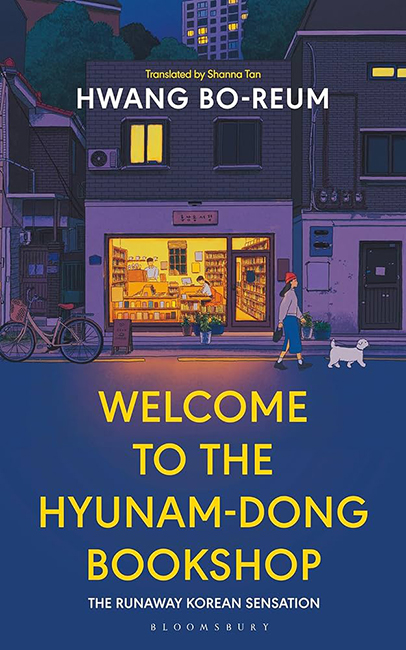
Welcome to the Hyunam-Dong Bookshop by Hwang Bo-reum, translated by Shanna Tan
Have you ever wanted to give it all up, move to another city, and open a small bookstore? Well, the protagonist of Welcome to the Hyunam-Dong Bookshop does just that in this tender account of human connection and the restorative power of literature. After years in the fast-paced corporate world, the unnamed protagonist seeks refuge by opening a small bookstore in a quiet residential neighbourhood in Seoul.
The shop becomes a sanctuary for a diverse cast of characters, each grappling with their own challenges. Through the shared love of books, these individuals find solace, understanding, and a renewed sense of purpose. The novel celebrates the transformative potential of storytelling and the importance of community.
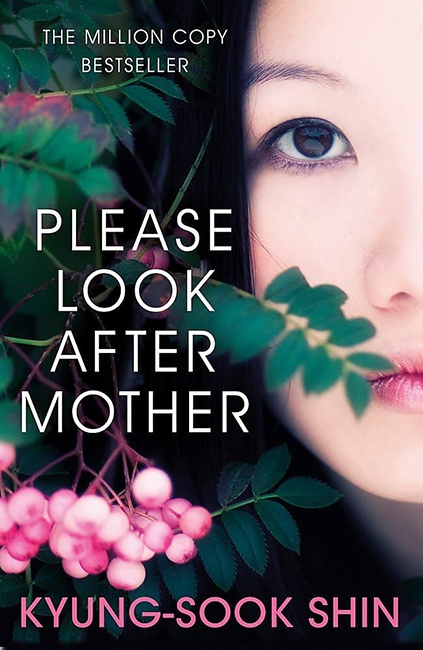
Please Look After Mom by Kyung-sook Shin, translated by Chi-young Kim
This novel begins with the disappearance of 69-year-old Park So-nyo, a devoted mother whose absence forces her family to confront the gaps in their understanding of her life. As they search for her, they are struck by the realisation of how little they know about the sacrifices she made and the depth of her love.
Through the perspectives of her husband, daughter, son, and even Park So-nyo herself, the novel delves into themes of familial guilt, regret, and the often-unseen emotional labour of motherhood. It poses profound questions about how well we truly know the ones we love and the ways in which we come to understand and appreciate their sacrifices.

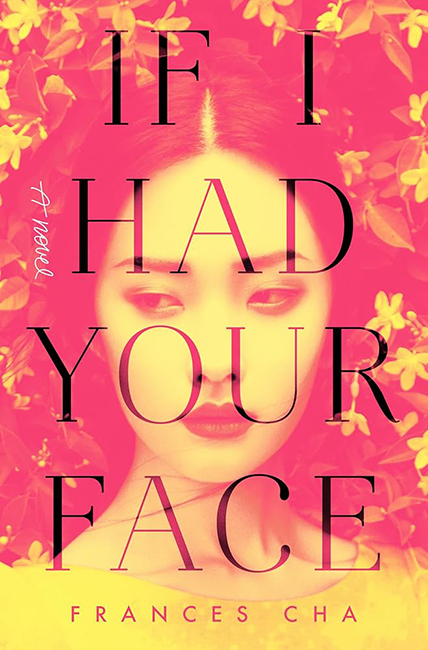
If I Had Your Face by Frances Cha
Frances Cha’s pacy debut explores the interconnected lives of four women living in the same Seoul apartment building as they navigate a society obsessed with beauty and status. From the glamorous world of K-pop to the gritty reality of ‘room salons’—where hostesses entertain wealthy businessmen—these women grapple with their desires and societal expectations while striving to make ends meet.
The novel focuses on Ara, a K-pop trainee under intense pressure to meet an idealised image; Kyuri, a room salon hostess balancing her dreams with the harsh realities of her job; Miho, who has undergone multiple plastic surgeries in pursuit of perfection; and Wonna, an artist’s wife dealing with personal sacrifices and seeking her own fulfilment. Through their stories, Cha critically examines South Korean culture and themes of identity, friendship, and the pursuit of happiness.


Almond by Won-pyung Sohn, translated by Sandy Joosun Lee
This book about a boy with no emotions manages to evoke several in the reader. Yunjae, the novel’s protagonist, has a condition called alexithymia, or emotional blindness. His once-pleasant life is shattered on his 16th birthday after an attack on his caregivers leaves him alone in the world. At school, he faces derision for not “feeling” anything after the loss of his family but manages to strike an unlikely friendship with Gon, his former bully.
In Gon, he finds what he lacks: a spectrum of uncontainable emotions. The book seamlessly shifts between being sad and hopeful as the duo navigates Yunjae’s emotional detachment and his efforts to understand those who feel it all.
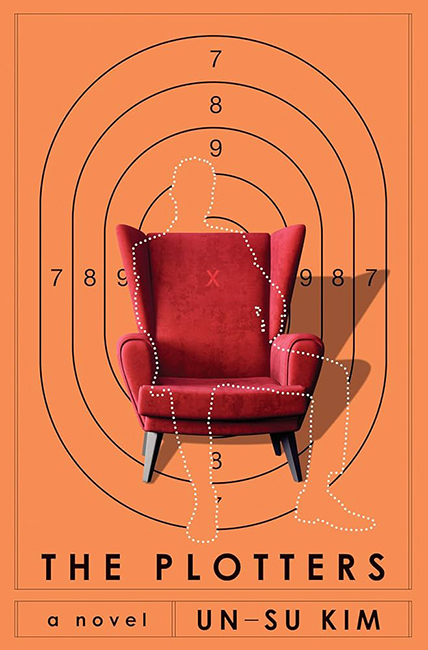
The Plotters by Un-Su Kim, translated by Sora Kim-Russell
In this darkly comic thriller, set in an alternate Seoul where assassination is a legitimate profession, Reseng, a skilled assassin, is disillusioned with the changing industry and its new, less scrupulous players. His world is upended when he becomes entangled with an unusual trio: a convenience store clerk, her wheelchair-bound sister, and a cross-eyed librarian.
As Reseng’s interactions with them unfold, he finds himself questioning the integrity of his profession and the city he once thought he knew. The novel delves into themes of loyalty, betrayal, and identity, blending action, humour, and philosophical inquiry in a fresh and engaging take on the crime genre.

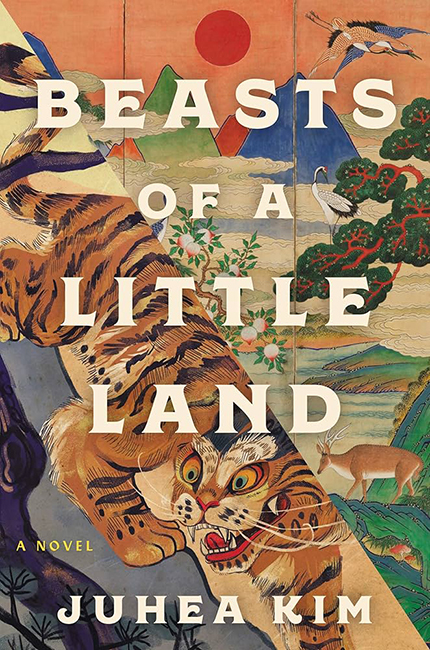
Beasts of a Little Land by Juhea Kim
Juhea Kim’s Beasts of a Little Land is a sweeping historical saga that weaves together the lives of two characters against the tumultuous backdrop of 20th-century Korea. Beginning in 1917, the novel spans several decades, capturing the dramatic changes brought about by Japanese occupation, the Korean War, and the eventual division of the peninsula.
At the heart of the story are Jade, a young girl sold into a courtesan school, and JungHo, an orphan boy drawn into the fight for Korean independence. Their lives intersect and diverge amidst the chaos of war, political upheaval, and personal loss. Through their intertwined journeys, the novel explores profound themes of love, loss, identity, and the enduring human spirit, offering a rich and emotional portrait of a nation in transition.

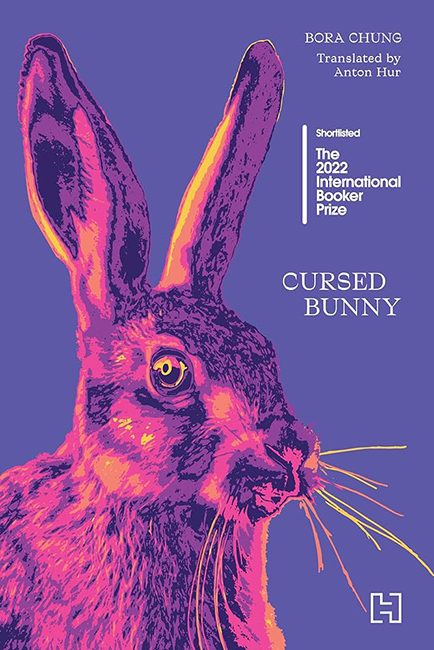
Cursed Bunny by Bora Chung, translated by Anton Hur
A Tweak x Crossword Book Club recommendation, Cursed Bunny is a disturbing and provocative collection of short stories that delves into the dark underbelly of contemporary society. Chung employs a surreal (and often grotesque) lens, incorporating bizarre narrative elements such as a seemingly innocent bunny-shaped lamp, a cursed toilet and an odd pregnancy to explore themes of consumerism, sexism, and the erosion of individuality.
By using dark humour and unsettling imagery to comment on modern culture’s dehumanising effects, Chung challenges readers to engage with the book’s thought-provoking explorations of societal issues that promise to linger in your mind.
Representative feature image: Still from ‘RM, The Reader‘ by DAZED Korea