

10 quick reads that will kick your reading slump in the bum
Save this list to meet your reading goals
You’re just over a week into the new year, and that ‘read more’ resolution you made has already started to feel impractical, like running a marathon in chappals. But there are many ways to be ‘well-read’ (we get into it here), and there’s no need to sweat it out like you’re in a literary boot camp just yet.
Enter quick reads: page-turners with well-crafted narratives and satisfying plots that are a surefire way to get your reading mojo back, without committing to a Tolstoy novel. Think of these books as the ultimate cheat code that will give you a head start on your reading goals, or at the very least, act as a catalyst to reignite your journey.
Some are under 200 pages while others go longer, but have plots that keep you reading on the edge of your seat. Because it’s not just about ticking off a checklist, but rather a portal to escape into any world you desire—a specific time in history, a mind-bending sci-fi universe or a whirlwind romance.
So let these quick reads gently nudge you back into the delightful habit of reading, minus the relentless clock-watching.
10 quick reads you’ll breeze through

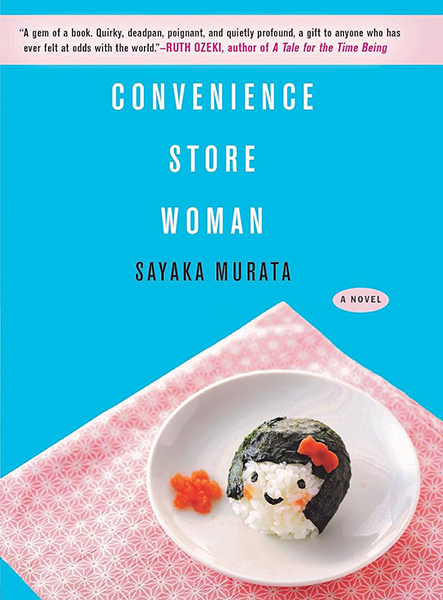
Convenience Store Woman by Sayaka Murata
Keiko Furukura, a 36-year-old resident of Tokyo, has worked at a convenience store for 18 years. Murata’s novel delves into Keiko’s unconventional life (stacking groceries at an age when she ‘should’ be married with babies), and deep attachment to the store which she sees as a safe haven. As societal pressure mounts for her to find a ‘normal’ job and lead a conventional life, Keiko grapples with the idea of changing to fit in. While not explicitly stated, it is insinuated that she’s on the autism spectrum.
The novel explores themes of societal pressure, conformity and the value of work. It has been praised for its weird and darkly comic narrative style, and offers a humorous take on gender politics and social expectations.

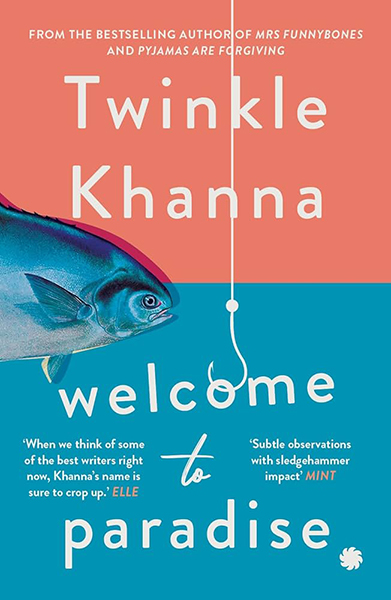
Welcome to Paradise by Twinkle Khanna
Tweak India founder and author Khanna returns with a collection of five short stories, each centred around a female protagonist. The book navigates themes of loneliness, heartache, grief and joy, while blending in Khanna’s quintessential dry humour and insightful reflections on human behaviour. These stories unravel the complexities of human relationships but stay clear of melodrama, instead diving into the inner workings of its characters, and their often questionable choices.
We see a clash between ‘Team Cemetery’ and ‘Team Crematorium’ in one story, a court petition for euthanasia in another, an exploration of intergenerational friendships, and more.

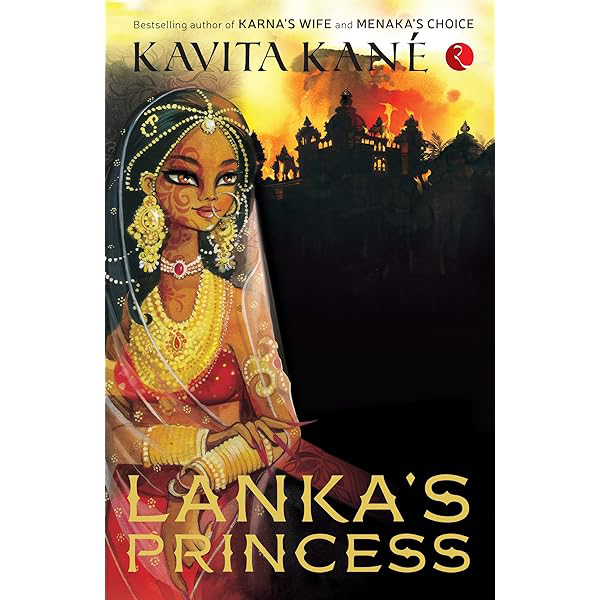
Lanka’s Princess by Kavita Kané
Dive into the life of Surpanakha, often considered a key instigator in the Ramayana. Kané gives us a fresh and nuanced perspective of Surpanakha’s character, going beyond her typical depiction as a one-dimensional antagonist.
The novel retraces her upbringing, desires and the events that shaped her to become the character we encounter in the epic. It provides insights into her relationship with her siblings, particularly her brothers Ravana and Vibhishana, and sheds light on the complexities of familial bonds.
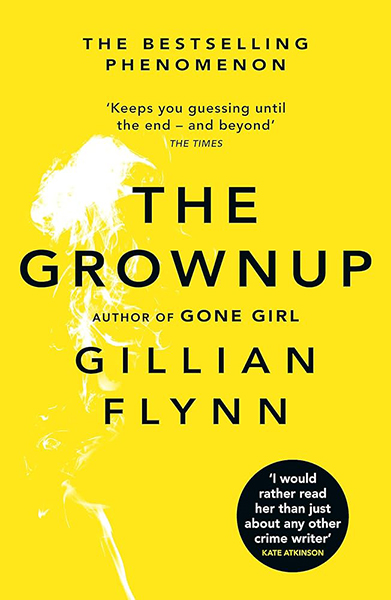
The Grownup by Gillian Flynn
A nameless narrator, you could call her a con artist, will do anything it takes to get by, such as being a self-proclaimed psychic and reading tarot. As our narrator becomes involved with a mysterious family, the novel quickly escalates into a modern take on the classic haunted house trope. Is the book a thriller? Or is there something supernatural going on?
Flynn has created a layered narrative that explores themes of identity, deception and the dark side of human nature, all in a very short novel.

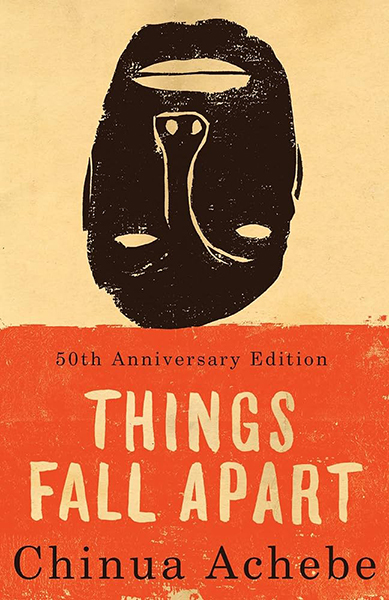
Things Fall Apart by Chinua Achebe
Warrior Okonkwo is a man of action, and leader of the thriving Umuofia tribe. He’s worked hard to shed the baggage of his do-nothing father but sees glimpses of his father’s behaviour in his son, Nwoye.
Things Fall Apart is a portrait of Africa at the onset of colonisation. Exiled from the village for seven years after losing his temper and beating one of his wives, Okonkwo returns to his home, which is now also home to Christian missionaries.
How does this fallen leader reconcile his history and tradition with the now-changing tribe? Will his peers stand up with him and fight this new enemy, or will they succumb?

The Stranger by Albert Camus
Camus’s existential classic explores themes of absurdity, alienation and free will through the story of Meursault, a detached and indifferent Algerian Frenchman living in Algier.
The novel begins with the death of Meursault’s mother. As the story progresses, a series of events lead him to commit a seemingly senseless act of violence, and is followed by his trial. The societal condemnation he faces is not so much for the crime itself but for his perceived lack of appropriate emotional response.
Meursault’s apathetic and detached demeanour challenges societal norms, leading to philosophical reflections on the nature of existence. Camus uses Meursault to question the meaning and purpose of life in a universe that often appears indifferent and irrational. The novel contemplates the moral consequences of one’s actions in a world that can seem both meaningless and profound.

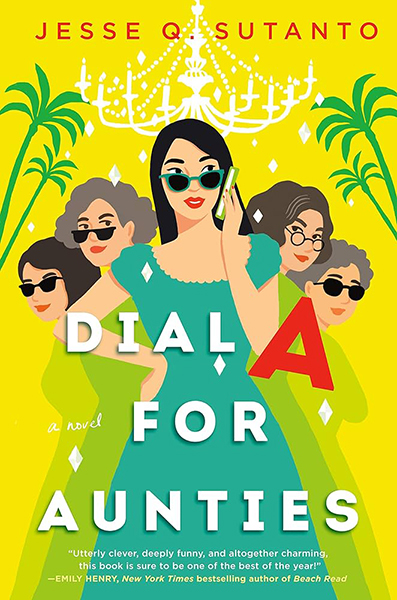
Dial A for Aunties by Jesse Q Sutanto
When Meddelin Chan accidentally kills her blind date, she enlists the help of her mother, who in turn rings up a posse of Asian aunties to help dispose the body. But getting rid of a body is not easy, and in this case, they accidentally ship it off in a cooler towards a grand wedding they’ve been hired to plan.
As chaos unfolds, the family is caught in a series of hilarious and unpredictable situations while trying to organise the wedding. Amidst the preparations and mishaps, ‘Meddy’ navigates romantic entanglements (an ex pops back up) and grapples with the family expectations that accompany children of Asian descent.
This novel is longer than the others on this list, but you’ll breeze through it for its cultural relatability.

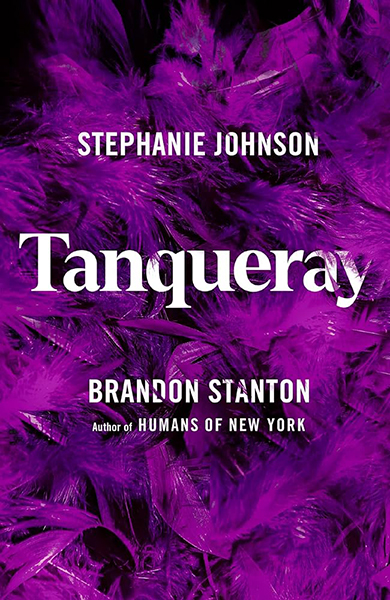
Tanqueray by Brandon Stanton and Stephanie Johnson
In 2019, Brandon Stanton, creator of the Humans of New York photo project, posted what became the longest series on his website. It was a photograph of Stephanie Johnson, who became known to readers as ‘Tanqueray’, and was one of the city’s most popular burlesque dancers.
The massive success and intrigue of those posts led to the creation of this book, which dives into Johnson’s life. This deeply touching and occasionally disturbing memoir encompasses a brutal childhood, and Johnson’s subsequent immersion in the world of go-go dancers, hustlers, dirty cops and gangsters.
Filled with personal photos from her collection and glimpses of New York City in the 1970s, this book shows us exactly why all the (right and) wrong people knew who Tanqueray was.

Wide Sargasso Sea by Jean Rhys
Rhys’ novel serves as a prequel to the classic Jane Eyre. It explores the life of Antoinette Cosway, who becomes the infamous ‘madwoman in the attic’ in Brontë’s work, in 19th-century Jamaica.
The novel dissects her complex identity as a mixed-race woman caught between the conflicting cultural expectations of her Creole heritage, and the influence of British colonialism. It offers Antoinette’s perspective on her upbringing, her troubled marriage to Mr Rochester, and the events leading to her eventual descent into ‘madness’.
This postcolonial reimagining of Antoinette as Bertha Mason, who Rochester designs to his liking, gives voice to a marginalised character that is silenced in Jane Eyre.
Warning: It might upset Eyre stans and make you fume at how men treat women.

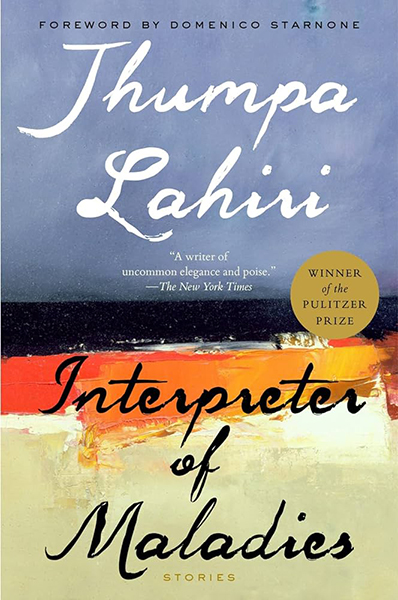
Interpreter of Maladies by Jhumpa Lahiri
Explore the lives of Indian immigrant families living in the United States with this collection of short stories. Set between the US and India, the stories deal with themes of cultural dislocation, identity and emotional intimacy.
The characters present different perspectives of the Asian diaspora experience, from young children and married couples to centenarian protagonists who struggle with communication, connection and belonging. Lahiri’s exquisite storytelling captures the nuances of human relationships, and the challenges of navigating multiple worlds that often clash with each other.
Published in 1999, the book has won the Pulitzer Prize for Fiction and the Pen/Hemingway Award, and was chosen as The New Yorker’s Debut Book of the Year.