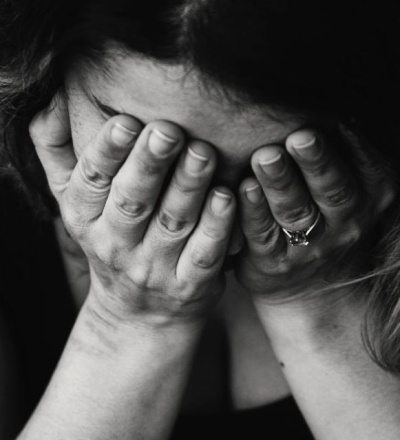



Are we tracking our way to better health, or just more stress?
The stress behind the streak
My mornings usually begin with a number. Before I brush my teeth, just after I get out of bed, I check my sleep score. If it’s above 90, I feel smugly well-rested, like the day is already off to a winning start. Below 90, and I’m trying to figure out what sabotaged my night. Too much screen time? Dinner too late? Stress? I know exactly how many minutes I spent in deep sleep and how many times I woke up. Even my husband asks for my score daily as soon as he wakes up. It has become our morning news.
I also know I’m not the only one. We are living in the golden age of health tracking. We count steps, log calories, measure hydration, track periods, monitor stress, and even check how ‘focused’ we were in the last hour. Our wrists buzz more than our phones.
India, especially, has embraced this culture rapidly. A 2025 PwC India report found that 80% of consumers now use at least one healthcare app or wearable device for personalised wellness tracking.


The promise of data
For many, especially those who lead sedentary work-from-home lifestyles like me, these devices feel like a way to stay informed and in control. A study looked at 1,768 people to understand why. It found that self-monitoring has real strengths, it helps people see their problem habits, gives concrete feedback, encourages reflection, builds responsibility and creates awareness about their health.
“Tracking makes the invisible visible, turning vague sensations into something identifiable and actionable. It helps women understand their bodies better and feel confident about taking charge of their well-being,” says Dr Ajit Dandekar, head of mental health (psychiatry, psychology) at Nanavati Max Super Speciality Hospital, Mumbai.
This is the promise. Know more, do better. But that’s not always how it works.

When the numbers start to take over
“In many cases, tracking has become another way to chase perfection,” says Noida-based general practitioner Dr Rachna Kohli. “Perfect sleep, perfect diet, perfect fitness. People feel they must hit certain numbers to feel like they are doing well.”
This is where anxiety begins. For instance, Bengaluru-based software engineer Priya Nair, 31, bought a smartwatch to be more active. “Now I need to close my rings every day,” she says. “If I don’t, my day feels incomplete. It is mentally exhausting.”
There is even a term for this: notification fatigue. It’s a burnout from constantly monitoring yourself. On top of that, there is information overload. Almost everyone now turns to the internet to interpret every outlier data point that the wearable logs. A 2025 study found that 98% of people now use search engines for health queries, and one in five turns to AI chatbots to understand symptoms. Add influencers, wellness hacks, and apps that gamify progress, and now you just have confusion instead of clarity.
“People are losing touch with what their bodies are actually saying,” says Dr Kohli. “If the tracker says you slept poorly, you start feeling tired. If it says you slept well, you ignore your real exhaustion. It is a strange reversal. People have outsourced their internal cues.”
Kochi-based marketing manager Diane Vaz, 42, recounts the day when she understood this. It was when she was pacing around her living room at 11.45 pm to hit exactly 10,000 steps. She was exhausted, but the number felt non-negotiable. “The guilt was real,” she says. “If I didn’t hit the target, the day would have felt wasted. I knew I wouldn’t be able to sleep.”
But the flip side is just as common. The dependence can get so strong that if the device is uncharged or forgotten at home, the workout suddenly feels pointless, or gets skipped altogether.


When tracking creates confusion instead of clarity
This comes up often in reproductive health because period and fertility apps tell a similar story. “Your cycle is late.” “Ovulation begins soon.” “Expect PMS.” It begins to feel like our bodies are supposed to behave like machines operating on fixed timelines. “Technology should assist you in connecting with your body, not controlling it,” says Dr Dandekar.
“Period and fertility tracking apps rely on algorithms, not hormonal data. They can miss irregularities and overpredict patterns,” adds Dr Surabhi Siddhartha, consultant obstetrician and gynaecologist at Motherhood Hospital, Kharghar.
She recalls Riya Sharma (name changed), 29, from Pune, who became anxious when her app showed irregular ovulation patterns. She began fearing reproductive problems. On medical examination, everything was normal. The algorithm was simply over-interpreting. “Cycles shift with stress, travel, sleep changes, and this is completely normal,” says Dr Siddhartha. “Use apps to notice patterns, not as diagnostic guides. Over-reliance can create stress where none existed.”
The paradox is clear. We started tracking to feel informed. Instead, many of us feel judged by our own devices.


When tracking actually helps
Here’s the thing: tech isn’t the villain. Wearables have genuinely helped people detect irregular heartbeats, monitor blood glucose, and stay more active. The problem is not the tool. It is how we use it.
“Tracking works when it supports intuition. It works when data is reviewed weekly, not every hour; when goals are flexible, not rigid; and when numbers guide, but do not dictate behaviour,” says Dr Kohli.
It’s why some people now practice a “data detox”, a few days or weeks without tracking anything. Others set boundaries, like checking stats only once a day. And some simply opt out entirely.
Aditi Sharma, 31, a media professional from Lucknow, deleted the calorie-tracking app on her smartwatch after realising it controlled her day. “I couldn’t eat a banana without logging it. I was thinking about food constantly. It took the joy out of eating.”

I recently tried stepping away too. I stopped wearing my smartwatch for a month. In the beginning, I felt oddly disconnected. Then gradually, something clicked back in. I slept when I was tired, not when my watch said I had to. I moved because it felt good, not to meet a target. The awareness returned, the quiet kind that lives in the body, not the screen.
Now I treat my wearable like a tool. I use it when I want information, not validation. If it’s charged, great. If not, I go for my walk anyway.
Maybe that is the real flex. Not perfect data, but peace. Because health has never been a number. It is not a score. It is not rings, badges, streaks, or targets. It is knowing when to rest, when to move, when to eat, and when to simply let the day be what it is.
So, if your tracker says your sleep score is low today, stretch, make yourself a cup of coffee, and carry on. If your body feels fine, you’re doing just fine.