


“Breast cancer is not a dead end, it is just a pause”
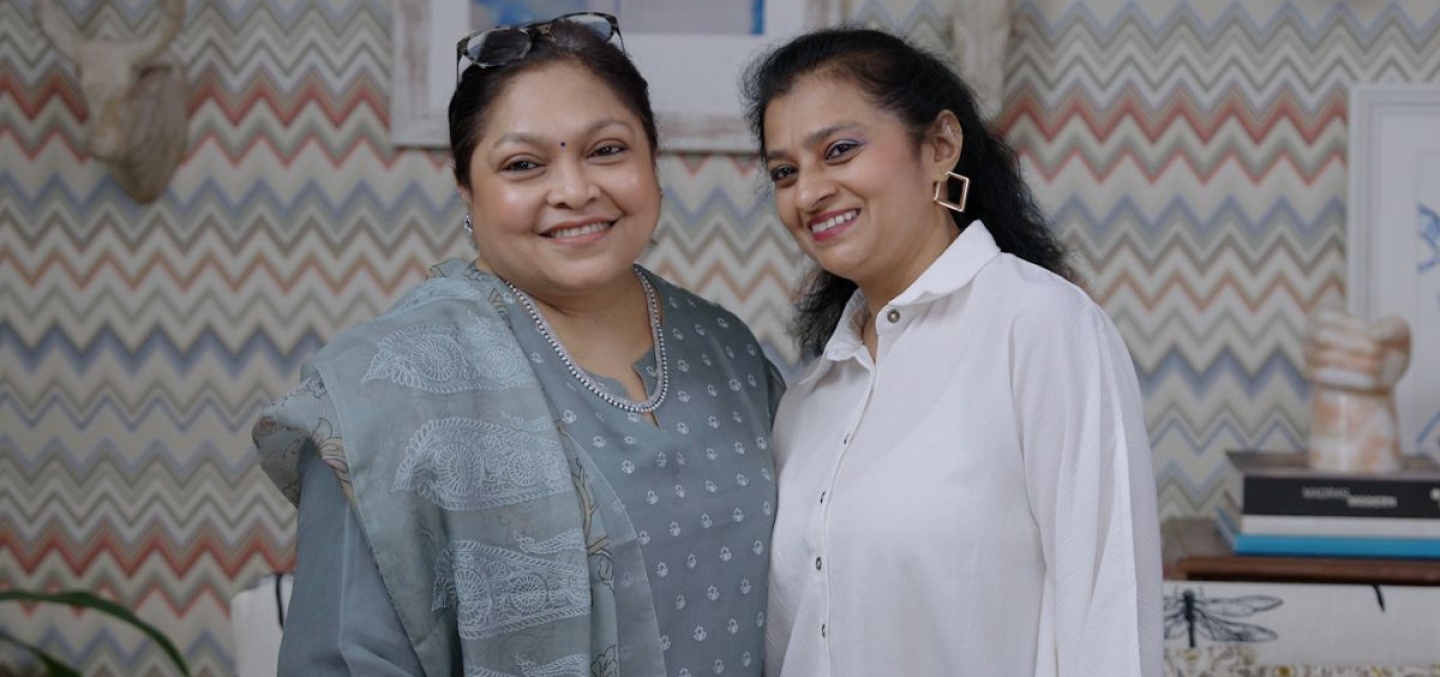
Two women who chose to befriend their cancer journey, instead of battling it
Breast cancer doesn’t knock before entering. Rather, it tiptoes its way into your body and changes the course of your life. Regular check-ups may help predict its arrival, but its presence still looms over and feels heavy to those diagnosed with it. In India, breast cancer is the most common type of cancer among women. According to data from the Global Cancer Observatory, it accounted for 26.6% of all cancer cases among women in the country in 2022. But hidden behind these numbers and statistics are innumerable stories of courage and resilience.
Vrinda Vinod Thakker, a 42-year-old Mumbai-based fitness coach, was living her best life—training students, practising yoga and pushing herself to achieve her career goals. In December 2021, after returning from the Chandrashila trek in Uttarakhand, she noticed a lump in her breast. Following a few tests, she was diagnosed with breast cancer.
Like Vrinda, Mumbai-based eye surgeon and vitreo-retinal surgeon Dr. Sonal Lakdawala Jadhav was also unexpectedly diagnosed with breast cancer in February 2021 at the age of 48. She hadn’t experienced any symptoms until she noticed a breast lump and a mammography confirmed the diagnosis.
From overcoming their fears during the treatment to navigating life after, the women share how life with breast cancer taught them humility, self-love and lessons in positivity.

The moment of action
After the initial shock, acceptance followed. Dr. Sonal decided to treat cancer not as an enemy, but a companion, choosing to embrace her journey rather than wage a war. “I would tell my tumour respectfully that you’ve been in my body for a while, but it’s now time for you to leave,” she says.
It was this positive disposition that drove her to continue her medical practice during the treatment. After getting clearance from her oncologist, Dr Sonal would work for a few hours at her clinic. “My work kept me going during this time. I would rest for 10 days, then work at my clinic for a few hours the next 10 days,” she says.
Vrinda, who was given targeted therapy after chemotherapy, also felt empowered to live life on her own terms, and retain a sense of normalcy. She informs that after exploring all options, her doctor recommended subcutaneous injections. “I didn’t have to stay in the hospital for hours, which gave me more time to enjoy my life. In fact, when I was worried I won’t be able to participate in the dance performance on cancer day, my doctor assured me that I didn’t have to hold myself back,” she says.
For both women, their doctors guided them at every step about the right treatment. Dr. Sonal shares, “With precision oncology, cancer treatment has grown leaps and bounds. I underwent chemotherapy to shrink the tumour, which was followed by a lumpectomy to remove it. I was then given targeted therapy through subcutaneous injections, which is a quick outpatient procedure. It enabled me to get back to work or even fly out of the country the same night.”
Rediscovering themselves
With the breast cancer treatment came some changes in the body, including hair loss. But these women were not the ones to be held back. They rediscovered themselves, and found renewed love and appreciation for their bodies. “You lose your eyebrows and eyelashes too, and I couldn’t see myself in a mirror,” says Dr Sonal. “The hair is your ego, but sometimes diseases like these teach you to be humble.”
Vrinda’s hair was her pride, so when she began losing it during treatment, she decided to take control. Surprisingly, her mother and a friend joined her in solidarity, also cutting their hair and donating it to cancer patients.“We were born without hair, and this felt like getting another life,” she shares. “Trust me, you feel two kilos lighter after you’ve lost all your hair.”
Dr Sonal also took the change in her stride and took the transition positively. “When I started getting my hair back, I tried different hairstyles such as the boy cut, which I wouldn’t have done otherwise.”
Looking back
Besides physical changes, these two warriors also prepared to mentally change their outlook towards life. Vrinda took a break from her active lifestyle as she made peace with a slower pace. Her optimism became the boat that helped her cross the river. “Science has not stopped evolving, so, why should we stop living? This six-letter-word [cancer] is not a dead end; it is just a pause,” Vrinda says.

While Dr Sonal preferred to keep her journey private until recently, she now wants to play an active part in raising awareness for early diagnosis. “We need to take care of our bodies. Women over 40 should go for mammography, sonography and PAP smear every year, because early detection can solve half the problem,” she advises.
Disclaimer: Issued in public interest in partnership with Roche Pharmaceuticals India. This information is for awareness only. Please consult your doctor for more details.