

A diagnosis that changed my life
She was prescribed an HIV test. Turns out it was type 1 diabetes
It was 2010 when I started my career as an editor at a Delhi publishing house. I dressed bohemian, listened to Adele, and binged on house music while commuting by the Delhi Metro.
I was enthusiastic, a quick learner and meticulous. I loved catching up with friends and sipping on iced coffee from the omnipresent Cafe Coffee Day. I enjoyed spending weekends at karaoke pubs and social nights at Turquoise Cafe. I loved going on random city walks, capturing its vibe through my camera. Ever since my college days at Miranda House, I have been a creative soul and have planned to explore the world as a writer. Spontaneity fueled me.
The symptoms and diagnosis
I had just switched jobs for a better opportunity when my body suddenly started revolting. I had lost an inexplicable amount of weight and looked like Kareena’s size zero version, all while indulging in desserts and getting high on energy drinks. I had the constant urge to pee, and was thirsty and sleepy all the time. I would take bathroom breaks and sleep on the toilet seat of my office. It was nearly impossible to keep my eyes open. I had fruity breath. My eyelids would stick upon waking up in the morning, my skin felt itchy and dry. I got a yeast infection and was prescribed an HIV test.
Words won’t do justice to my reaction as a 23-year-old who lived in a nosy, North Delhi neighbourhood. Over the course of a few months, I had gone to multiple doctors and was prescribed numerous tests. One of them was the ‘trending’ swine flu one and another was the fasting blood sugar test. One day, I just couldn’t get out of bed. I was drained. I pushed myself to go out and get the reports for my blood work. As he handed me the reports, I vividly remember the lab guy saying, “Apki sugar toh bohot high hai. (Your sugar levels are very high)”.
A few hours later, I was hospitalised.
I was diagnosed with type 1 diabetes, an autoimmune disease where the pancreas stops producing insulin, and the patient requires artificial insulin for life. This disease was probably overlooked by doctors because diabetes is considered a lifestyle-related disease among the elderly and people suffering from obesity. I wasn’t either.
I was now on a low-carb and zero-sugar diet with insulin shots before every meal. My meal times had to be consistent and my portions controlled. I had to test my blood sugar level five or six times a day to keep it in check.
I was sitting on the hospital bed playing chess and planning my next move to save the queen while explaining my diagnosis to visiting family and friends. I was clueless about what had hit me, but it felt like a whirlwind – my life had a new type and it was type 1 diabetes.
The challenges and stigmas
I check my sugar levels multiple times a day to avoid hyperglycemia or hypoglycemia. I’ve educated myself to think like a pancreas to match my insulin requirements to my food intake, which isn’t easy. I am aware of the long-term complications, but I don’t obsess over it. I believe in the power of atomic habits and being consistent. Many ask me if I ate a lot of sugar to get type 1 diabetes. That, of course, is a myth. Type 1 diabetes is caused by genetics and viruses. My fluctuating sugar levels have a direct impact on how energetic I feel, but I’ve learned to keep unnecessary complications at bay and keep doing the things I love.
Over the years, numerous myths and stigmas have been attached to type 1 diabetes due to its rarity and lack of awareness of the disease. I found a community of children, youth and elderly with type 1 diabetes, where people share their journey and support each other. Social stigmas, such as fewer employment opportunities due to employer reluctance and limited proposals for marriage, are not uncommon. The lifetime dependency of a diabetic on costly insulin supplies and sugar monitoring aids is also a pressing concern that can’t be ignored.
It’s important to have a strong support system. No matter where I am, I never forget to consult my endocrinologist. “Insulin is a lifeline for diabetics and good glucose control is a must for a better quality of life. A diabetic can live a healthy life, plan a family and pursue their dreams,” says Dr Amrita Ghosh, Fortis Hospital, Delhi.
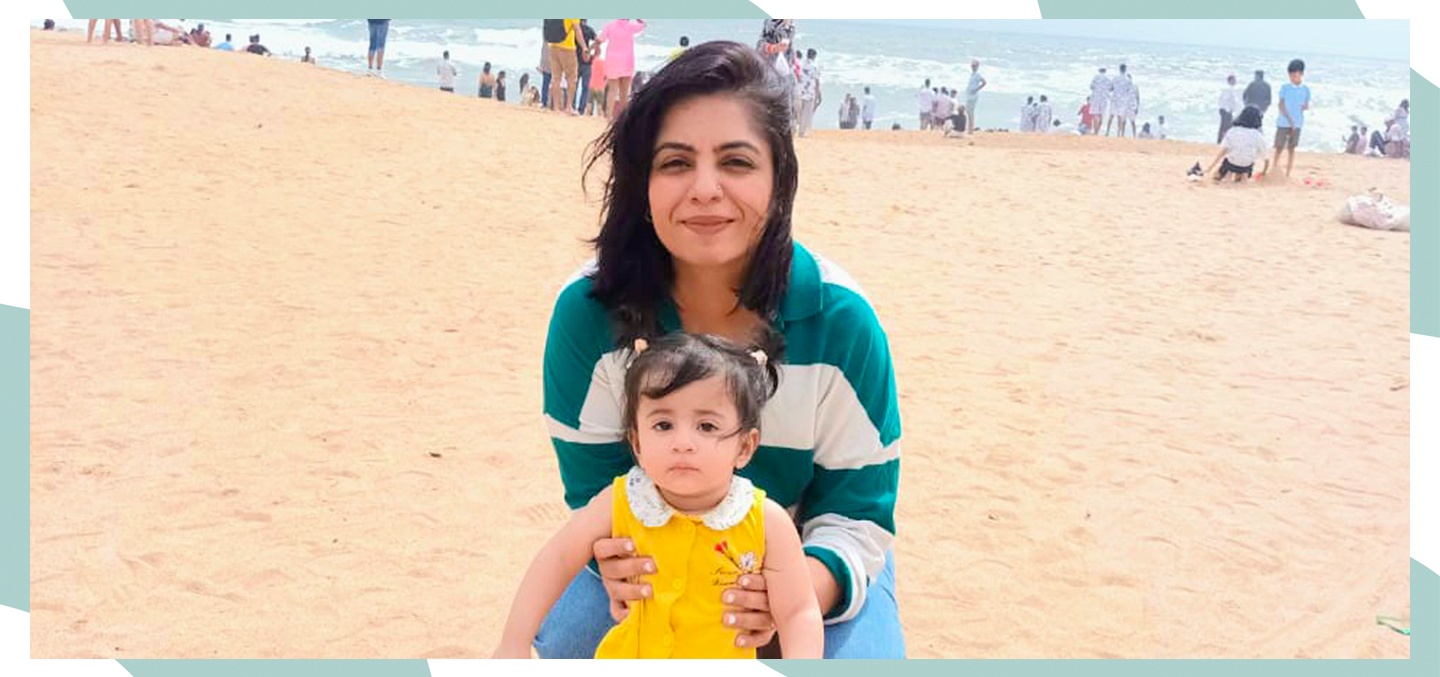
As I write this, I am watching my two-year-old daughter make a sand fort at the beach. She kisses me every time I give myself an insulin shot. I am learning to live the susegad (slow, laid-back) life. I am getting back to work as a writer and brand consultant. I am excited to see my life unfold as I turn my dreams into reality. My husband sees the challenge of type 1 diabetes as an opportunity to live healthy as a family. For us, a good life is taking one decision at a time, living consciously and wholesomely.