

‘Period poop’ is the worst, here’s how experts say to deal with it
When your digestive system is on an emotional rollercoaster
It’s tough to describe period poop without channelling Eminem’s ‘Lose Yourself‘—sweaty palms, weak knees, heavy arms. On the surface, you’re holding it together, but deep down, every bathroom trip feels like stepping into the ring with a gut that’s staging its own rebellion. One moment, you’re cradling your trusty garam paani ki botal, and the next, it’s a full-blown digestive drama. Your body isn’t just menstruating; it’s multitasking in chaos mode that feels like you’re giving birth from your bum, cold sweats, heaving and wishing your commode came with seatbelts.
The culprit behind this monthly gastrointestinal chaos is hormones, specifically prostaglandins. Prostaglandins are hormone-like substances that regulate various bodily functions, including inflammation, blood clotting, and even uterine contractions. Dr Asha Dalal, director of obstetrics and gynaecology at Sir HN Reliance Foundation Hospital, Mumbai, explains, “Hormonal fluctuations during menstruation—mainly increased prostaglandins—can trigger changes in the digestive system. These chemicals, which cause uterine contractions, also affect the intestines, leading to more frequent bowel movements. Additionally, a drop in progesterone during this time can further stimulate the digestive system.”
These hormonal changes influence gut motility—the speed at which things move through your digestive system. Some women face loose motions, while others are stuck with constipation, depending on how their body reacts to these shifts.
“Women with diarrhoea might have a stronger response to prostaglandins, while slower bowel motility due to progesterone changes could lead to constipation. Individual differences in hormone levels, lifestyle, and underlying health conditions like IBS or endometriosis also play a role,” says Dalal.
What’s diet got to do with it?
Your diet before and during your period plays a significant role in how your gut behaves. Whether you go the diarrhoea or constipation route, Dalal says, “A fibre-rich diet with whole grains, fruits, vegetables, and nuts can regulate bowel movements, while antioxidants and anti-inflammatory foods can ease discomfort. Staying hydrated is essential. Avoid excessive sugar, caffeine, and processed foods, as they may worsen bloating.”

Payal Kothari, integrative nutritionist and founder of GutAvatar suggests anti-inflammatory foods like leafy greens, ginger, turmeric, and omega-3s. She warns against spicy foods, high-fat meals, and dairy, which can exacerbate bloating, diarrhoea, or cramps. So, while devouring your late-night Chindian fix might be comforting, it could leave you regretting it the next day.
Traditional remedies like ajwain water or a pinch of hing dissolved in warm water can also help. “Ginger tea, ajwain water, cumin water, and curcumin tablets reduce bloating, soothe cramps, and improve overall digestion,” says Kothari.
Are some periods poopier than others?
Yes, some cycles hit harder than others. Stress, lack of sleep, or conditions like endometriosis, polycystic ovary syndrome (PCOS), or irritable bowel syndrome (IBS) can intensify period poop woes.
“In endometriosis, tissue similar to the uterine lining grows outside the uterus, often affecting the bowel. Hormonal changes exacerbate IBS symptoms, while insulin resistance tied to PCOS can influence gut health,” notes Dalal.
Painful bowel movements during menstruation are often an extension of menstrual cramps, thanks to prostaglandins. “These chemicals, which trigger uterine contractions, also affect the intestines, increasing sensitivity. This can be particularly painful if there’s pre-existing inflammation or conditions like IBS,” explains Dalal.
What can you do to ease the pain?
Thankfully, there are ways to manage period poop without suffering in silence.
- Dietary changes: Focus on fibre-rich and anti-inflammatory foods while avoiding triggers like caffeine and processed foods.
- Hydration: Drink plenty of water to reduce bloat and keep your system moving smoothly.
- Exercise: Light exercise or yoga can help with cramps and digestion.
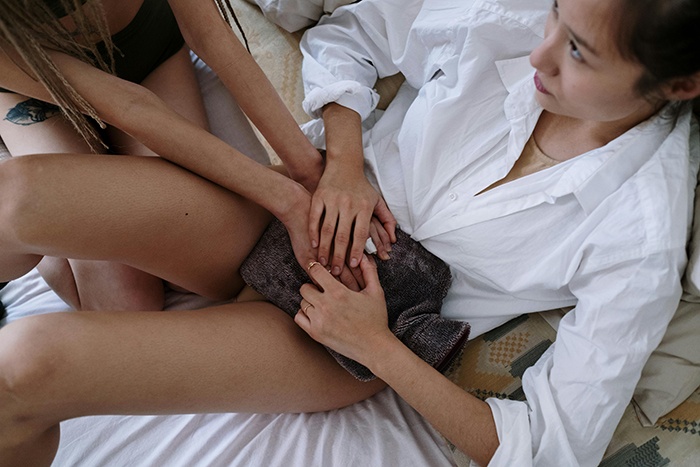
- Heat therapy: A trusty hot water bottle on your belly can soothe both uterine cramps and gut discomfort.
Kothari also recommends tracking symptoms and consulting a healthcare provider for personalised advice if dietary and lifestyle changes don’t help. Over-the-counter medications for cramps can offer relief, but always consult a doctor before trying new treatments.
The embarrassment of discussing period poop shouldn’t outweigh the discomfort it causes. It’s as much a part of menstruation as cramps and mood swings. Addressing it openly and making lifestyle changes can help you manage the chaos.
This story is for educational purposes only. If you experience severe pain or discomfort, consult your healthcare provider for a tailored treatment plan.