


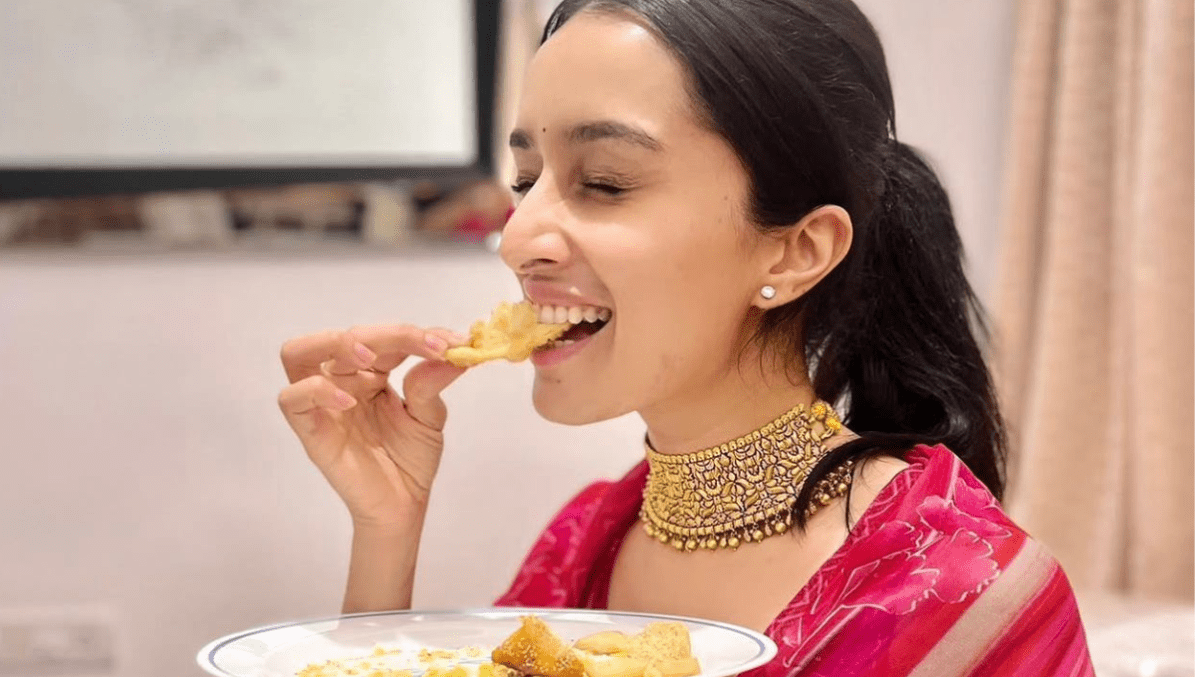
Why we crave crunch after dinner (and what your body’s actually trying to tell you)
You want to snack, but do you need to snack?
I’m convinced that when Govinda was crooning ‘mere pyaar ka ras zara chakhna, oye makhana’ in the ’90s, he wasn’t flirting. He was just hungry, probably craving chakna at 10 pm like the rest of us.
I consider myself to be extremely fortunate that I’m not a midnight snacker. My hunger pangs shut down with my kitchen at 9 pm, all without the appetite-killing Ozempic. But then I got married and started living with my husband—a man who treats our snack cabinet like it’s a portal to Narnia. Every night, he opens those doors with reverence, like he’s about to step into another realm. Except instead of lions and witches, he finds banana chips and peri peri khakhra. We make monthly trips to our local snack shop, Neelam Foodland (a.k.a Neelam Disneyland in our household) to replenish his stash of chaklis, wafers, and other munchy paraphernalia.
It made me wonder: why do some people get these oddly specific cravings after a full meal? Why does dinner feel incomplete without a crunchy, salty follow-up? Is it our hormones? Our tastebuds? Or is it more?

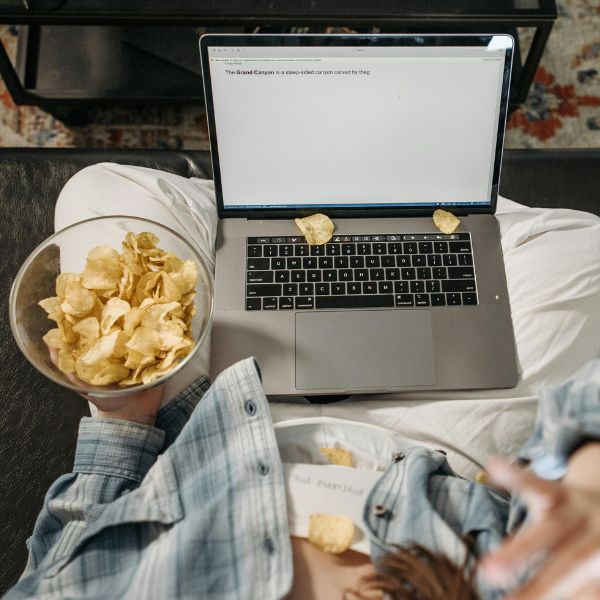
When life gives you lemons, your brain asks for chakna
Cravings aren’t always about hunger. More often than not, they’re your brain’s way of negotiating a reward after a long, exhausting day. And let’s be honest, no one’s lying in bed fantasising about a warm bowl of moong dal or an apple to tame their sweet tooth. It’s always the big-league snack stars: Oreos, Lays Masala Magic, or that last sliver of chocolate you swore you wouldn’t touch.
Yes, taste matters. But what really drives these late-night rendezvous with your snack shelf is brain chemistry. “Sugar and salt trigger the release of dopamine, the feel-good neurotransmitter that provides a temporary feeling of satisfaction,” explains Rishabh Mansharamani, a Mumbai-based health coach and fat loss specialist. Dopamine basically lights up the same reward circuits as hearing your salary’s been credited or watching Shah Rukh Khan smile in Kal Ho Naa Ho. It’s also the same chemical that responds to pleasure, anticipation, and, when overstimulated, even addiction. “When your blood sugar isn’t stable, your brain starts looking for a quick hit of dopamine, and that often shows up as a craving,” explains Tamil Nadu-based Ayurveda and functional medicine practitioner, Deepa Kannan. “But dopamine release from sugary or salty foods isn’t sustained. It creates a spike, not a steady state, and that’s how addictive patterns can start.”
Other backstage villains that intensify cravings? Poor sleep, chronic stress that spikes your cortisol levels and your hormones. Women, in particular, might be more susceptible to this as their hormones shift through the month. “Both Ayurveda and modern research show that women need more calories during the luteal phase, which is the second half of their menstrual cycle,” says Kannan. “This phase is also when serotonin levels dip in a woman’s body,” explains Mansharamani. Serotonin is responsible for our mood, happiness and general feeling of well-being. “When serotonin falls, it can increase cravings for carb-rich and high calorie foods that boost your mood,” explains Mansharamani. So it’s not you, it’s just your hormones that want masala chips.
Mansharamani adds that sometimes, your cravings aren’t biological—they’re behavioural. “Growing up with certain food rituals (say, watching your parents eat dessert after every meal or fried snacks during chai time) can wire your brain to seek those same comforts as an adult,” he says. And quitting your favourite foods cold turkey? Turns out, that can backfire too and further your need to reach for these foods.
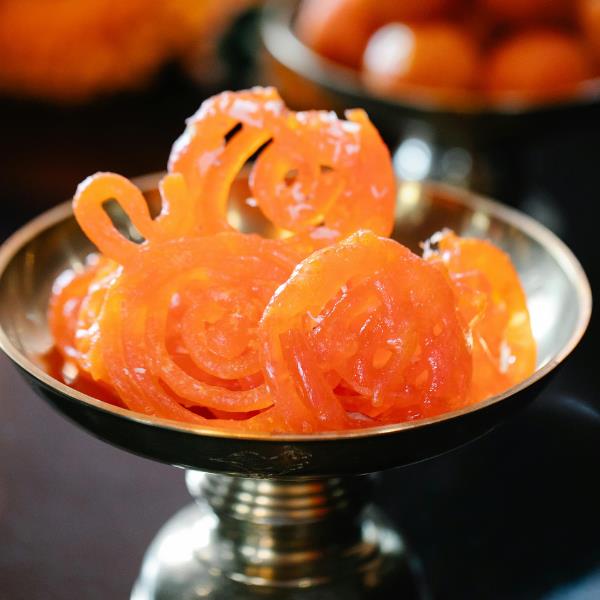
Sugar, spice and what’s happening inside
Whether your inner whispers sound like jalebi or banana chips, it’s worth decoding why they’re happening.
Sugar cravings usually point to poor blood sugar regulation. “On one hand, overindulging in sugary foods causes blood sugar spikes and crashes, leading to more cravings. On the other, completely cutting out healthy sweet tastes like fruits or fibre-rich grains can also have the same effect. According to Ayurveda, your body needs the sweet taste from these natural sources to maintain stable blood sugar levels and feel satisfied,” says Kannan.
An imbalanced gut microbiome is another sneaky culprit. “Pathogenic bacteria like candida feed on sugar and demand more of it as fuel,” Kannan explains. To prevent this, she advises to refrain from pairing fruit with heavy protein sources (like meats, paneer, eggs and legumes) that can cause fermentation in the gut, which only feeds these bacteria further. Mansharamani adds that your sweet tooth can also be driven by nutrient deficiencies, particularly magnesium and B12, that play a key role in regulating blood sugar.
Now if you’re always reaching out for namkeen, that’s your body wanting to keep things salty. Sodium, a key component of salt, is an essential electrolyte that helps regulate fluid balance, nerve function, and muscle contractions. “If you’re low on electrolytes, thanks to sweating, dehydration or stress, you may find yourself reaching for salty chips or snacks,” says Mansharamani. But it’s not just depletion. “Eating too much salt can create an imbalance in the body and paradoxically make you crave more,” says Kannan. Conversely, eating too little salt (especially just because someone else at home is) can leave your body trying to restore balance.
Adrenal issues can also result in salty cravings, warns Kannan. Your adrenal glands, which sit above your kidneys, produce key hormones like cortisol, adrenaline, and aldosterone that regulate stress, metabolism, and blood pressure. When your body is under constant stress, these glands don’t produce enough aldosterone, a hormone that helps retain salt, causing your body to crave sodium to restore balance and blood pressure.

Snack smarter, not sadder
Cravings, now we know, aren’t always a call for calories—they’re often a call for comfort, stimulation, or just plain rest. So instead of trying to crush them with sheer willpower, why not try decoding them? Are you actually hungry, or just bored, stressed, dehydrated or scrolling too long on Instagram? Mansharamani says, “A great way to test whether you’re actually hungry or fighting a craving is to reach out for a fruit. If the thought of it repels you, you’re likely not hungry.” He also suggests tracking the timing and triggers of your cravings. “If you’re only craving salty foods at night or sweet foods after lunch, it could be psychological, rooted in boredom or habit. Cut it down slowly and consciously, and the pattern can break.”
On days when cravings hit hard, meet them halfway. Kannan recommends choosing snacks that feel indulgent but come without the spike and crash. Craving something salty and crunchy? She recommends toasted sunflower seeds with paprika, roasted bhindi, crispy plantain chips or ghee-roasted cashews with chaat masala. Sweet tooth taking charge? She suggests swapping sugar bombs for whole-date and walnut tarts, buckwheat and date cookies, fresh fruits or a comforting bowl of granola with milk. And if you’re after something packed with flavour, try ghee toast slathered with a smoky burnt capsicum spread.
Taming the craving in the long-term
The best way to handle cravings? Nip them in the bud before they even start by making small, but impactful changes in your lifestyle. “When your meals are balanced and well-timed with enough good fats, protein, whole grains, spices, natural sugars, and fibre, you’re far less likely to raid the fridge at 10 pm. Balanced meals keep your blood sugar steady and support your gut’s microbiome,” explains Kannan. “If there is something you can’t get naturally through food, like protein, don’t be afraid to add it to your diet through supplements,” Mansharamani adds.
Sleep is just as critical. “Sleeping in sync with the earth’s diurnal rhythms, ideally by 10 pm, also helps regulate hunger hormones and cortisol,” she says. Regulate high stress with breathwork, short walks, or even five guilt-free minutes of doing absolutely nothing to balance all your hormones. Staying hydrated is essential too, as thirst often disguises itself as hunger.
So the next time you’re standing in front of the fridge at 11:47 pm, scanning for that last piece of chocolate or a salty chip, pause. Your body might not just be asking for food, it could be asking for rest, rhythm, or just a little reset. Cravings aren’t the enemy. They’re messengers. And when you learn to listen? That’s when you’ll give your body what it really needs.
Deepa Kannan’s guide to balance your diet with the six tastes of Ayurveda
Sweet: Sweet fruits, sweet potatoes, pumpkin, whole grains, proteins
Sour: Lemons, yoghurt, cheese, grapefruit, fermented foods
Salty: Salt, seaweed, celery (a natural electrolyte)
Pungent: Black pepper, cardamom, clove, chillies, mustard seeds and onion & garlic
Bitter: Turmeric, bitter greens, fenugreek, neem, coffee, bitter melon
Astringent: Spinach, pomegranate, garbanzo beans, unripe banana, split peas, okra, turmeric, alfalfa and raw vegetables