

Can a wellness retreat help you if you don’t know how to sit still?
Sidarth Dominic, the CEO of the wellness retreat chain, CGH Earth, weighs in
Does anyone know what wellness is supposed to feel like? Asking for a friend.
Is it in attaching a device to your temple or wearing a watch 24/7 that tracks your sleep, steps, pulse and calories? Or is it in planning an elaborate trip to South Korea for a mugwort yoni steam, fixing your body’s alignment or constantly switching between different types of milk because you heard that cow’s milk can give you acne and oat milk can cause a cortisol spike?
Chasing health, and overall well-being has become everyone’s obsession––and there’s been a corresponding surge of wellness retreats to meet this obsession. Whether you need to reconnect with yourself, find your highest vibration or just resuscitate your spirit after severe burnout, there are any number of wellness getaways claiming to offer the solution.
But can they really fix the root of what assails us in modern life? Sidarth Dominic, the CEO of CGH Earth Wellness, a pioneering company in Indian wellness tourism, says he’s not so sure.
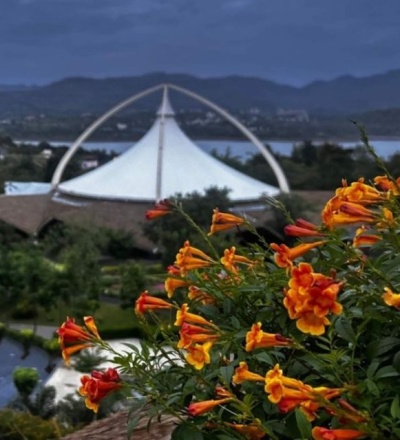
Twenty-one years ago, when CGH Earth Wellness decided to open an Ayurveda-led wellness resort at the centuries-old Kalari Kovilakom palace in Keralam, luxury vacations were synonymous with indulgence and breaking from the structure of routine. The idea of paying to go away to strip your life further down to the basics, to have austere meals and restore your balance in quietude was not yet a popular one. But despite the skepticism, Dominic—under the leadership of his brother, then-CEO Jose Dominic—pressed forward. Today they offer four luxury wellness retreats across Keralam and Karnataka, centred around holistic healing.
Over a video call, Dominic spoke to Tweak about the changes he’s seen in the luxury wellness industry since his bold decision in 2005, how lifestyle priorities have shifted customer behaviour in India, and the limits of a wellness retreat when it is approached as just another health hack.
It’s time to take a break from our 10k steps and touch grass

Tweak: Where did you get the idea to introduce wellness into resorts, especially in the form of Ayurveda?
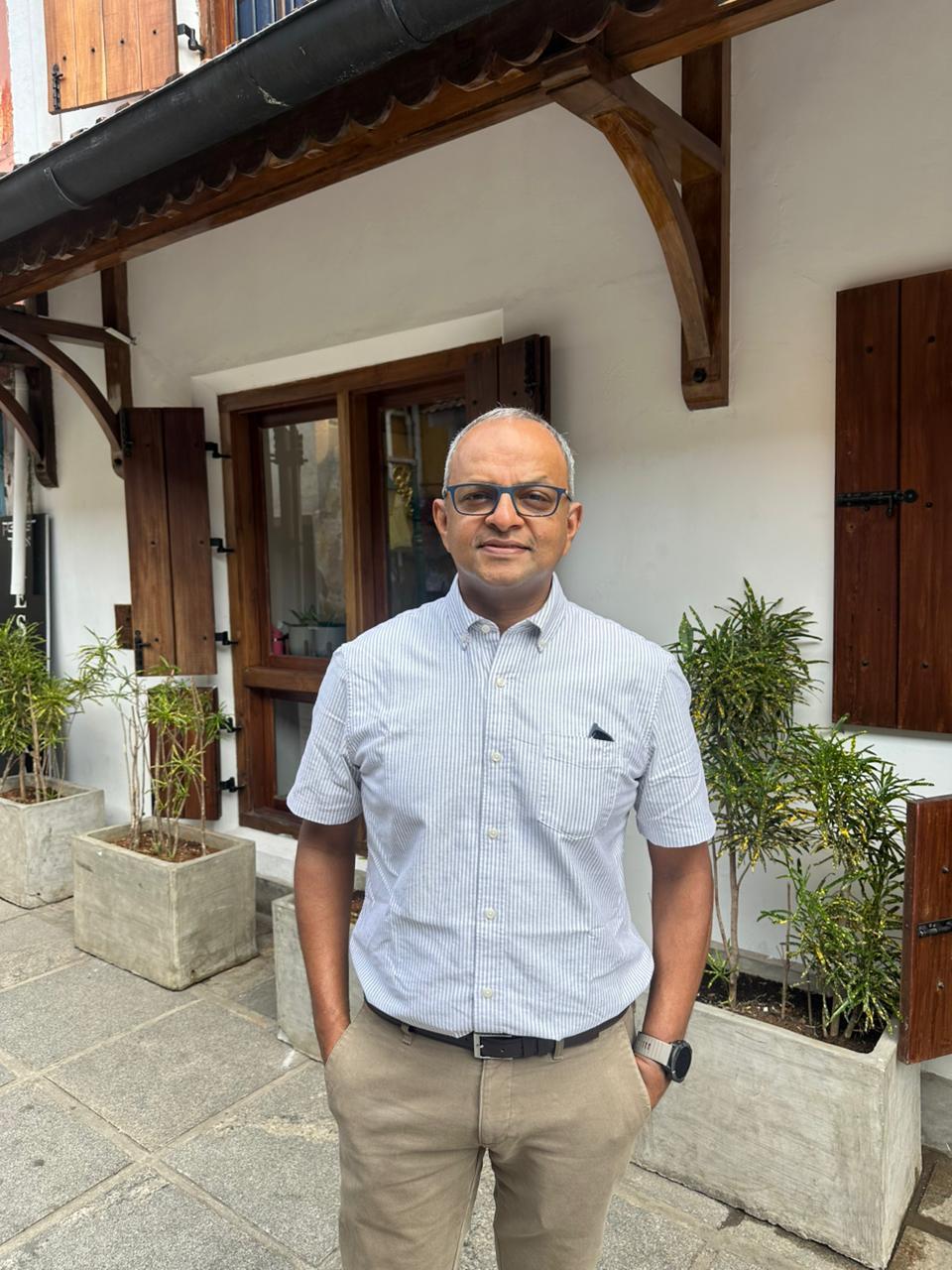
Sidarth Dominic (SD): We started out with casinos, but we diverged into building resorts that offered an experience. We had already set up resorts near forests, lakes and even beaches, but the reason I was particularly interested in exploring Ayurveda was Keralam.
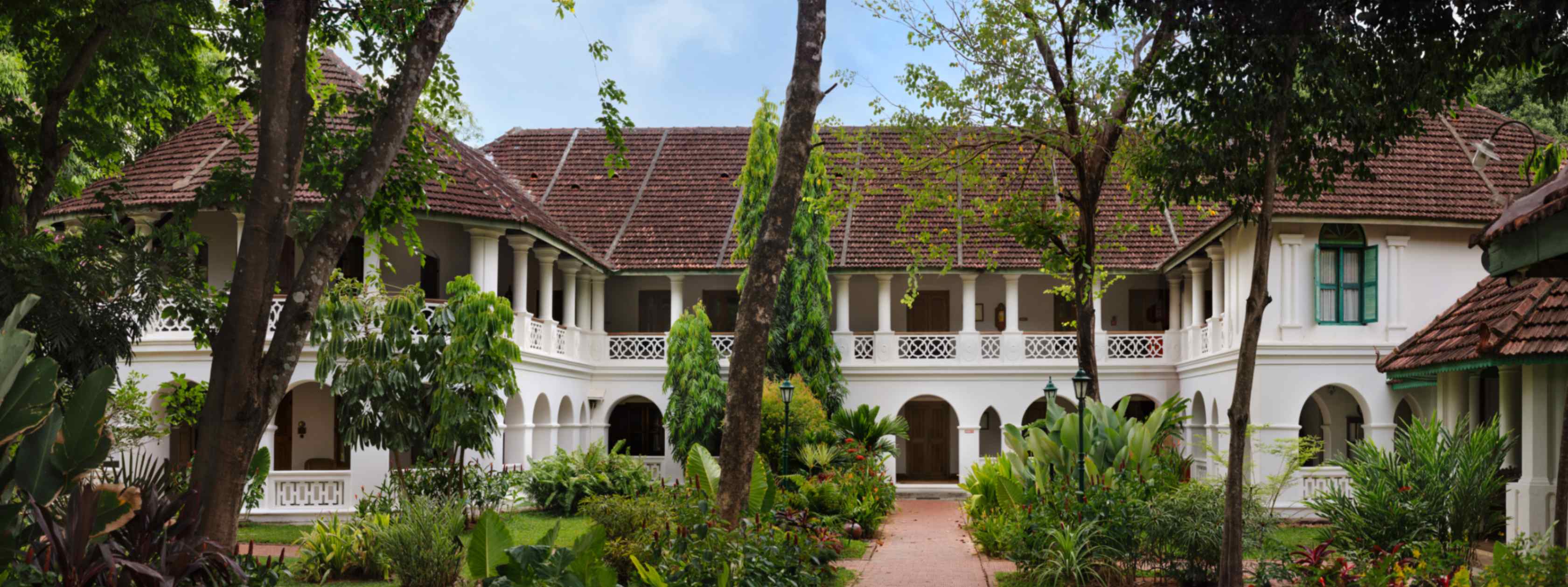
Keralam is home to Ayurveda and we thought, if not here then where? But it was still a floating idea until we were approached by the royal family of Cochin. They wanted to transform their palace into a resort but had one condition: no meat, no alcohol and no leather goods had ever been brought into the palace and they wanted us to maintain that. I figured this fit perfectly with our plan to create a space focused on Ayurveda. That’s how we established our first wellness resort, the Kalari Kovilakam in 2005.
T: What were the initial years like? Did you ever doubt your decision?
SD: Wellness resorts are quite popular now, but 20 years ago it was considered a bold choice. The reasons were valid. Everyone had a particular idea of a luxury vacation: there’s gold-plated dinnerware, expensive ingredients, five to seven star ratings, spas and so much more.
The tour and travel agents kept pushing back, asking us to include lobster and champagne into our program. They said the domestic audience already had decent access to Ayurveda, no one would want to plan a vacation around it. Our boardroom was all fireworks too. We were being asked to shorten the program, keep a few things flexible, but we did not budge. We had a vision and were committed to it.
And it worked because we managed to attract a lot of non-Indian tourists who found this concept and experience worth signing up for.

T: What was an unexpected change that truly surprised you?
SD: It has to be the surge of interest from our Indian guests. It was unpredictable. When the Covid-19 lockdown was declared, like many hotels and restaurants we closed our doors too. But slowly we started getting enquiries from people all over the country. Everyone had started worrying about their health, and were interested in spending time on healing with Ayurveda.
T: Everyone’s in their ‘fitness era’ with protein-maxxxing and fibre-maxxxing. Have you seen this change in your guests since the pandemic?
SD: We’ve seen people overly rely on their tracking devices, monitoring everything and feeling anxious whenever they spot a random change. I have also been wanting to increase the use of technology in our programs, inspired by new wellness centres that include red light therapy and hyperbaric chambers. But my team of experts reminds me, “our approach has been classical, let’s stay here.” They believe that people coming for our retreats are already stressed because of the constant information their devices give them.
Secondly, I’ve personally noticed that because of these constant advancements, guests expect instant results. They want to see and feel changes in their bodies within a weekend or a week, and all our experts have to remind them that with Ayurveda changes happen gradually.
The only change I’ve made based on changing customer demands is to add more protein and fibre to our menus. I think modern science is right about that.
T: Would you say we’ve become unhealthily obsessed with our health?
SD: I do think that the habit of wearing health-tracking devices makes us quite prone to more stress, which is counterintuitive. I’ve seen the effects of this with my friends as well—instead of talking about art, culture, politics or our lives in general, we’re talking about what we’re eating and new exercises we’re trying; we’re only talking about our health. It’s a good thing that we’re taking care of ourselves, but fixating is not a good mindset.
Another trend I’ve seen is the ‘digital detox,’ yet as much as we would like to introduce a program around it, we’ve seen that people aren’t ready to let go of their devices even during the retreat. To be honest, I’m guilty of the same behaviour even though I know that it’s one of the major reasons behind an unbalanced lifestyle and messed-up sleep schedules, which lead to lifestyle disorders like diabetes.

T: Lifestyle disorders have been on the rise, especially among young people. Have you seen an influx of younger Indian guests?
SD: We’ve seen a rise in guests as young as people in their late 30s joining our retreats because they’re burnt out. Earlier, the age for burnout was much older, but now, everyone needs a getaway. For them, more than Ayurveda, we focus on naturopathy, which is about letting your body heal itself. All they have to do is be in an environment that supports them. It is also why we’ve brought NLP (neuro linguistic programming) experts on board, to support people’s mental health while they’re on a break.
T: Considering these changing times, what are you and CGH aiming for now?
SD: The aim is to help people age gracefully. Everyone’s busy chasing perfect health and anti-ageing treatments, but our aim has been to create habits that support a good life. Even after over two decades, the thing I hope people take back [from our retreats] is the experience of being in tune with their body. And that they continue supporting that by waking up on time, eating what their body needs, learning what to avoid, and changing their life accordingly. Back to basics, essentially.