



What Olympian Anju Bobby George can teach us about leaping over life's hurdles
Be your own role model, and more
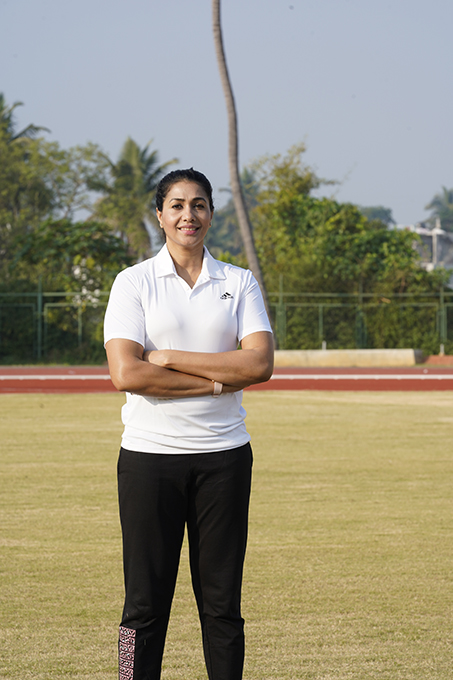
While most of us were wrapped up in the softness of blankets, the pre-sunrise glow of daybreak transitioning to sunlight, alarm’s snooze button ready for a quick bonking, Anju Bobby George was already lacing up her shoes. She stepped out into the dewy morning for yet another round of training. In the Cheeranchira village of Changanassery taluk, Kerala, long before the rest of the country knew her name, George was quietly preparing to make history. She became India’s first World Athletics Championships medalist, soaring across the world stage in the long jump category and shattering not just records—but expectations.
The day George won the bronze medal at the 2003 World Championships in Paris, Indian athletics entered a new era. It was the only day in my school’s history when her win was announced through the speakers, followed by a double PT class for everyone to celebrate with an extra hour of free play. Historic in its own way, for my school.
All these years later, as I sit behind a screen talking to the woman who broke mental and physical barriers for countless others, I couldn’t help but thank her for getting me out of a maths test that day and onto the school grounds for some much-needed hockey-stick chaos.
Anju Bobby George has jumped over more than just literal hurdles. She’s tackled challenges like limited infrastructure, personal health struggles, and even the classic ‘should women be working after marriage?’ question, which became ‘Can you really compete internationally after marriage?’ (Spoiler: Yes, she could, and did, with her husband-turned-coach’s support). Her knack for turning every setback into a comeback is remarkable.
So, what can we learn from her journey? Quite a lot, it turns out. And it doesn’t matter if you’re hustling as an athlete, entrepreneur, writer, or just trying to navigate life’s everyday chaos. Here are some standout lessons from George’s career that’ll give you that extra push, no matter what you’re striving for.
Life lessons from Anju Bobby George
Pick your partner wisely
“My husband, Bobby, was my coach, my guide, and my biggest support. He could’ve chosen to continue his career as an athlete, but he decided to leave it behind and coach me. He adapted my training to factor in my health challenges, because of which I rarely faced injuries.”
Choosing the right partner, in love or business, can make or break you, and in Anju’s case, it helped her soar. It’s about finding someone who not only understands your vision, but has a collaborative mindset, and will help you tweak your approach when needed for maximum efficiency.
If you find yourself in a tough spot, pivot and start planning
“If you’re living with big dreams, you need to plan everything. When we decided that training in India wasn’t enough, we made the decision to go to the US to work with the legendary Mike Powell. It was a leap, but one that changed my career. Around that time, I also discovered that I had been living with only one kidney—a congenital condition I was completely unaware of until then. Doctors advised me to stop competing, fearing long-term harm to my health. But for me, giving up wasn’t an option.”
Whether you’re launching a project at work, starting your own business, or balancing multiple personal responsibilities, planning is critical. Think of it as your roadmap, helping you make decisions that get you closer to your goal. But here’s the catch: it doesn’t always go according to plan. That’s when you need to stay agile, adjust, and keep moving forward.
George had to adapt when her health issues were discovered, but she didn’t let that stop her. She and Bobby devised a training regimen tailored to her health, ensuring she could continue competing at the highest level without compromising her well-being. The lesson here? Be prepared to pivot when things don’t go your way—reassess, replan, and keep going.

Failure is inevitable; it’s what you do next that matters
“I was ready to win a medal at the 2004 Olympics. But on the final day, my body gave up—I suddenly got a fever and couldn’t jump the way I’d trained. I felt devastated, but I knew I couldn’t let that be the end. I took some time off and then set my sights on the World Athletics Final. A year later, I was on that podium.”
Failure is a universal experience. Whether you’re an athlete, a business owner, or climbing the corporate ladder, setbacks are inevitable. But as George’s experience shows, what matters most is how you respond to that failure.
Feeling disappointed or frustrated is okay, but don’t stay there. Give yourself time to process and then get back on track. The next opportunity may be closer than you think.
Mentorship doesn’t have to come from one person
“I had different people who influenced my journey. My parents, my husband, my in-laws—all of them contributed to my success in different ways. As a coach, Bobby gave me the professional guidance I needed. My father-in-law pushed me to keep training. Mentorship can come from multiple sources.”
The idea that you need to find “the one” mentor who will guide you to success is a myth. In reality, mentorship often comes from various people, each offering their own insights and expertise. Be open to learning from different sources, says George—colleagues, friends, family members, sponsors who rally for you behind closed doors or even people you admire from afar.


George has quite the squad backing her, with sponsors stepping up to support the amazing work happening at her training academy for young girls. Take Anandana – The Coca-Cola India Foundation, for example. Through their three-year partnership with the Anju Bobby Sports Foundation, they’re helping shape the future of women athletes by providing state-of-the-art gym equipment, a dedicated practice ground (complete with rainwater harvesting tanks), and some serious upgrades. They’ve even transformed four shipping containers into a fully functional physiotherapy room, storage space, pantry, and restroom.
Be your own role model
“It’s a big responsibility to be a role model. But I always tell young girls, don’t look to someone else for inspiration—be your own. You are unique and so is your journey.”
George’s groundbreaking achievements have made her a role model for many young girls in India, but she advises against idolising anyone too much. For her, the focus should be inward. In any field, the key to success is self-improvement and authenticity. Aim to be the best version of yourself.
In a world where we’re constantly told to look outward for inspiration, George’s journey reminds us to be our own role models, surround ourselves with the right support, and, most importantly, never let a setback define us. As she’s proven, it’s not just about how high you jump, but how determined you are to keep leaping forward, no matter what life throws your way.