



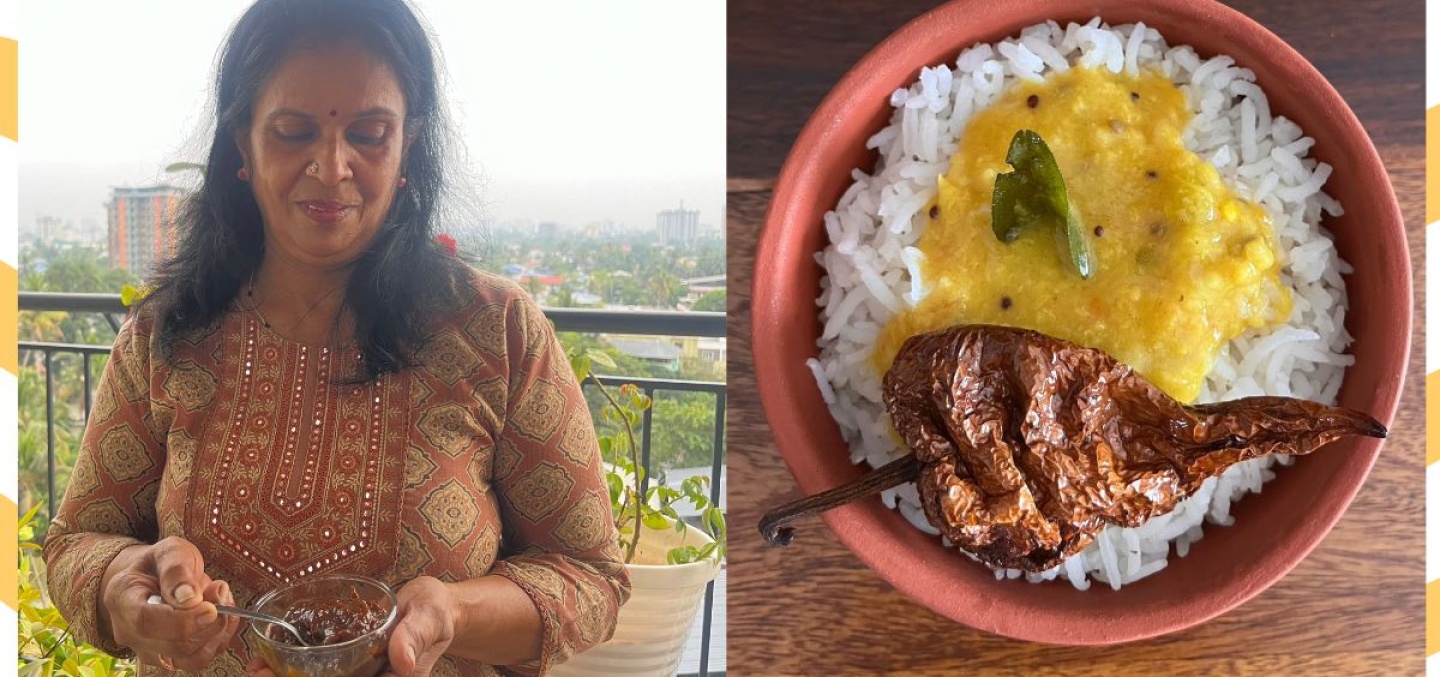
This women-led food business is paving the way for home chefs to become master chefs
In our new series, Tweak Spotlight, we feature homegrown brands that are making a mark with unique products and grounded philosophies
Leaving the comfort of the nest for a job, better prospects or a new life in a new place is always a bittersweet feeling. Any kind of help in easing the transition is more than welcome. For Indians, that help usually comes in the form of khakhras, aam ka achaar, a thousand Maggi packets, and small jars of chaat, biryani and garam masala, nestled between jackets and aspirations. We positively can’t live without our snacks and chatpata food. It’s not just about our taste buds revolting against bland food, it’s about holding onto the memory and comfort of maa ke haath ka khaana as you try to make it in the big bad world. Mumbai-based Reshma Suresh, 34, understood this need firsthand, and in 2023, she co-founded Tocco with her sister Anu to ensure a bottomless supply of authentic snacks and chutneys for anyone longing for a taste of home away from home.

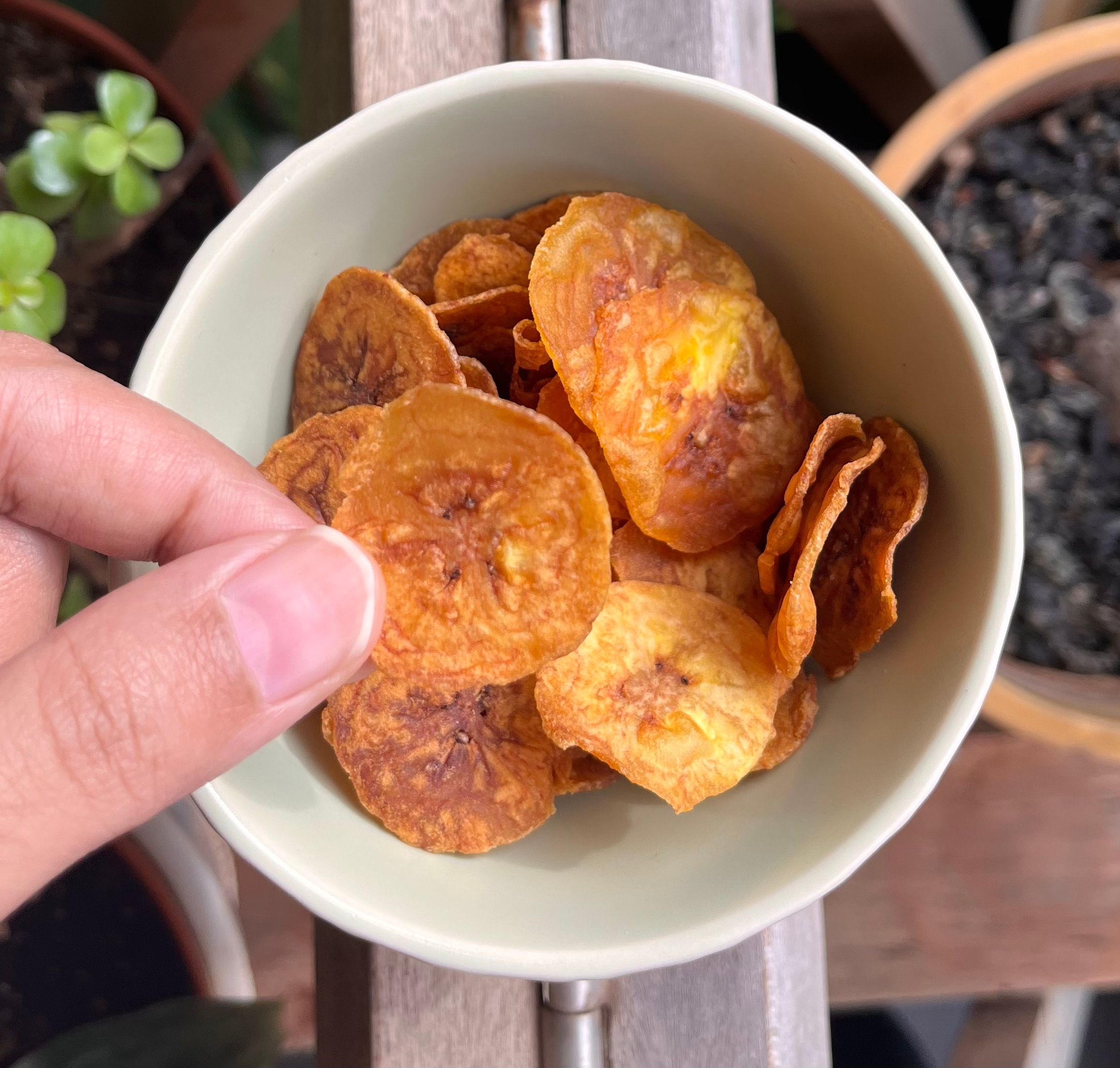
Short for ‘The Orange Candy Community’, Tocco is a social commerce platform retailing food products from pickles to chutneys and masalas, to snacks like crispy banana chips and poha chivda, that you can order from home chefs, delivered straight to your doorstep. The brand name embodies the comforting nostalgia of home just like the sweet memory of bright orange-flavoured candies that every Indian kid has savoured with glee.
The idea to create this platform came from Suresh’s personal experience. When she moved from her home in Kochi to Mumbai in 2012 for a job at a maternal and childcare startup, her days were filled with the rush of scaling the company and a heavy dose of takeout. She found herself missing authentic Kerala food despite trying every local restaurant. This feeling deepened when she began lugging pickle jars, banana chips and homemade snacks back to Mumbai after visiting her mom and aunts in Kerala. Little did she know back then that this longing for healthier, homemade food would lead to a whole new career nine years later.
In 2021, while the world was slowly stepping out after the initial wave of COVID-19, Suresh started making banana chips using her mom’s recipe in her Mumbai home kitchen. She wanted to satisfy her craving for a singular flavour—the original mildly salted, paper-thin, crispy chips made in fresh coconut oil. “During long weekends, I’d make small batches and share them with friends in our Powai township. Soon, word spread, and orders started coming from across Mumbai. I think the reason it became so popular is because I made the chips in fresh oil so there was no lingering aftertaste. It was different from the other mass-produced chips and people could give it to toddlers and the elderly in their families.” Her culinary experiment evolved into a bigger idea — the nostalgia and demand for fresh, homemade snacks were universal. Why not spread the love even further? She turned to her family for help.

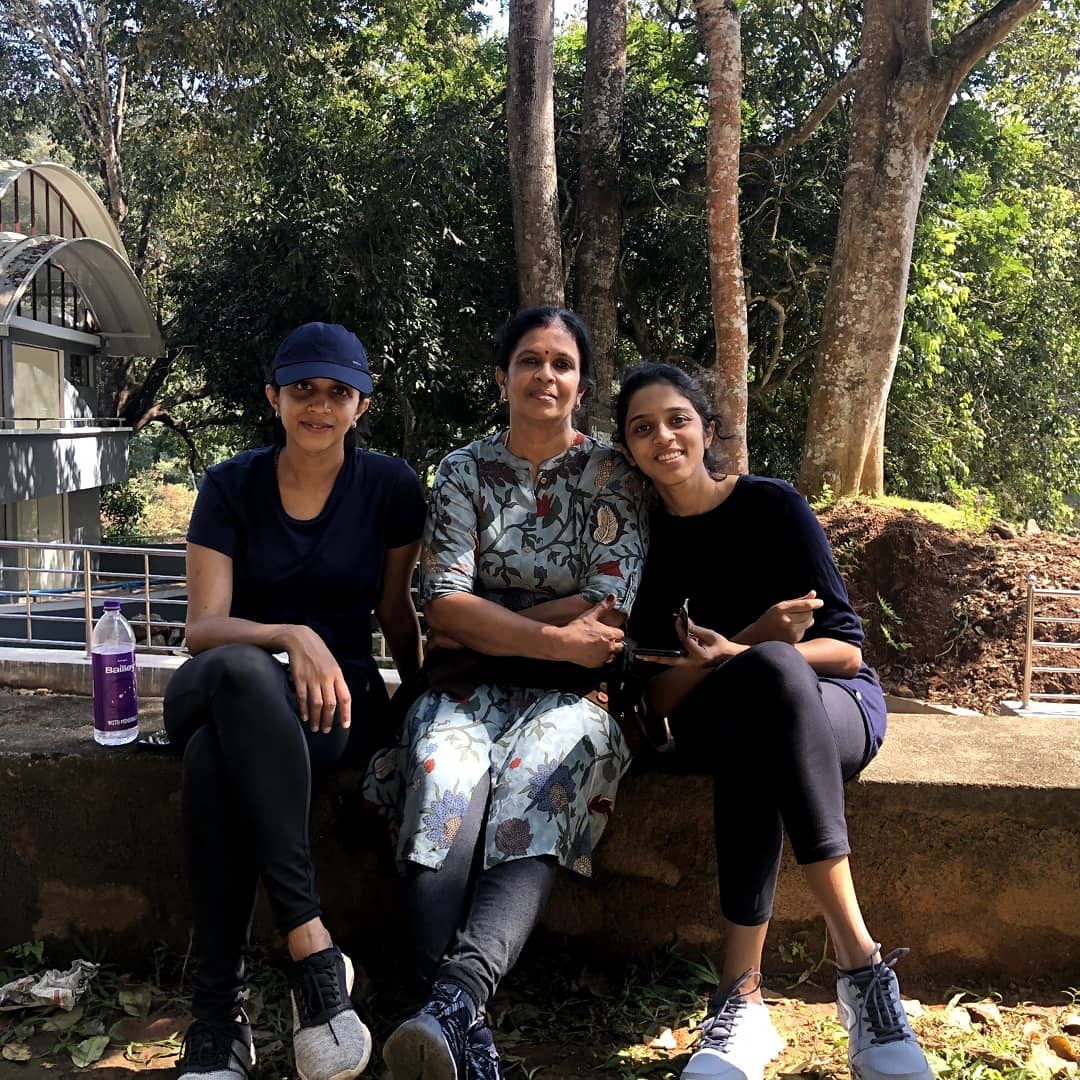
What began as just weekend batches of banana chips turned into a buzzing WhatsApp group on which Suresh also began taking orders for her mom’s prawn pickle and tamarind and mulgapodi chutneys from her aunts. It wasn’t a business yet, but the idea was taking shape. By mid-2022, the demand had exceeded her capacity, prompting Suresh to dream bigger. “There are so many home chefs who don’t know how to turn their cooking into a business. They’re unsure of the logistics but are amazing cooks. They just need help,” she says. After onboarding her mom, Uma, as the first chef, Suresh tapped into her immediate social network and found the next 21 chefs who continue to be a part of the platform. By early 2023, Tocco had its own website and was delivering packed food across India.
While Tocco is open to working with chefs of all demographics, Suresh intentionally began with elderly and retired female home chefs over 50, enabling them to craft their identity beyond being seen as dependents. “The elderly often want to stay busy, but marketing themselves isn’t easy. This platform allows them to feel independent without the ‘elderly care’ tag,” she explains.
Her inspiration came from her mother and ammachechi (maternal aunt). “They had always dreamed of starting something of their own. Back when I was working, I lacked the energy and experience to help them, but when I started making banana chips and learned more about the food industry, I was determined to help them become financially independent,” she says. Seeing them earn for the first time at the age of 55 and 56, and make their own purchases, brought Suresh incredible joy. “It transformed their lives—they started doing things they’d never done before and grew more confident. Earlier this year, the two of them took a trip to Dubai, completely self-funded and totally independent. Helping them achieve this independence and happiness was my biggest motivation.”


Some chefs found financial independence for the first time through Tocco. “We have a chef in Bengaluru, around 50 years old, who makes a plum cake for us. When we first paid her, she gave us her husband’s bank account details because she didn’t have her own. We insisted she have her own account and helped her open one, so she could earn in her own name.” The chefs don’t just gain income, they gain agency, pride, and independence.
Suresh also wanted to ensure the chefs were fairly paid for their efforts. They either share their existing pricing if they’re already selling their products via other methods, or share costs for ingredients, utilities, and effort. Tocco then adds platform and transaction fees to calculate the final price, ensuring the chefs draw a profit while maintaining transparency. Customers pay the final price, and chefs receive monthly payments with a detailed sales breakdown. On average, a home chef can earn anywhere between ₹15,000 -25,000 per month or even higher on Tocco — this differs for each chef and the quality of their food. “Additionally, we provide chefs with performance feedback and sales plans for the next month, supporting their growth and ensuring a sustainable business model,” says Suresh. Each chef is free to decide how much they want to work, there’s no concept of long-term inventory or pressure to mass-produce. If a chef is unavailable, the order is either prepared by another chef with a similar skill or simply made unavailable on the website.
The process of onboarding a chef is as authentic as the recipes. They come from different regions across the country; Punjab to Maharashtra, Andhra Pradesh, and West Bengal which ensures diversity and authenticity of flavour. The Toco team samples the products from chefs who have signed up through their website, helps them get the FSSAI training and fine-tunes logistics to ensure everything—from taste to packaging and delivery—is perfect. Each recipe is reviewed by focus groups consisting of chefs and local customers who verify its authenticity. Based on the feedback, the team at Tocco refines the recipes. “We don’t touch the base recipe but suggest changes on things like oil consistency, the crispness, spice and salt levels to ensure standard taste and quality,” explains Suresh. They even customise individual orders if customers put in a request for less salt, spice or oil at the time of ordering.

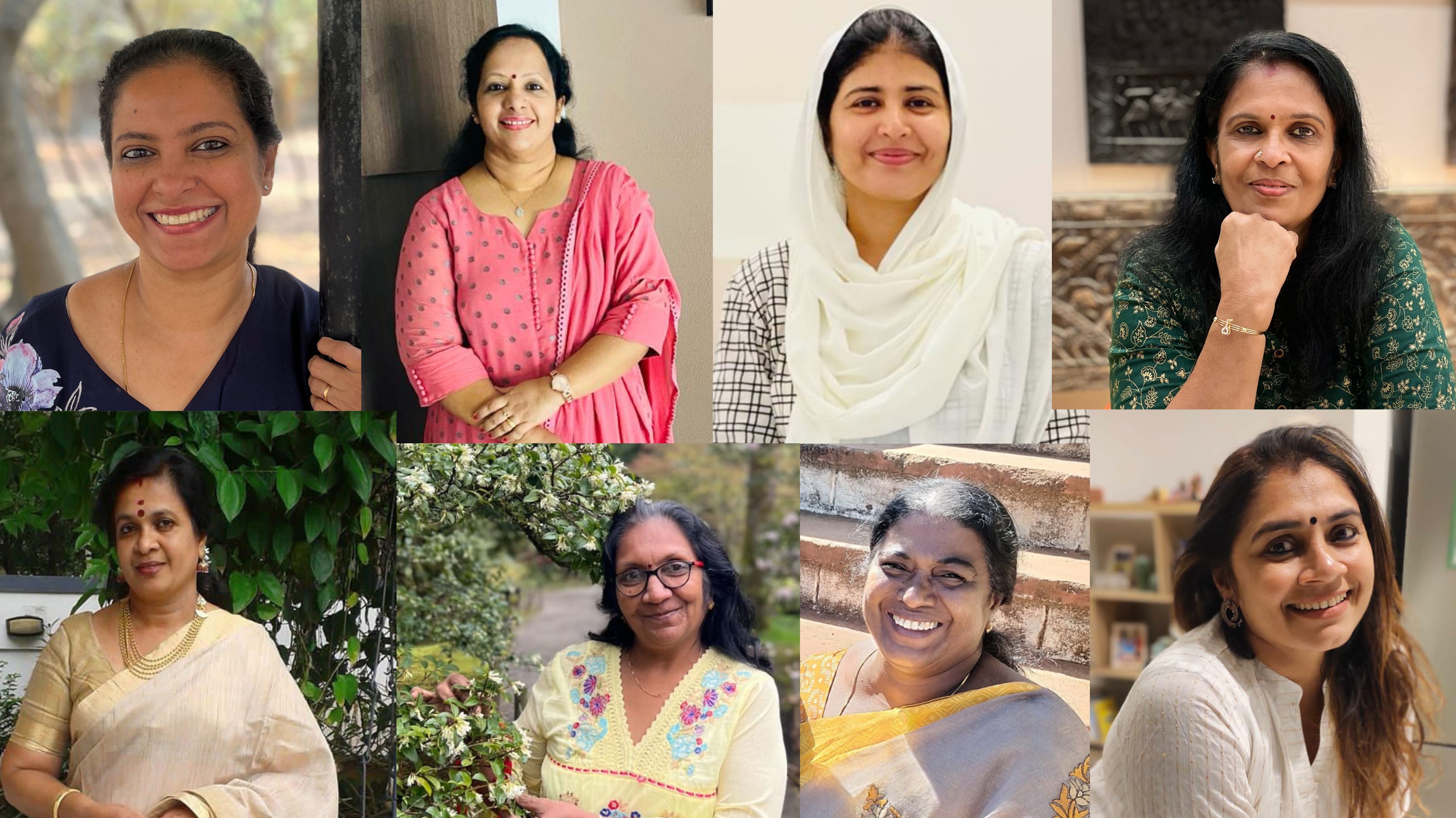
As Tocco gained popularity, Suresh was overwhelmed by the number of families signing up their parents, relatives and friends to be part of the platform. At the moment, Tocco is in the process of onboarding 55 new home chefs. Suresh wants to step out of the snacks and sides category to expand to actual full meals. “The vision is to create a platform where instead of dining out at restaurants, people can enjoy authentic, homemade meals prepared and served by families and chefs at their homes, fostering community connections,” she says. “Those unable to cook at home can order home-cooked meals prepared by these chefs, ensuring access to authentic regional dishes wherever they are. As a next step, with our 55 new onboards, we aim to empower the next generation to learn cooking skills from experienced home chefs, creating a sustainable alternative to outside food.”

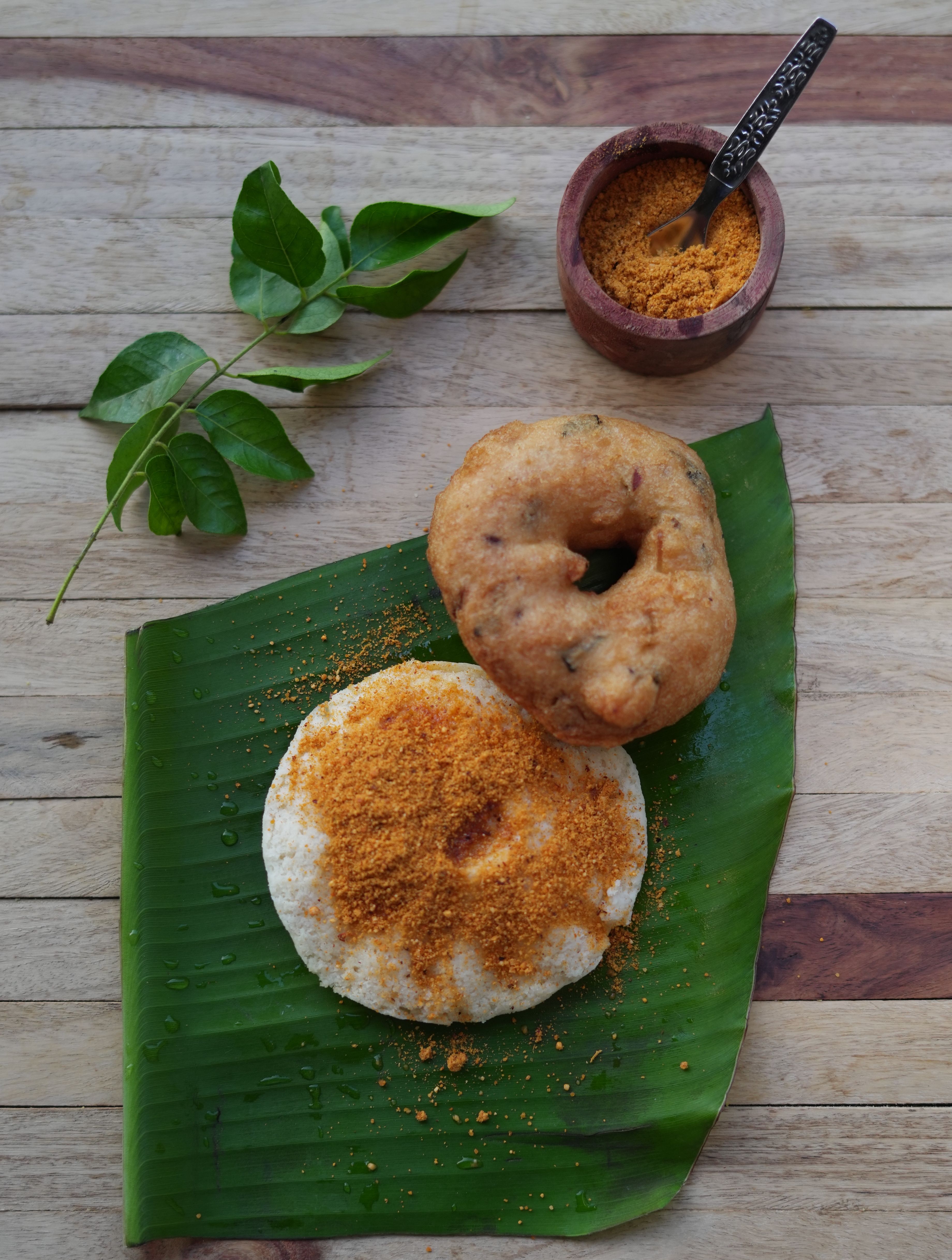
Suresh’s dream goes beyond nostalgia or a craving for good, home-cooked food. While she hopes that anyone craving ghar ka khaana has it readily available—be it the spices for sambar, the right oil for frying papads, or the perfect achaar—she envisions a future where family kitchens from all over India and their generational recipes are brought into the spotlight, promoted and preserved for posterity.


