


Are matcha lattes making your hair fall?
The culprits behind your hair fall may be hidden in plain sight
In the last couple of years, matcha (yes, that green beverage you love, or love to hate) has taken over our lives and more importantly, our social media feeds. It would seem it is now illegal to have an iced matcha latte without putting it on the ‘gram first. Nevermind that it tastes like liquid grass; matcha’s cultural currency far outweighs the tantrums of our taste buds.
But what goes up—at least in trending foods—must come down it seems (remember the fall of oat milk?). And matcha’s having some PR problems too, of late. It all started when beauty creator Michelle Ranavat shared a video in July this year claiming drinking too much matcha made her hair fall out. The video created quite a stir on social media, with users sharing their experiences and experts weighing in. And understandably so.
It can be unsettling to notice more hair than usual circling the drain on shampoo days, or to find loose strands on our clothes, desk or sofa. It can immediately set off alarm bells and send us into a spiral. Is it a new product we’re using? Is it stress or bad sleep? Or …worse? A Google search will helpfully provide a laundry list of all the scariest health complications that could be causing your hair fall. Add to this, a doomscroll of beauty reels telling you everything you’re doing wrong in your haircare routine, and which must-buy serum and potion will miraculously make your strands want to stay attached to your head. You run your hand through your hair anxiously, and five more strands come loose in your fingers.
If only there was a way to sift through the anxiety, advertisements and information overload, to uncover the real threats to your hair and how to sidestep them. Well, now there is. We reached out to experts to help us make sense of all the hairy claims, including the latest one with matcha.
Are these the secret culprits behind your hair fall?

Consuming too much matcha
There have been conversations about matcha causing hair fall. But you don’t need to throw out your new ceremonial grade green powder yet. Dr Sonali Kohli, a senior consultant dermatologist at Sir H.N. Reliance Foundation Hospital in Mumbai, clarifies, “Matcha by itself is not known to cause hair fall. In fact, its polyphenols and antioxidants can help reduce inflammation and oxidative stress—two silent contributors to hair thinning.”
However, what can contribute to hair loss is the iron absorption property found in the tea components. “Matcha contains tannins that reduce absorption of non-heme iron (found in plant-based foods). Since low iron is a major cause of hair shedding, matcha, especially when taken with meals, may worsen hair fall in some people,” Pune-based nutritionist Amita Gadre explains. Additionally, the caffeine in matcha, although lower than coffee, may trigger cortisol spikes in sensitive individuals, worsening stress-related hair shedding.
But you don’t need to part ways with matcha entirely to protect your hair. “You need to reduce the frequency or the quantity of matcha that you are consuming,” Gadre says.
Expert tip: Having one cup of matcha a day is generally harmless but if you are prone to iron deficiencies, stick to one cup a week.
Using the wrong shampoo
Do you feel the urge to shampoo your hair every time you step in to shower? Given the dust and pollution your hair has to endure every day, especially in cities like Delhi and Mumbai, this may feel like a reasonable practice. While it is a common belief that washing and shampooing your hair frequently can lead to hair fall, Dr. Kohli says there is more to it. “Shampooing removes loose hair that are already in the shedding phase. It does not uproot and cause additional hair to fall out,” she says.
However, the kind of shampoo you use makes a difference (here is how you can get your hair washing routine right). Harsh shampoos that have high sulphate or alcohol content may irritate the scalp, strip it of natural oils and weaken hair follicles, which can all worsen breakage.
Expert tip: Clarifying shampoos work well for oily scalps, while gentle sulphate-free shampoos are suitable for dry scalp.
Applying undiluted rosemary oil
Rosemary oil, which has antioxidant and anti-inflammatory properties, is said to help in hair growth. It is often hailed as a magical solution to hair loss woes, with a 2015 study demonstrating that rosemary extract can facilitate hair growth.
But did you know using it excessively or incorrectly can have the opposite effect? “Rosemary oil is potent and should never be applied directly to the scalp without dilution,” advises Dr. Kohli. Undiluted or excessive rosemary oil can irritate the scalp, disrupt the protective barrier, trigger increased shedding and even cause contact dermatitis on the scalp.
Expert tip: To support scalp circulation and hair growth, use rosemary oil with 1-2% dilution, and apply it only once or twice a week.
Skipping heat protectant
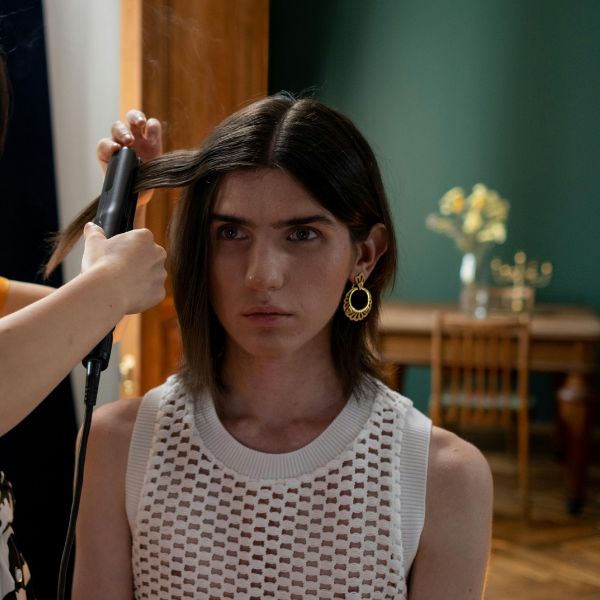
We all like to ignore our mothers’ advice to leave our natural hair alone. It’s just one hairspray spritz and one straightener pass, we protest, what harm can it do? But we don’t realise when the frequency starts increasing and the damage builds up, until one day our hair wages a silent war against our indifference.
While heat styling does not cause direct hair fall from the root, it damages the hair. “It causes hair shaft damage, breakage and thinning ends,” Dr. Kohli says. To prevent this from happening while enjoying blowouts and new hair styles occasionally, using a heat protectant is a must. It shields the hair from heat damage.
Expert tip: Avoid alcohol-heavy hair sprays and gels as they cause dryness and brittleness. Opt for heat protectants that contain humectants, amino acids and lightweight silicones. Reduce the frequency of using straighteners or curling irons, and try to keep the temperature as low as possible when you do use them.
Making stress a constant companion
It is safe to say that stress doesn’t just affect you mentally, it has clear physical manifestations too. When stress affects your sleep, it sneaks into your hair too. Those all-nighters you pulled at work? Your hair noticed. That overthinking you do for hours before going to sleep? Your hair is doing it, too.
Stress triggers the release of cortisol, which can disrupt hair growth. Chennai-based dermatologist and aesthetic physician Dr. Bansari Davda explains, “Prolonged or frequent stress can push your hair into the telogen phase (resting phase when the hair doesn’t grow), eventually causing more than usual hair shedding. The condition is called telogen effluvium.” After a stressful event or persistent stress, you may start noticing hair fall within two to three months.
Expert tip: Manage stress physiology. Mind-body practices, sleep optimisation and moderating caffeine intake (including matcha) directly support hair health.
Following a dairy-rich diet
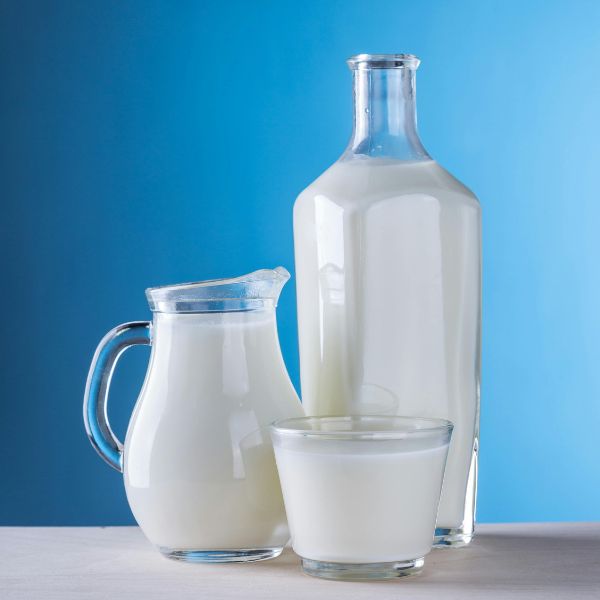
From tea to ice-cream, and from paneer to yogurt, dairy products are like the potatoes of our diet: they are found everywhere. However, Dr. Davda warns that excessive consumption can indirectly affect hair health. “It can worsen seborrheic dermatitis (heavy dandruff) and cause shedding. It can also increase the glycemic index and worsen hair loss,” she says.
Expert tip: Do not eliminate dairy from your diet since it is a source of calcium, which is an essential nutrient for healthy hair. However, consume it in moderation. Two to three servings/cups of dairy products in a day are generally recommended to meet the nutrient requirements.
Overdoing vitamin A supplements
Vitamin A is an essential nutrient for healthy skin and hair. However, too much of Vitamin A, especially when taken in a supplement form, can have a damaging effect. “High vitamin A intake is a well-known cause of hair fall. The excessive retinoids push hair follicles into the telogen phase prematurely, which leads to telogen effluvium,” Dr. Kohli says.
Expert tip: The dietary allowance of vitamin A per day is 700-900 mcg for adults. It should not be exceeded, unless under medical supervision. Vitamin A supplements should be prescribed, not self-started.
Following crash diets
Drastic weight loss due to crash diets or other means may seem like a desirable outcome for many, but the hair loss that accompanies this sudden change is often overlooked. “Sudden weight loss due to crash diets can cause various nutritional deficiencies like Vitamin B12, D3, iron and protein. It can also cause hormonal imbalances, resulting in hair shedding,” Dr. Davda shares.
Expert tip: Deliberate weight loss should never be achieved through drastic measures. It should be gradual, properly planned and supported with a balanced, nutritious diet, and supplement intake must be monitored.

Spending too much time under the sun
There is nothing more energising than being outdoors on a sunny day. But while you’re luxuriating in that golden glow from a beach bed or walking around trying to find the perfect angle for your ‘sweet summer days’ Insta carousel, your hair is silently struggling.
“Prolonged sun exposure can indirectly contribute to hair fall. Exposure to ultraviolet rays produces free radicals that can lead to oxidative stress, eventually damaging hair fibres,” Dr. Davda shares. This leads to keratin breakdown, making hair weak and brittle. Additionally, the scalp can become inflamed due to sunlight exposure, and damage hair follicles.
Expert tip: Wear hats or dupattas when you have to be under direct sunlight for prolonged periods. Sunscreen scalp sprays and powders are also helpful in preventing hair damage due to sunlight.
Plan the right care
While there are many controllable factors that can directly or indirectly cause hair fall, you won’t have to worry about them if you get some basics right. Apart from everyday practices like following a balanced diet and managing stress, the use of right hair products such as shampoos that suit your scalp and hair styling products that don’t cause excessive damage, is equally essential to maintain hair health.

Disclaimer: This story is for informational purposes only with inputs from trained experts. Kindly consult your dermatologist to know what suits your needs best.