


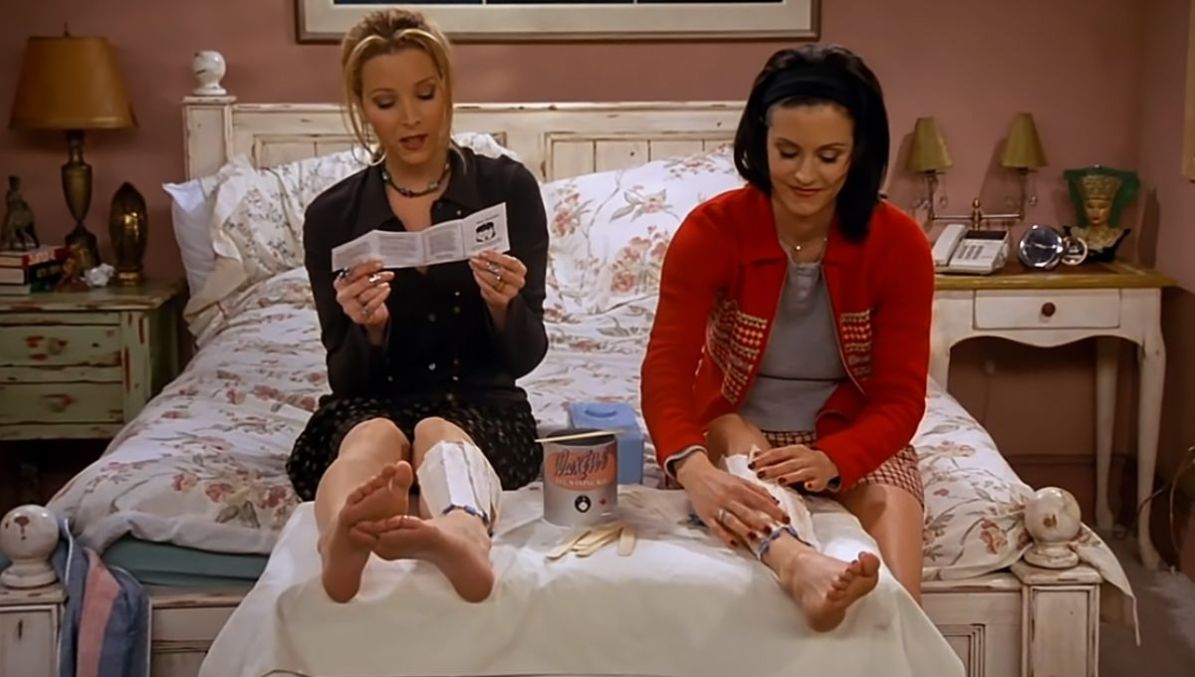
I turned to waxing after shaving for 25 years and was disappointed
The dreaded chicken skin led me on the hunt for a smoother, more permanent hair-removal solution
It was a tiny, dingy room only made worse with the bright white light shining above my head. I held my sister’s hand, waiting for the pain that would lead to the proverbial gain. The year was 2000 and 14-year-old me was at the neighbourhood 1bhk-turned-salon for my first-ever waxing session.
Thirty minutes later, I went back home and shaved. The wax, painful as it was, had barely done the one job it had. I could still see hair on my legs, just fewer strands; and my skin and soul felt violated (adulting is messy, ask this illustrator). I vowed right then never to wax again. It didn’t occur to me that the less-than-desirable results were more about the salon didi’s expertise (or lack thereof) and not the method of hair removal itself. Nonetheless, I made a Salman Khan-esque commitment, which I kept for 25 years.
Until three months ago when I waxed again.
The great (and doubtful) return
For over two decades, I shaved and sometimes played with hair removal creams. Call it laziness or convenience, but it worked for the most part. Planned to wear a new skirt? I’d shave during my everything shower the weekend before. Had a date night at short notice? No problem. I would rush home from work, run the razor over any bristles, and step out with smooth, hairless skin. It was pain-free, inexpensive and, most importantly, time-efficient.
Until I started noticing my previously smooth, sexy legs turning…spotty. Even right after shaving, my skin, especially on my legs, felt rough and pokey. Before I knew it, I’d gone and developed that dreaded strawberry or chicken skin.
So at the ripe age of 39, I decided to give waxing another go. It had, after all, been over two decades since that fateful first time, and I was feeling braver. Besides, as a beauty writer, I knew the logic tracked—waxing rips out the hair from the root, unlike shaving that works at the surface only. Which meant it would result in skin that’s smooth like a baby’s bottom, right?
I made an appointment at my regular Lakmē Salon. I had an event the following week so I went in early enough to provide ample time for healing, if required. I gave my waxing technician a heads-up on my waxing history and then waited, scrunching my eyes and toes tight.
The pain, this time, was surprisingly manageable. But when I touched my legs the minute she was done, excited to see my hands gliding smoothness…spoiler alert, dear reader, there was none. My legs felt no different than when I shaved. My skin was maybe slightly less rough, but negligibly so. And as a bonus, two days later, I got a giant, painful boil on my calf.
This time I couldn’t blame salon didi; she had already blamed it on my years of shaving during my first session with her. She had also assured me that after a few more sessions, the bumps would disappear and I would enjoy the much-coveted smooth skin. So I went back a second and a third and a fourth time.
Spoiler alert again: no. My skin remained bumpy, I got one more boil, and the hair grew back at the same rate.


Battle of the hair removal techniques
Frustrated, I turned to the experts. Mumbai-based dermatologist and founder of Ambrosia Aesthetics, Dr Niketa Sonavane, sheds some light on my persistent dark spots. “Shaving and waxing affect the skin in different ways,” she explains. “Shaving cuts the hair at the surface, so there is no trauma to the skin. But if the blade is not clean or the skin is too dry, it can lead to cuts, irritation and clogged pores. Waxing pulls the hair from the root. This creates more inflammation. For some people, it even triggers allergic reactions, bumps and pigmentation.”
Well, that solved the mystery of the boils. “Your skin type plays a huge role,” she elaborates. “If you have dry skin, waxing can make it worse. It strips the skin of its natural oils. Sensitive skin reacts easily to both shaving and waxing. You may notice redness, burning or tiny rashes. If you have oily skin, you may be more prone to ingrown hairs and clogged follicles.”
The skin on my legs has always been very dry, often veering into scaly territory. I religiously moisturise after every shower, being particularly generous after shaving, which is perhaps why my skin remained fairly problem-free for as long as it did. But my dry skin is probably the reason waxing gave me such poor results. But either way, waxing or shaving, I was traumatising my skin over and over again.
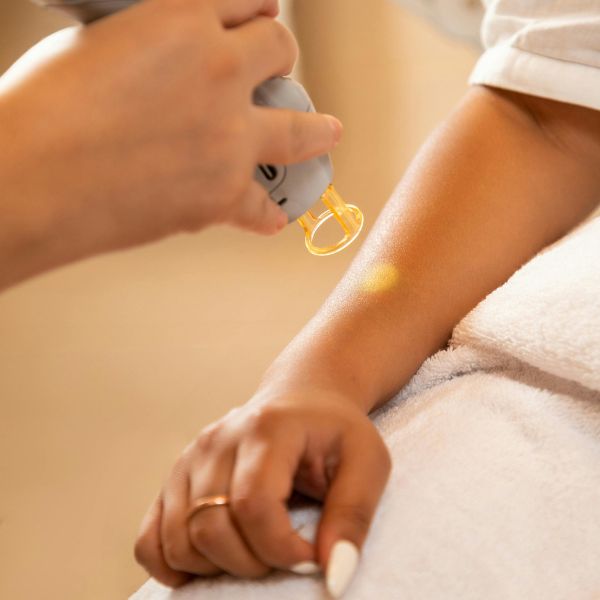
Delhi-based dermatologist and author, Dr Kiran Sethi of Isya Aesthetics, confirms my suspicions. “Repetitive shaving can cause rough, dry skin and scratches, and may also trigger chicken skin or keratosis pilaris, cause ingrown hairs, or folliculitis (infection of the hair follicle). Waxing tends to be monthly but also carries the risk of burns, in addition to most of the risks that come with shaving.”
Great. Is there no winning here? Is my dream of baby’s-bottom skin out of reach? No, because Dr Sonavane thankfully has the solution. “Laser is my top recommendation if you want a long-term solution,” she advises. “It reduces hair growth and improves skin texture. But it needs to be done under expert supervision, especially if you have pigmented or acne-prone skin.”
Enough people had, by now, recommended laser treatment, but I was never convinced. The cost was definitely a factor, but the fact that you needed multiple sessions to get rid of the hair, with no real guarantee of it not growing back? It didn’t sit well with me.
Dr Sethi backs up my concerns, “There are rare risks with laser as well. Paradoxical hypertrichosis is when the hair grows back coarser on the face, usually in people with hormonal conditions. Laser can also sometimes trigger acne or mild ingrowth, but all of these are treatable.”

How to get skin that doesn’t resemble any food
So, it would appear that laser is the least of the hair-removal evils. But in the meantime, what do I do about my strawberry skin? I can’t undo 25 years of shaving or the last three months of waxing.
But I can exfoliate like my life depends on it.

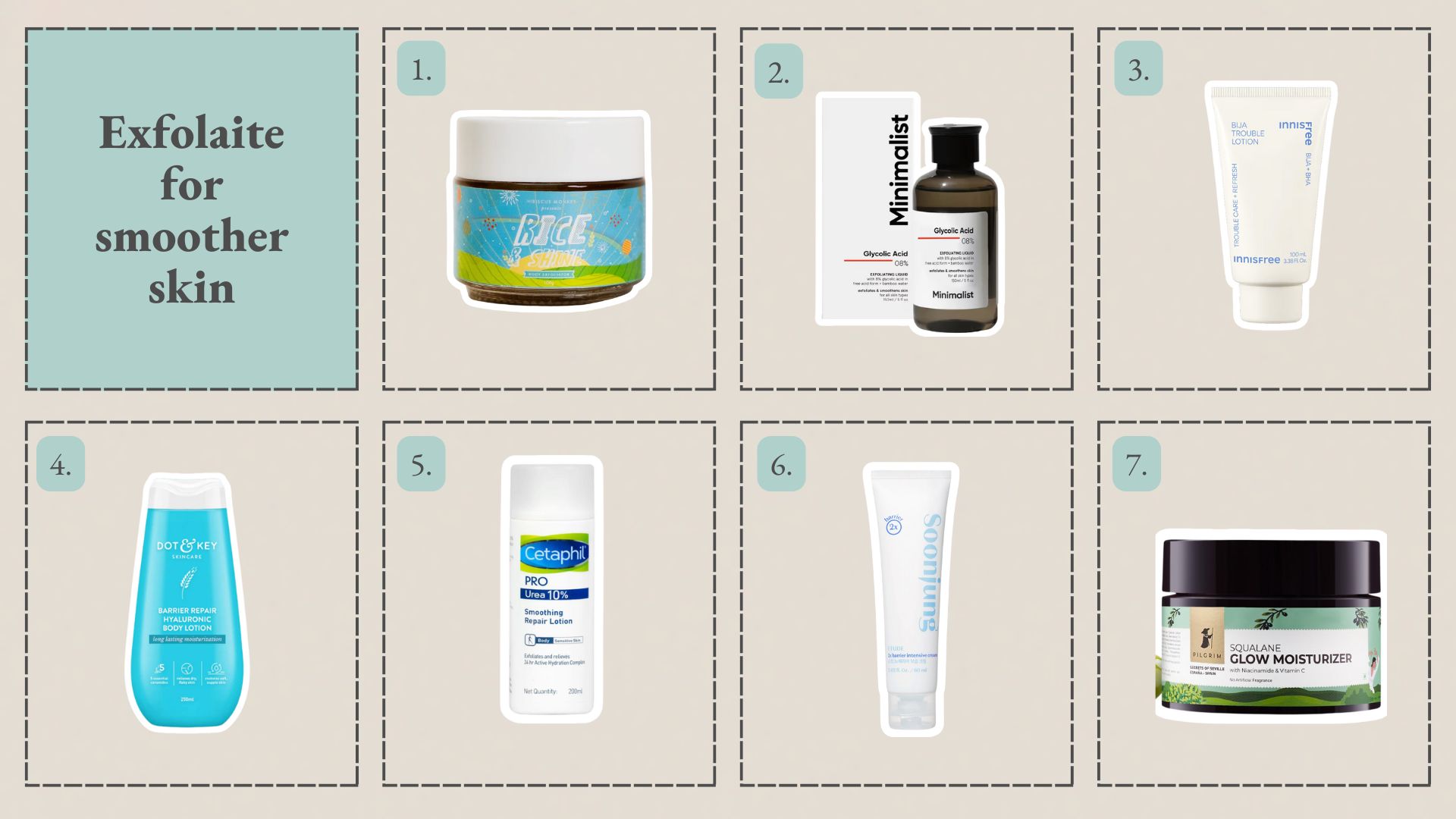
To combat the chicken skin, here are recommendations from the good doctors:
Before waxing, use a mild scrub or a lactic acid-based body wash like the Hibiscus Monkey Rise & Shine Body Exfoliator. This clears dead skin and helps the wax grip the hair better.
After waxing, avoid exfoliating for two to three days to allow the skin to heal. Once the redness settles, switch to chemical exfoliants like glycolic acid (Minimalist 8% Glycolic Acid Toner) or salicylic acid body lotions (Innisfree Bija Trouble Care Lotion With Salicylic Acid For Oily, Combination Skin) once or twice a week.
Moisturising is the key. Use a non-comedogenic, fragrance-free lotion like the Dot & Key Barrier Repair Hyaluronic Acid Body Lotion every day. If your skin is bumpy or prone to ingrown hair, go for urea-based creams or ones with lactic acid (Cetaphil Pro Urea 10% Smoothing Repair Lotion), ingredients which help smoothen the skin and keep the follicles clear. Products with niacinamide (Pilgrim Squalane Glow Moisturizer with Niacinamide & Vitamin C) or panthenol (ETUDE House SoonJung 10 Free Moist Emulsion) also help to calm and repair the skin.
I’ve been using glycolic acid after showering and before moisturising for a couple of weeks, and already my skin feels smoother and looks less chickeny. As for hair removal technique? My grand return to waxing was not to be. It wasn’t convenient or time-efficient and, crucially, it didn’t give me the results I was hoping for. While shaving may not be ideal either, it’s worked for me for long enough to earn my loyalty. So please excuse me while I go make an appointment for laser hair removal and stick to my trusty razor till then.