

Aloo-baingan one of the worst-ranked foods? Excuse me, but no.
In defence of this lip-smacking dish
What do you do when a popular experiential guide ranks your favourite dish as one of the worst foods in the world? The 60th spot on Taste Atlas’s world’s worst-ranked foods went to aloo-baingan. And I took that personally.
Growing up in what I like to call a ‘metropolitan Maharashtrian household’ (MMH), our food was an eclectic mix of tradition and the needs of our corrupted taste buds, which craved an abundance of mirchi. While Maharashtrian classics like modaks and puran-poli were reserved for festivities, our regular go-to favourite was and continues to be vaanga-batata cha rassa (brinjal and potato curry), commonly known as aloo-baingan.
A quick hashtag search on Instagram pacified my rage, I wasn’t the only one aghast by this unsolicited slander made by this online food guide. Hordes of desis had descended onto Instagram to call out this confusing rating of 2.7 out of 5. Food vloggers and chefs had a field day posting their version of aloo-baingan, as people in the comments supported and dissed the dish in equal measure. But more importantly, everyone was sharing family recipes and memories. It was nostalgia that united strangers from all over to swarm in and show appreciation for their beloved aloo-baingan.
Food is like Doraemon’s time machine
My earliest memory of aloo-baingan is my dadi’s coconut-based curry recipe, which my mom, by her own admission, can never replicate. The spice from the ala-mirchi-lasun vaatan (ginger, garlic, chilli paste) would tingle my tongue, as a hint of sweetness from the goda masala, (the not-so-secret spice mix of Maharashtrian cuisine) balanced it out. The baingan was stuffed with a dry mix that’ll put masala-pav to shame, and she served with hot phulkaas.
That’s the thing about food, right? It’s like Doraemon’s time machine that can take you back to a bygone moment and let you relive it — like a Sunday special dum biryani or piping hot aloo parathas for Monday breakfasts or gulping down a cool glass of Rooh Afza in the scorching May heat or the Amul butterscotch cone devoured as Friday dessert. It’s these recollections that people hold onto and keep trying to recreate, especially when they lose loved ones or move cities and countries for studies and jobs. And believe it or not, it’s always your house specials — kadhi chaawal, kaanda poha, undhiyu, podi idli that conjure up fulfilment — literally and metaphorically.
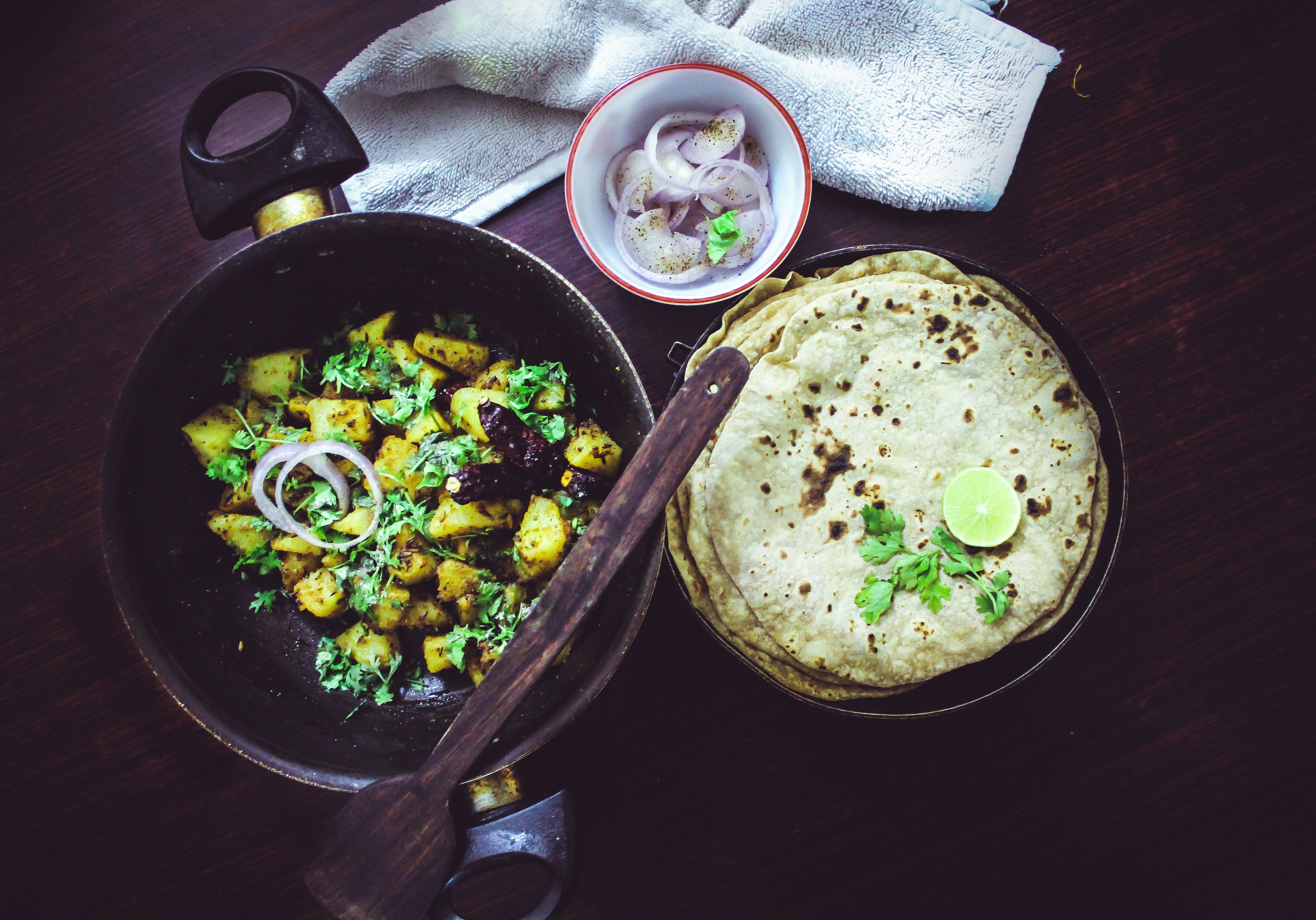
Vaanga-batata cha rassa became an emotion weaved as intricately into my upbringing as my mom’s version of arrabbiata pasta. Now that dadi is gone, my mom makes versions of it, hoping that someday, it’ll turn out just like hers. And bit by bit, we pay ode to the memory of her delicious rassa.
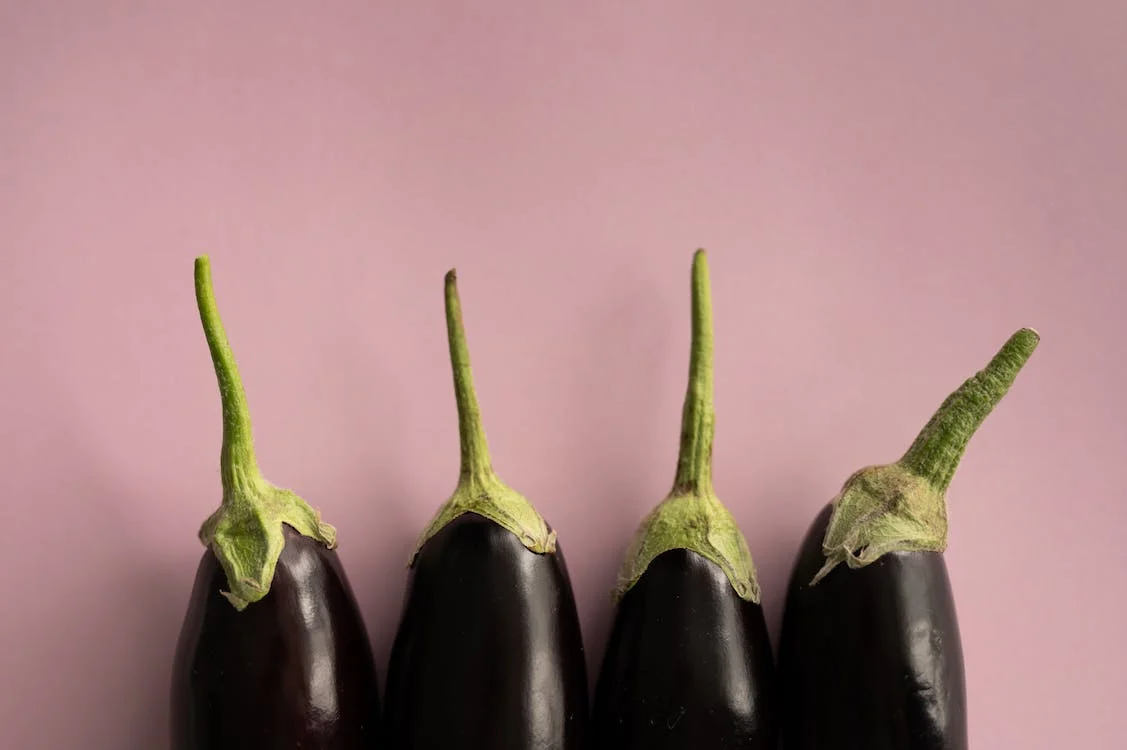
This is a dish so versatile, the comments on the post alone can be turned into a regional cookbook of just aloo-baigan recipes. Odia dahi-baigana, Gujarati ringan-bataka or the Bengali aloo-begun. The versatility of it, like most Indian cuisines, is deeply rooted in the region’s climate and indigenous ingredients. So the way it is prepared could be different, but the nutrition stays put — brinjal is packed with minerals, protein, fibre and antioxidants. No wonder our moms and dadis picked it out of the vegetable tray ever so often.
What’s the verdict?
As I went through the list of the 100 worst foods, I began thinking; all these traditional, local, regional or popular recipes that have made it to the list are connected to someone’s memory in some corner of the world. And food is a subjective experience. How is it even possible to compare the cheesy buttery aglio-olio to the spicy vermicelli upma, and call one a piece of art and the other a string of carbs?
So a majority of the population can hate it and a renowned food guide can rank it, but no one can take away the memories connected with these dishes.
As for me, even though my dead grandmother will never again make her finger-licking version of aloo-baingan, I will always remember coming out of the shower to the smell of the dish simmering in the kitchen, with my mom and dadi watching over it, gossiping about the 10th floor’s kaleshi Rinku aunty. And I will die on this hill trying to defend it because no 2.7 ka rating will make me think otherwise.

A must-try recipe
And if you really hate aloo-baingan but this article has created considerable doubt in your mind, maybe you can try making it in the following way and revisit your opinion. It’s one from my family’s vault of recipes.
Vaanga-Batata fry (Fried brinjal and potato)
Ingredients:
3 small brinjals
2 medium-sized potatoes
2 dark green chillies
Oil – as per the directions in the method
1 tsp cumin seeds or jeera
½ tsp turmeric powder
Red chilli powder, according to taste
1-1½ tbsp coriander-cumin powder or dhana-jeera powder
½ tsp dry mango or aamchur powder (optional)
¼ tsp garam masala
Method:
Slice the brinjals and potatoes into wedges, and dice green chillies. Keep these aside.
Heat 3-4 tbsp oil in a pan, add potatoes, cover with the lid and let the potatoes cook. After 7-10 minutes, check if the potatoes are cooked, keep the gas on sim and add brinjal to the pan. Cover with lid and let it cook for another 5-7 minutes.
Take the cooked brinjal and potato pieces out and keep aside.
In the same pan, add 2 tbsp oil, 1 tsp jeera (cumin), the diced green chillies, ½ tsp turmeric powder and red chilli powder, according to your taste. Mix it thoroughly.
Add 1-1½ tbsp dhana-jeera (coriander-cumin) powder, ½ tsp aamchur powder (dry mango powder) and ¼ tsp garam masala.
Fry the mix for 1-2 minutes on a medium flame. Add the brinjal and potato pieces to the pan.
Mix and toss it properly till all the masala is coated on the vegetables. Add salt to taste. Let it cook for another 2-3 minutes. Garnish with coriander.
Eat as is, with a coriander-yoghurt dip or with roti — your choice.