


Help, I think my child is unpopular. What should I do?
No, you haven’t failed as a parent
Mumbai-based Radhika Mehta’s* son was only nine years old when the two of them attended a birthday party together. He’d just piled his plate with dosas and idlis and other items at the buffet before approaching a table with a group of other boys. “I remember Gaurav politely asking them, ‘Can I sit here?’ and they were instantly like, ‘No, you can’t! Get lost!’ He was fine and just drifted away to another table, but I felt absolutely terrible in the moment,” shares Mehta.
Understandably so. Watching your child being excluded by their peers can send any parent into a frenzy. After all, other children disliking your jigar ka tukda feels personal. As if it’s you who is suddenly under scrutiny. You can’t help but wonder why he wasn’t invited to Samaira’s pool party when everyone else in class was. Is he inherently unlikeable? A little annoying? Did you raise him wrong?
While your first instinct may be to turn into Bob the Builder and fix every problem of theirs, remember that prepubescent children are still developing their social skills as they form and maintain friendships, so the process isn’t without a few bumps in the road. Which is why, we’ve rounded up some advice from therapists and parents to help you help your child work through this growing pain.

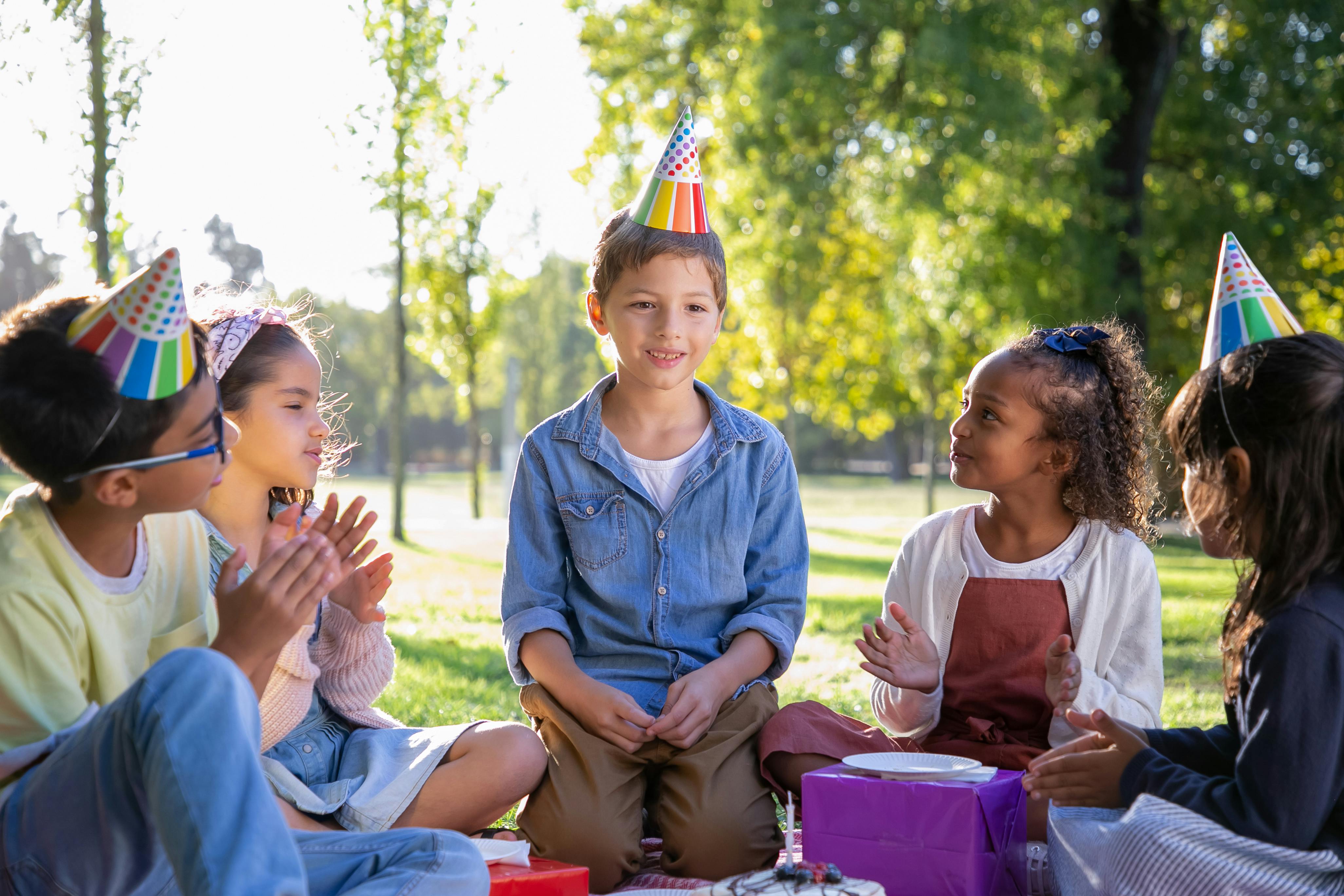
Here’s how you can help a child who’s being excluded
Make the time
When Bengaluru-based Tweak reader Namrata Kapoor* moved to a gated community with her eight-year-old, most kids living there already had tight-knit groups. “My son felt like an outsider, so I decided to help him break the ice,” she shares. “I took him to the play area every day and encouraged him to initiate conversations with the other kids by asking their names, schools, or ages.” Despite a busy work schedule, Kapoor made time each day to join her son outside, offering quiet support and reminding him to keep trying. It worked. Slowly but steadily, he ended up making new friends in his neighbourhood.
Remember, you’ll probably have to make a diligent effort to help your child fit in better and that requires focused time and attention. Whether it’s organising playdates, offering reassurance, or keeping them occupied, going the extra mile might just make all the difference.
Be willing to take a closer look home
Sometimes, you need to be objective and gauge if it is your child’s behaviour that is making it harder for them to connect with those around them. Can they stand to be a little kinder? Less rough? More thoughtful? Maybe they’re developmentally mismatched?
Mehta, for instance, noticed that her son’s peers had started watching movies like Dungeons & Dragons in the first grade, while Gaurav—who’d been diagnosed with autism—was still watching TV shows like Noddy. “I noticed a growing disconnect between them, so I decided to move him out and enroll him in a special school instead,” she says.
While it’s normal to feel like your sweet ball of sunshine should be everybody’s cup of tea, it’s always a good idea to keep track of their behavioural patterns so you can pick up on anything that seems out of the ordinary.
According to Dr Alisha Lalljee, a Mumbai-based psychologist and special educator, it’s important to instil certain qualities in your child that’ll help them connect better with those around them. “Whether it’s warmth, generosity, or even friendliness, parents should help their child develop people skills, which will ultimately help them attract more friendships,” she explains. Shah recommends self-development camps (like Foliage Outdoors), which use games, role-playing, and adventure sports to help your child become the best versions of themselves.

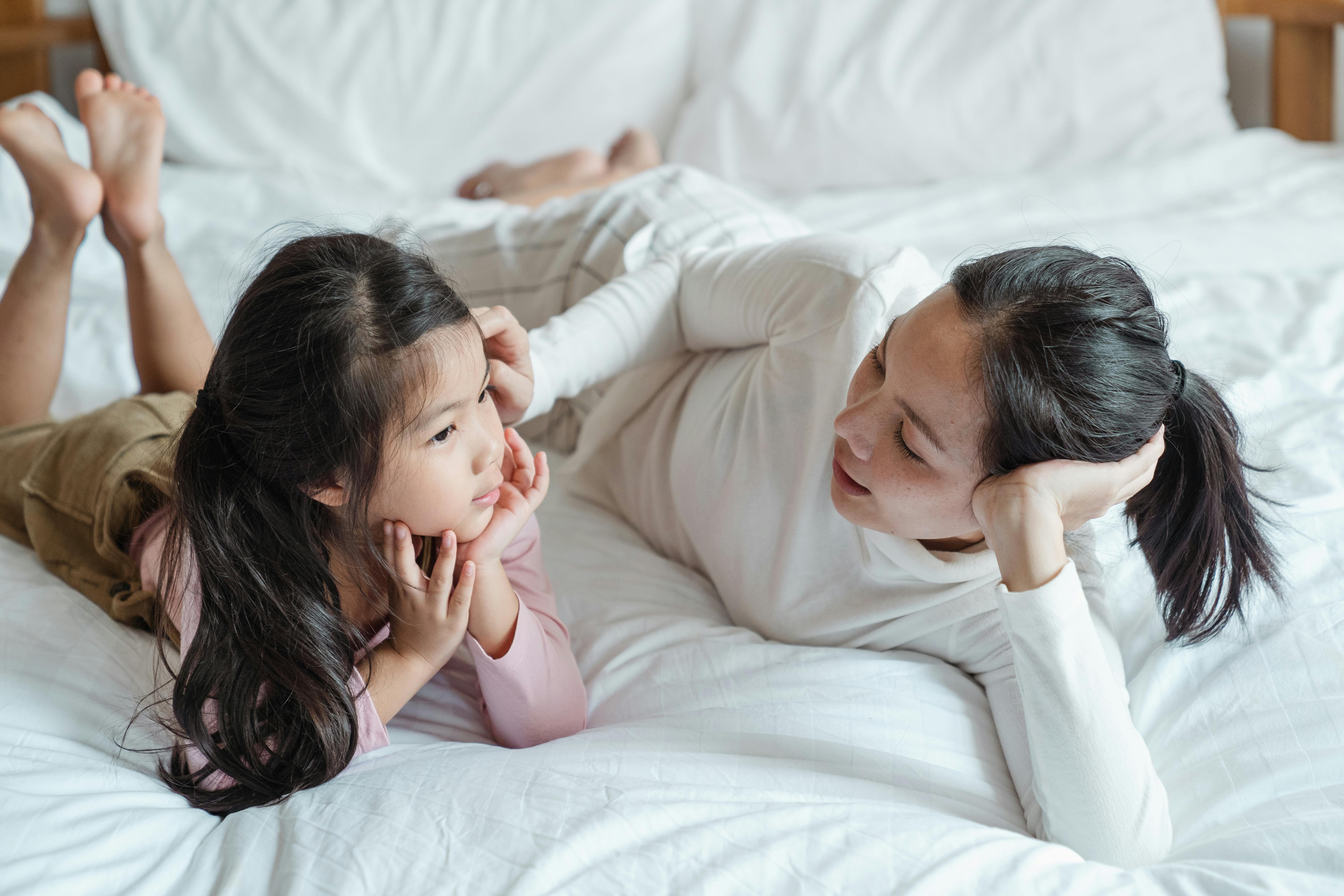
Raise a securely attached child
A ‘secure attachment style’ isn’t just the internet’s favourite buzzword—it might actually be the key to raising a child that is able to tolerate uncertainty and distance in their relationships. This means that it’s normal for your child to crave approval from their peers, but their self-esteem shouldn’t crash and burn in the absence of it. “If that’s the case, you’ll need to constantly remind your child that their self-esteem doesn’t depend on extrinsic factors, like what their friends say about them,” says Mumbai-based psychologist and founder of MentAlly, Purvi Shah.
And if they’re going through a rough patch with their peers, why not turn this into a teachable moment—make them sit with their loneliness, acknowledge the gritty, uncomfortable feelings that come up, and eventually, learn to enjoy their own company. Shah recommends enrolling your child in solo activities like swimming, reading, and cycling to remind them that being alone doesn’t necessarily have to be boring. Chances are, knowing that being alone isn’t all that bad might actually help them feel more secure in their friendships, too.
Move on to greener pastures
Mumbai-based Tweak reader Sonam Paradkar also shares an instance of her school-going son being excluded by a group of friends because he refused to spend money on packaged foods like chips and chocolates, earning the label of ‘too lower middle class’. When she found out, Paradkar decided to take matters in her own hands to help him find peers he was better matched to. “I helped him look for new friends in our neighbourhood, enrolled him for Spanish lessons, and also signed him up for various clubs,” she explains. “Now, he has a completely different set of friends he plays with,” she adds.
The point is, you can’t cajole your child’s peers into befriending them, and trying to force a friendship can actually cause more damage than good. After all, friendship cannot and should not be imposed or coerced. So, if nothing else seems to work, don’t be afraid to help your child find a new environment or set of friends.
The bottom line? Watching your child being excluded by their peers can be a gut-wrenching feeling, but shielding them from ‘difficult’ emotions is the fastest way to turn them into an adult that shies away from conflict and struggles to communicate. What you can do, instead, is become a quiet sanctuary and strong ally for them—a safe, dependable space where they can examine their most uncomfortable emotions and take the shaky first steps to finding their tribe.
*Names changed upon request
Note of caution: This story is for educational purposes with inputs from trained experts. Please consult your healthcare provider to know what suits your needs best.