

I feel guilty about raising an iPad baby—here’s how we’re slowly breaking free
“Screens aren’t the enemy—they’re tools”
I never thought I’d be that mom—the one whose child is glued to a screen, swiping away like some tech CEO. When I was pregnant, I had this vision of my son playing outside, running around barefoot, or with his head buried in books like a little kitaabi keeda (I would even forgive him if he destroyed a few). You know, the wholesome childhood we all envision for our little ones. But then, the COVID-19 pandemic arrived, and I ended up with an iPad baby.
The early days of the pandemic were a blur. My husband and I were based in Mumbai, and as new parents, we were still adjusting to sleepless nights and managing the demands of an almost one-year-old who needed us constantly. Tired, overwhelmed and trying to hold it together, we struggled to work through four consecutive lockdowns. And while my elderly in-laws were living with us, we had no outside help—no friends to swoop in or cousins to share the load.
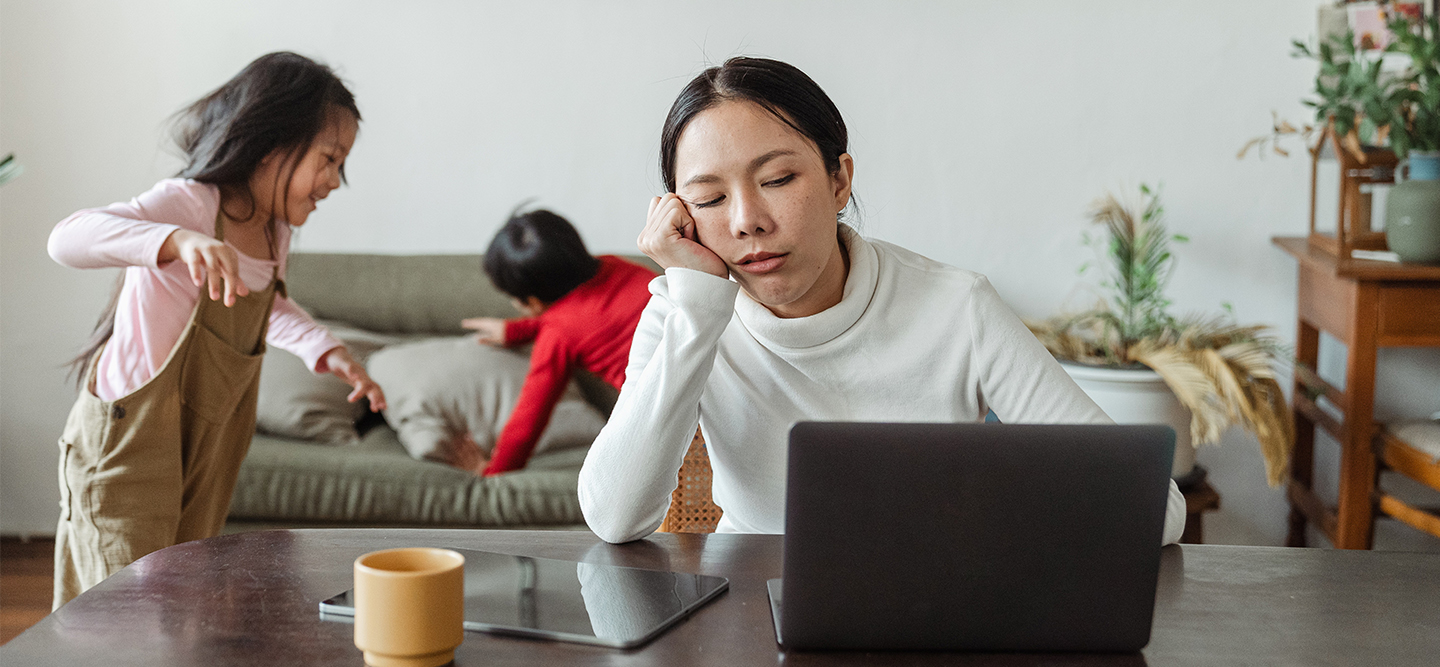
At first, I resisted the iPad. Like any nervous mom-to-be, I’d read enough think pieces to know that screen time was a bad idea. At least, what I call ‘dedicated’ screen time, beyond the occasional cartoons and a Sunday Pixar movie night. But as the months went by, I caved. The truth is, I had to get things done. The house was a mess; the laundry wasn’t folding itself. And while my in-laws helped as much as they could, they also had their own health limitations. To make matters worse, the four of us—my husband, his parents, and I—tested positive for COVID-19, seemingly like a game of passing the parcel. And to top it all off, I had to accommodate work commitments, as the media company I worked for was struggling to stay afloat. Managing deadlines and Zoom calls while caring for my son became a constant juggling act.
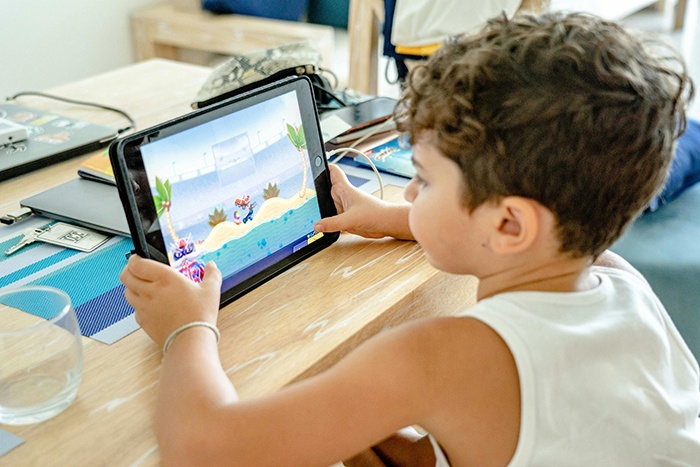
I remember the first time I handed him the iPad. He was about 18 months old, and I was drowning in a pile of unfinished work with a virtual meeting scheduled in 10 minutes. I reluctantly placed the iPad before him, allowing him to watch a short Peppa Pig video. One video turned into two, and before I knew it, my silent babysitter was on duty. This little device brought in saviours like Peppa Pig and Chhota Bheem and became a routine part of our day. It found its place during meals, at bedtime, and whenever my son wanted to zone out if something didn’t interest him. What began as a temporary solution to manage work and chores quickly escalated into a full-blown dependency. We had fallen into the trap of convenience, with the iPad buying us time to get things done.

By early 2023, after my son turned three, I began to notice concerning signs. Lockdowns were a thing of the past, but he still had no interest in playing outside. He’d throw a tantrum if I tried to take the iPad away during meals. At first, I convinced myself that this was just a phase, a side effect of the pandemic, but earlier this year, things grew more worrisome. One evening, I decided we’d have a peaceful family dinner without the iPad. But the mere suggestion caused him to erupt into a massive tantrum—screaming, crying, and even banging his head on the table in frustration.
I was overwhelmed with mom guilt. I knew we’d messed up as parents, and we needed to fix it. My husband and I decided to consult a child psychologist to try and understand what was going on. Could it be ADHD? Autism spectrum disorder? Or was it just juvenile rage? The idea that we had unknowingly damaged our child terrified me. The iPad had gone from being a handy distraction to a constant necessity in his life, and the screen time kept growing—sometimes two, three, or even more hours each day.
The psychologist we consulted was kind and straightforward. While not ruling out other possibilities, she explained that we were dealing with something like an addiction—a dependence on the iPad that had been enabled by us. She made me realise that for my son, the iPad wasn’t just a toy. It had become a crutch, something he relied on to navigate his little world—a security blanket that helped him self-soothe. In a way, his reaction to losing the iPad mirrored the way adults react when their coping mechanisms are taken away. The psychologist also helped us move past the guilt; she reminded us that the pandemic had thrown everyone off and that many families were struggling with the same issue. The key was to focus on solutions rather than dwelling on the past.

This made sense. After all, the pandemic had forced all of us to go online; how could it not affect the lives of our children? The psychologist went on to explain that we couldn’t completely cut off my son from screens, especially since kids these days need technology for school and socialising. However, we could find balance. The reality is, his world will be far more digital than ours, and instead of avoiding screens altogether, we need to teach him how to use them responsibly.
After our conversations, and guided by her advice, we began implementing a few strategies to achieve this balance. Here are some changes that have worked for us in slowly guiding our iPad baby back into the real world.
Setting screen time limits: Instead of cutting him off cold turkey, we gradually reduced my son’s iPad hours. If he was watching cartoons for two hours straight, we’d slowly bring it down to an hour, then 45 minutes, and so on. This helped avoid meltdowns, and over time, he adjusted to the reduced time.
Creating ‘no-screen’ zones: We decided that certain parts of the house would be iPad-free—like the dining table and his bedroom. These boundaries helped my son understand that mealtimes and bedtime were for real-life interaction, not screen time.
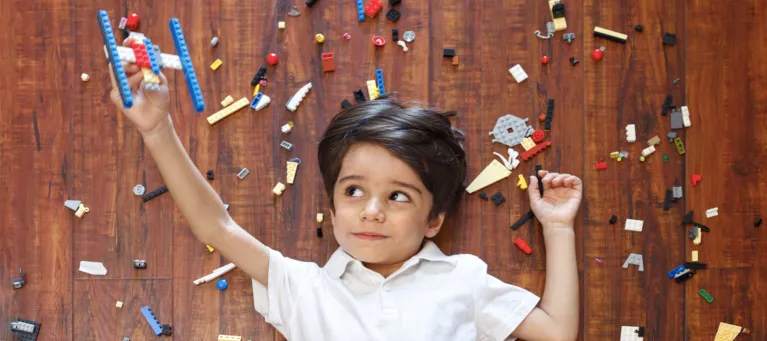
Offering alternatives: I tried to get creative with his toys, art supplies and books. We set up a mini Lego station, introduced him to jigsaw puzzles, and started reading children’s short stories together. It hasn’t always been smooth, but my son has begun to engage more with these activities.

Involving the child in decisions: We allow my son to have a say in how he spends his non-iPad time. We ask, “Would you like to read a book or go to the park?” Giving him some control over his offline activities is helping ease the transition.
Using positive reinforcement: If my son has spent considerable time away from the iPad and played with his toys or interacted with us, we praise him or offer a small reward, like an extra bedtime story or a fun weekend outing. These little incentives keep him motivated.
Since we began using these techniques, there has been some progress. It’s been a slow journey and consistency has been crucial. For example, initially, during meals, we would allow the iPad but make sure to talk to our son and try to engage him in conversation. Slowly, he began responding. He’d join in the chatter, laugh, and actually enjoy being around us at the table instead of zoning out. The tantrums lessened, and his attachment to the iPad gradually started to wane.
It’s important to remember that kids don’t unlearn habits overnight, and we have to celebrate every small step. Balance is essential, and we must acknowledge that the world we’re raising our kids in fundamentally differs from the one we grew up in. Screens aren’t the enemy—they’re tools. I need to teach my son how to use them mindfully instead of letting them control him.
It’s a work in progress. The iPad isn’t going anywhere, but neither is our effort to nurture our son’s imagination and growing independence. Now that he’s about to start school, I can already see subtle changes. He’s more curious about the world around him. He asks more questions, he’s a bit more social, and there are even days when he’ll happily ditch the iPad for some painting. As a mom who’s been through the lockdown trenches, it feels like a win.
This is an anonymous account, as told to Sara Hussain.