


9 books that feel like eating lunch alone in a crowded cafeteria
Hello darkness, my old friend
As a sixth-grader, being tagged a “loner” was perhaps the most self-esteem-destroying tragedy that could befall you. The king of all insults, arguably worse than being called fat, ugly, or even chashmish. Even today, as adults with fully developed prefrontal cortices, we resolutely skirt around the topic of loneliness like it’s that last, glum-looking piece of kesar barfi.
But then there comes along a piece of art that perfectly encapsulates this abject feeling, and even makes light and meaning of it. Like the Booker-shortlisted Tweak India Book Club x Crossword pick of the month, The Loneliness of Sonia and Sunny. It follows the lives of two lonely Indian immigrants—Sonia, a novelist who exits a dysfunctional relationship with a man 30 years older, and Sunny, a journalist who’s moved to America to get away from his overbearing mother. When the love deities lead the two to a Jab-We-Met-esque encounter on an overnight train, sparks fly. Kiran Desai’s first novel in almost 20 years, it’s partly a romance but mostly a meditation on themes of identity, belonging, cultural alienation, and the complex reality of being an immigrant.
Inspired by this 700-pager, we’ve rounded up nine books that aren’t afraid to dissect, fillet, and sous vide the weird and knotty experience of being lonely—ultimately leaving you with the ironic feeling of being seen and understood.
9 books where loneliness is the actual main character

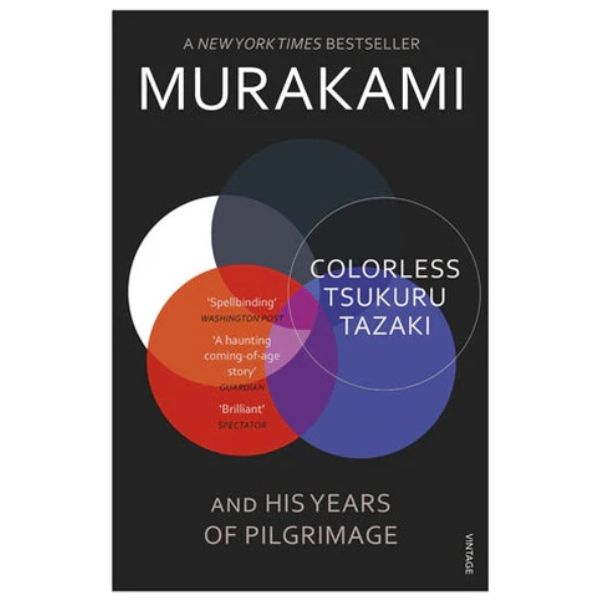
Colorless Tsukuru Tazaki and His Years of Pilgrimage by Haruki Murakami
When Murakami isn’t fixating on a beckoning bosom or throbbing erection, he’s painting a vivid picture of what it means to be entangled in a loneliness so lethal and all-consuming, it takes over your personhood and renders you a shell of the person you once were.
This particular novel follows Tsukuru Tazaki, a college student whose life falls apart when his group of friends (Think: the trio in Dil Chahta hai) cuts him off without warning (friendship breakups are heartbreaking.) What ensues is a period of stomach-churning, appetite-thwarting, near-suicidal loneliness. It’s only 16 years later that Tazaki finally musters up the courage to reconcile with his friends in search of answers. A #1 New York Times bestseller, it’ll definitely strike a chord if you’ve ever lost a close friendship.

Cockroach by Rawi Hage
Remember Kafka’s novella, The Metamorphosis, where a salesman discovers he’s mysteriously turned into a gargantuan insect? Based on vibes alone, we’d say this book’s halfway there. It all starts when a self-declared thief in Montreal’s immigrant community is forced to attend therapy sessions after a failed suicide attempt.
Soon, we learn about the thief’s childhood in a war-torn country, his time in émigré cafés, and his delusions of being a giant cockroach scurrying through an alien land. Perhaps because Rawi Hage himself lived through the Lebanese Civil War before moving to Canada, this story about the immigrant experience feels all the more hard-hitting.
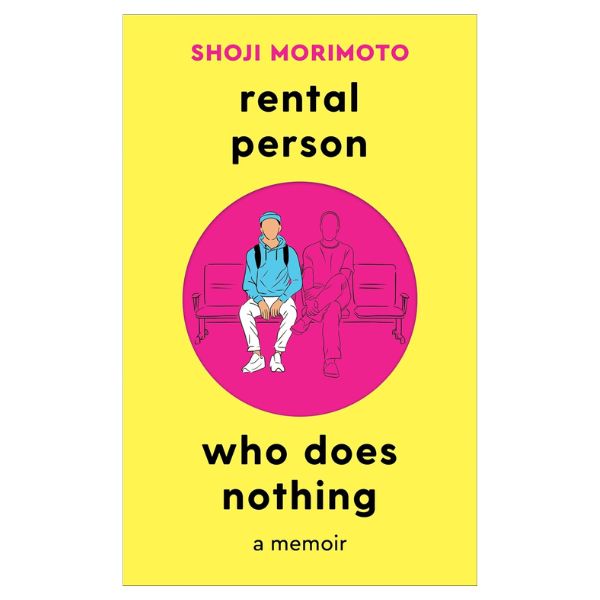
Rental Person Who Does Nothing by Shoji Morimoto
Picture this: your day job involves stepping out for a leisurely lunch with a complete stranger (minus the soul-sucking small talk) and being slipped a wad of cash at the end of it all. Rolling your eyes in disbelief? Well, for 41-year-old Shoji Morimoto, this is reality.
In his memoir, Morimoto details his adventures as a “do nothing guy” offering his company to the lonely and anxious—from quietly sitting beside a client undergoing surgery, to watching a client poke around her husband’s secret dating app profiles, even taking 13 laps on a train line. The anecdotes he shares are compelling and often jestful, but when you really cut through the noise and arrive at the raw, squelchy bone marrow underneath, you find yourself witness to a terrifying reality: a world where people don’t even have friends to accompany them to a doctor’s clinic.
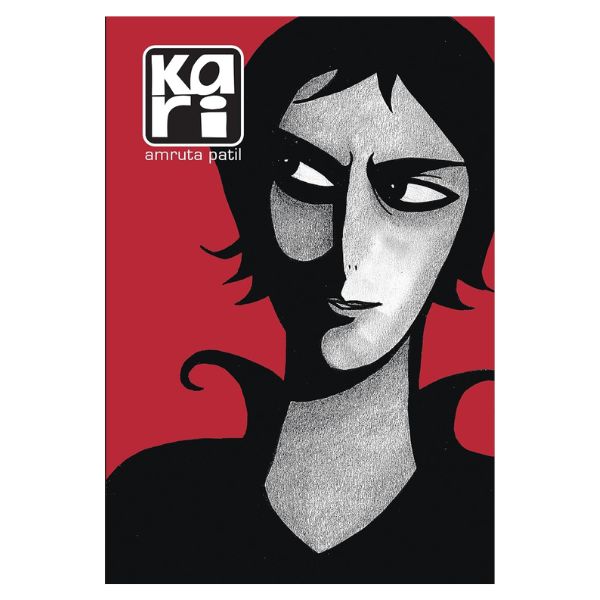
Kari by Amruta Patil
If you heave a sigh upon discovering that a book is longer than 200 pages, may we suggest a graphic novel? This one’s only 124 pages long and it’s the first Indian graphic novel to feature a lesbian protagonist, too.
The novel opens with the titular Kari, the protagonist, emerging from a sewer after surviving a double suicide attempt with her lover Ruth. In a dirty, decaying city—befittingly monikered Smog City—Kari wades through overflowing sewers, casual queerphobia, and the grief of losing Ruth, who also survived the attempt but exited the city. This book is impactful precisely because Kari’s inner world, as bereft of colour as the dreary, grey illustrations, feels eerily familiar to anyone who’s grown up in a sprawling urban hellscape like Mumbai.
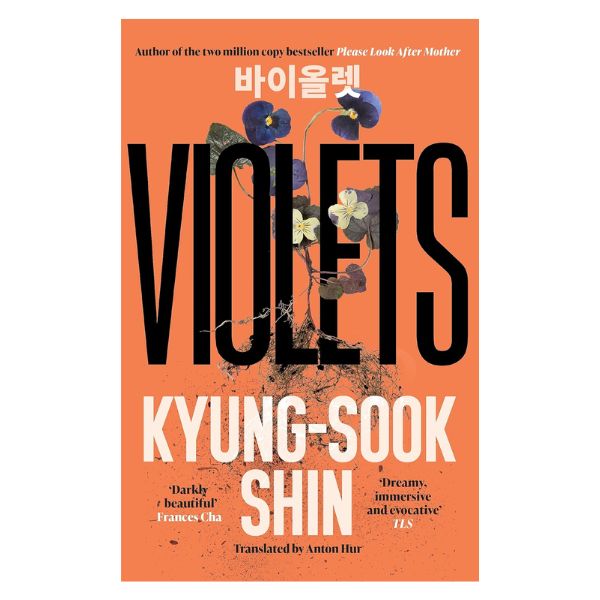
Violets by Kyung-Sook Shin
Meet San, a lonely 10-year-old girl ostracized by her peers. Things look up when she befriends another loner, Namae, but come crashing down after the two share a kiss and Namae brutally shuns her afterwards. Years later, San starts a job at a flower shop, where, still haunted by Namae’s rejection, she develops a self-destructive obsession with a visiting photographer.
In a heteropatriarchal era, this is as much a tale of women’s erasure as it is one of unrequited love, and Kyung-Sook Shin sums it up perfectly in her afterword: “There are women all around us who exist in silence, anonymous, and without anything special about them; she could be me and she could be you.” If you enjoyed Sayaka Murata’s Convenience Store Woman, think of this book as its heavily tattooed emo cousin.
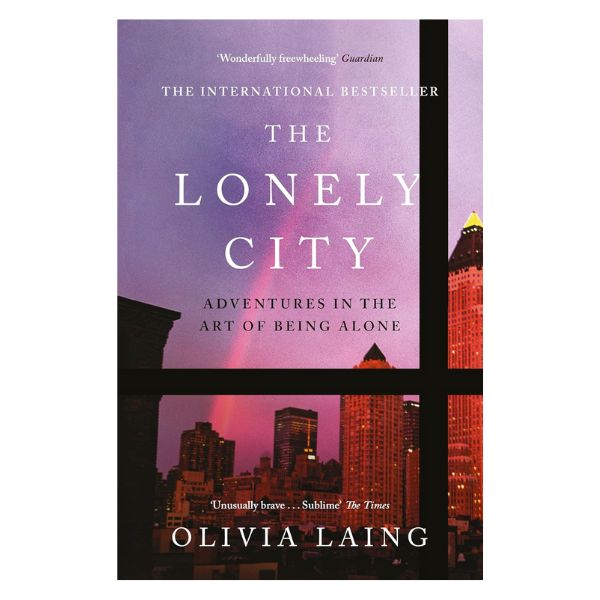
The Lonely City by Olivia Laing
Upon moving to New York City in her mid-thirties, Olivia Laing finds herself reeling from a rare affliction: a form of isolation that only crops up in urban spaces. “You can be lonely anywhere, but there is a particular flavor to the loneliness that comes from living in a city,” she confesses.
At first, Laing hoodwinks you into believing you’re reading about New York through her eyes, until she segues into the lives of famous artists like Edward Hopper, Andy Warhol, and Klaus Nomi—all people who’d once inhabited that very city and captured their own feelings of isolation in their art. Flitting between personal disclosure and cultural criticism with ease, Laing thus conducts a rich and exhilarating investigation into what it truly means to be lonely.

Drive Your Plow Over the Bones of the Dead by Olga Tokarczuk
When Janina Duszejko, a batty old recluse with a penchant for astrology, poetry, and animals, discovers that her neighbours—the members of a hunting club—have started dying mysteriously, she’s convinced they’re being murdered by forest animals seeking vengeance.
Set in rural Poland, this whodunnit cum fairytale examines themes of animal rights, justice, free will, and insanity with a feather-light touch. And through it all, we befriend Duszejko, who’s physically isolated from the rest of the world and reckoning with the loneliness of growing old.
Olga Tokarczuk has earned her fair share of literary acclaim over the years, and this book didn’t fall short either, making it to the Man Booker International Prize shortlist in 2019.

An Unnecessary Woman by Rabih Alameddine
Pulitzer aside, what this book really deserves an award for is giving us the coolest protagonist: a blue-haired, septuagenarian shut-in obsessed with translating books. Much of the book takes place in Aaliya Sohbi’s inner world: memories of war, her adoration of Beirut, and her impotent ex-husband who divorces her out of shame. Amidst it all, the titular idea emerges—how a woman is deemed “unnecessary” because she’s divorced, childless and godless.
While Aaliya seems content in her ivory tower, Rabih Alameddine, in an interview with NPR, reflects: “…We can delude ourselves into thinking that we can live without human connection. And so, there’s this whole push/pull in the book for me… which is, how do we balance an inner life with an outer life and how important is each?”

The Solitude of Prime Numbers by Paolo Giordano
Based on the premise that a prime number can only be divided by itself or by one, we’re introduced to two misfits, or “primes”: Alice and Mattia, both shouldering the burden of childhood tragedies. Unsurprisingly, the two seek solace in each other, but, much like prime numbers, they can’t fully elide the distance between them, despite being magnetically drawn to each other.
If you wrote thinly-veiled autofiction on Wattpad in 2015 (no shame there), this story about loneliness and trauma will speak to the angsty teenager still trapped inside of you.