

7 bestselling authors help you level up your writing game
When the blank page and blinking cursor are tormenting you
You are settled by the window in your house and the weather is pleasant. A scented candle is lit near you. Your coffee is just the right amount of hot and bitter. A playlist of songs that always charge you up is playing in the background. A quote by American essayist and civil rights activist Maya Angelou is staring at you through the poster on the wall, “There is no greater agony than bearing an untold story inside you.” You open your laptop, determined that today is going to be the day your thoughts flow into words and stories. It is the perfect moment. But then the blank page stares back at you, the cursor blinks impatiently, and suddenly that familiar dread slowly spreads inside you.
As a writer, you may have experienced this more times than you can count. On some days, words flow so fast, you barely have time to collect them all. But on other (read: most) days, writing feels more challenging than getting out of bed on a Monday morning. You show up and try to write, only to end up with no creative inspiration and no dearth of distraction. Everything, including rearranging your desktop icons, suddenly seems more important at that moment (these brain teasers could help). Meanwhile, the idea or incomplete draft of that article, poem, story or novel you want to write keeps gathering metaphorical dust.
And one would assume that if you do manage somehow to overcome writer’s block and get out that manuscript, it will all be smooth-sailing from there. But one couldn’t be more wrong. From editing and rewriting a paragraph 17 times because it just doesn’t click, to being told by a publisher or editor that your story is just not good enough to be published—let’s just say a writer’s journey is not for those who crave instant gratification.
But nothing compares to the bliss of having written. Of surviving this arduous journey and seeing your efforts come to life. Even if your article or book is not perfect, it still encapsulates your inner and outer world in a way that nothing and nobody else can. In that moment, all the difficulties and dejections seem worth it.
So if writing really is your heroic quest, just start and keep going. To give you a little encouragement, we’ve rounded up writing tips from our conversations with seven authors at Tweak Book Club and at this year’s Literature Live! The Mumbai Litfest, who’ve themselves made the journey—many times over.
Writing advice to help you put pen to paper
Expand your reading horizon
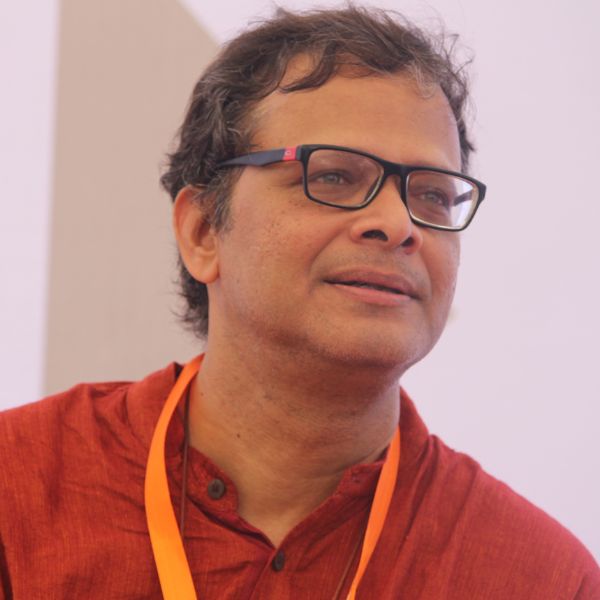
We all have a favourite genre or author that we keep coming back to. And writers often end up reading the kind of work they want to create. But Indian poet, art critic and cultural theorist Ranjit Hoskote, who is known for his poetry collections including Jonahwhale (2018) and Icelight (2023) and has won the Sahitya Akademi Golden Jubilee Award (2004) and Sahitya Akademi Prize for Translation (2013), advises against this practice.
“Read as much as you can, across genres and languages. Diversifying what you read exercises your mental muscles and makes you a better writer. Don’t stick to a single genre based on what you want to write. As a poet, I have learnt a great deal from historians, fiction writers, and even music,” he says. So when your heart is pulling you towards a Harry Potter for the 100th time or you find yourself dissecting only Haruki Murakami’s sparse style every chance you get, pick a denser Elena Ferrante instead or just listen to folktronica music, because every piece of art you experience builds your knowledge database.
Show up every day
For writers to think that creative inspiration will strike them every time they sit down to write is like expecting every person we like to like us back i.e. highly improbable. At times, it seems like inspiration or the Muse has packed her bags and left us a brusque ‘BRB’, but nobody knows when. In such situations, writers should not stop doing their job, says Indian author Amish Tripathi, whose mythological novels have earned wide acclaim.
“The Greeks believed that the Muse is the goddess who would bless them with creativity. Your job as an artist is to help the goddess help you,” the author of the Shiva Trilogy and the Ram Chandra series remarks. The only thing that is in a writer’s control is showing up every day and attempting to write. “The goddess may be busy some days, but you have to keep writing. You never know when she will make an appearance and bless you,” he adds. It is probably this discipline that helps him stay prepared, since he reveals he does not plan any of his novels; inspiration just strikes.
Sri Lankan author Shehan Karunatilaka, who won the 2022 Booker Prize for his book The Seven Moons of Maali Almeida, backs this practice. “Writing every day is the most difficult part. Don’t just do it when you are free and feeling inspired on a Sunday afternoon. Turn up on Monday, Tuesday and every other day, even if it is just for half an hour,” he says.

Don’t expect immediate results
Do you post a write-up on social media once in a blue moon, and get an instant confidence boost upon garnering 40-50 likes? Or have you written your first film script and expected a production house to accept it on the first go? The desire for instant gratification can be an obstacle to becoming a better writer. Sahitya Akademi Award-winning poet and novelist Jerry Pinto, who is known for books such as Em and the Big Hoom (2012) and Postcards from Bombay (2019), has one word for artists who want to master their craft: practise.
“The reason our shastriya sangeet is so good is because the musicians practise every day for 15 years, before which they are not allowed to step on stage. You can’t get a complete understanding of your art form, your voice, and your strengths and weaknesses unless you have done the riyaaz,” Pinto, who is also a seasoned journalist, says. In an interview, the author had revealed that it took him over a decade to write his first novel, but as he practised and wrote every day, he eventually found his voice.
If you want to play the long game, and create something that lasts, you should do it every day, with all your heart, without expecting instant recognition or success. “Take your time. Do your reading. Do your writing. Wait. Understand that it will happen when it is meant to happen,” he adds.
Write about what matters to you
Imagine waking up every day with the sheer excitement of penning down the story you have in your mind and heart. This attraction towards your work is what can free you from writer’s block. And it occurs only when you pick a subject you deeply believe in or write about something you are passionate about, instead of going with the trend and choosing what you think will get you commercial and critical success.
Korean-American author Min Jin Lee swears by this notion—a fact that shines through in her historical fiction book Pachinko (2017), a story around Korean immigrants in Japan. The book that ranked 15 on The New York Times‘ 100 Best Books of the 21st Century list, is deeply personal to her since her family too were Korean immigrants. Lee, who says she never faces writer’s block, suggests getting into a passionate love affair with your story. “This relationship becomes alluring to you. Your book (or any other piece of writing) should be as sexy as that. If my work is not alluring, I wouldn’t do it,” she says. The logic is simple: If you care about what you are writing and it is precious to you, you should want to do it. “Choose something that is beautiful and alluring to you, and you will stay with it,” she adds.
Build psychological stamina
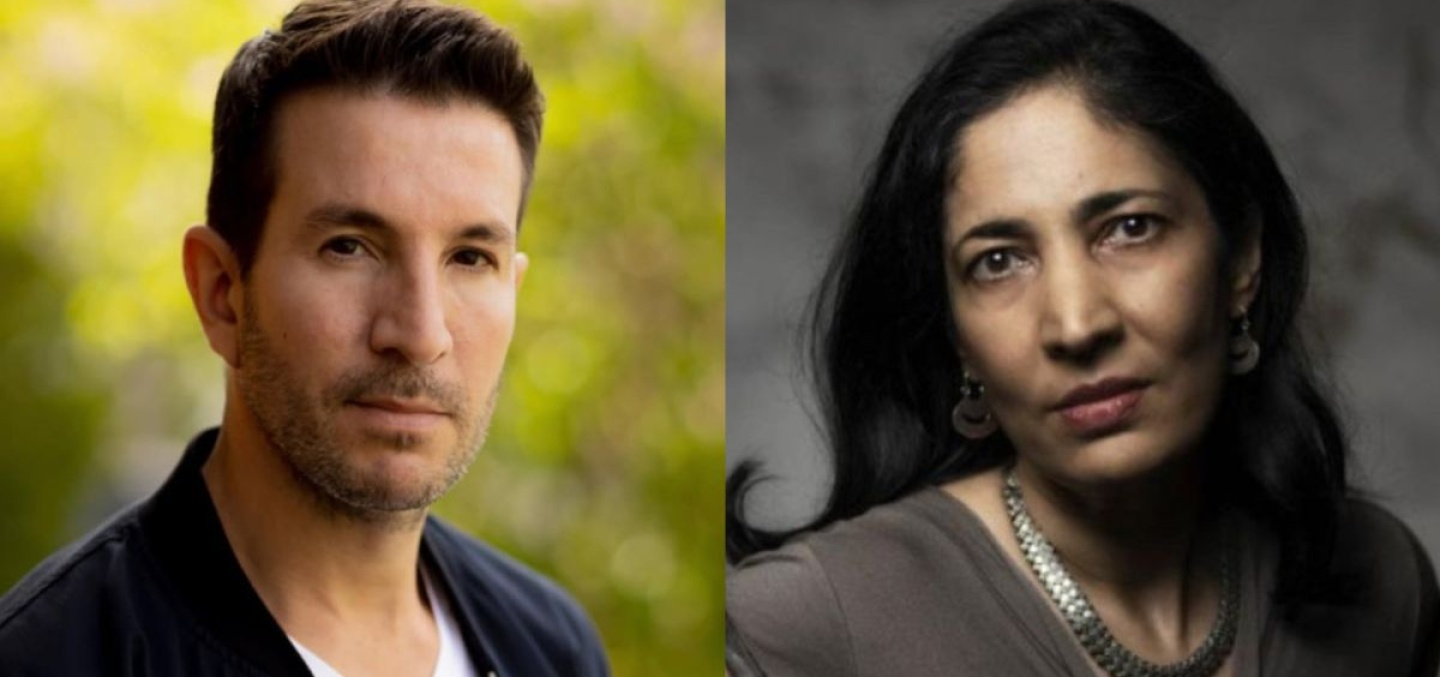
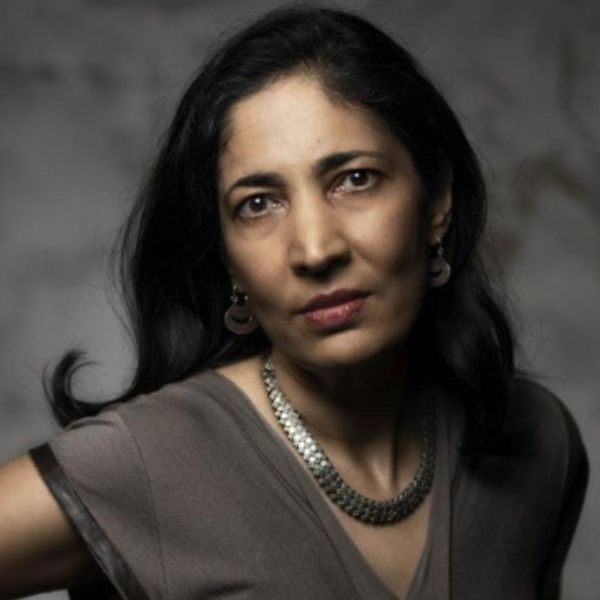
Lack of creative inspiration is the bane of a writer’s existence. When writer’s block strikes repeatedly or persists for long, giving up seems like the easy (and sometimes, only) way out. But if you build the mental strength to push through that disillusionment, you are already halfway to the finish line. Take this advice from Kiran Desai, who released her Booker Prize-shortlisted novel The Loneliness of Sonia and Sunny (2025) after a 20-year gap from her previous book The Inheritance of Loss (2006).
“A lot of writing, especially writing a book, has to do with your psychological stamina and the trust that you will eventually find a way to see it through,” she says. Writer’s block doesn’t always have to be an impediment, especially when your vision is clear and you are confident in your work. “Think of writing as a spiritual journey. It takes time, patience and discipline. I enjoy the journey of not knowing. When writer’s block strikes, I just mull over my sentences or maybe daydream a little bit,” she adds. Desai further states that writing should be the hardest thing you love to do, i.e. you should love it but it should also be an immense challenge because the more effort it takes, the more meaning and fulfilment you will derive from your journey (and the more behind-the-scenes memories you will have to cherish). And building the mental strength and clarity to not back down from the challenges is an essential part of your writing journey.
Be open to rewrites, many times over
Do you tend to become offended if someone points out potential improvements in your writing? Writers are often very protective about their work, defending their choices and dismissing suggestions. This, according to British-Cypriot writer Alex Michaleides, is how you don’t become a good writer.
“I have known a lot of writers in my life. And the ones I noticed who didn’t succeed were the ones who weren’t malleable. They couldn’t change their mind or their ideas. Now, when I write a chapter and my editor says it is not working, I tear it up and start again,” says Michaelides, whose debut novel The Silent Patient (2019) earned the top spot in The New York Times Bestsellers List upon its release. In an interview with the American Film Institute, he revealed that he made several corrections in his draft before his editor came on board. But even after all the self-editing, his editor made him rewrite the ending, which he says helped “fix it”.
So, if someone whose opinion you trust says that your character’s actions are not matching the backstory, or your plot transitions seem abrupt, the smart thing to do is to accept the suggestion, think over it and then decide, instead of becoming defensive and holding grudges (another thing authors are very famous for).