



10 books that will turn you into detective Byomkesh Bakshi
Nothing is as it seems in these perplexing narratives
Who doesn’t love a mystery? Especially when it comes to books, nothing beats the thrill of finding out you’ve been tricked or misled, and then to eagerly piece together the truth like detective Byomkesh on a caffeine high. Enter unreliable narrators—the literary equivalent of that one friend who swears they’re already on their way, but you can hear Sarabhai vs Sarabhai playing in the background.
This month’s Tweak Book Club pick, The Fury by Alex Michaelides, features one such unreliable narrator, Elliot Chase, who recounts the events of the novel. The story begins on a private Greek island where Lana Farrar, an ex-movie star, is hosting her friends for a relaxing getaway. What seems like an idyllic escape quickly transforms into a nightmare when a murder takes place on the island, leading us through a maze of deception and hidden motives. Devouring the book can feel like assembling IKEA furniture with half the instructions missing—frustrating but oh-so-satisfying once you finally piece it together.
What makes books with unreliable narrators so irresistible? Perhaps it’s that they require you to put on your thinking cap, consider what’s unsaid and analyse the narrator’s reality—are they biased, mentally unwell, playing mind games, or just purely deceitful? The unpredictability is thrilling, and it’s up to you to decipher what’s real.
And just when you’re convinced you’ve figured them out—bam! Plot twist. Suddenly, everything you thought you knew is tossed out the window. These mental gymnastics keep us hooked as we examine the spaces and cracks between the lines, and uncover just how messy and subjective human perception can be. So, inspired by The Fury, we’ve rounded up some of our favourite books with unreliable narrators, where mistrust is served with a side of narrative intrigue. Ready to question everything you read?
Books with unreliable narrators that’ll keep you sleuthing

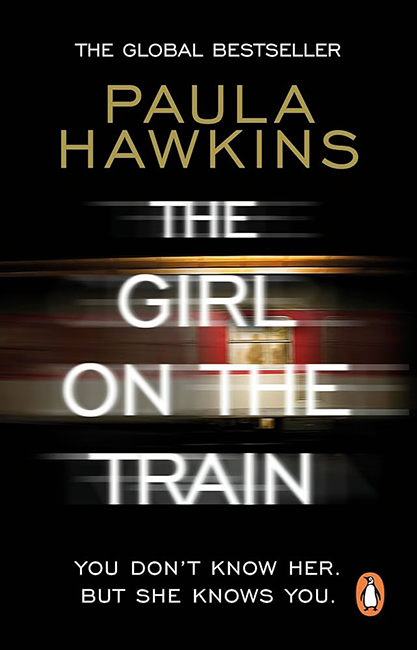
The Girl on the Train by Paula Hawkins
Rachel Watson, the novel’s flawed, binge-drinking protagonist, spends her days commuting in and out of London on the train, observing the world outside—particularly a seemingly perfect couple she’s become obsessed with. They appear to be living the dream life she craves, until one day she witnesses an event that shatters her fantasy.
When “Jess”, the woman she’s been watching, goes missing, Rachel finds herself pulled into the investigation. But with her own messy past and addiction clouding her judgment, can we really trust anything she remembers? Multiple perspectives add layers of suspense to the story, as readers try to distinguish between reality and Rachel’s alcohol-laden imagination. The gripping novel has secured two screen adaptations: a 2016 film starring Emily Blunt, and a 2021 Netflix remake with Parineeti Chopra as the lead.

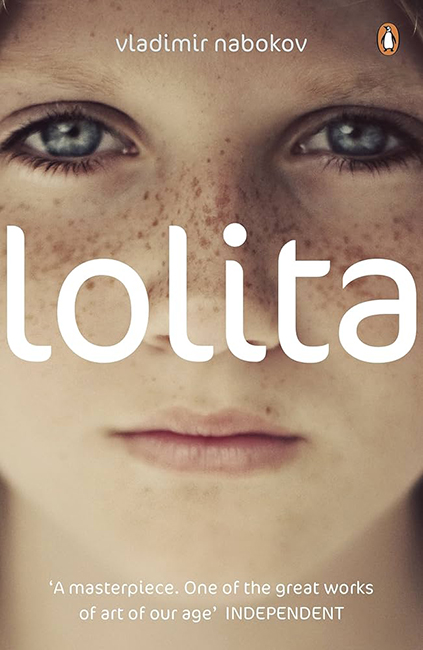
Lolita by Vladimir Nabokov
Humbert Humbert, a middle-aged man with a dangerously unhealthy obsession, is enamoured with Dolores Haze, a 12-year-old girl he calls ‘Lolita’. In a twisted attempt to get close to her, he marries the girl’s mother, setting the stage for disturbing revelations that he narrates himself. Throughout the novel, Humbert spins a web of justification, presenting his predatory behaviour in a way that almost evokes sympathy from the reader—an upsetting manipulation.
Blinded by his obsession, Humbert fails to recognise the devastating impact he’s having on Lolita’s life, all while convincing himself, and at times the reader, that his actions are somehow excusable. This narrative control forces us to grapple with the discomfort of sympathising with a character capable of immense harm. While Lolita isn’t a thriller, its unreliable narrator plays a pivotal role in distorting reality, making you question morality, manipulation, and the seductive power of language itself. It’s a masterclass in deception, showing how a narrative can manipulate readers as much as it does the characters within it.

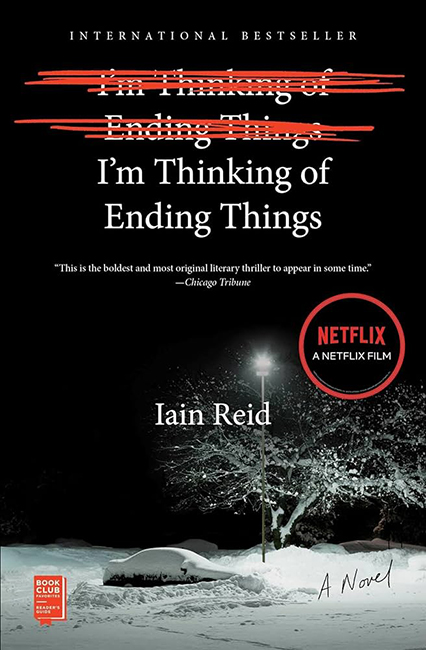
I’m Thinking of Ending Things by Iain Reid
In this mind-bending thriller, Jake and his new girlfriend, an unnamed female narrator, are driving through a snowstorm to visit his parents. As the trip progresses, his girlfriend begins to question their relationship and the reality of their situation—why did she agree to ‘meet the parents’ if she was considering ending the relationship?
The narrative quickly takes a surreal turn, with the girlfriend’s increasingly erratic perception of the dinner, house tour and interaction with Jake’s parents, which seems odd at times, blurring the lines between reality and delusion. Despite the plot revolving around a straightforward road trip, with an unexpected pit stop, the story captivates with its almost claustrophobic atmosphere and a volley of twists that keep you second-guessing everything until the very end.


The Good Son by You-Jeong Jeong
Yu-jin, a 26-year-old with epilepsy, wakes up one morning to discover his mother dead at the bottom of the stairs, with no recollection of the previous night.
As he attempts to retrace his steps and unravel the events that led to her death, his unreliable memory keeps distorting the truth, leaving him and the reader in a state of uncertainty. Is he a victim, a killer, or something even more sinister? With Yu-jin at the heart of this twisted narrative, you find yourself unravelling the mystery right alongside him, while never fully sure if you can trust his account.

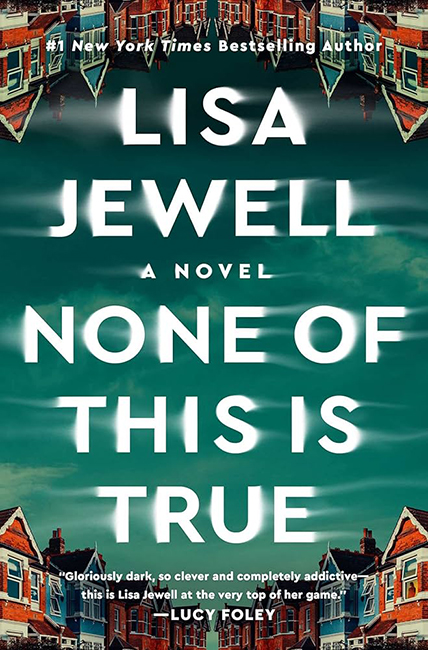
None of This Is True by Lisa Jewell
Lisa Jewell’s novel revolves around two women, Alix and Josie, whose lives intersect with disastrous repercussions. Alix, a successful podcaster, meets Josie at a restaurant where they’re both celebrating their 45th birthdays. What seems like a random encounter turns unsettling as Josie becomes fixated on the idea of being interviewed for Alix’s podcast, promising a mysterious and exciting life story.
As Josie worms her way into Alix’s life, revealing disturbing details about her past, Alix is drawn into her complicated web of lies and secrets. It becomes evident that Josie isn’t as innocent as she seems, and as we alternate between the women’s points of view, reality and manipulation begin to intertwine. Alix and the reader are left questioning what’s true and what’s part of Josie’s dangerous game.

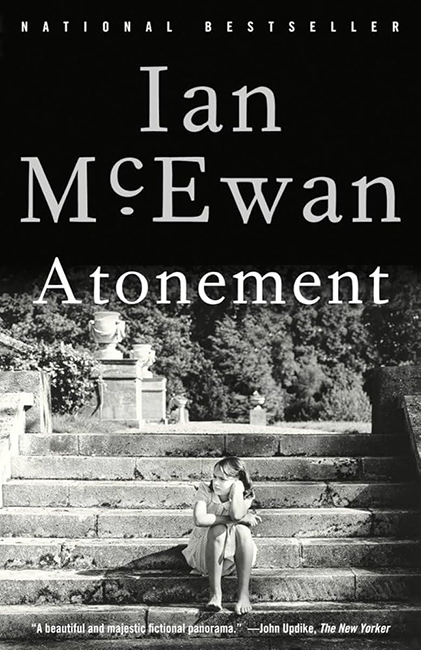
Atonement by Ian McEwan
Atonement by Ian McEwan is a powerful tale of guilt, love, and the irreversible impact of a single lie. At 13, Briony Tallis makes a catastrophic mistake by accusing Robbie Turner of a crime he didn’t commit after misunderstanding his relationship with her sister, Cecilia. This accusation devastates lives and Briony spends the rest of her life grappling with the consequences, and seeking atonement through her writing.
The story spans decades, showing how Briony’s perception and guilt evolve over time. Though not a psychological thriller or horror book where being suspicious of the narrator is common, Atonement earns its place here as Briony’s initial unreliability sets in motion a series of events that are built on fractured truths and a desire for redemption, making readers reconsider everything they thought they knew.
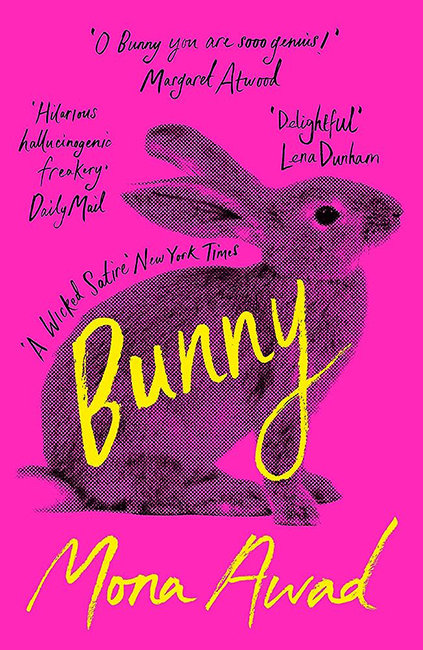
Bunny by Mona Awad
In this psychological thriller with dark academia themes, Samantha, a shy and awkward MFA student, is drawn into a strange clique of eccentric girls who call each other “Bunny” and participate in bizarre, cult-like rituals. As she becomes enmeshed in their world, Samantha’s grip on reality begins to waver, leading her to question her own sanity and the truth behind the group’s surreal and unsettling practices.
Struggling with her mental health and manipulated by the other “Bunnies,” Samantha’s narrative becomes increasingly fragmented. Readers are left to sift through the chaos, trying to separate fact from fiction. The novel’s bizarre, dreamlike atmosphere heightens the confusion, blending reality and illusion in a darkly funny and disturbing read.

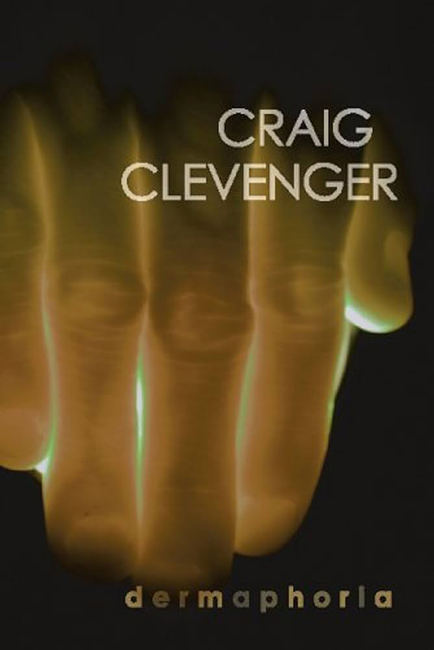
Dermaphoria by Craig Clevenger
Eric Ashworth finds himself bailed out of jail and holed up in a dingy motel struggling with amnesia—except for the haunting memory of a woman’s name: Desiree. He turns to a mysterious hallucinogenic drug that allows him to sift through his fragmented past, but the more he relies on the drug, the more his present reality slips out of focus.
As the novel progresses, the boundaries between truth and illusion become increasingly blurred, with themes of love, loss, and violence dominating this gritty, mind-bending tale. Dermaphoria envelops you in a surreal haze where nothing is as it seems, offering a distinctive exploration of memory and identity.

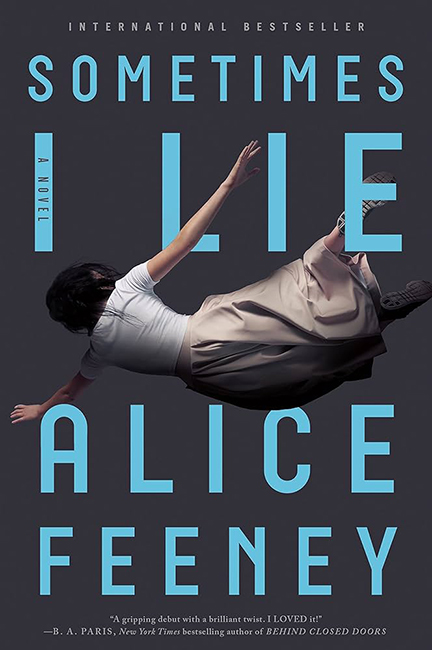
Sometimes I Lie by Alice Feeney
Amber Reynolds wakes up in a hospital, trapped in her own body—she can hear, but she can’t move or speak. With no memory of how she ended up there, she listens to the murmur of family and friends around her, slowly piecing together the disturbing truths about her life and the events that led to her present condition.
As Amber’s hazy memories come into focus, the novel becomes a confounding puzzle that keeps readers on edge. The suspense builds as Amber’s shifting perceptions force us to navigate through layers of deception and reality in this thrilling exploration of trust, memory and hidden truths.

Fight Club by Chuck Palahniuk
No list of books featuring unreliable narrators is complete without mentioning Fight Club—though, technically, we can’t really talk about Fight Club. Chuck Palahniuk’s cult classic is a wild ride through themes of consumerism, identity and masculinity. The novel’s unnamed narrator is plagued by insomnia and trapped in a monotonous life, and finds a strange kind of solace in support groups for various ailments.
Things take an interesting turn when he crosses paths with Tyler Durden, a soap salesman with some radical ideas about reclaiming masculinity and challenging societal norms. They start an underground fight club, initially as a bizarre form of bonding, but it soon spirals into a full-blown rebellion against mainstream culture. As the fight club grows more extreme, our narrator’s world gets increasingly chaotic—and, well, let’s just say, things get pretty out of hand.
You will love this