


These books by whistleblowers will give you trust issues
The gritty, the grimy, and everything in between
When her water broke, Sarah Wynn-Williams wasn’t readying herself with her loved ones to enter one of the most significant phases of her life—she was furiously typing out a work memo on her laptop as contractions shook her body. As Facebook’s director of global public policy, she was decidedly an employee first and a person second. It was only when her doctor gently shut her laptop lid and kept it aside that she focused on birthing her child. As unbelievable as it may seem, this incident is just one among many.
In her 400-page memoir, titled Careless People: A Story of Where I Used to Work, Wynn lays bare in excruciating detail her experience of working at Facebook for seven years. From emotionally stunted bosses to cunning sexual predators, she’s seen it all. She speaks of Facebook’s ability to swing elections in different parts of the world, the shocking way it targets teens between 13 to 17 years with advertisements based on their emotional state, and its monetisation of private data shared by users.
By the end of it, you’re left wondering if you should abandon modern society and simply take off for the mountains with no cell phone in tow. Yet, her book is arguably as crucial as it is appalling. If not for whistleblowers like Wynn-Williams speaking out at great personal risk, we’d forever remain in the dark about the people at the top that profit off our naivety. Not that Meta (formerly Facebook) didn’t try to stop her—they did. But, despite taking legal action and banning Wynn-Williams from promoting her book, they couldn’t block her from publishing it.
If this is a rabbit hole that piques your interest, we’ve rounded up nine books by whistleblowers that’ll remind you to pause, do a double take, and think more deeply about the events of the world and the products you consume.
Books by whistleblowers that’ll make you wish you could seek sannyasa in the Himalayas


False Claims: One Insider’s Impossible Battle Against Big Pharma Corruption by Lisa Pratta
Lisa Pratta began working as a sales representative at Questcor Pharmaceuticals, a drug-manufacturing company, in 2010. At the time, Questcor had come up with a truly exceptional drug for patients of multiple sclerosis. But instead of carrying out the tests they were supposed to, Questcor chose to toy with their patients’ lives and forced their sales team to go ahead with untested drugs to make a profit. When Pratta found out about this, she was caught in a harrowing predicament. On one hand, the company’s misdeeds went against all her moral beliefs, but, on the other hand, as a single mother of a special-needs child, she couldn’t risk losing her financial stability by calling them out publicly.
Eventually, in 2012, she decided to become a whistleblower and secretly report off-label prescriptions to the United States government. “If I was at a cocktail party and somebody confessed what they were doing was bribery, I would write it on a napkin in the bathroom or even on my pants,” she admits in her book. In March 2019, the Department of Justice delivered a 100-page lawsuit against Mallinckrodt (which had acquired Questcor) and even mentioned Pratta’s role as a whistleblower. But, the company simply filed for bankruptcy, making the legal action against them come to a standstill. It was only three years later, in 2022, that they settled it out of court and paid $26.3 million for violating the False Claims Act.
If you’ve ever been at the receiving end of pushy doctors or hospital bills that threaten to empty your bank account, you’re probably already familiar with big pharma corruption. This book will give you an insider’s peek into what really goes on behind closed doors.


Extra Virginity: The Sublime and Scandalous World of Olive Oil by Tom Mueller
Thought the bitter, herby olive oil in your overpriced pesto pasta is free of drama? This book will convince you otherwise. (You don’t need to sacrifice your bank account to whip up great meals, though.) It all started when New York Times bestselling author Tom Mueller published a scandalous article in 2007 about corruption in the olive oil trade. Years later, in 2013, he published a meticulously researched book about how olive oil is one of the most exquisite products in the market, and somehow, also the most endangered. After all, there’s no dearth of oil criminals who’re seizing the opportunity to make low-cost, faux extra-virgin olive oils while authorities look the other way.
From a 60-year-old woman striving to keep her family’s business afloat, to a cunning neighbour who earned her wealth by selling faux oil, Mueller looks at real-world accounts of people who produce oil, and ultimately, pays an homage to its culinary value and cultural history. For fans of Kitchen Confidential: Adventures In The Culinary Underbelly by Anthony Bourdain and food aficionados, this one will take you down a ‘slippery’ slope into a world of fraud, crime, and scandal.


Blood on My Hands by Kishalay Bhattacharjee
Bringing it closer home, Indian journalist Kishalay Bhattacharjee’s book includes an anonymous confession by an army officer on staged encounters in Northeastern India, even touching upon how awards and citations are strongly tied to an officer’s body count. “You are here to catch militants, so you have to catch militants. This is your business. You can’t say, I have a budget of only 30,000, so I can’t catch them,” admits the confessor.
Without taking names, this shocking account reveals how the Indian Army, local police, and mafia often work in tandem to carry out these extra-judicial killings. And while loyalty to the armed forces is natural, this book is a solemn reminder that no institution is without its flaws.


Empire of Pain: The Secret History of the Sackler Dynasty by Patrick Keefe
Remember the large and powerful Volturi family in Stephenie Meyer’s Twilight? The one that called all the shots and made people quake in terror? Think of the Sackler family as their real-life version… except, in the pharmaceutical industry. The owners of the company, Purdue Pharma, are one of the richest families in the world. In fact, the Sackler name is etched into many famous institutions across the world: Harvard University, the Metropolitan Museum of Art, and the Louvre, to name a few.
But there’s a dark side to the Sackler family’s wealth—one that’s entrenched in immense grief, illness, and death. In the mid-1990s, the family started manufacturing a potent and highly addictive painkiller called OxyContin, marketing it aggressively and downplaying its ill-effects. While the family generated billions of dollars as a result, they also created fertile ground for an opioid crisis in America, which ended up killing over 450,000 people in the past decades.
While Keefe isn’t the first to report on the Sackler story—and so, isn’t a whistleblower in the traditional sense—his book points out that the Sackler family has continued to evade accountability and threaten journalists over the years, despite pleading guilty to federal charges in 2007. Justice, it seems, has been only half-served. If non-fiction often lulls you to sleep, this one’s a great foray into the genre. Combining a gripping, fast-paced narrative with robust research, this reads like a fiction book but has all the rigour and detail of a historical account.


Catch and Kill by Ronan Farrow
In 2017, American journalist Ronan Farrow was conducting a routine investigation when he stumbled upon a story that would rattle the film and TV industry for years to come. He discovered that Harvey Weinstein, one of Hollywood’s most influential producers, was secretly a sexual predator, lurking behind immense power and wealth. But as Farrow started to unravel the truth, he found that Weinstein was just one piece of a larger puzzle. Each time he tried to pitch the story to his bosses at NBC, he was shut down. It was only after he was fired from his job that alarm bells started ringing—perhaps his bosses didn’t want to publish this particular story because they were also part of the puzzle.
The impact of this book is undeniable—not only did it win The New Yorker a Pulitzer Prize for public service, but also was instrumental in the #MeToo movement, where victims publicly spoke about their experiences of abuse and harassment. As American actor and musician Jared Leto is accused of sexual misconduct by multiple women right now, we’re reminded that Farrow’s reportage is unfortunately still timely and speaks to a larger, systemic evil that may take decades, if not centuries, to fully eliminate.

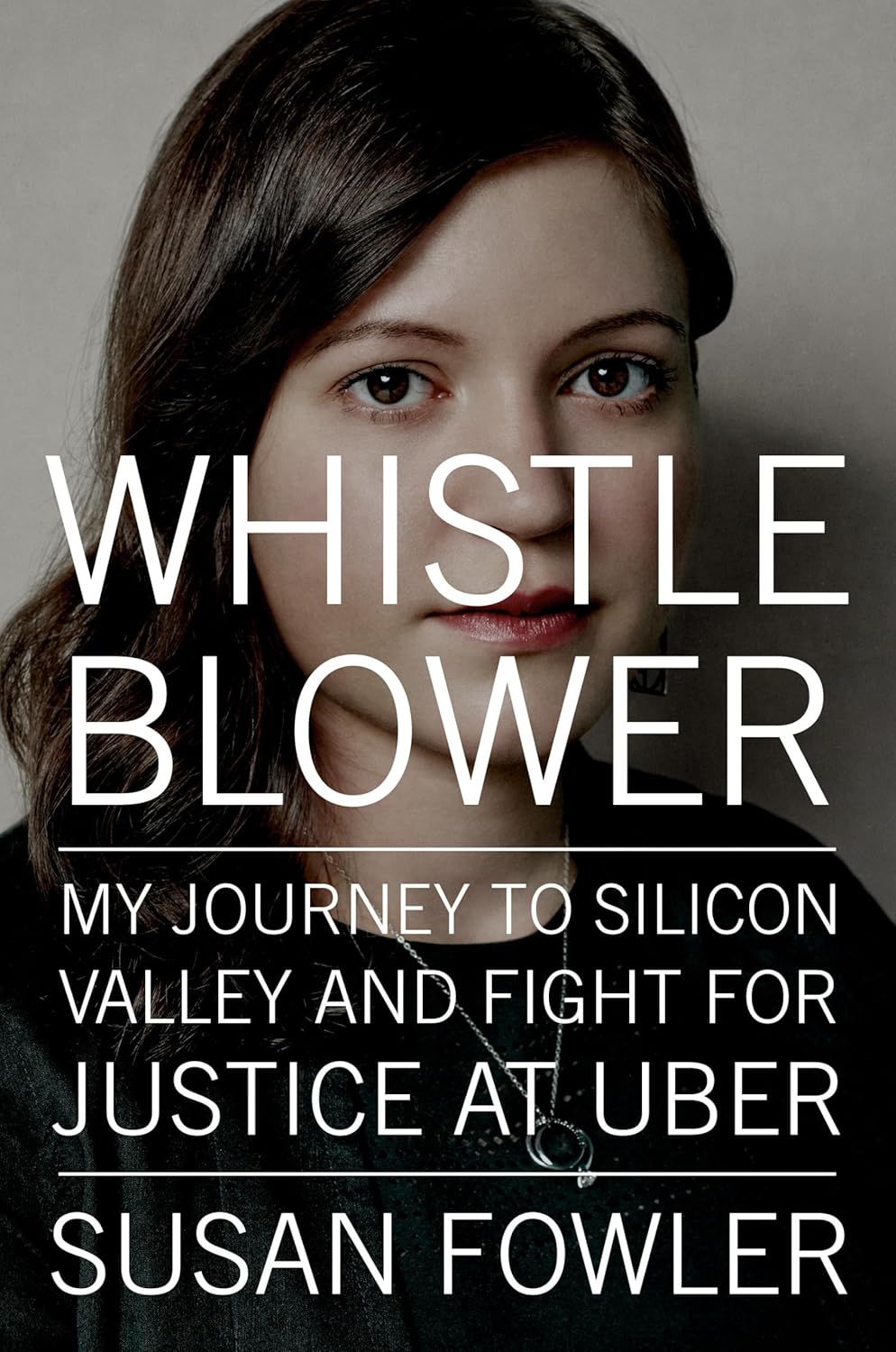
My Journey to Silicon Valley and Fight for Justice at Uber by Susan Fowler
Most people in their twenties find themselves in an endless rut of job-hopping, paying electricity bills, and downing tequila shots on Friday nights. Not Susan Fowler. In her twenties, she turned into a nationwide sensation when she published a shocking blog post in February 2017, detailing the sexual harassment she faced while working at Uber. From growing up in poverty with little formal education, to arriving at an Ivy League school, to finally making her way to one of Silicon Valley’s most reputed companies, her journey had been nothing short of admirable.
But, when she stumbled upon a work culture that upheld racism, misogyny, and abuse, she refused to stay silent. Despite the risk of speaking out, she decided to post a blog entry, ‘Reflecting On One Very, Very Strange Year At Uber’. So groundbreaking was her post that it sparked the tech industry’s version of the #MeToo movement about six months before the actual hashtag came into common parlance. Spurred on by her bravery, other women slowly started sharing their stories of sexism in Silicon Valley, and in December 2017, Fowler along with four other women (including Taylor Swift) were named ‘The Silence Breakers’ in the Person of the Year category by Time magazine.

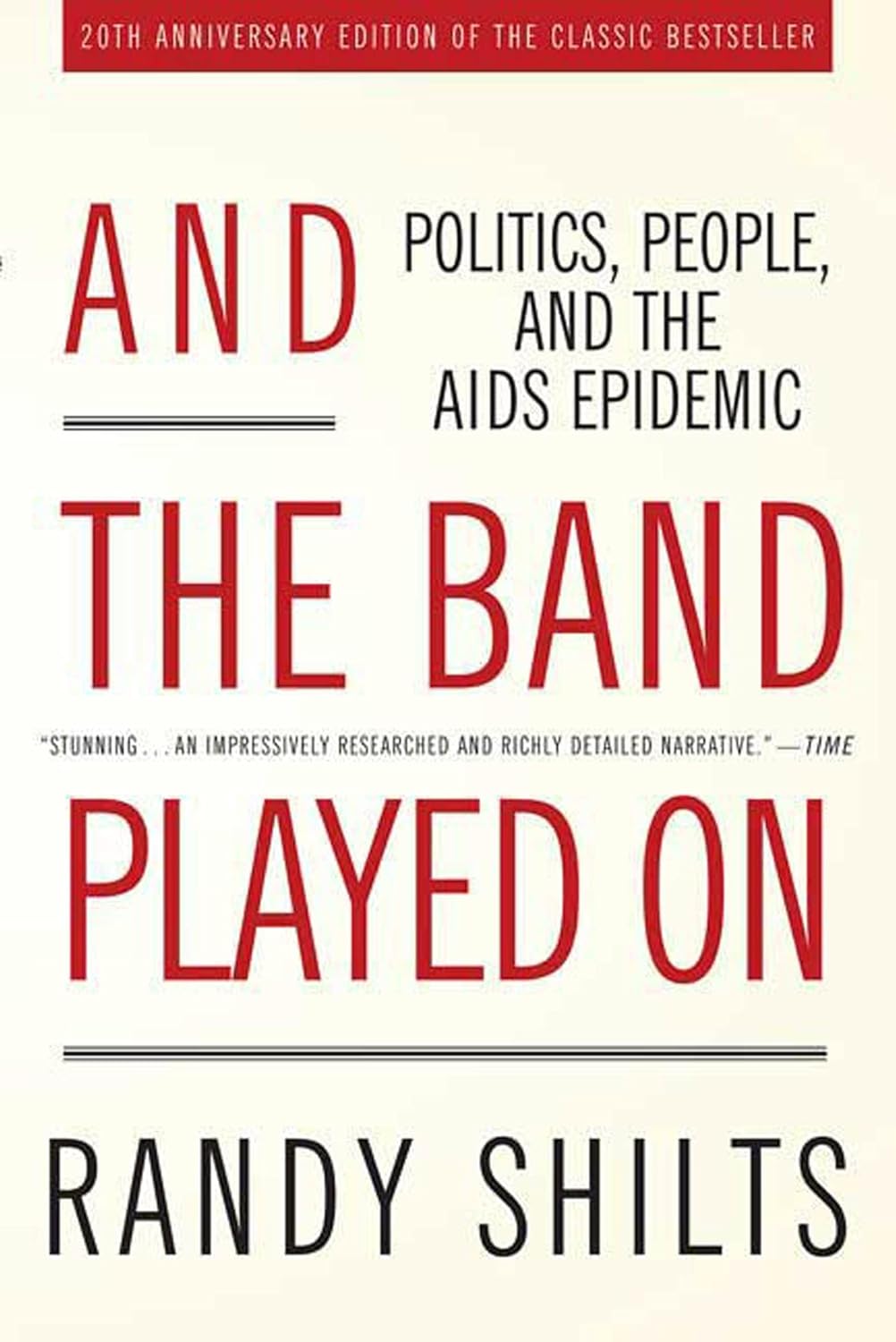
And the Band Played on: Politics, People, and the AIDS Epidemic by Randy Shilts
Until 1981, Randy Shilts was the first openly gay journalist writing for the San Francisco Chronicle, so when the AIDS epidemic struck in June of the same year, he promptly started covering its impact. After interviewing more than 1,000 people and infusing heartfelt, personal touches to his political reportage, Shilts came away with a bird’s eye view of the AIDS epidemic—and a cultural, biological, and political understanding of it like none other. In this book, he not only examines its disproportionate impact on the gay community, but also shines a spotlight on the authority figures who turned a blind eye to the epidemic.
Tragically, Shilts lost his own life to an AIDS-related illness at the age of 42, leaving behind a vivid body of work that meticulously chronicles all the ways the weakest, most vulnerable members of society were wronged by those in power. While emotionally heavy, the book is evocatively written, making it sufficiently easy to get through. And if you still find it dense, why not watch the film adaptation that goes by the same name? Starring Matthew Modine and Richard Gere, it has a runtime of just over two hours and won the Primetime Emmy Award for Outstanding Television Movie in 1994.

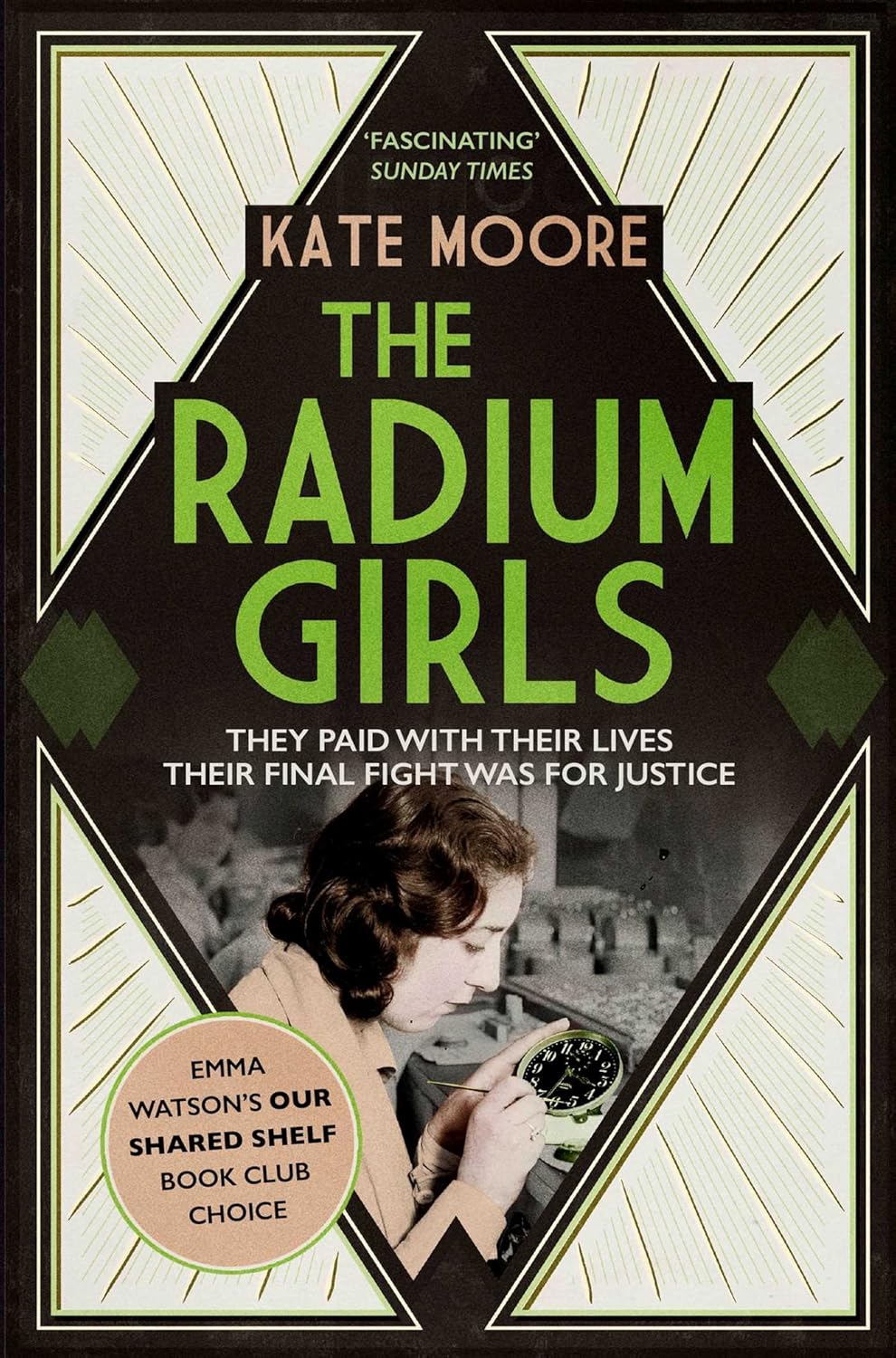
The Radium Girls: The Dark Story of America’s Shining Women by Kate Moore
When radium was first discovered, it was considered to be a ‘wonder drug’—from lotion to tonic water to disease treatment, it firmly cemented its place as a bold new element. The girls who slogged away in radium-dial factories were considered to be incredibly lucky. Their job, after all, was a coveted one. Interestingly, they came to be known as ‘ghost girls’ because the fine, glittery sheen the metal left on them literally made them glow. In fact, they’d often wear their best dresses to work so the fabric would appear luminous when they went dancing after their shift.
That is, until they started to fall sick and complain of horrific side effects. Despite suffering from painful pus-filled ulcers, bleeding, and haemorrhages, their desperate pleas for help were ignored by those in power, and soon, they found themselves trapped in one of the biggest scandals in American history. Poignant, heart-wrenching, and terrifying, this book promises to take you on an emotional rollercoaster as you learn about the radium girls and their tragic plight. And if you’re in the mood for a deep dive, don’t forget to take a look at the author’s in-depth notes on Goodreads. Not only do they lend deeper insight into the topic itself, but also usher you into the behind-the-scenes process of writing a book as emotionally charged as this one.


The Windrush Betrayal by Amelia Gentleman
Imagine you’ve been a peace-loving citizen of a country for several years—dutifully paying taxes, holding down a job, and raising a family—when you start receiving threatening letters and text messages from the government. You punch in at work one morning and find out that your job has been snatched away with no prior intimation. When you show up for a doctor’s appointment, you’re slammed with a bill worth thousands of pounds before your case is even considered. This was the tragic reality of the Windrush scandal, where thousands of British citizens were wrongly deemed ‘illegal immigrants’ in 2018.
With horrifying first-person accounts and empathetic storytelling, British journalist Amelia Gentleman paints a vivid picture of a devastating time in the lives of several people affected by this crisis. Her reportage was so powerful, in fact, that it led to the resignation of Amber Rudd, who was the Home Secretary at the time. What truly sets Gentleman’s writing apart, though, is the raw emotion it evokes. While her focus on factual information is unmatched, she doesn’t shy away from expressing her unbridled anger at the injustice of it all. “The book is dense with facts, but the real thread running through it is a human one,” remarks one article. If you’re a fan of political commentaries with a side of heart, this one’s for you.