


Zombie-slaying Austen heroines and other literary retellings that will challenge your perspective
Queer Austen or Shakespearean gangsters? Take your pick
Readers are known for their insatiable appetites. Whether it’s a concise 50-page novella or an expansive 500-page saga, we find ourselves craving more. Perhaps that is why retellings are so popular and sacred fanfic platforms like Wattpad continue to thrive. The collective imagination of writers and readers breathes new life into beloved literary characters, keeping them alive for generations.
And isn’t it delightful to imagine what might have happened if Sherlock Holmes had fallen passionately in love with Moriarty? Or if Bella from the Twilight series had chosen Jacob over Edward, and set out on a vampire-hunting spree? What if Aunt Petunia was actually an expelled witch from Hogwarts, and Harry Potter was Snape’s secret son?
Our fascination with timeless tales also extends to myths and folklore, and explains why we continually explore them through multiple retellings and perspectives. In My Gita, Tweak India Book Club’s pick for the month of June, mythologist and author Devdutt Pattanaik offers a contemporary interpretation of the Bhagavad Gita, and invites the reader on a participatory journey of understanding the scripture. Unlike the chapter-wise breakdown of the original, Pattanaik adopts a thematic narrative, using modern examples and analogies to add relevance to the profound insights of the text.
Once you’ve had your fill of timeless wisdom, dive into these 10 retellings of widely-loved stories that promise to satisfy the reader and storyteller within you.
10 book retellings to add to your TBR

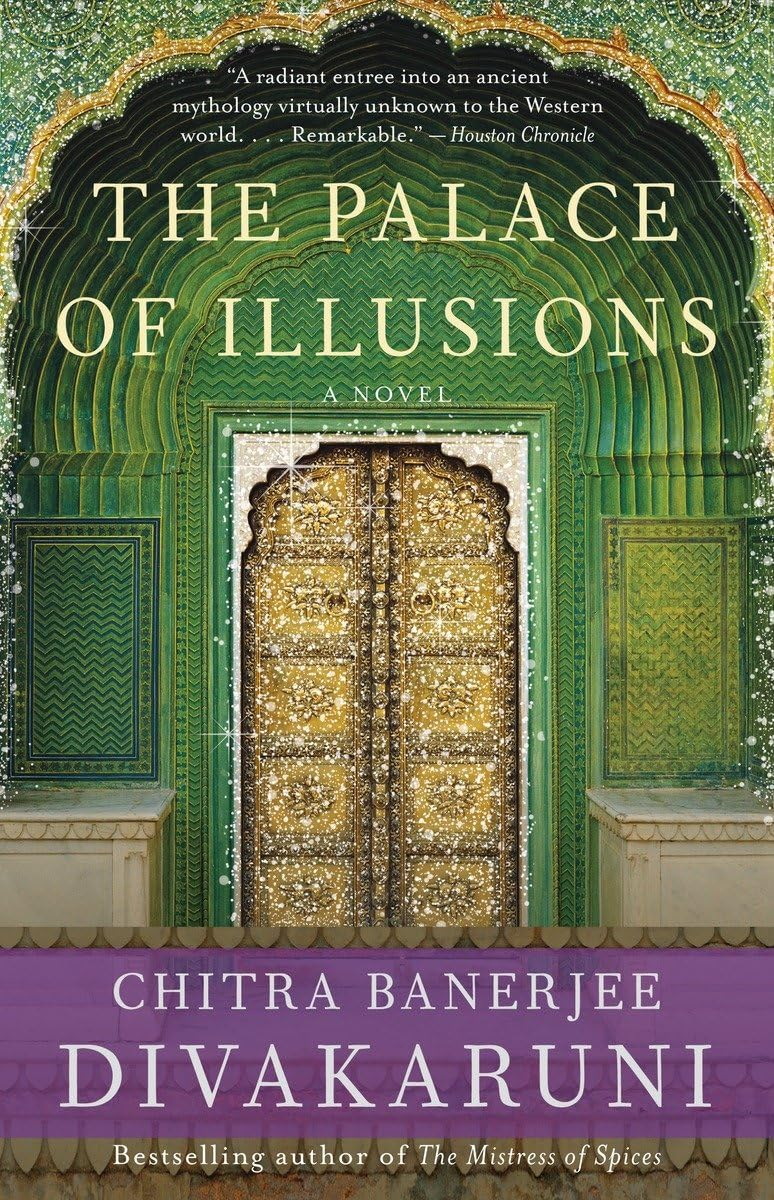
The Palace of Illusions by Chitra Banerjee Divakaruni
In this feminist retelling of the Mahabharata, Chitra Banerjee Divakaruni turns the spotlight on Draupadi, also known as Panchaali, and narrates the epic through her perspective. The story begins with her mythical birth from fire and explores her polyandrous marriage to the five Pandavas, leading up to the events that culminated in the battle of Kurukshetra. The novel closely examines Draupadi’s role as a daughter, the complex dynamics of her unique marriage, her secret admiration for Karna, and her ultimate quest for revenge. It also raises several poignant questions about the agency of women in a patriarchal society, while exploring themes of love, duty and honour. If you’re due for a cathartic cry, we suggest you pick this book up.

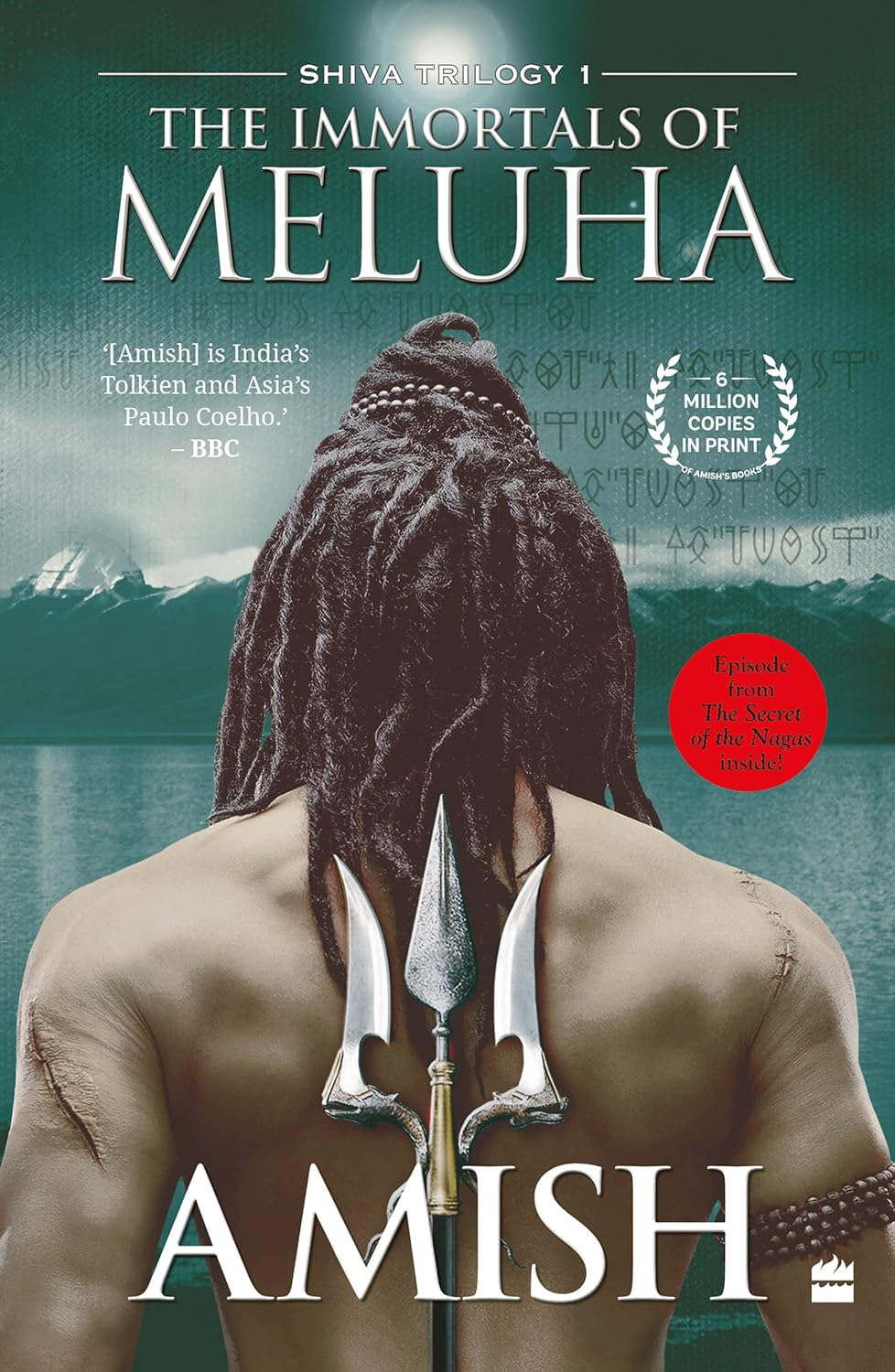
The Immortals of Meluha by Amish
In the first part of the Shiva Trilogy, the ‘coolest’ god in Indian mythology takes centre stage. We meet Shiva as a tribal chief from the Himalayas, who journeys to the ‘civilised’ society of Meluha, where he is hailed as a saviour destined to protect the Meluhans from their enemies. As Shiva leans into this prophecy, he finds love, a loyal band of supporters and purpose, all while uncovering dark secrets that threaten the foundation of Meluhan society. While the narrative largely draws from stories and legends of Indian mythology, it contemporises various mythological elements like scientists manufacturing the anti-ageing Somras on a secure facility for the Meluhans. This allows for an engaging and delectable khichdi of modern and mythical themes.

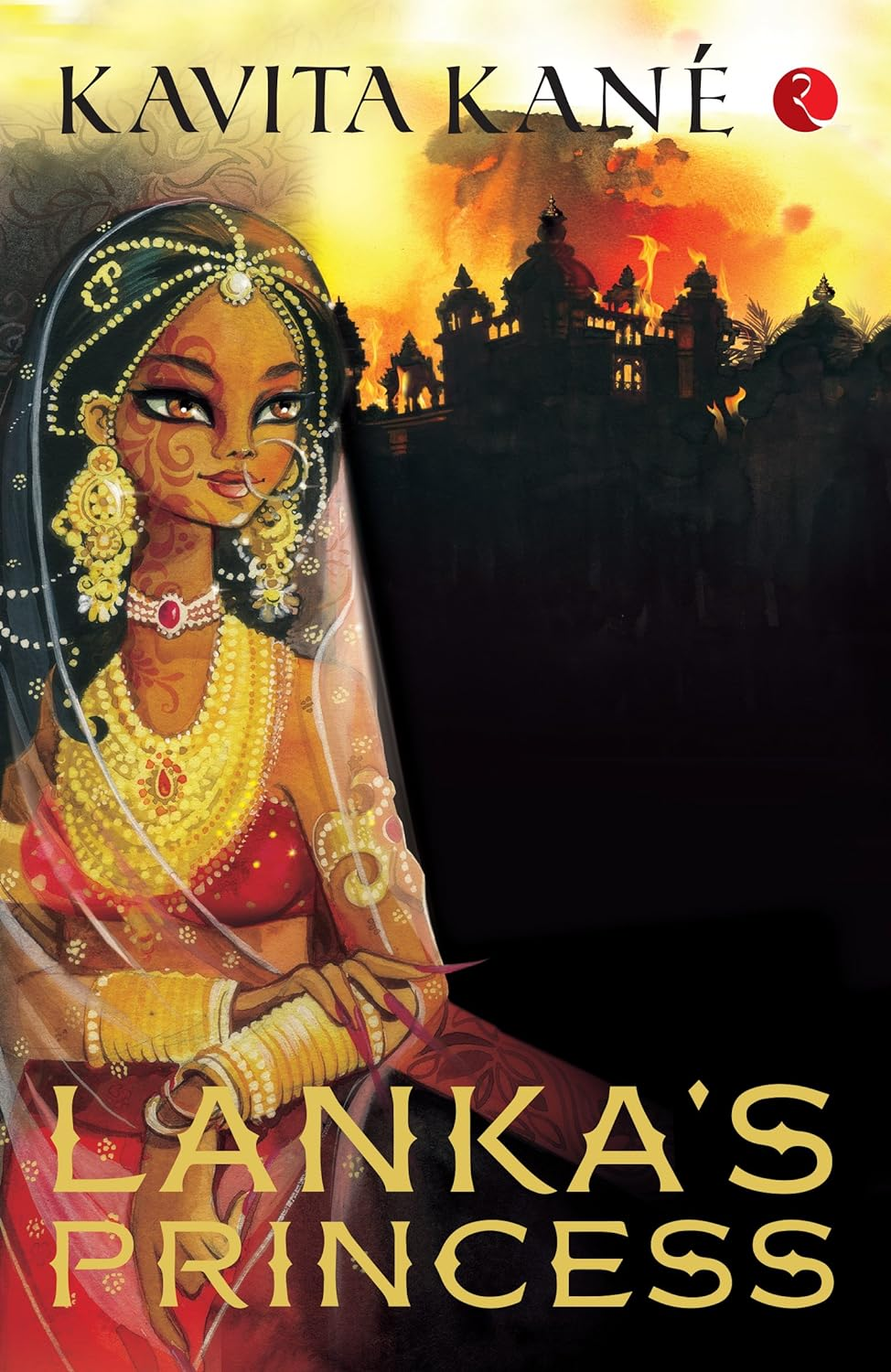
Lanka’s Princess by Kavita Kané
Isn’t a villain’s origin story so much more colourful than a hero’s journey? Especially someone as intriguing as Surpanakha, Ravana’s sister, whose desire for revenge shaped the climax of the Ramayana. Kané gives us a memorable and complex literary heroine with her portrayal of Surpanakha, born as the kind-hearted Meenakshi, who ultimately grows into a vengeful woman due to her troubled upbringing. Her experiences with gender discrimination, sexual taboos and societal expectations lead her to challenge conventional ideas of womanhood. Though perceived as a notorious vamp, her emotional struggles will resonate with women, making it a relatable read you won’t want to put down. The book also raises a pertinent question: why are women who defy societal norms relentlessly vilified?

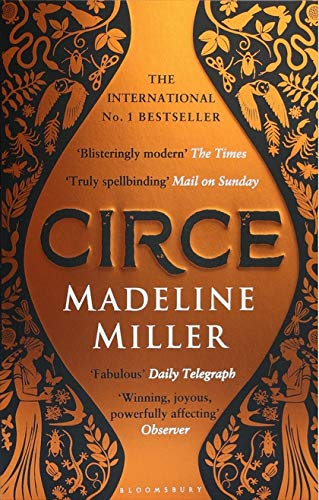
Circe by Madeline Miller
A mythological retelling, whether Indian or Greek, is like pulling a rogue dhaaga on a pristine white blouse—it’s satisfying, unpredictable, and you never know how it will alter the state of your top. Or, in this case, your understanding of the world. In this retelling, Miller casts the spotlight on Circe, daughter of the Greek sun god Helios. Her coming-of-age story is unique as she lacks the powers of her siblings, falls in love with a mortal and is banished to an island. Nevertheless, she hones her magic and witchcraft to make it a powerful force. Being shaped by both gods and mortals, Circe navigates relationships on both sides, often landing in trouble. This is a compelling exploration of loneliness and the challenges of living with a dual nature.

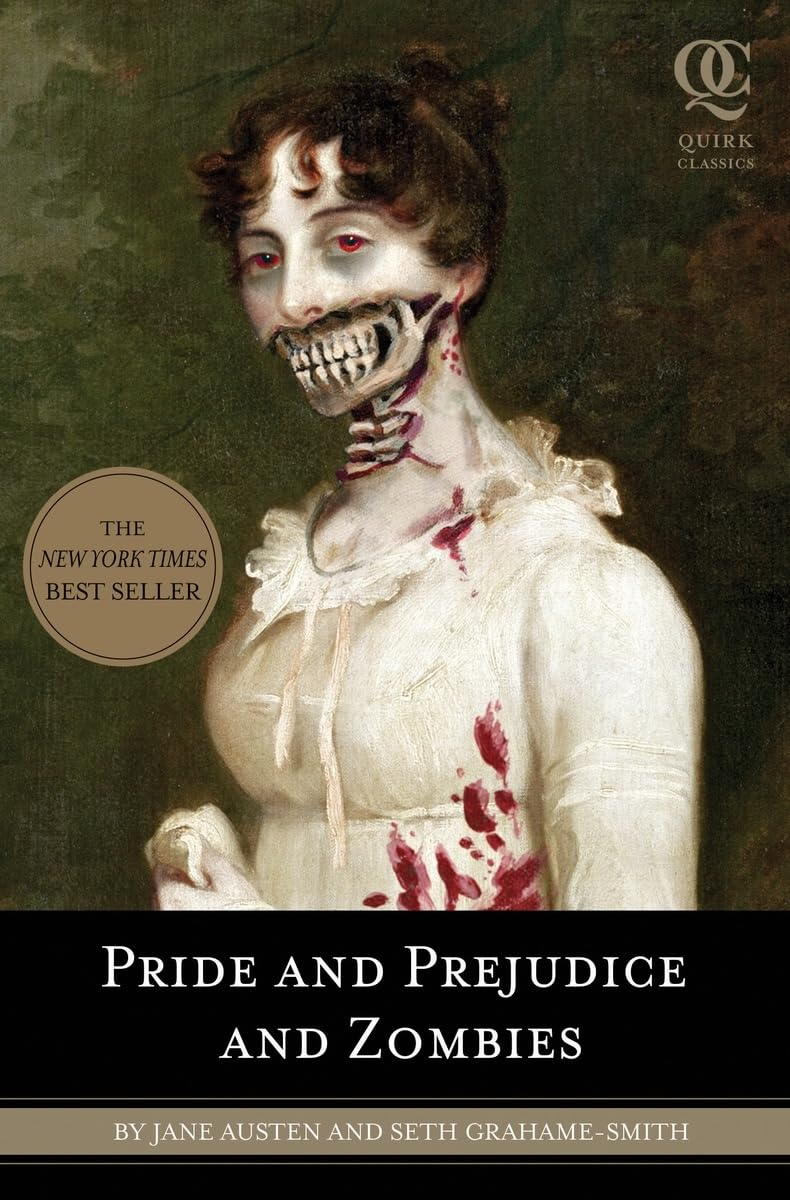
Pride and Prejudice and Zombies by Seth Grahame-Smith
For many of us, this Jane Austen classic forms a core teenage memory. But for the adult you, this parody novel with the undead might seem more enjoyable. Here, Elizabeth and Darcy aren’t just involved in a battle of egos, they’re battling zombies. It’s 19th-century England, and the Bennet sisters are skilled in martial arts and entering the ‘marriage market’ during a zombie apocalypse. They must find a suitable husband, who, in this universe, is a worthy slayer of the undead. Elizabeth Bennet encounters Darcy, who meets this requirement, while Wickham uses “civilised” zombies to create an army. As the Bennet sisters navigate romance with a side of danger, we couldn’t have asked for a more compelling (or bizarre) plot.

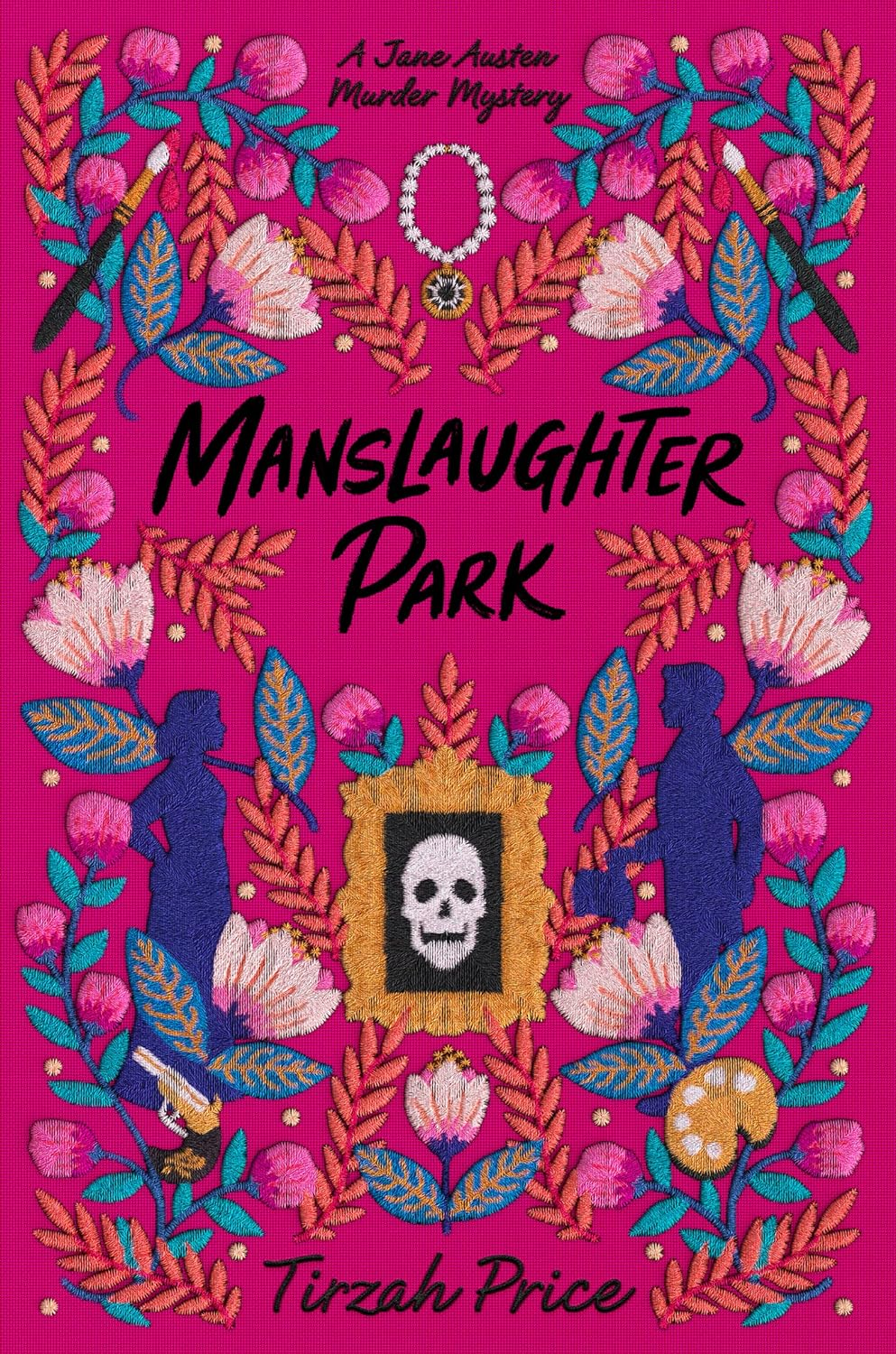
Manslaughter Park by Tirzah Price
Another Jane Austen retelling, this one’s a murder mystery set in the fictional world of Mansfield Park. Price’s queer reimagining of the central love story unfolds like a gripping crime fiction novel. Aspiring artist Fanny Price is an unwelcome guest at her uncle Sir Tomas Bertram’s estate. When Thomas is found dead in his art emporium, Fanny discovers evidence of foul play and puts on her Byomkesh Bakshi cape, which leads her on a dangerous journey to uncover family skeletons and conspiracies. The arrival of the charming Crawfords, and other Austen characters like Darcy and Elizabeth, throws Fanny deeper into a whirlwind of intrigue, romance and self-discovery.

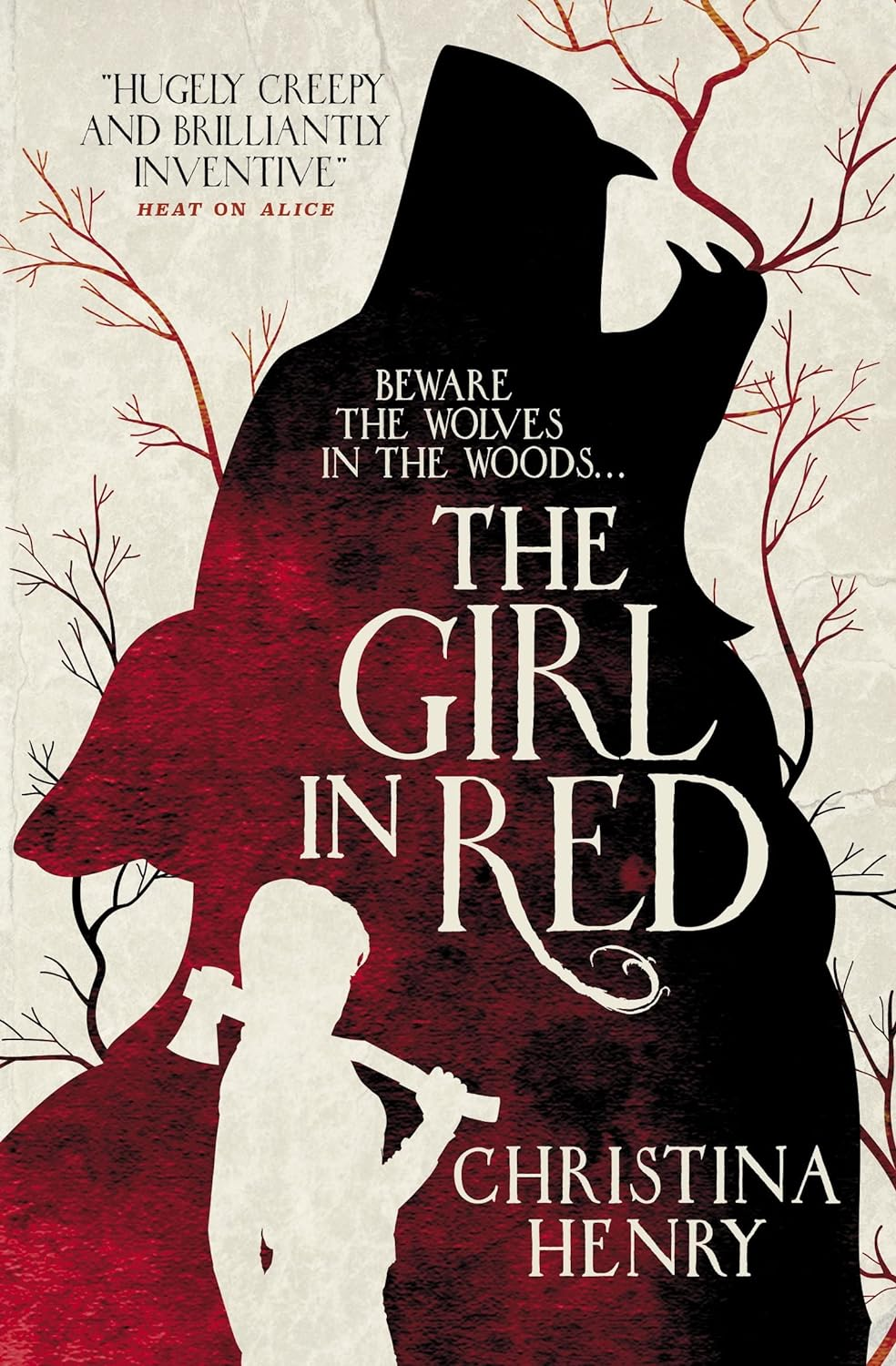
The Girl In Red by Christina Henry
“Beware of the big bad wolf” is a familiar refrain, but in Christina Henry’s dark twist on Little Red Riding Hood, the symbolic wolf is a deadly virus in a post-apocalyptic world. This sets the stage for The Girl In Red, where amidst chaos and destruction, 20-year-old Cordelia, known as ‘Red’, and her brother must navigate safely to their grandmother’s house—a presumed safe haven—using their sharp survival skills. The novel unfolds in two timelines: Red’s life before and after the apocalypse, offering an intriguing perspective on the fairytale while exploring themes of human determination in the face of catastrophe, loss and survival.

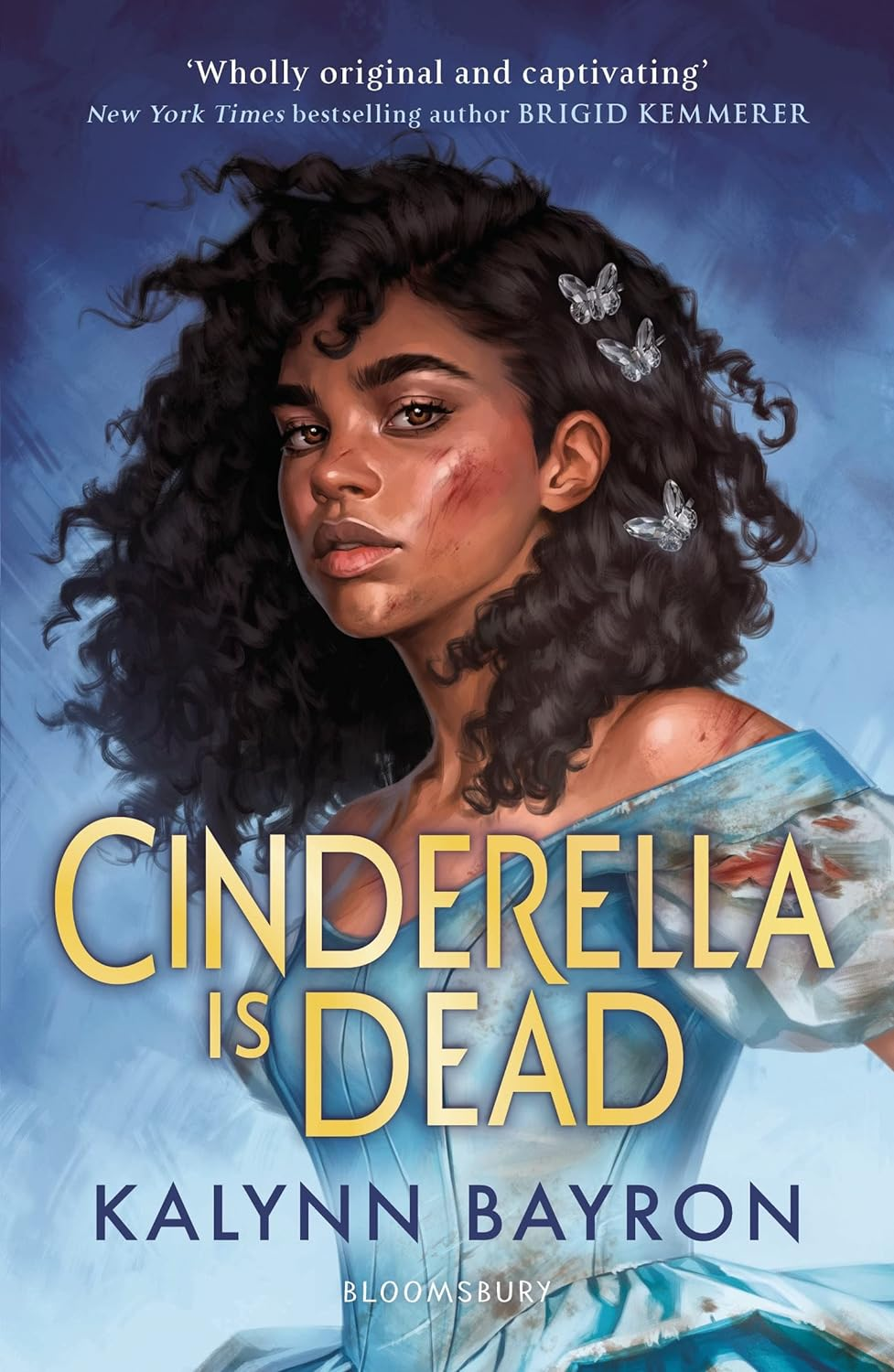
Cinderella is Dead by Kalynn Bayron
Author Kalynn Bayron sets this story 200 years after Cinderella in the kingdom of Lille, where women are oppressed and forced to attend an annual ball to be chosen as wives. In this queer reimagining, 16-year-old Sophia wants to marry her best friend Erin, not picked out of a line-up by a man. On the night of the ball, Sophia escapes to Cinderella’s mausoleum and meets Constance, a descendant of Cinderella’s stepsisters. Together, they set out to overthrow the tyrannical King Manford and liberate women, uncovering a darker side to Cinderella’s story. This fast-paced novel challenges fairytale tropes and explores how these stories can oppress. If you’ve ever questioned fairytale logic, this book will validate your thoughts and feelings about ‘Prince Charming who and why?’
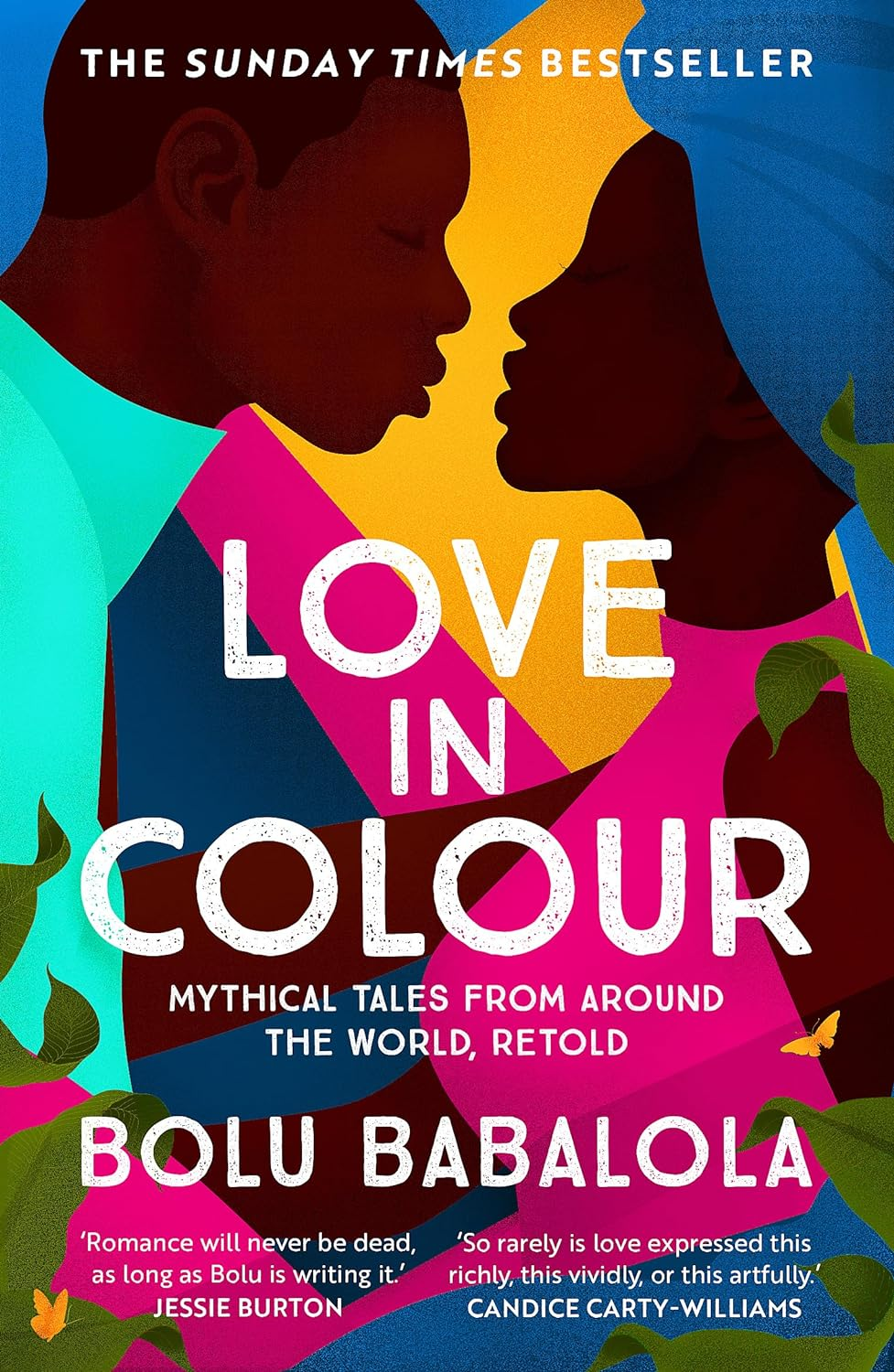
Love in Colour by Bolu Babalola
Are you a romantic who loves the idea of love? Then this collection of short stories might just make your heart flutter. Bolu Babalola gives ancient myths and lore from around the world a contemporary twist. The book reimagines folk tales from places like West Africa, the Middle East and Greece as modern narratives, placing women at the centre and giving them greater agency and power than the originals. It features stories that explore different kinds of love—from passionate love at first sight to gradual self-love—and characters ranging from mythical gods like Psyche to the 18th-century Egyptian queen Nefertiti. Each story is a stirring celebration of culture, continents and romance in its myriad forms.

These Violent Delights by Chloe Gong
Are you too obsessed with watching maar-dhaad and crime shows with gore and bloodshed, then These Violent Delights should be on your reading list. Think of it as the Chinese equivalent of Sanjay Leela Bhansali’s Goliyon ki Rasleela Ram–Leela, which itself is an adaptation of Shakespeare’s Romeo and Juliet. In 1920s Shanghai, two street gangs, Scarlet and White Flowers, were locked in a vicious cycle of generational rivalry. Juliette Cai, heir to the Scarlet Gang, and Roma Montag, heir to the White Flowers, are lovers-turned-enemies. But they are compelled to set aside personal grudges when gangsters on both sides begin to turn on each other mysteriously, and the city faces a greater threat, leading up to a pulsating climax.