

Does walking 10k steps a day actually benefit you?
The experts weigh in
It started with a stabbing ache in my lower back. My legs were jelly, ready to give out, but I kept pushing myself. I wanted to meet my 10k step goal. I was missing my gym workout that day and I didn’t want to miss out on exercise altogether. So I clung to the next best thing, hitting the hallowed mark of ten thousand steps. Despite walking in intervals all day, I still had steps to cover by evening. Determined to get there, I overdid it and woke up the next day with exhaustion, a stiff back and a low-grade fever. That’s when the 10k-step bubble shattered for me.
Chachis and mamas have advocated for the benefits of walking as an exercise for decades now. And for good measure, walking is excellent cardio; it gets the blood pumping, moves your muscles, and is good for heart health. But is 10k steps worth of walking good for everyone? My weary muscles and aching back the morning after I hit that step goal, seemed to say, hell no! So how has this Loch Ness monster-like exercise myth come to settle in our consciousness? And is there any truth to it — is hitting 10K steps a day really enough or the only thing you need to keep fit? Do we not need to squat, push, stretch and get into chakrasans and pigeon poses to ensure we’re only next to Elastigirl from The Incredibles?
The answer is, it depends. Anticlimactic, right? Dr Ashish Mishra, Consultant Interventional Cardiologist, Wockhardt Hospitals, Mumbai says, “Walking 10k steps can be beneficial in improving your heart health and staying fit. But it’s not optimal for people from different age groups. Young people may get satisfactory results after incorporating 10k steps into their daily routine. But older adults or those with pre-existing health issues may find it a mountainous task to achieve.”
Bengaluru-based family physician Dr Nina Pais says she never puts down 10k as an ideal number for everyone. “Exercise should be individualised, based on comfort, health and energy levels. It should refresh you, not exhaust you, and it should fit your body’s needs and daily routine.”
A new study of over 2,26,000 people worldwide revealed that while just over 2,300 steps a day benefit the heart and blood vessels, 4,000 steps start reducing the risk of premature death, with greater health benefits seen with more activity. So then who even came up with the 10k number? It wasn’t scientists but rather a really smart marketer. The 10k steps lore dates back to 1965 when a Japanese company marketed a pedometer device called Manpo-kei, meaning “10k steps meter”. So if the10k steps-routine is not the fitness MVP it’s made out to be, what is? We spoke to fitness experts and doctors to find the answer.

What does movement mean today?
Fitness has gone beyond just hitting a certain number of steps and achieving a goal body weight. People are now paying more attention to building strength, keeping their gut clean and getting the endorphin hit that’s an instant mood lifter. The focus is on ensuring you’re fit and healthy to live your life without any kamar dard or creaking knees. “Fitness in 2025 is about doing a form of exercise that makes daily life activities like getting in and out of bed, going up and down stairs, reaching for the bag in the back seat of your car, as well as your recreational activities, pain-free and easy,” says Mumbai-based Radhika Karle, a Balanced Body Pilates Master Educator and founder of Radhika’s Balanced Body.
And for that, you have to ensure your muscles are not off-duty. With our current lifestyles, working long hours on the laptop has turned us all into corporate prawns with bad posture and tight muscles. A sedentary lifestyle moreover can lead to an increased risk of high blood pressure, increased cholesterol, heart-related problems, and excessive weight gain. “Regularly staying active can help improve the blood circulation and strengthen your musculoskeletal as well as overall cardiac health,” adds Dr Mishra.
With the 10k steps lore out of the bag, what would constitute a well-rounded exercise routine? Karle has the answer, “A well-rounded fitness routine incorporates resistance training for all major muscle groups, neuromuscular training for agility, balance and coordination, and mobility training for a range of motion and keeping joints healthy.”

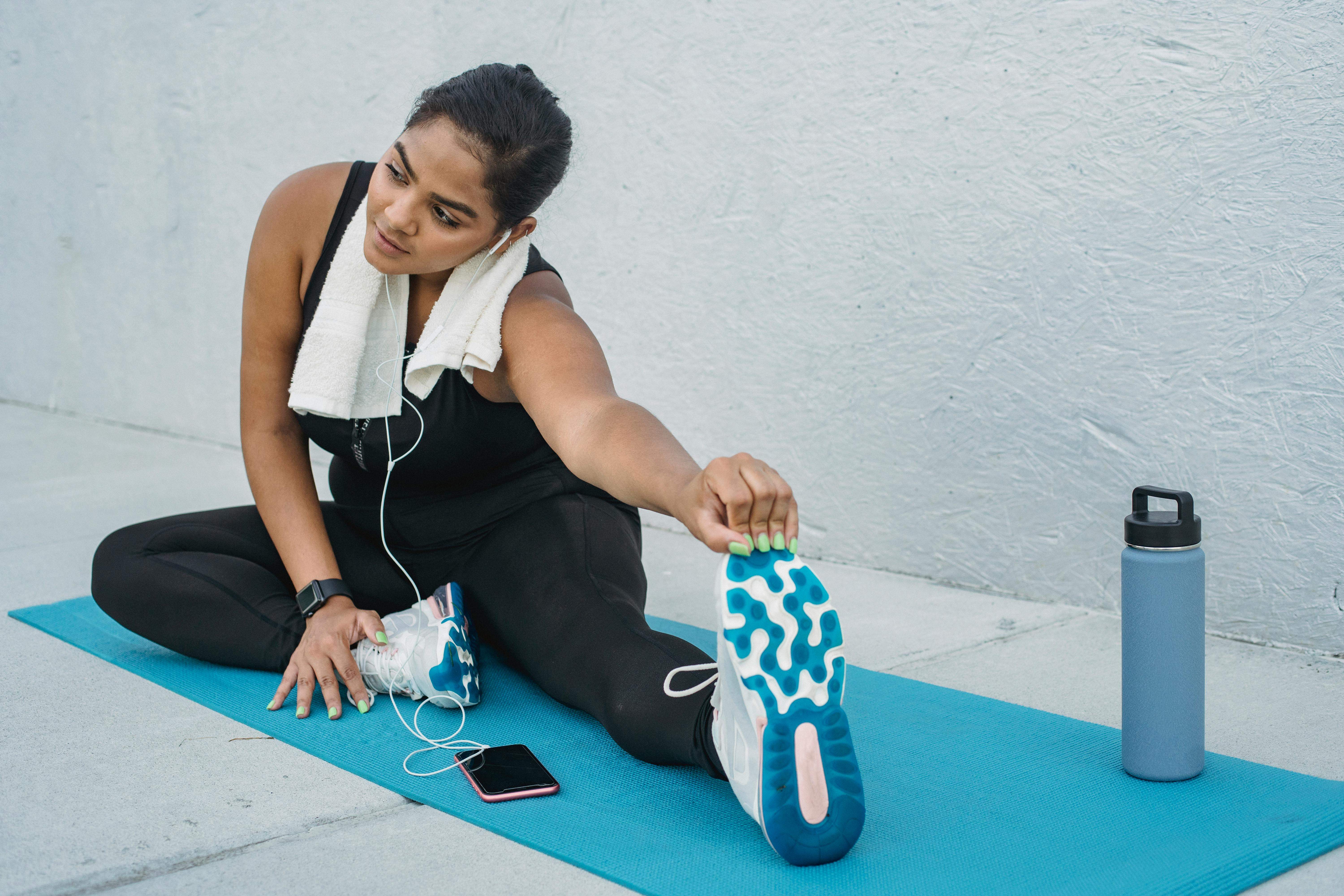
10k steps are out, manageable movement is in
Time is a luxury that we simply don’t have anymore. With CEOs around the world suggesting we work 90 hours and stop having a life, the pressure to earn well, climb the corporate ladder and show up for ourselves is crushing us like a hydraulic press. We certainly don’t have the mental space to set and achieve yet another daunting (10k steps) goal. Luckily, we don’t need to. Because just moving your body in ways that work for you and choosing a form of exercise you like doing, can contribute significantly to overall health.
Building a fitness routine should take into account what you like doing, what your goal is —whether you wish to build muscles like Popeye the sailor man, spend time playing a sport of your choice, or become as flexible as a rubber band — and what your days and job commitments allow. Our experts have suggestions for different health goals that you can pick from:
Cardiovascular health: Brisk walking, jogging, running, cycling, swimming, dancing; playing a sport like tennis, badminton, squash; or skipping for 15 minutes with a jump rope.
Muscle building: Weight training or 20 minutes of mat pilates using body weight and focusing on core strength, is a great form of movement to help keep your back strong and mobile.
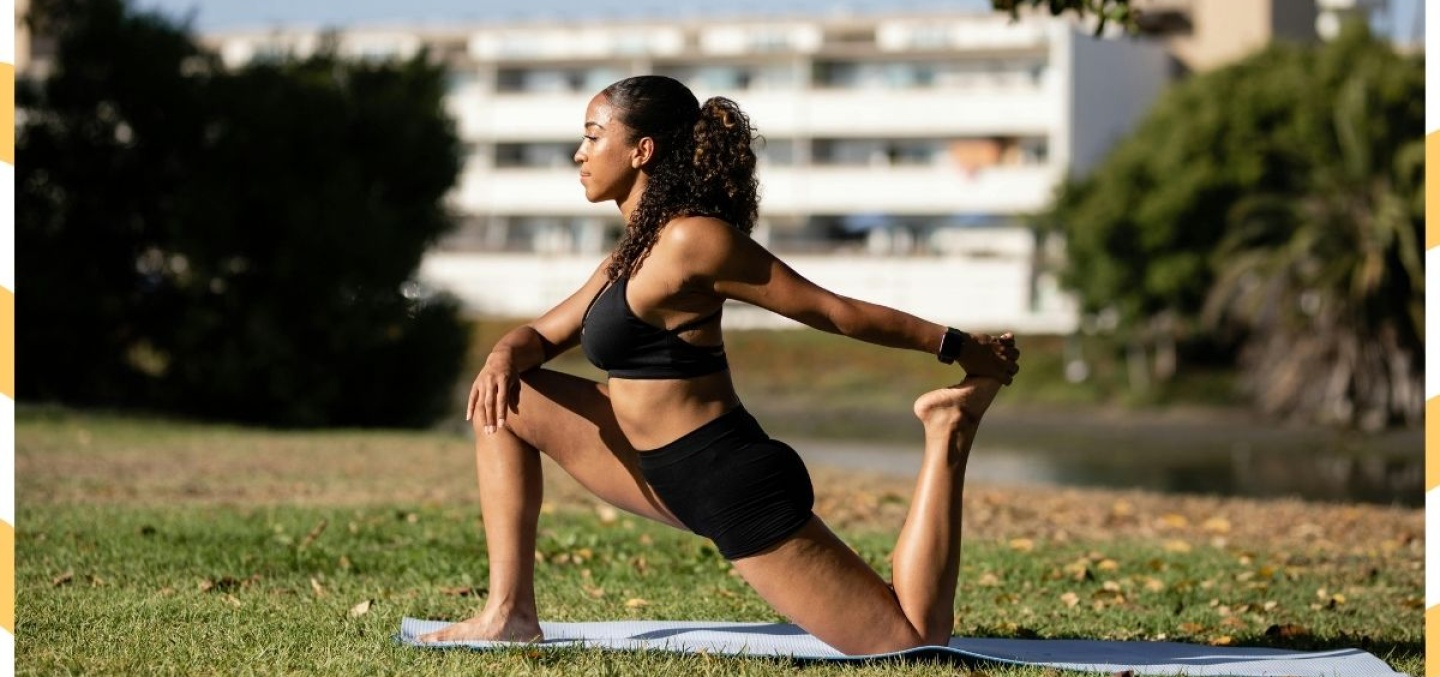
Flexibility: 10 rounds of Surya Namaskar, adding in spinal rotations and side bending.
Fat Burning: Running, dancing, aerobics or any form of cardio combined with 30 minutes of strength training two times per week where you are lifting heavy weights. Muscle is the fat-burning machinery of your body, so the more muscle you have, the more fat you will burn.
Hip mobility: Lunges, hip openers, ‘figure-8’ exercises, standing hip extension, flexion exercises such as bicep curls, hamstring curls, crunches; side lying leg raises (for outer thigh work), and adduction exercises (for inner thigh work), and lying on your back to do leg circles — small and big.
Bone Health: Cardio exercises like walking, jogging, dancing or running, a healthy exposure to natural sunlight and maintaining good Vitamin D levels.


Realistic ways to incorporate more movement in your daily life
If you still are unable to carve out time for workouts, there are a few easy movements our experts recommend that you can do to increase physical activity and ensure your body gets a little movement. Some of these can be done at home, whenever you can spare a few minutes; others can be woven into the fabric of your daily life with tiny tweaks to your routine.
Karle’s recommendations:
For when you can spare a few minutes in your day…
- Back extensions from the edge of your bed: Lie down on your back on the bed with the bottom of your shoulder blades at the edge of the bed. Slowly slide and let your upper body hang over the edge of the bed to extend your spine. Feel a stretch to the front of your body while you strengthen the muscles in your back. As you get stronger, work on using your abdominal and core muscles to lift your upper body up to make it parallel to the floor.
- Standing side bends against the wall: Keep the back of your head, your shoulder blades, and pelvis against the wall. Bend over to each side without shifting the weight on your feet or letting your back leave the wall. This is great for stretching the lower back, keeping the obliques strong, and the discs in your spine healthy.
- 90/90 lunges: Focus on lowering the knee of the back leg in your lunges while keeping an imaginary cup of coffee steady on the top of your head. This helps strengthen the core, glutes and legs. Lunges also are great to improve balance and coordination.
- Push-ups: You can do them standing against the wall, do modified push-ups like knee push-ups, or on an incline using an elevated surface like a chair or coffee table to hold onto with your hands and your body at an upward angle. Or try the challenging decline push-ups where your legs are elevated on a surface with your body in a downward angle. Push-ups are great for building upper-body strength and exercising the shoulder, chest, arms and back.
- Spine twist in a high kneeling position: When you rotate your head, neck, and ribs, focus on keeping the weight equal on both your knees with your hip bones pointing straight in front so your pelvis stays neutral. A neutral pelvis allows you to strengthen the core. The twist keeps the spine mobile and the discs healthy.
Pais’s recommendations:
For when you can’t spare even a few minutes in your day…
- Turn housework into exercise by putting on music and vigorously cleaning, vacuuming, or mopping.
- At work, take the stairs over elevators whenever possible and use your lunch break to take a short walk, do a few stretching exercises.
- If you travel in the city using public transport, get off the bus or train a stop earlier and walk the rest of the way.
- When running errands, park your car in a spot that’s further away from the entrance so you can get in some steps by the time you reach it.
As Karle says, ‘sitting is the new smoking, it’s hazardous to health.’ But we now know that obsessively walking 10k steps a day is not the way to fix that, either. The focus instead should be on following a routine that’s ideal for you, helps you achieve your fitness goals and makes you feel better. Chasing a standard step count is a hamster wheel we can all agree to step off.
A note of caution: This story is for educational purposes with inputs from trained experts. Please consult your healthcare provider to know what suits your needs best.