


I went to India’s most serious wellness retreat expecting to cheat
A weekend at Atmantan was my version of touching grass
I feel bad for my left shoulder. It has been bearing the weight of tote bags that I hope can carry my entire world. I lean on my left elbow, hunched over my desk during long evenings when I tell myself I’ll stretch later, while eating nachni chips with dahi and calling it girl dinner. It tightens like the fists of a five-year-old throwing a tantrum every time a deadline lands. My shoulder has absorbed stress like a sponge absorbs water, complaining only when it’s fully saturated.
My body had been trying to get my attention for months before I finally injured my shoulder, and even then, I did not do the sensible thing. I did not rest, see a physiotherapist consistently or reconsider my relationship with my ludicrously large tote. Instead, I developed a hedonist’s philosophy as self-defence: if my body is going to hurt anyway, it may as well hurt in the company of good food and late nights.
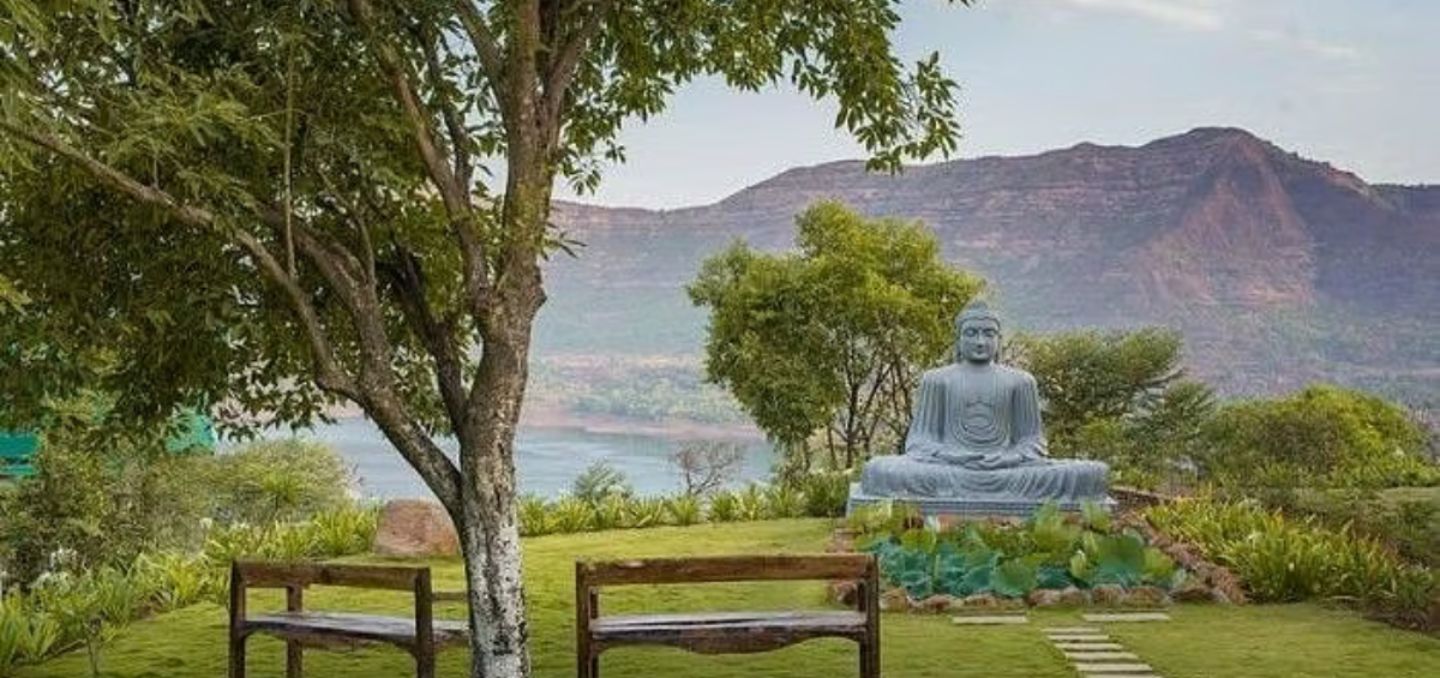
When I arrived at Atmantan for a weekend to celebrate their tenth anniversary, I didn’t expect to really stick to their schedule. Set in Maharashtra’s Sahyadri mountains, overlooking the Mulshi Lake, the wellness destination has built a reputation for its detox and weight loss programs.
Founded by Sharmilee Kapur, a pranic healer and Nikhil Kapur, an Ironman triathlete, this isn’t your usual luxury spa. The people behind it are genuinely, slightly obsessively, invested in making you better. Over the next two days, I saw that conviction in every small detail, from the food, the treatment plans and as I would later discover, even the size of the spoons.
The hunger games begin
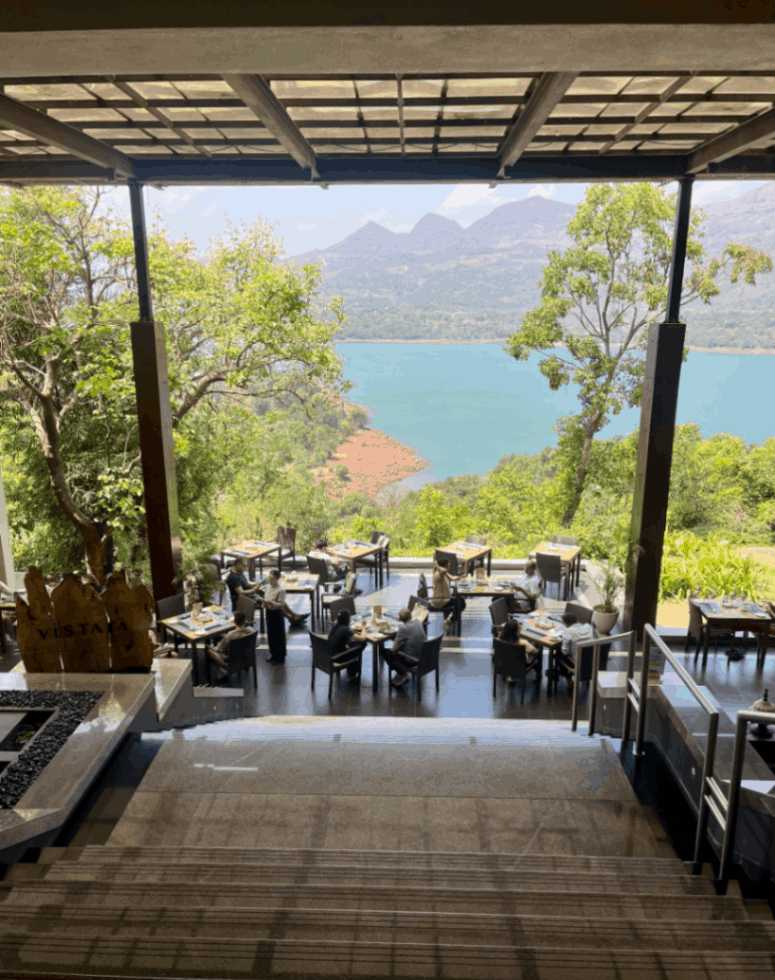
After check-in, I walked into the dining area and immediately clocked in an uprising of sorts. At almost three tables, someone was negotiating with a server. An elderly couple and a woman in her 40s (who I understood had signed up for weight loss) were discussing portion sizes. Another woman was patiently explaining that the food wasn’t as tasty as it usually is at restaurants. I watched this with the smug amusement of someone who had absolutely no idea what to expect.
Upon arrival you are requested to hand over any food you may be carrying, as the wellness centre tailors meals to suit your needs. Along with healthy eating, Atmantan blends Ayurvedic practices with functional medicine and therapies that also include the principles of Chinese medicine, to schedule a day of planned meals and activities that will flip your body’s natural reset button.
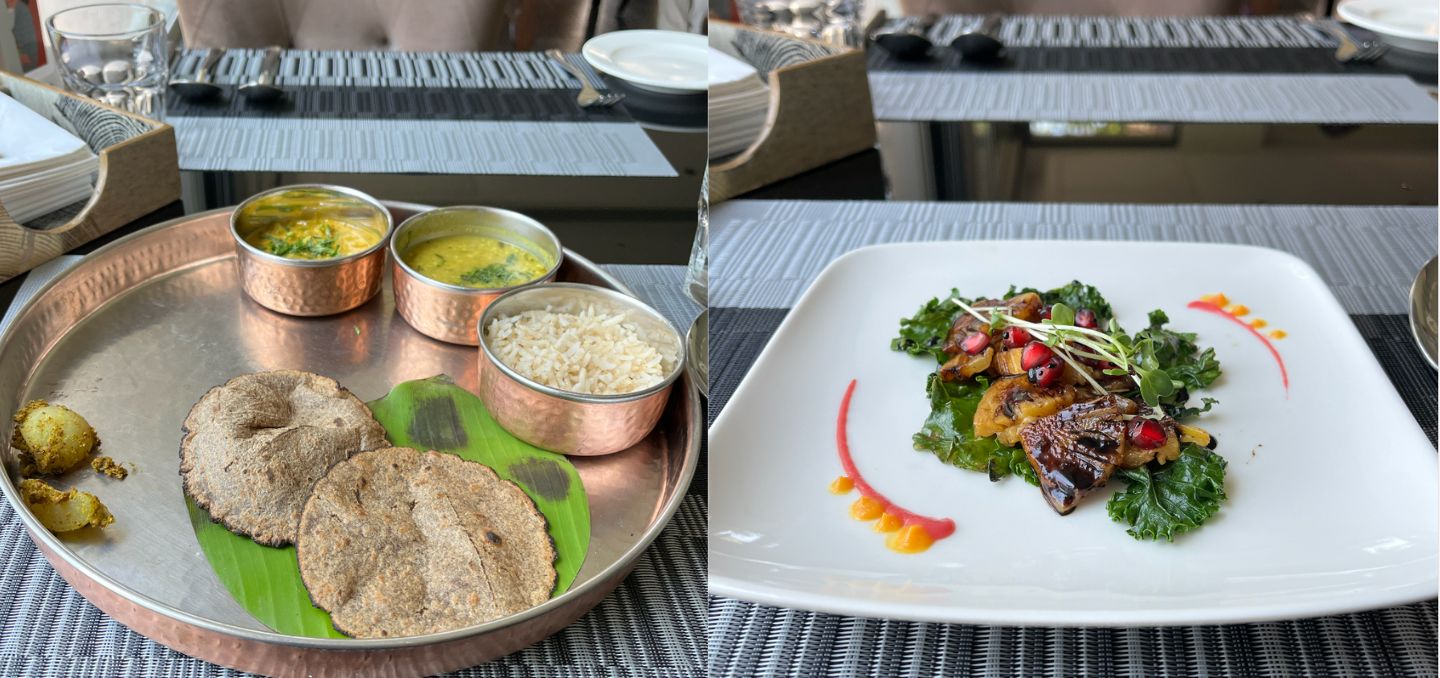
My grilled pineapple and kale salad arrived, followed by lemongrass soup, both quite minimal. And then came the thali with brown rice, grain-free roti, turai sabzi and toor daal. The portions were small and everything on the plate looked well-planned— gluten-free, no refined sugar, very little salt, as I understood it. Yet by the time dessert arrived (a small serving of barley kheer), I was satiated, which I found both surprising and a little annoying.
By late afternoon that pleasant fullness had been replaced by the kind of hunger that made me question the decision not to sneak in some snacks. I thought about the bag of truffle-flavoured Lay’s waiting for me at home quite seriously for some time. (What are your food cravings trying to tell you?)
With no minibar in the room, I called housekeeping for a snack. An apple was promptly sent to my room and I ate it, core and all.
The two tribes
By day two, I had worked out Atmantan’s guest taxonomy. There are the newbies, who can be easily identified within minutes. They’re the ones who are usually connecting with strangers over conversations about food. While waiting to see the wellness doctor, I watched two men bond over their guilty pleasure dishes. One launched into a monologue about buttery pav bhaji. His new, much-older acquaintance nodded politely, then said he loves nothing more than ghar ka masala khichdi. There was a long pause, and a slightly embarrassed look on both their faces.
Then there’s the serene crew. They walk with their Atmantan-branded tote bags and stainless steel water bottles at a calm pace. You’ll never see them whip out their phones in waiting areas. They usually sign up for the 15-day program and have fully accepted the rules. I met a writer who had been there, alone, for a month, looking for a reset. She looked like she had already found peace.
I was very much a newbie.
Since I was there for a short period of time, the wellness doctor suggested small changes that would introduce some healthy practices into my routine, without a complete overhaul. For starters, she suggested I attend a few meditation sessions and ensure I keep my hydration levels up.
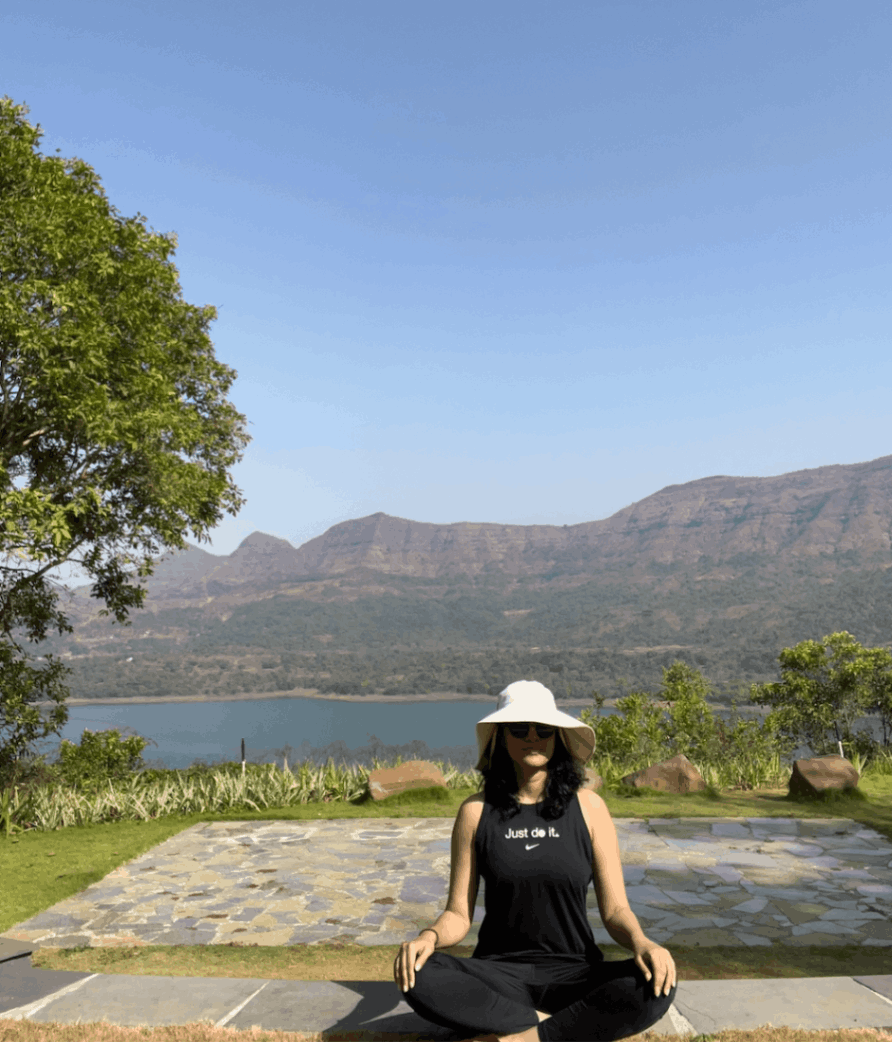
My day was full in the best possible way, I could pick from early morning hatha yoga sessions by the lake, aqua aerobics in a temperature-controlled pool, pranayama and abhyanga with their trained therapist. None of it was mandatory, and nobody was chasing me to attend or make it to meals on time. The philosophy of having freedom within their structure sounds contradictory, until you’re living inside it and realise that’s what makes it bearable.
The small spoons are deliberate
On the evening of the anniversary dinner, Sharmilee spoke about the psychology behind Atmantan. Their programmes have been designed to activate your body’s natural healing systems. They aim to inspire people to form healthy habits and adopt a realistic approach to health.
And then, the detail that got me was the spoons. They are smaller than standard hospitality spoons, and specifically the same size as the teaspoons we used to have at home until a few years ago. Sharmilee pushed her vendor to produce them because a smaller spoon makes you more conscious of each bite, and lets satiety catch up with eating before you’ve already overdone it. It’s a minor detail, but it’s an example of the level of granularity with which Atmantan has been built around the psychology of behaviour change.
Touching grass
Somewhere between the evening meditation session and walking barefoot on grass in the morning, I surrendered to the schedule.
I still missed the kick of salt. My nose had become embarrassingly sensitive, every time I walked past the kitchen the smell of ginger pulled me closer, like a cartoon character floats towards a pie. With no phone reception throughout the property (except the room), I had stopped checking my phone notifications every few minutes.
When the wellness doctor gave me a detailed plan to follow at home, my first reaction was that I would need a personal chef and a spreadsheet to accomplish this. Finding a patch of grass to walk barefoot on in Mumbai is not easy and maintaining early morning workouts with a social life feels aspirational.
She broke it down to make it more manageable, like having apple cider vinegar diluted in water for insulin resistance, practicing Bhramari Pranayama to recover from stress, seed cycling for hormonal balance, and a few targeted supplements.
Back to reality
I couldn’t expect three days to undo years of damage, but there are a few non-negotiables I’m holding on to. I am waking up an hour earlier than usual, without hitting snooze. I’m following some of the meal recommendations, and I notice my cravings have reduced. I’m not bloated in the way I thought was normal, and I’m a kilo lighter, which may be water weight, but I am choosing to celebrate it regardless.
My shoulder still carries the tote, but something about the visit made me feel like I owe it a little more consideration than I’ve been giving it, which is probably how I feel about what Atmantan actually does. It makes a convincing enough case that you start paying attention to your physical and mental well-being.
The packet of Lay’s is still in the cabinet, and I think that’s the most accurate measure of my success.
For more information, visit the Atmantan website.