

What I learned about my body while doing yoga with my parents
A masterclass in patience and perseverance
I started third-wheeling in my septuagenarian parents’ yoga class a few months ago. It was happenstance. It began with me lurking outside the doorway to see what they were doing. Then I slid surreptitiously into the back of the room, piping up with encouragement and the occasional comment thrown in here and there. Eventually, I occupied a permanent position at the back of the room. Now, I’m first on the mat, following their geriatric-focused gentle movements, supine stretches, and joint lubricating poses.
My flirtation with yoga first began after college, nearly two decades ago, and I fell in love with it. I continued intermittently through studying, working, and moving between cities. Until a few years ago, I was well entrenched in Hatha yoga, sliding into assisted inversions and other pretzel-like postures I had never dreamed I would be able to practise.
Then, I suffered an unexpected lower back injury, and just like that, my body—and because of it, my yoga practice—were never the same. I diligently avoided forward bends and other challenging stretches that would aggravate my lower back for days.

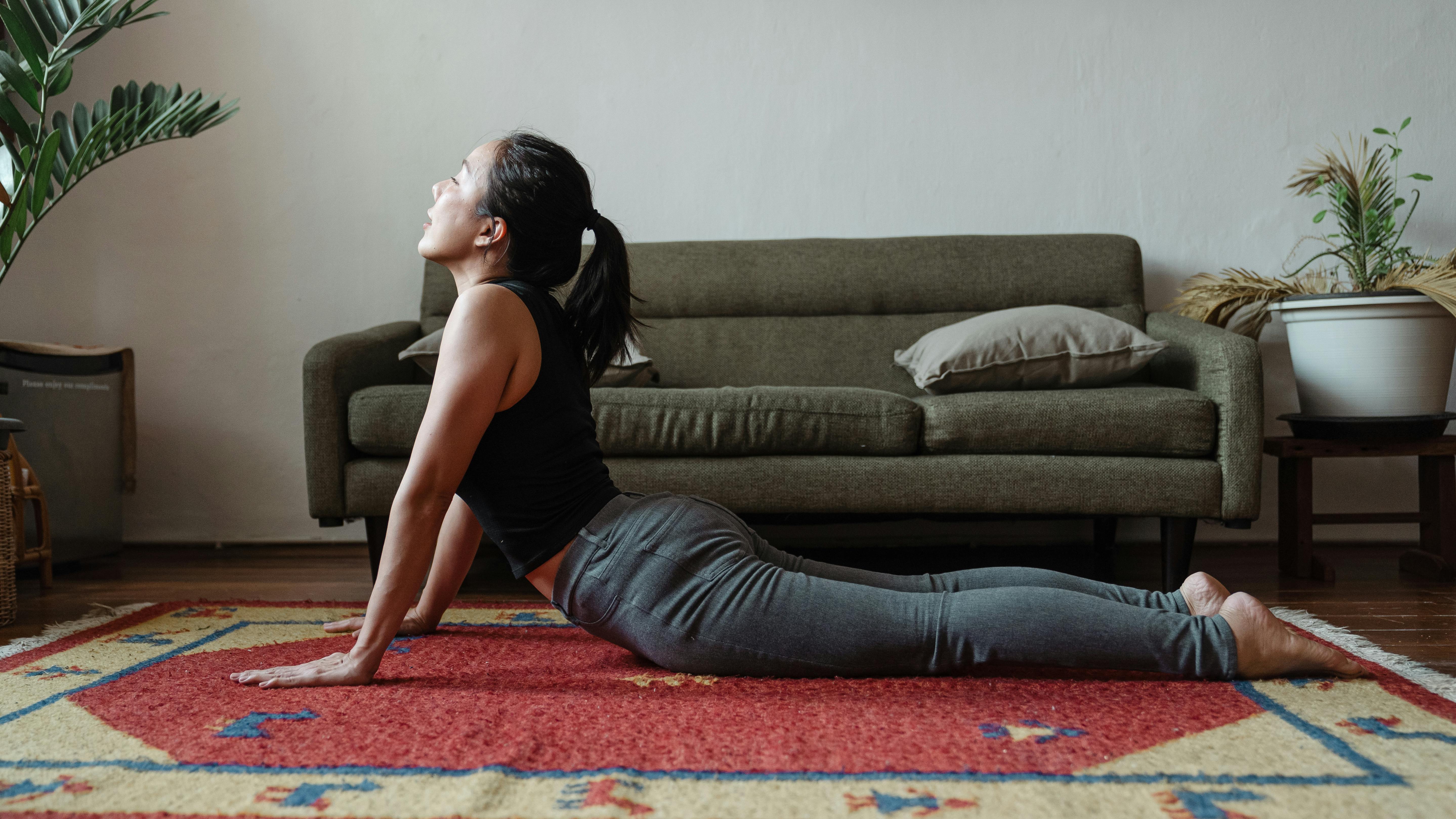
It was a heartbreaking journey that even my favourite surya namaskar knocked me flat on the ground. Enduring many sleepless nights, I felt like I had been abandoned by a practice meant to be good for all. I had a brief flirtation with the gym, but tired of competing for the machines with the muscled bros while working the monotonous circuits, I abandoned pretty much all physical activity except for the occasional walks. (Does walking 10k steps a day actually help, though?)
Till I wriggled my way into my parents’ classroom, last year. My parents, like many seniors, had lost the habit of movement over time. Given the paucity of open spaces to walk in and exercise in the concrete city of Mumbai, I had thought signing them up for this gentle yoga class which a friend recommended, would be the best way to slowly goad them into a more active life with confidence. And when I began grappling with my own physical limitations, I figured that if this could work for reasonably fit seniors with delicate joints, perhaps it could work for me. I was right this time.


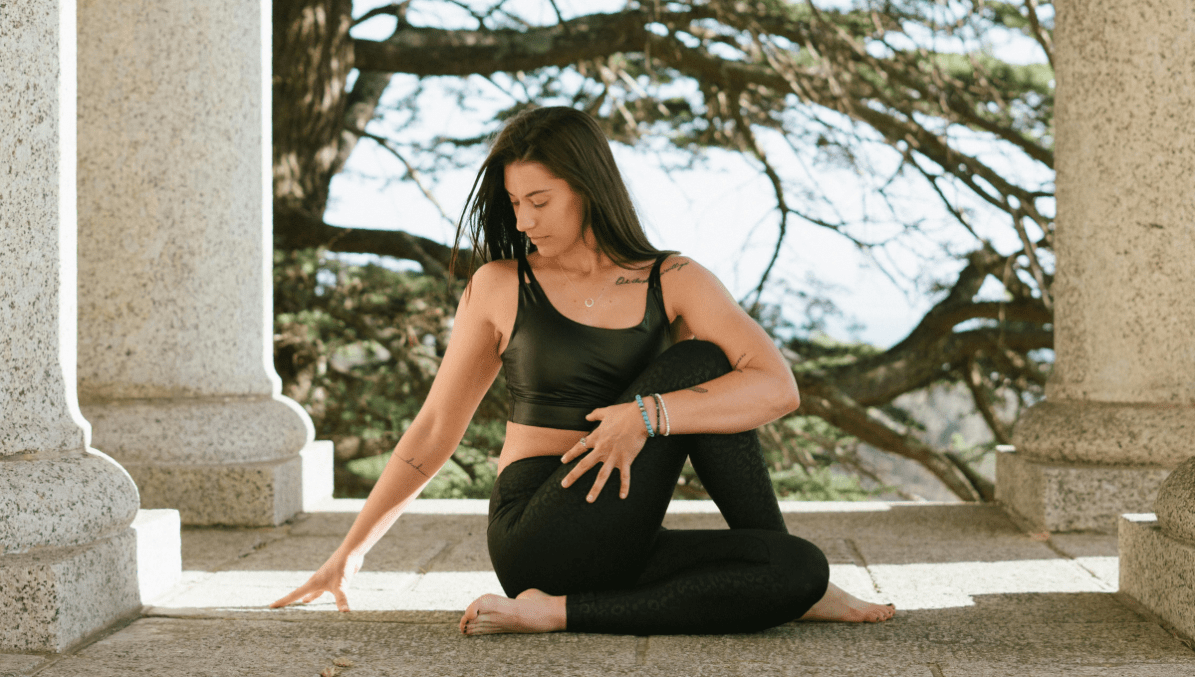
Our teacher, Deepali Patel is kind, gentle, and encouraging. She knows how to coax my parents into postures they’ve never done before in their lives, using Hatha yoga that’s been modified to be suitable for their age and ability. On some days, we follow a sequence, such as a gentle version of the surya namaskar, while on others, the focus is on sitting, standing, and lying down poses, such as vrikshasana, bhujangasana, and setu bandha sarvangasana. The class aims to transition them into active octogenarians, while “reducing the flow of thoughts using the breath,” she says. We end each class with brain-sharpening mental games, our favourite of which is the memory and mobility game of ‘shopping in the supermarket’, simulating the action of picking fruits and vegetables from shelves of different heights, at high speed.
The class didn’t push me physically, but it did test me mentally. Many times, splayed on the mat, I struggled with impatience as we toddled at snail’s pace. But eventually it forced me to drop my skepticism about the effectiveness of such a slow practice. When the 12-step surya namaskar was modified into 20 very gentle steps, at first I missed the swift, challenging asana I was used to. But then I would reach the dreaded forward bend and watch my parents dip into it while their 40-something daughter struggled—it was a deep lesson that I, too, needed to graduate slowly and appreciate my growth, rather than leap into contortions that my body at that moment could not support.
After a while, I stopped attempting to even touch my toes; ‘fixing’ myself was no longer the aim; instead practising with compassion and awareness was far more meaningful. I loved getting reacquainted with my body. I felt more at peace with its capabilities, and last I weighed, I had dropped a few kilos, too.

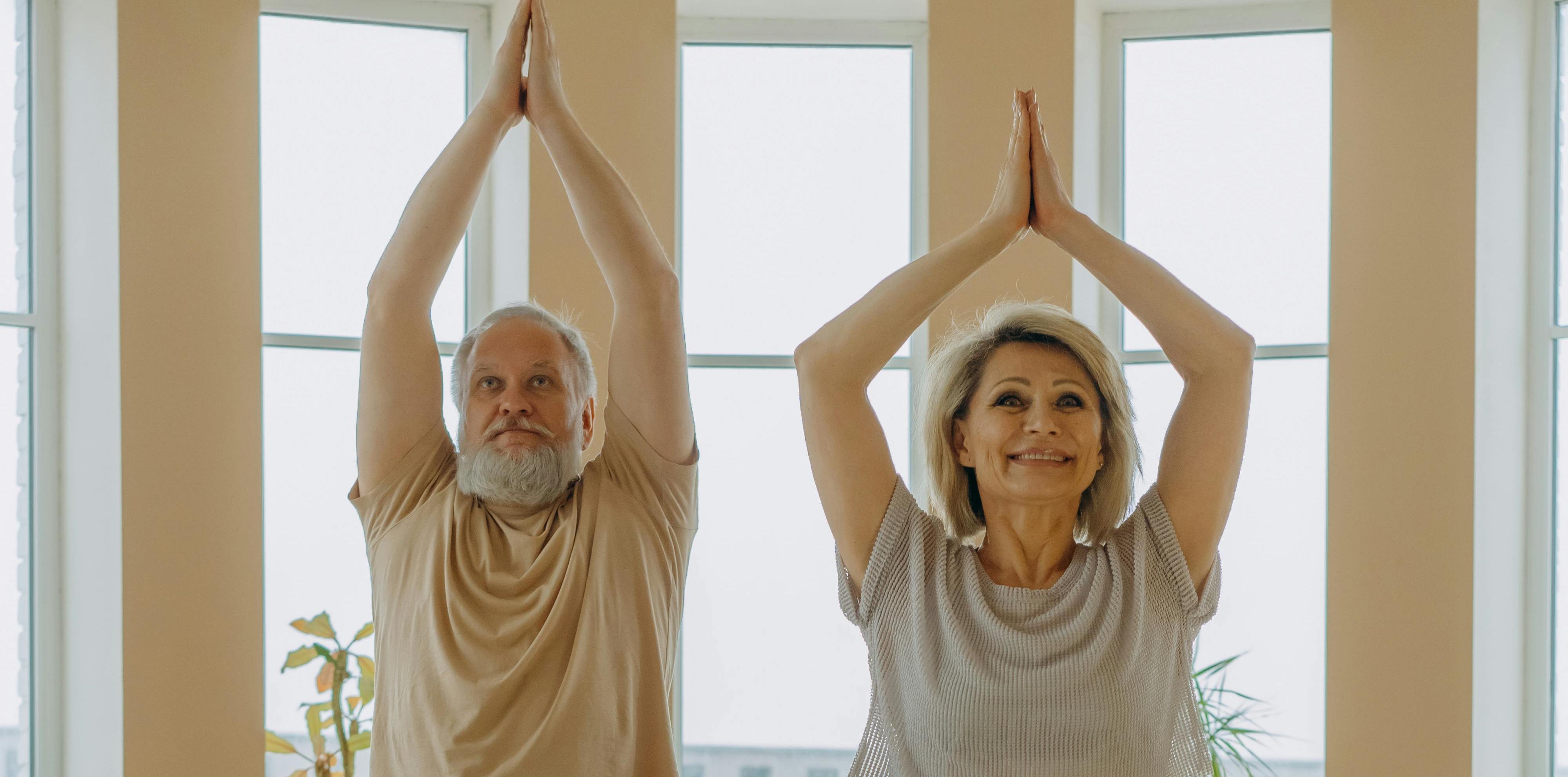
Septuagenarian yoga also brought me face-to-face with the reality of ageing. Seeing how my once-active parents had slowed down, made me wistful. (Watching your parents grow old can be a strange feeling) So did my own fragility. I was more aware than ever that any slip-up with my health in my 40s could have repercussions. Yet at the same time, I now understood that in a universe obsessed with soul cycle and HIIT, and men trying to biohack the process of getting older, surrendering to the rhythms of your own body and mind is another way to stay light and young.
Today my parents, who in the beginning struggled with even the most basic asanas, now can do yoga non-stop for an hour. But it’s more than just an hour of yoga. In class, they also meditate, sometimes they dance, and they also do their homework diligently (mostly essays about how they spend their weekends, their favourite foods, etc). And we laugh together. Ho ho ha ha ha. The best exercise to improve your mood and manage stress. I love this for them and this special time we have had together, becoming stronger.
But I have a niggling feeling that my year of rest and relaxation on the mat is coming to an end. As I chatted to Patel about my progress, she gently reminded me that I was capable of much more and that now was the right time to dive into a class of more rigour and strength, than balancing on tippy toes. I feel like I’ve graduated with honours, even though I can’t yet touch my toes without effort. But it is time to level up and plunge back into the universe of Pilates and pulleys. Except, this time, I know when my body is sore and exhausted, I will have a gentle practice to fall back into.