


Forget stocks and bonds, trading luxury handbags could be the key to getting rich
It’s a choice between mutual funds and Miu Miu
Kavya Sahai, 34, an investment banker based in Gurugram, calls her Hermès collection her “pension bags”. “My Birkins have appreciated so much over the years that they’re now part of my financial strategy,” she says. “They’ve helped me build wealth, much like stocks or real estate.”
While most of us juggle SIPs and EMIs, some women are discovering unconventional ways to invest. Their latest portfolio additions? Handbags, gowns, and shoes. For these investors, splurging on a Cartier watch, Christian Louboutin heels, or a Dior gown is not only more thrilling than tracking Dalal Street’s bear or bull runs, but also profitable. This mindset shift is fuelling a resale boom in the luxury market.
The numbers? Massive. The market, valued at $34.79 billion in 2024, is projected to hit $50.9 billion by 2028. As Rati Sahi Levesque, president and COO of The RealReal—a global online marketplace for authenticated resale luxury goods—notes, “Fashion is undergoing a seismic shift. It’s no longer about what’s new becoming what’s next—it’s about what’s going to last.”
So, what does everyone have on their shopping investment wishlist?

The hottest brands in luxury resale
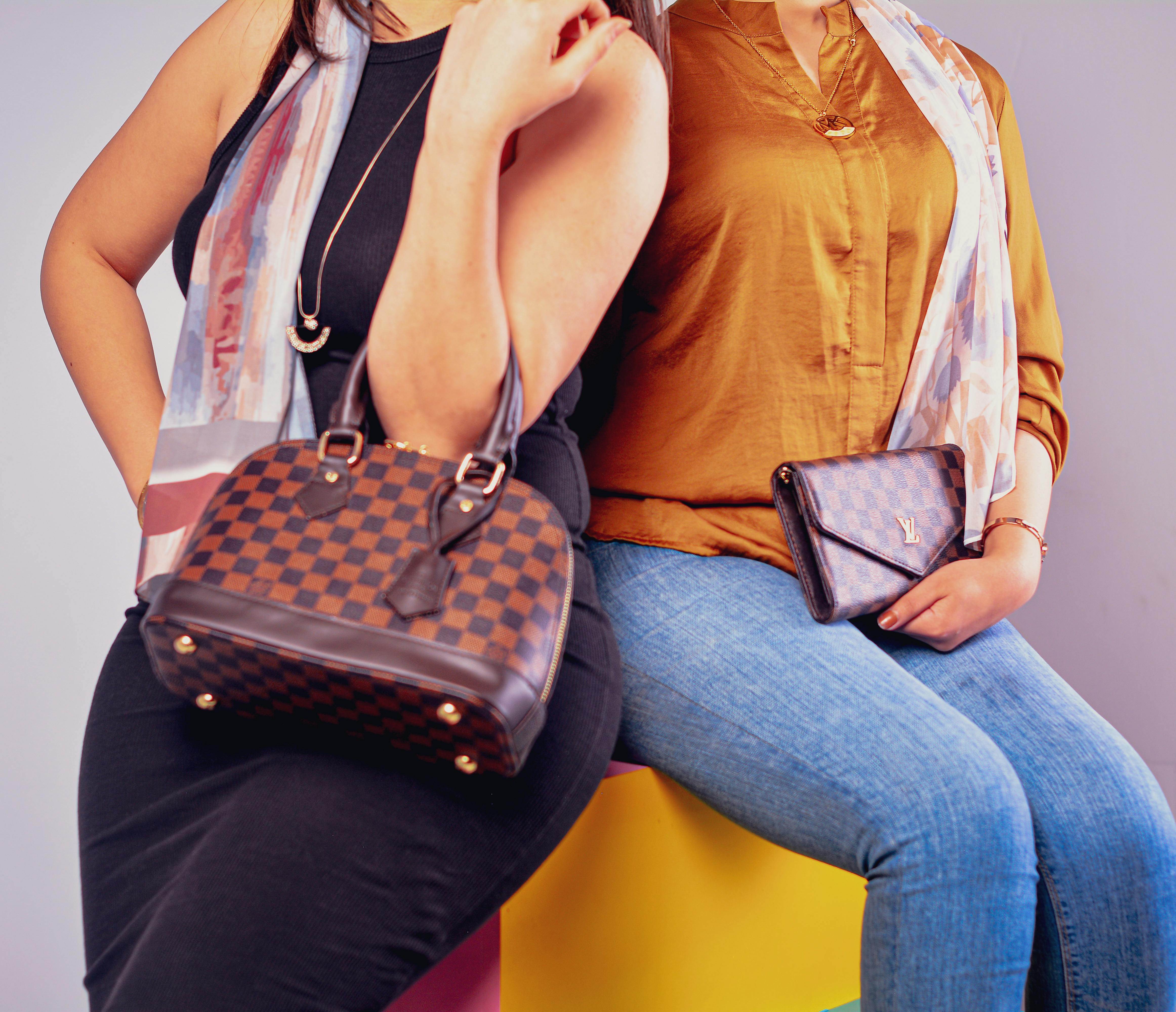
After analysing its 37 million members’ shopping habits, The RealReal’s 2024 Luxury Resale Report shared some insights on international luxury brands that are trending.
- Prada: Gen Z’s most-searched luxury fashion brand, is riding the ’90s and Y2K wave like a pro.
- Chanel and Gucci: Their handbags are timeless and adored by Boomers and Zoomers alike.
- Miu Miu: Its searches are up 47% year-over-year for the brand’s vintage collections.
- Fine jewellery: In uncertain times, classics from Van Cleef & Arpels, Tiffany & Co., and Cartier gained popularity, with sales jumping 22% year-over-year.
- Issey Miyake: Searches have doubled this year. Yes, doubled.
- Vivienne Westwood: Punk is alive and well, with sales up 35%.
- Tom Ford for Gucci: Items from the 1994-2004 collections (when Ford was creative director at the brand) have seen searches jump up a jaw-dropping 107%.
Why invest in luxury?
Luxury goods are more than indulgences; they’re appreciating assets. “Hermès Birkin bags, for example, have achieved a compound annual growth rate (CAGR) of 4.7% over the past 40 years, with certain models appreciating nearly 80% in just three years. Chanel’s Medium Classic Flap bag has doubled in value over the past decade, now retailing for $10,800. Louis Vuitton’s Neverfull Tote boasts an impressive 136% value retention, often reselling for more than its original price,” says Nishita Goenka, co-founder of My Almari, an online marketplace for pre-loved items where luxury sellers and second-hand buyers can connect.
Watches are another standout. Rolex and Cartier timepieces have seen resale values soar to twice their retail price. Alisha D’Souza, an amateur watch enthusiast, flipped a Rolex Daytona for a 40% profit in just three years. “It’s not just about owning something beautiful—it’s about buying something with long-term growth potential. I made sure to buy when the market was quieter, and now the same watch sells for much more,” says the 42-year-old IT professional based in Hyderabad.
Of course, exclusivity remains a hallmark of the luxury world. Certain brands have long mastered this. “Hermès only allows a limited number of bags per customer, and Chanel restricts annual handbag purchases,” says Namisha Gupta, founder and CEO, ReTag, an e-commerce website for consumers to buy and sell pre-loved clothing and accessories. Naturally, this pushes resale prices even higher and keeps these items permanently on everyone’s wishlists.


Luxury investment isn’t just for the super-rich
Platforms for pre-loved luxury make it easy to start small. Look for accessible brands like Tory Burch, Coach, Michael Kors, and Kate Spade. Perfect for first-time investors, these brands make luxury feel inclusive and achievable.
And let’s not forget the fresh players shaking things up. “Brands like Loewe and Bottega Veneta are becoming favourites,” says Niti Goenka, co-founder of My Almari. “At the same time, vintage and limited-edition pieces are always in demand because of their uniqueness and rarity.”
Then there is something to be said about street smarts too, jugaad. Consumers viewing the luxury resale market purely as an earning avenue may team up with friends and family to pool resources to buy high-demand items and share the profits or resell preloved luxury items to fund future investments.
For instance, Delhi-based advertising professional Meera J and her three friends, all luxury enthusiasts, each contributed ₹5 lakh to purchase a limited-edition Patek Philippe watch. After thorough research and timing their purchase during a market lull, they sold it two years later for ₹35 lakh, earning a profit to split among themselves. “It was a win-win,” says the 37-year-old. “We enjoyed owning a stunning timepiece and walked away with impressive returns.”
Why this trend is here to stay
Globally, millennials and Gen Z are rewriting the rulebook on luxury. In India, individuals between the ages of 22-50 years have jumped on board, blending their love for status symbols with some serious investment savvy.
“Women dominate the luxury resale space, making up 90 per cent of ReTag’s customer base. This demographic—comprising working professionals, entrepreneurs, affluent homemakers, and even buyers from Tier 3 and Tier 4 cities—sees branded products as more than just fashion statements. For them, luxury goods represent a blend of style, personal expression, and financial flex,” says Gupta.
It’s a big shift in how people think about luxury. “Buyers now view luxury as a long-term investment, not just a fleeting indulgence,” says Niti. For instance, one of their customers, a woman in her 40s, purchased a Birkin bag to pass down to her daughter—not merely as an accessory, but as a valuable investment.
Platforms like My Almari, ReTag, The Luxury Pop, and The RealReal—and even communities on Instagram and Facebook—are making it easier than ever to shop for luxury items. The process is streamlined: sellers upload photos, and items are authenticated by in-house experts and international authenticators, with thorough quality checks before listing. Pricing is based on factors like market demand for the brand, the product model and it’s rarity, and the condition of the product. By referencing global resale markets, these platforms ensure fair pricing for both buyers and sellers, providing a transparent and equitable experience. Once sold, payments are processed within two weeks. Easy, right?

What are the risks?
The luxury resale market isn’t all rainbows and Birkins. Like any other financial investment there are risks, especially for first-timers diving in headfirst.
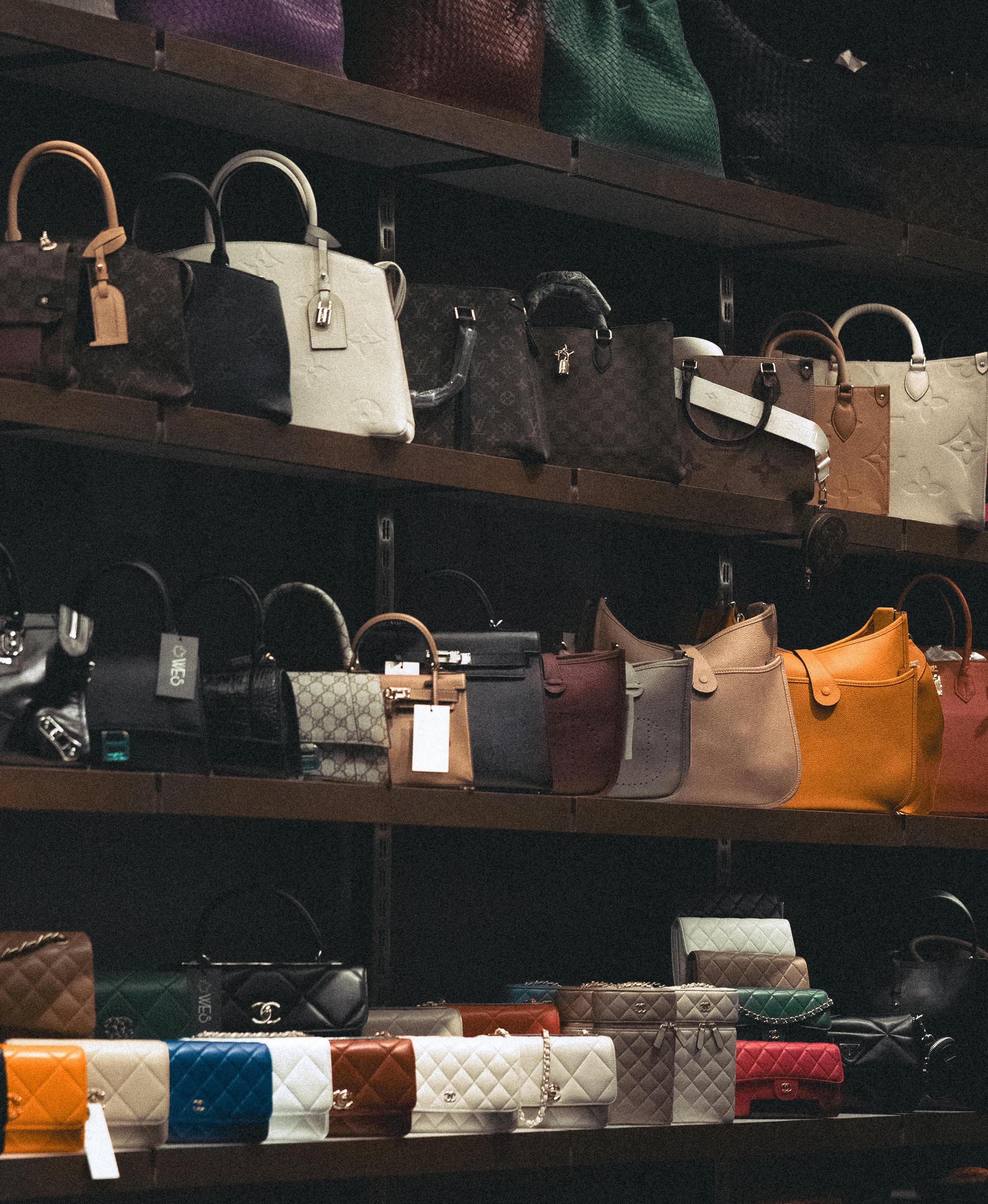
Fakes are everywhere. The counterfeit game is strong. From Louis Vuitton totes to Patek Philippe watches, knockoffs are getting scarily good—like, superfake good. Thanks to trends like 2023’s quiet luxury boom, even Hermès, Chanel, and Louis Vuitton are facing counterfeit rivals that could fool the sharpest eye. Brands that are emerging as favourites for investment, like Celine and The Row are not safe either. Platforms like The RealReal have intercepted over 7,000 fake bags this year alone.
Selling takes effort. This isn’t a “click and cash out” situation. Selling luxury goods takes patience and finesse. Finding the right buyer can take time, and platforms often charge hefty commissions—sometimes up to 30%.
Trends are fickle. Remember when micro-bags were all the rage? Yeah, neither does anyone else.
Pro tips for aspiring luxury investors
1. Do your homework. Proven brands like Hermès, Chanel, Louis Vuitton, Cartier, Rolex, and Dior are your safe bets. Go for timeless designs—think neutral tones, clean lines, and limited editions. “Not all brands are equal. For example, Louis Vuitton ages like fine wine; Tory Burch, not so much,” says Gupta.
2. Shop smart. Keep an eye on price hikes for new items—they often lead to higher resale values. Always ask for authenticity certificates and check market trends. “Watch out for items that seem too good to be true—prices far lower than market rates could signal counterfeiting or misrepresentation,” says Nishita.
3. Handle with care. Treat your pieces like royalty. Dust bags are non-negotiable, and keeping your items clean and scratch-free is a must. Watches and jewellery require regular maintenance to preserve their value.
4. Join the community. Luxury reseller platforms are treasure troves for deals, trends, and insider tips from fellow luxury enthusiasts.
5. Play the long game. Focus on quality pieces and let time and exclusivity do their magic. Compare prices, negotiate wisely, and let your personal style (and budget) steer the ship.
Investing in luxury is an art. Whether it’s a Cartier bracelet or an Hermès Birkin bag, you’re buying into a world of elegance, exclusivity, and tangible returns.
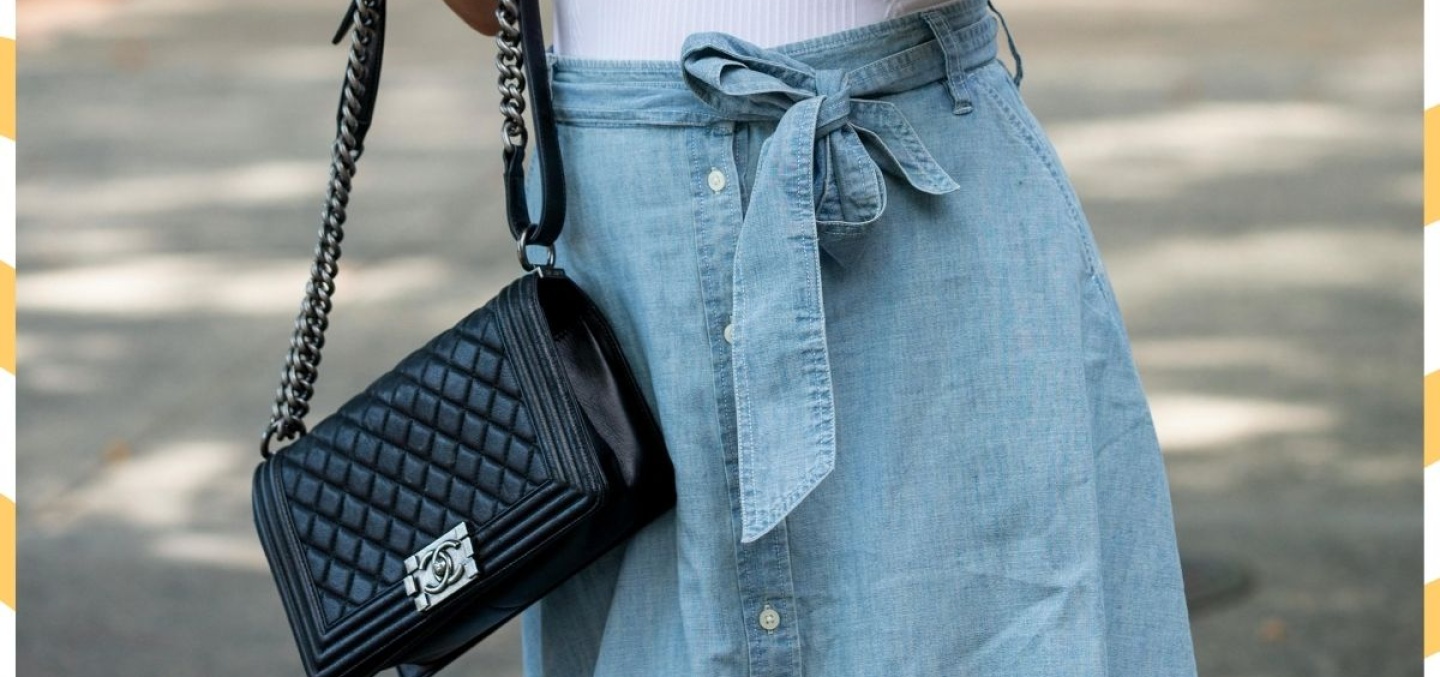
Just ask Priya Singh, 32, who sold her Chanel Boy bag for ₹7.5 lakh—nearly double the ₹4 lakh she paid in 2018. “Picking the right luxury fashion pieces is like having a money tree,” says the Mumbai-based entrepreneur. “Sometimes, they even grow while you’re just out looking fabulous.”
The next time someone side-eyes your designer splurge, just flash them a knowing smile and say, “It’s an investment.” Because it totally is.
Disclaimer: This article is for educational purposes only. Please seek professional advice before making an investment.