


I started out with a light dab of concealer... how did I become dependent on makeup?
Dark circles or deep-rooted fears—what does concealer really conceal?
It happened in August last year. I was meant to catch up with an acquaintance over dinner and just as I entered the restaurant, I realised I’d forgotten to touch up my makeup. I spotted them walking towards me, and I knew it was ridiculous even as it was happening, but I couldn’t stop myself from doing what I did next: I ducked behind an electrical box in a panic, desperately grabbing inside my bag for my lip tint before dabbing it on my lips and cheeks. Only then did I calm down and step out to greet them. The dinner went on well but a thought niggled at the back of my head the whole time: when had it become this unfathomable for me to be seen without makeup?
Over the next few weeks, I grew painfully aware of this pattern of mine. Every time I left my house, no matter how banal the reason, I found myself spending the better part of an hour making sure every blemish and acne scar on my face was concealed.
I was heading out for an impromptu grocery run on a Sunday night a few weeks later when it really hit me. Despite the fact that it was 11pm and I was only stepping outside for 10 minutes, I’d automatically plonked myself down in front of the mirror and began to perform the painstaking ritual: carefully applying concealer under my eyes, smearing blush onto my cheeks, and dabbing highlighter on the bridge of my nose… and then I paused. What was I doing?
I wasn’t going on a super romantic grocery date with a love-struck beau. In reality, I wasn’t going to encounter anyone except the store wale bhaiyya who was frankly going to be too busy chuckling at his phone to even notice me. And yet, the prospect of leaving my house with a bare face had not even occurred to me.
Of course, I had had explanations for my refusal to step out without my trusty concealer and lip gloss in tow. “I haven’t left the house all day, so I just thought I’d make an effort,” I earnestly explained to a friend when I pulled up to a movie night with a full face of makeup. “It’s a form of self-expression, really—I enjoy experimenting with different techniques,” I’d reassure myself as I over-lined my lips for the third time that day.
Now, though, they rang hollow even to me and I found myself face-to-face with the grim truth: somewhere along the way makeup had become my crutch and I couldn’t function without it.
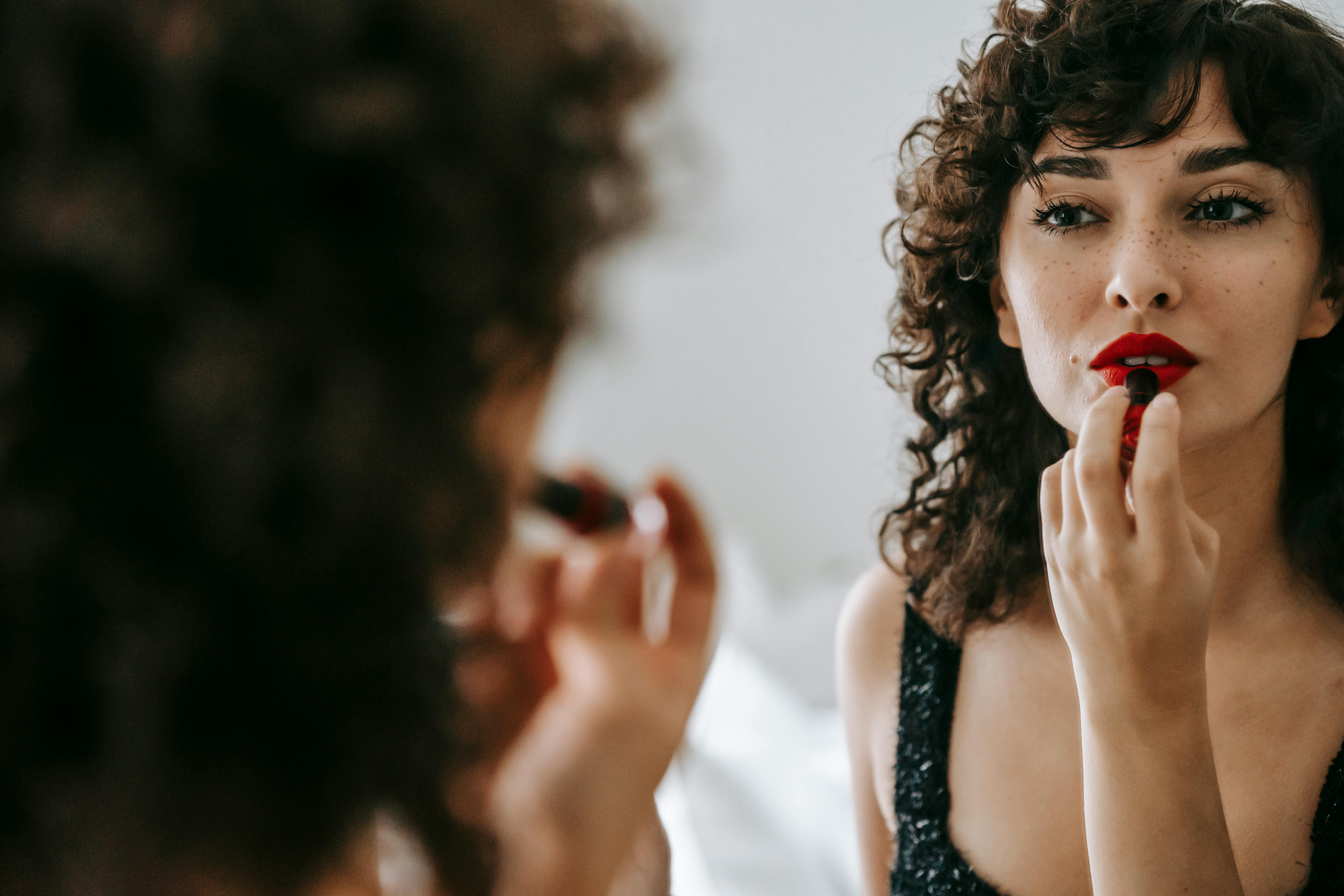
Who moved my concealer?
Ask anyone who is never seen without a full face of makeup and they’ll concur that it’s a slippery slope—once you start, it’s hard to go back. Skip lipstick one day? Well-meaning colleagues peer at you worriedly and ask if you’ve been sick. Embrace the au naturel look? You get asked if your husband’s been giving you trouble at home. More than anything else, though, the sight of your own bare face becomes unrecognisable.
When I first started wearing makeup a couple of years ago, at the age of 21, it was an innocuous smear of lip gloss here and a few dots of BB cream there—nothing that screamed ‘makeup dependency’. Around the same time, I had gotten into K-pop and quickly found myself enthralled by the dewy, my-skin-but-better makeup that K-pop idols often wore. So I started watching makeup tutorials to achieve their gradient lips, aegyo sal, and feathery brows.
My journey into the world of beauty and makeup didn’t stop there. I soon stumbled upon ‘looksmaxxing’ subreddits (the likes of r/Splendida and r/Vindicta) that led me to discover new insecurities, ones I hadn’t even known existed. Through my research, I discovered that I had a disproportionate mid-face, a too-long philtrum, and a negative canthal tilt (none of these words are in the Bible, by the way), and according to Reddit, the only way to balance out my proportions was… you guessed it, makeup.
What had started out as a fun, quirky way to experiment with colours had turned into a compulsive act—something I couldn’t not do. After all, women are taught from the very moment they’re born that they’re meant to be pretty, presentable, and doll-like to be of any worth. From teachers to parents, to large corporations that profit off our insecurities, we’re told directly and subliminally that there is something inherently unfixable about us… which we must also never give up trying to fix. Dark circles (can you actually get rid of them, though?), crooked noses, pigmented lips, face fat…fix, fix, fix.
Soon, I couldn’t leave the house without overlining my lips to shorten my philtrum, applying blush in a W shape to create the illusion of a smaller face, and smearing highlighter under my lash line to make my eyes look bigger. On days when I couldn’t get around to doing my makeup, I’d feel like I’d sprouted two large horns on both sides of my head, convinced that everyone was staring at me in contempt.
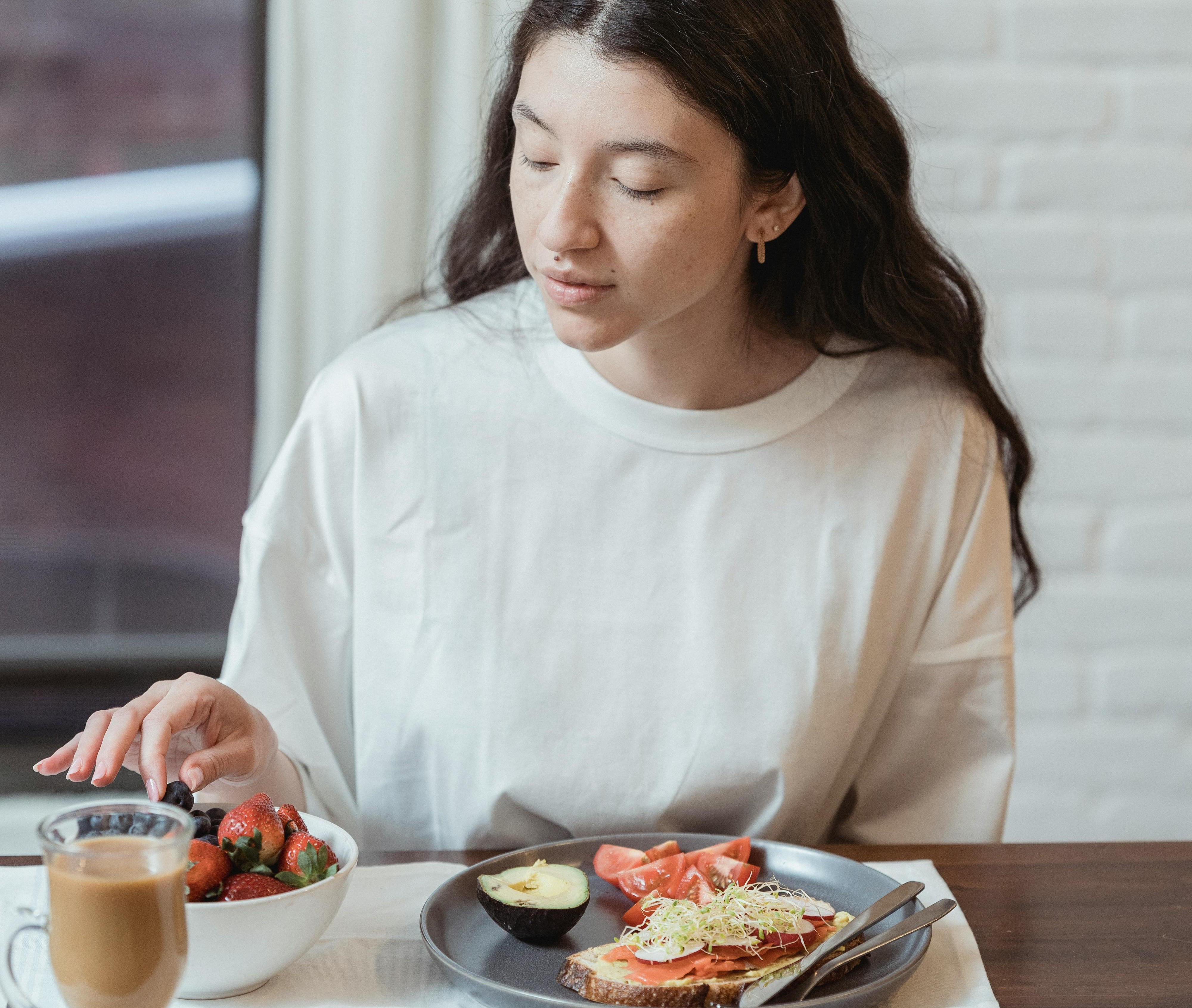
Going makeup-free
It was only recently, a few weeks ago, when my skin started suddenly breaking out in pustules, that I finally decided—no more makeup. They say, the body remembers what the mind doesn’t, and much like a stubborn child, often ends up making a decision for you. The chronically overworked mom abruptly collapses and is forced to rest until her body recuperates. The yo-yo dieter shows signs of kidney damage and is forced to abandon their juice detox.
While I simmered in anxiety and discomfort, I suppose my skin, too, made a decision for me. I’ve always had clear skin, and yet, for the first time in my life, I had angry red pimples that simply refused to clear up.
The first day and the next few that followed were not easy. When I looked at my face in the mirror, my grey-blue dark circles, too-small lips, and lopsided features seemed to stare back at me gleefully. After years of caking my face in makeup, my bare skin seemed pale and washed-out in comparison. In that moment, I felt an uncontrollable, almost animalistic urge to reach for my makeup bag—just one dab of foundation couldn’t hurt, right?
But the sight of my splotchy face made me stop in my tracks. My body was trying its hardest to get me to stop, to treat my skin like an actual organ, not just a decorative layer that stretched over my body. So I walked out of the door, entirely makeup-free for the first time in years. On that particular day, my friends and I had decided to visit the Nehru planetarium in Mumbai for the first time since our school days, eager to re-experience the joyous whimsy of learning about outer space.
And yet, even as I marveled at an awe-inspiring audiovisual display, my thoughts kept racing back to my dull, haggard skin and puffy eyelids. When my friend, Saachi, whipped out her phone to take a selfie of us, I felt a stab of embarrassment at the idea that my bare face would now be documented for her Instagram followers to gawk at.
Ironically enough, in a place that was supposed to remind me of how small and insignificant I am in the vastness of the universe, I felt like Atlas, shouldering the weight of the world. But, it wasn’t just my own self-image that took a hit—I was mentally checked out of conversations, too, as my friends bantered and laughed around me. Nobody pointed out that I was makeup-free—they didn’t even seem to notice the change in my appearance—but I couldn’t stop myself from wondering if they secretly found me repulsive.
As the days passed, though, the initial sense of agony and trepidation began to feel less all-consuming. Instead of worrying about my appearance, I began to be able to focus on what was happening in front of me: the ebb and flow of conversation, making the other person feel heard, enjoying the food at a restaurant, feeling the elements against my skin without worrying how they were ruining my makeup.

I didn’t feel as put-together as I used to, but surprisingly enough, I felt more connected to my physical body than ever before. The 20 minutes I would otherwise spend perfecting my no-makeup makeup look in the morning before I left for work were now an oasis of slow time in which I could nourish my body with a hearty breakfast. In the absence of thick concealers and cream blushes, my skin was finally able to breathe and the pesky pustules cleared up in no time.
The biggest difference I found though, wasn’t really with my skin, or my makeup for that matter. It was a greater tolerance for being witnessed in my natural, imperfect state. Once I let go of the overwhelming need to put on a performance, to be pretty and put-together, I found myself marvelling at how much lighter I felt in my relationships with other people, and how much more confident I was. How freeing it can be to know that your loved ones couldn’t care less about your dark circles or pigmented lips.
I’m not winning any ‘Most Confident In Her Own Skin’ award just yet, I still have a ways to go. But going makeup-free has made me realise that the world didn’t end when I thrust aside my tube of concealer… and doesn’t that count for something?


