



How to pick the perfect summer sunscreen
Your guide to getting sun protection right this season
Indian summers are no joke. The sweltering heat, paired with the dryness and humidity (depending on which part of the country you live in), can wreak havoc on your skin. The rising temperatures mean scaling down your skincare routine to the basics. In the process, however, we often assume it’s okay to skip sunscreen – who needs a heavy, sticky, greasy layer on their skin? But is that the right solution? Absolutely not.
Sunscreen is sacrosanct, no matter what the weather or time of year. During summers, especially when the heat and UV exposure are at their peak, this skincare Holy Grail is a non-negotiable. So, how do you pick a summer sunscreen that protects your skin and suits your skin type without making you feel like a greaseball? We asked the experts.
Formulations
The first thing we need to understand is how summers impact the skin. Your skin tends to produce more sweat and oil, which attracts dust, grime and other pollutants, resulting in clogged pores and breakouts. So, formulation is key when picking your summer sunscreen. “Choosing a sunscreen for summer firstly depends on your skin type,” says Mumbai-based dermatologist and aesthetic physician Dr Pallavi Sule. “For dry skin, one must use a cream-based sunscreen with a moisturising agent. For those with oily or combination skin, a gel-based or oil-free sunscreen will keep pores unclogged.”


While the high temperature remains constant, different regions experience either dry heat or humid heat. According to consultant dermatologist Dr Manasi Shirolikar, who consults across the country, these factors play an important role in what sunscreen you choose for the summer. “For hot and dry weather, like Delhi, look for lightweight lotions or cream-based formulations that won’t clog your pores or add to the discomfort of the dry heat,” she suggests. “For hot and humid weather like Mumbai, look for water and sweat-resistant, non-comedogenic sunscreens, in a silicone gel formula for oily skin, or lotion consistency for combination to dry skin. These work best, as they are less likely to drip or feel heavy.”
Ingredients
Are all sunscreens built the same? No. The formulations of your summer sunscreen may vary from that of your winter sunscreen—ingredients included. During summers, your skin tends to behave differently and, therefore, requires ingredients that will help soothe, hydrate, moisturise and protect. Here are some of the essential ingredients to look out for, recommended by experts:
– Aloe vera + Centella Asiatica: Aids in soothing and moisturising the skin, which is much-needed after sun exposure.

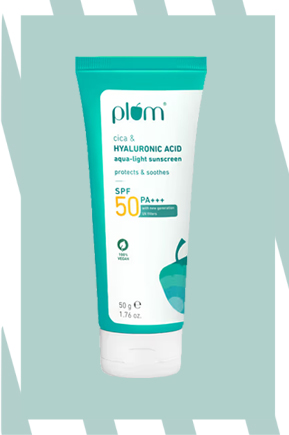
– Hyaluronic acid: Hydrates the skin by retaining moisture, and reduces the chances of flaking and irritation. Apt for drier climates like Delhi.
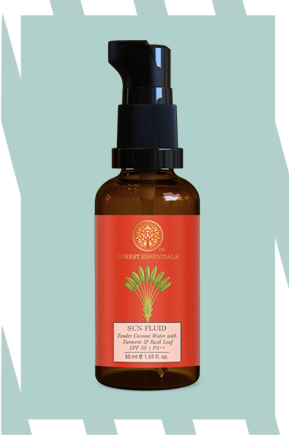
– Niacinamide + ceramides: Helps reduce inflammation and irritation, and improves the skin’s barrier function.

Reading labels
Here’s everything you need to know about how to read the label on your sunscreen:
1. Broad Spectrum: Select a broad-spectrum sunscreen that offers protection against UVA and UVB rays.
2. SPF: Sun protection factor indicates how much protection your sunscreen offers against UVB rays, which are primarily responsible for sunburn. Opt for an SPF of 30 or higher in your sunscreen. It needs to block out at least 97% of the UVB rays.
3. PA rating: This rating is the protection grade your sunscreen offers from UVA rays, which are primarily responsible for premature ageing. A PA+++ or PA++++ rating is perfect for the summer.
Note: SPF and PA are correlated—the higher the SPF, the higher the PA rating
4. Sweat and water resistance: This is important if you’re sweating or going swimming. It is important to note that no sunscreen is waterproof—they are water-resistant. Depending on the duration of exposure (either 40 or 80 minutes), the formula can withstand breakdown by sweat or water.


5. Lightweight and sheer formula: Avoid a white cast by choosing a sheer, invisible or tinted formula. It is also lightweight on the skin, which makes it perfect for summer.
6. Sensitivity: For those with sensitive skin, look out for hypoallergenic and fragrance-free formulas.
Preventing white cast and greasiness
Sunscreens are no longer limited to beach and pool days. Thanks to the ghosts of sunscreen’s past, white cast and greasiness are common concerns. According to Sule, mineral sunscreens, which contain mineral UV filters and are formulated with zinc oxide and titanium oxide, typically leave you with a white, ashy or purple cast.
She recommends choosing a sunscreen with nano or micronised particles of zinc oxide that can be blended in. Your skin’s sebum production peaks during summer, so if you’re someone who tends to grease up easily, Shirolikar recommends opting for a matte finish to help combat the oiliness.
Suitable for all skin types:


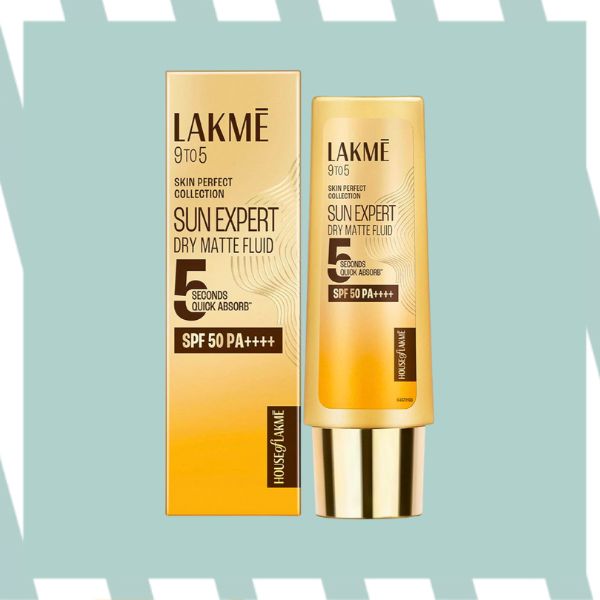
Suitable for oily/combination skin:
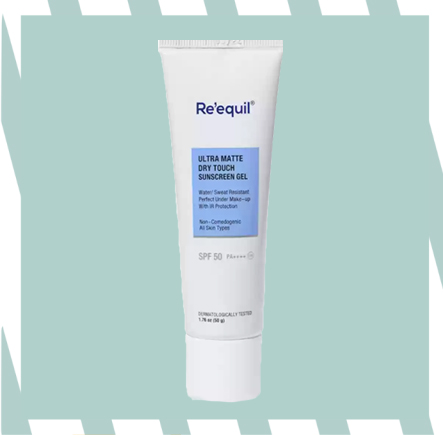
Suitable for oily/combination skin:
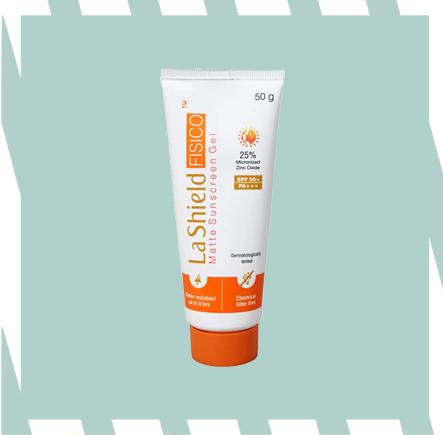
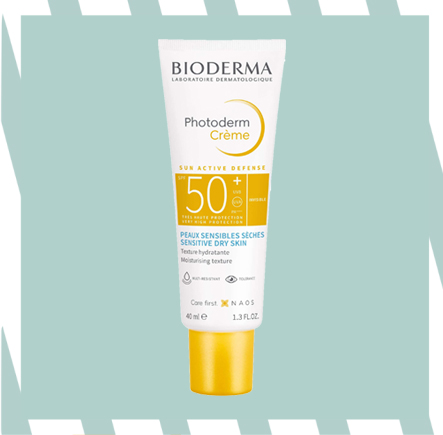
Suitable for normal to dry skin:

*This article has been edited to update the prices and add new products