


Why are my underarms and inner thighs in a passionate relationship with melanin?
It’s discolouration, our old friend
Sundays as an adult woman are spent doing many things—waxing, laundry, stocking groceries, and experimenting with every beauty nushka for glowing skin. From aggressively rubbing neembu (lemon), to waxing strips and roll-ons, we’ve tried every single remedy in the book to wish the pigmentation away from under the arms and between the thighs.
Fairness is an idea marketed to us all the time—natural complexion, lips, armpits or inner thighs, everything needs to be as white as maida to be ‘ideal’. The fair-skin obsession has echoes of a colonial hangover associated with superiority, power and beauty. Pigmentation isn’t something that we can just wish away because it’s as much a part of being human as breathing. Luckily for us, people are slowly moving towards recognising set beauty standards for what they are—an illusion. Whether it’s cellulite, stretch marks, weight, complexion or body hair, we are now seeing these as just part of the human experience.

Having said that, pigmentation can still stir insecurities. Surat-based Dr Aanchal Panth, consultant dermatologist at Dermafollix Healthcare, notes that it’s one of the most common skin concerns after acne, “People are very bothered by dark spots on their body. Sometimes they want treatments even when the darkness is within normal limits. We have been sold this ideal body type of fair and even skin tone so much that slight darkening of underarms, thighs, elbows and knees bothers people,” she says.
If you’re someone who has accepted melanin as the unruly cousin you don’t like or are still struggling to make peace with, we spoke to two experts to understand why this happens and what we can do about it. But it’s totally up to you to decide what you want to do…
Why are my underarms and inner thighs pigmented?
Skin pigmentation refers to skin discolouration due to higher or lower melanin production. Though colloquially, when we say pigmentation, it usually refers to hyperpigmentation, a condition where there’s an increase in the amount of melanin in the skin. Alternatively, hypopigmentation is when there’s a decrease in the amount of melanin in the skin.
Melanin is a pigment that absorbs UV radiation and protects the skin. “Genes, sun exposure and hormonal changes can cause either hyperpigmentation or hypopigmentation in any part of the skin,” says Bengaluru-based Dr. Nishtha Patel, dermatologist at Kosmoderma Skin & Hair Clinic.
Pigmentation is also the skin’s way to fight any injury—friction, dryness, insect bites, any external stimuli that might be perceived as a threat. Secondly, as Indians, we’re genetically predisposed to higher pigmentation, “The increased melanin production provides natural protection against intense sunlight prevalent in our geographic region. This adaptation helps prevent UV damage, but it can also lead to variations in skin tone, making pigmentation more noticeable in some individuals,” adds Dr Patel.
While all parts of the skin, from your face to arms and legs are susceptible to discolouration, the armpits and inner thighs are extra sensitive areas. Here, it can also lead to insecurity with wearing certain clothes, like sleeveless outfits or shorts, or being intimate in bed with a partner. But there’s a reason why these two areas are particularly susceptible to pigmentation. Doctors Panth and Patel elaborate:
When the skin loses its elasticity, it’s thrown into folds, making it appear darker.
Denim and synthetic fabrics such as polyester, nylon, rayon, etc can cause a lot of friction. Soft cotton and linen would be better clothing options to reduce the impact of friction.
- Shaving can irritate the skin and cause melanin production.
- Excessive sweating can add to skin darkening.
- Chafing and friction from thighs rubbing against each other can cause pigmentation.
- Hormonal fluctuations during puberty, pregnancy, or other medical conditions can boost melanin.
- Some people are genetically predisposed to more melanin production in these areas.
In some cases, pigmentation could be due to a medical condition. “If the pigmentation is more than three shades darker than your natural skin or surrounding skin tone, then you may want to get it checked. Especially if along with darkening there is thickening of skin, we need to rule out acanthosis nigricans,” says Dr Panth. Acanthosis nigricans is a condition where an excess amount of insulin in the body can make the skin thicker. This thicker skin is then thrown into folds, making it appear velvety and darker than normal skin.
To embrace the darkness or run towards the light?
Every ‘problem’ demands a solution and so to fight the darkness we run to whitening products, but should we actually use them? “Yes and no. No product can magically whiten skin but we can use agents that gently exfoliate. Newer, fresher skin is lighter coloured,” explains Dr Panth. In case of acanthosis nigricans, this along with nutrition and weight loss can help reduce pigmentation. Dr Patel agrees, “Using whitening products for skin pigmentation is a personal choice. However, it’s important to be careful as aggressive bleaching agents can harm the skin.”
Expert recommended products
If you do wish to reduce pigmentation in these areas, here’s what you can use:
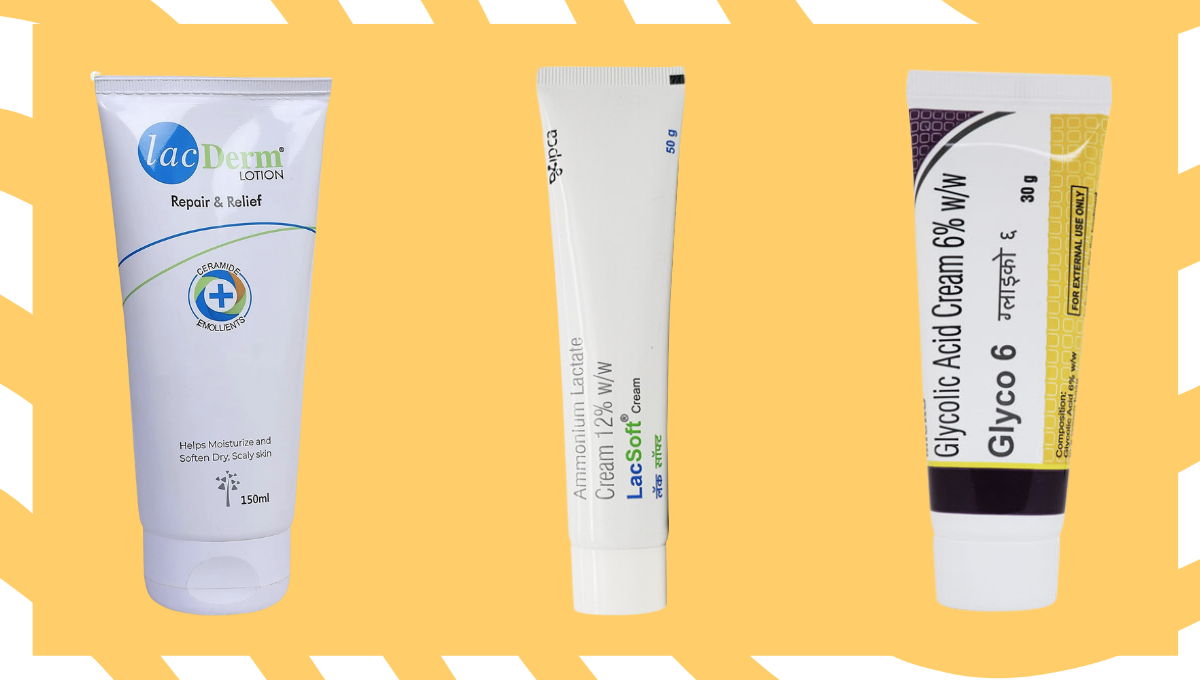
- Moisturising creams that contain ammonium lactate; twice daily.
- Creams with 6% glycolic acid twice a week on affected areas to reduce darkening.
- Products containing kojic acid, alpha arbutin or beta hydroxy acid (BHA) for exfoliation and lightening.
- Sunscreen with a higher SPF (nothing less than 50) is essential to prevent further pigmentation.

Tweak recommends: The derma Co serum-lotion, ₹399, Re’equil SPF 50 PA++++ ₹645 Be Bodywise underarm roll-on ₹349, put simply SPF 50+ ₹1,099
However, before using any product, it’s best to consult a dermatologist for personalised recommendations that suit your skin type and concerns.
Note of caution: This story is for educational purposes with inputs from trained experts. Please consult your healthcare provider to know what suits your needs best.


