

7 horror movies that support women’s rights… and wrongs
Maybe the real horror movie was the misogyny we fought along the way
Growing up, I didn’t have ASMR videos or journalling to comfort me after a gruelling day. So my idea of rest was putting on a horror movie—the gorier the better. Eyes glued to the screen, I’d watch with bated breath as a meek heroine crept around a house with a butter knife (or another equally pointless weapon) to investigate a noise coming from the attic.
Whether it was the iconic cult classic Scream (1996) or the teen slasher All The Boys Love Mandy Lane (2006), the formula remained much the same: a young, blonde woman trying desperately to get away from a chainsaw-wielding killer, eventually getting slaughtered—complete with bits of flesh flying around like some kind of apocalyptic rain drops.
So widely accepted was this trope, in fact, that English film director Alfred Hitchcock is rumoured to have said, “Blondes make the best victims. They’re like virgin snow that shows up the bloody footprints.” Which only goes to reiterate the fact that horror as a genre, has been rife with misogyny, degradation, and casual sexism for many years.
Only recently did I stumble upon a new sub-genre of horror (they’re calling it feminist horror), where women aren’t just relegated to damsels in distress. They are final girls, vengeful ghosts, valiant mothers, and plucky heroines who slay demons and the patriarchy with the same knife.
What unites all of them is their experience of womanhood, particularly its ugly, dirty, and messy parts. So if you’re on a quest for female characters who stand up to the patriarchal forces around them (often unassumingly), we have the perfect watchlist for you. Rest assured, these films and TV series will deliver a platter of spine-chilling thrills with a side of feminism.
These feminist horror films tackle sexism to the ground

Khauf (2025)
If you’ve ever lived in a hostel, you already know the real horror story is the bland, watery dal in the mess and the slut-shaming warden who monitors your every move with a hawk eye. But, what if you move to a new city (this is what it’s actually like, fyi) and find that your hostel room is actually haunted by an ever-lingering, sinister presence?
That’s exactly what happens to Madhuri, played by Monika Panwar, after she moves into Room 333 of a working women’s hostel in Delhi, only to discover that the room had been locked since its last resident, Anu, died. The eccentric lot of characters she encounters in the city—including a strict warden, a psychiatrist, and a hakim who dishes out mysterious potions to his patients—only add to the overall feeling of unease and trepidation.
What truly cements this Indian TV series as a feminist horror is its shrewd allusions to the real-life nightmares that plague women in a hyper-masculine society—the semen stains on Monika’s shirt after she’s ridden a crowded bus, the lecherous gaze of men as she walks down the streets of Delhi, even her boyfriend’s casual sexism. After all, what can possibly be scarier than knowing that you’re unsafe, both, inside and outside of your home?
Titane (2021)
Caution: If the idea of having sex with a car makes you feel queasy, you’ll need a toilet bowl and some Pudin Hara for this one. Fans of Jennifer’s Body and Teeth, come through, this French film will be right up your alley.
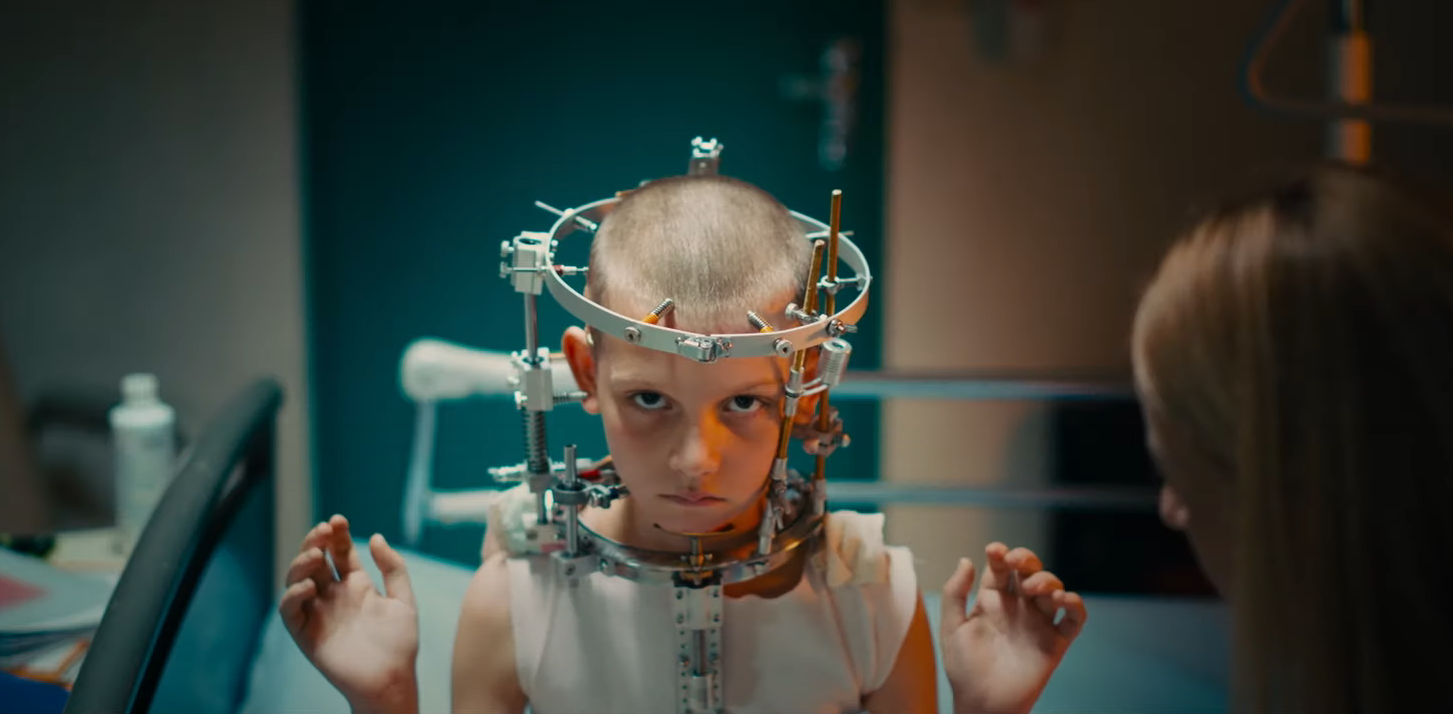
Meet Alexia. She’s had a titanium plate fitted in her skull after being in a car accident as a little girl which leads to her being… not quite right in the head. Be prepared for multiple scenes of her murdering men, having sex with cars and fire engines, and eventually, getting pregnant with a…car baby (no, seriously, how does that even work?).
Wanted by the police for murder, she’s compelled to take on a new identity—that of Adrien Legrand, a young boy who went missing 15 years ago. After cutting her hair, taping her breasts, and concealing her pregnant belly, she claims to be Adrien and is soon united with the boy’s father, Vincent. While living with him, she’s forced to come to terms with her changing body.
Pushing the boundaries of gender, Titane takes everything you know about what it means to be a woman and turns it on its head. Alexia isn’t the meek, gracious pregnant woman you often see in cinema—she’s brash, sexual, and psychopathic. She is what the kids call, the monstrous feminine. A woman that isn’t afraid to rage, scream, and become the very thing the patriarchy fears.
As grotesque as it may be, though, the film has taken the spotlight, with numerous awards under its belt. Most notably, it had its world premiere at the Cannes Film Festival in 2021, where its director Julia Ducournau won the Palme d’Or, the festival’s top award.

Under the Shadow (2016)
Set against the backdrop of the Iran-Iraq war, this Farsi feminist horror depicts Shideh, a medical student, who’s busy taking care of her young daughter, Dorsa, while her husband is enlisted into military service. She’s going about her life just fine until a missile hits their apartment building and a superstitious neighbour suggests that it may have ushered in malicious spirits called djinns.
Soon, Dorsa starts behaving strangely, insisting that there’s an evil presence in the house and Shideh, too, has nightmares about a ghostly presence that takes on the form of a chador (a cloak worn by women). But, be warned, this isn’t your typical ghost story, with creaking doors and wailing babies—it’s a socio-political allegory that lays bare the oppression of women in post-war Iran.
So much so that the director of the film, Babak Anvari, chose to shoot outside Iran so they could tell the story freely. “In Iran, a woman in front of the camera always has to cover her hair. My story is set in an apartment in a private space. You can’t have Shideh wearing chador while going to bed,” she said in an interview with Dazed & Confused magazine.
When Shideh is arrested for going outside without wearing a chador, when she’s refused a medical career due to her political activism in the past, when her husband tries to dissuade her from pursuing a career—you can’t help but feel terrified. Not because of the djinn in her home, but because of the utter helplessness she feels as a woman.
Black Christmas (2019)
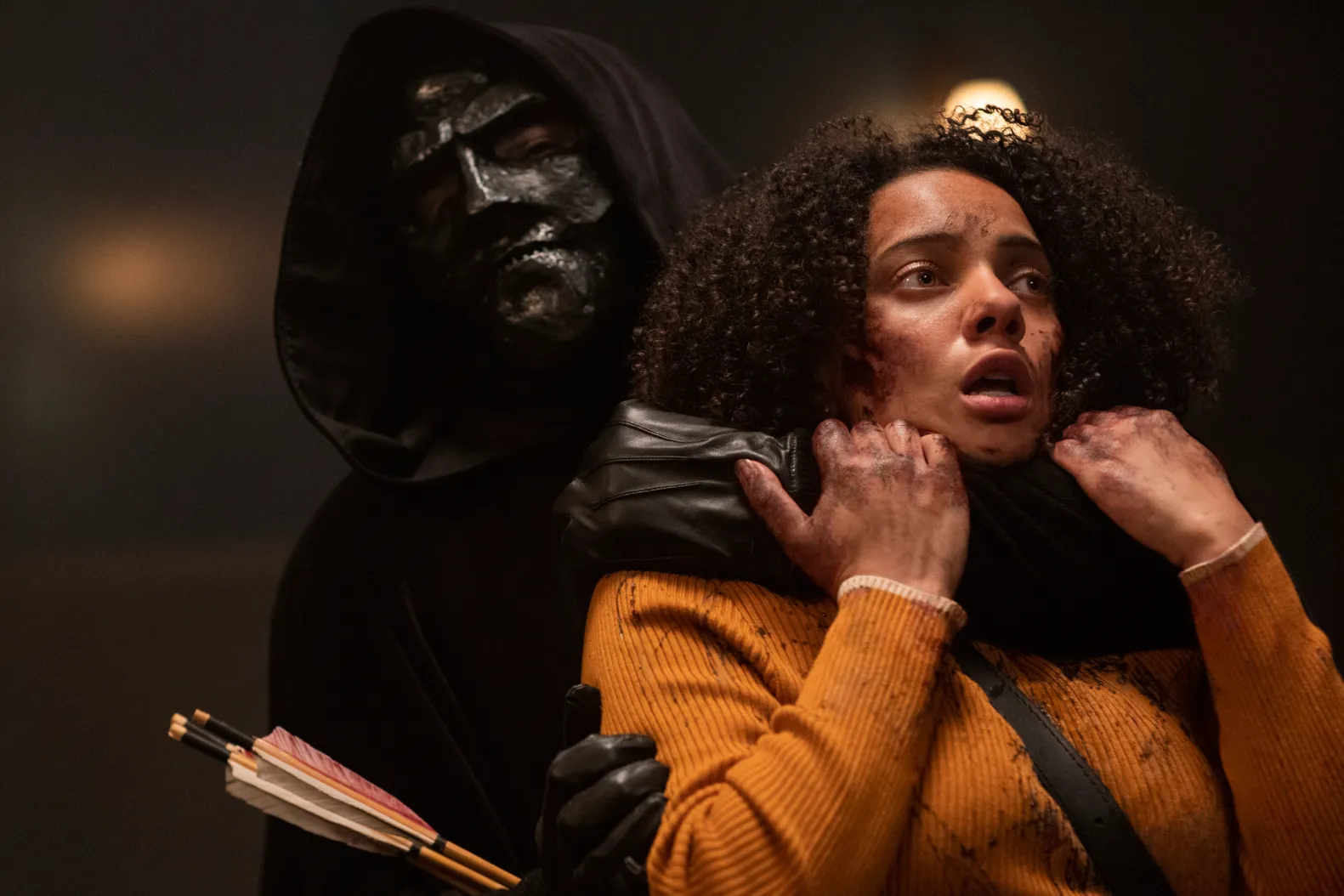
As Hawthorne College gets quieter over winter break, Riley Stone and her Mu Kappa Epsilon sorority sisters stay behind and prepare for the festive season. Unknown to them, a stalker is lurking in the shadows. When Riley’s sorority sisters start getting murdered one by one, she and her friends stumble upon a conspiracy that is far darker and more ghastly than they could’ve imagined: a misogynistic cult that aims to get rid of women who defy social norms.
Taking a closer look at toxic masculinity and rape culture, this remake of Black Christmas (1974) is a harrowing watch but perhaps the most overtly feminist of its three versions. Throughout the movie, every male figure on campus gaslights Riley, fails to take her seriously when she reports her friend missing, and dismisses her worries with a nonchalant “boys will be boys”.
Sounds familiar? Probably because it is. Think back to your school days when well-meaning teachers would remind you to cross your legs lest your skirt ride up too high, and react with wry amusement if you complained about a boy bothering you. The tragic truth is that institutional sexism begins far too early and extends well into adulthood.
The ray of hope here, however, is the sisterhood depicted in this feminist horror—especially how the sorority girls rally together and are willing to sacrifice themselves for each other. Plus, it’s queer-friendly, body-positive, and diverse, all the things we like in our late-night binges.
Chhorii 2 (2025)
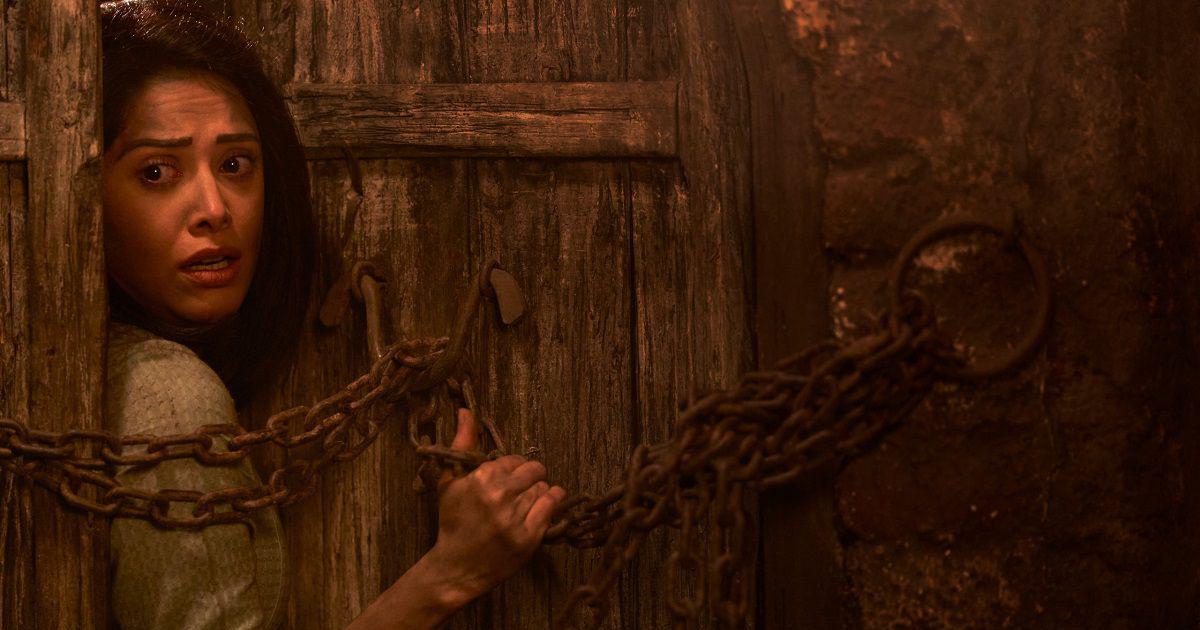
Four years after the original, Chhorii 2 returns to tell the story of Nushrratt Bharuccha‘s character, Sakshi, who’s been living a life of solitude with her seven-year-old daughter, Ishani. But when Ishani gets kidnapped by an underground tribe that intends to sacrifice her in three days, Sakshi’s caught in a frantic race against time to win over the evil high priestess, Dasi (played by Soha Ali Khan), and destroy an evil entity.
If you’ve watched the first one, you’ll be hit by an overwhelming sense of deja vu as the main characters go through the same sugarcane fields and haunted village they’d fled in the first movie. And the powerhouse performances by Khan and Bharuccha make this slow burn horror creep under your skin, making it all the more gripping.
It’s only when the credits start to roll that you arrive at the larger question: what does the sacrifice of the chhorii really symbolise? Alluding to themes of child marriage and female oppression, this feminist horror film is a powerful reminder that social evils aren’t always loud and on the nose—often they manifest subtly, symbolically, and in the guise of age-old rituals.
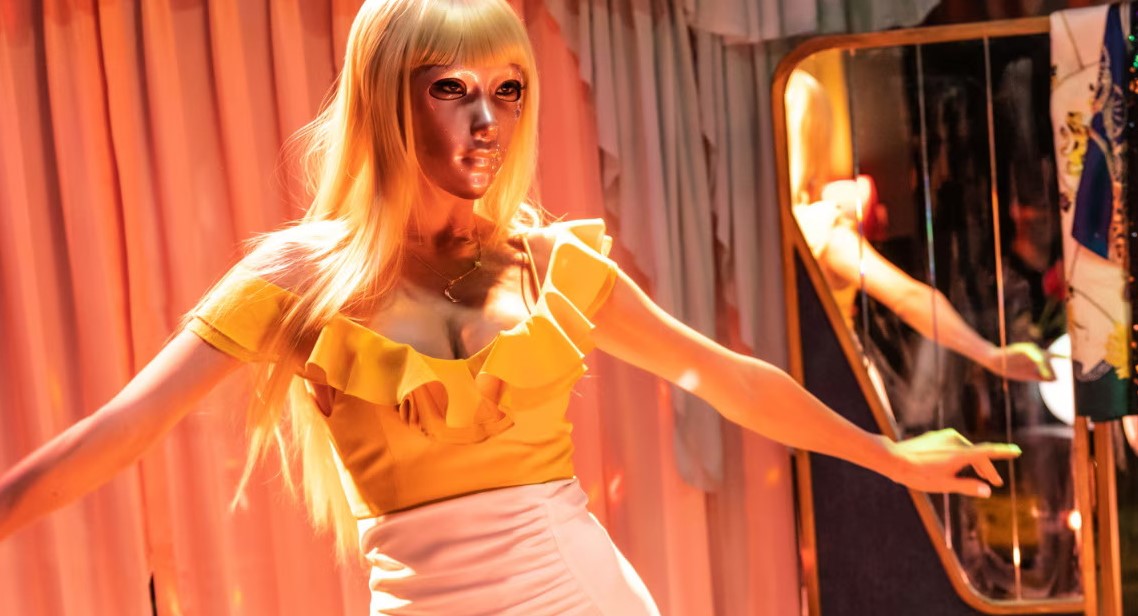
Mask Girl (2023)
If you’ve ever been to a wedding, only to have a chachi you’ve never met before scrutinise your face and point out all the unsightly daaghs and dhabbe, then congratulations, you’ve already had a taste of societal beauty standards. But what if the beauty standards around you are so harsh and unforgiving that they impact your actions every step of the way?
In this Korean suspense thriller, an ordinary office worker called Kim Mo-Mi is utterly convinced that she’s ugly. Despite her plain looks, she’s eager to realize her childhood dream of performing on a stage under bright, flashing lights. So, after returning home from work every night, she dons a shiny mask and runs a popular live broadcast, where she dances for and interacts with fans on the internet.
Things take a turn for the worse when someone from her workplace discovers her online persona, while yet another fan tries to blackmail and rape her. But instead of being a casual bystander to her own mistreatment, we soon realize that Mo-Mi is willing to resort to anything to defend herself. It’s not often that we root for a violent assassin, but in this case, it’s hard not to empathise with a young woman whose trauma-fueled vengeance feels understandable, if not justified.
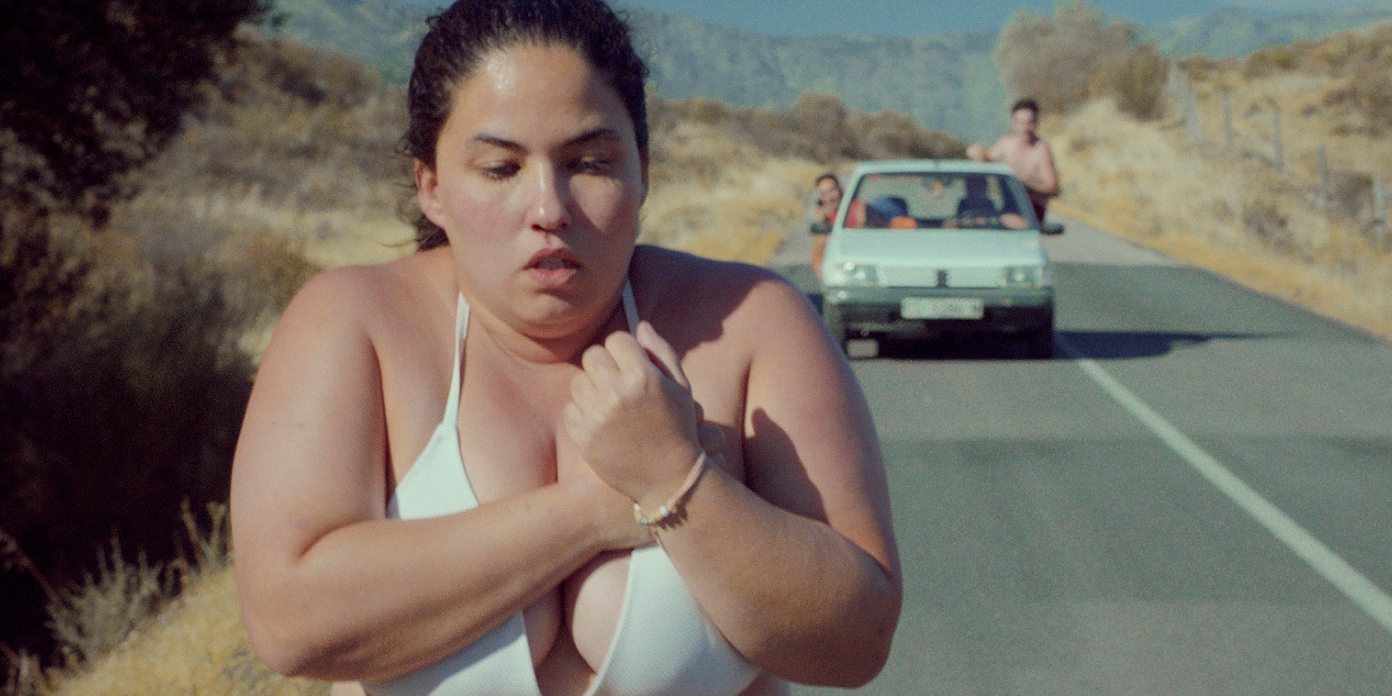
Piggy (2022)
A summer day, a sleepy Spanish town, and a group of giggly girls…what could possibly go wrong? Well, a lot, it seems. If you’ve been a teenager, you probably remember what it’s like to be moody, hormonal, and eager to fit in. And God forbid someone was ever mean to you—it would feel like that exact moment from Jab We Met when Aditya reprimands Geet for talking his ear off.
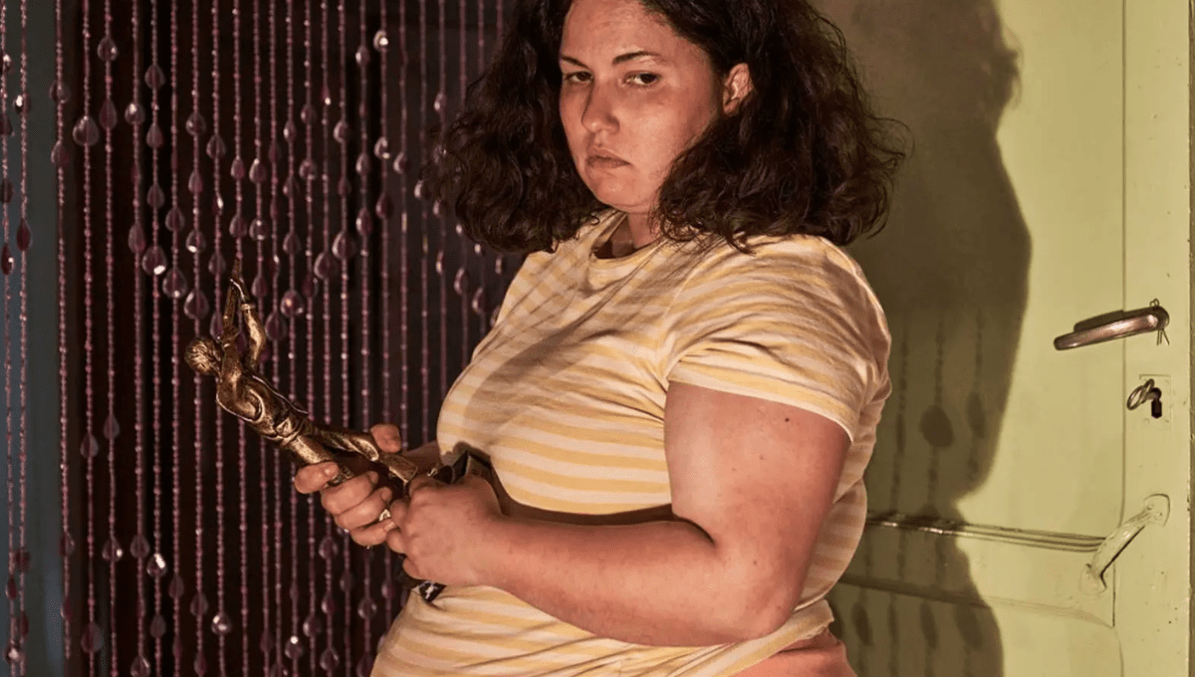
So, you can only imagine what it must feel like to be Sara, an overweight teenager who’s the target of every mean comment under the sun by a malicious group of girls. The name of the film, Piggy, is—you guessed it—their nickname for her. But, one day, the clique gets kidnapped by a stranger who’s been watching the bullying unfold, and Sara’s stuck in a strange quandary. On one hand, she feels a moral duty to help her bullies reach safety, but on the other hand, she’s tempted to keep them far, far away from her.
Undeniably, this film is claustrophobic and hard to watch, perhaps intentionally so. After all, it’s a disturbing peek into how women’s bodies are inherently tied to their sexuality. Sara’s bullies, for instance, hurl insults at her implying that she’s too fat to be sexually attractive, and yet, also allude to her being promiscuous. Tackling themes of body shaming, fatphobia, and trauma, this film hits all the right notes with minimal dialogue and a colour palette that feels deceptively cheerful.