


Consider this is a rescue mission for your dal-stained white kurta
Your ultimate guide to white-washing
There are certain truths that, no matter how much we want to debate, we cannot deny. For instance, sweet potato fries can never replace actual french fries. The day you forget your umbrella will be the day it rains men cats and dogs. And, just when you think your new white shirt is a safe distance away from that coffee cup, you will still end up with mysterious stains. It’s just the law of the universe. Keeping your white clothes white appears to be a cosmic challenge.
And yet, we persist in our pursuit of crisp linens and flawlessly white kurtas (colour enthusiasts can browse these labels). Keeping your whites white can feel like a Sisyphean task, especially when you’re surrounded by clumsy coworkers, sticky-fingered children and your partner’s weaponised incompetence (oops, I mixed colours and ran a high-speed spin cycle, again).
Before you know it, your once-white socks are now a faded pink, your once-white kurtas have discoloured armpits and your once-white, almost-radiant shirt is now sullied with food stains. So how does one stay clear of these dreaded transformations. Well, that requires fast action, handy home remedies, strategic washing techniques and some TLC.
So if you’re a connoisseur of all things white, whether its linens, upholstery, or clothes, this is the guide you need to keep all manner of whites (from ivories to eggshells) looking like they’ve just waltzed out of a detergent commercial.
Step 1: Understand fabric types
Different fabrics have different needs, so you have to customise your detergents and washing methods. For instance, using a harsh detergent on a delicate fabric, such as silk or lace, is as prudent as hosting a dance party in a china shop.

Certain detergents are formulated for specific fabric types—delicate fabrics need gentle ingredients while robust ones can handle tough-on-stains formulations. If you need help identifying fabric types, here’s a concise primer:
Natural fibres:
Cotton: The go-to for comfort, cotton is like a summer romance—keeps you going despite soaring temperatures. It’s soft and breathable, but like any summer fling, it has its limitations; in this case, a tendency to wrinkle and shrink.
Linen: Made from flax plant fibres, linen is the strong, silent type, known for its coolness and high absorbency.
Silk: The epitome of luxury, silk is a protein fibre that’s hypoallergenic and robust. It’s like the secret agent of fabrics—smooth, strong and high on rizz.
Synthetic fibres:
Polyester: Durable and wrinkle-resistant, this undercover agent is a favourite for activewear and performance clothing.
Nylon: Lightweight and strong, nylon discretely slips into athletic wear and lingerie, like a spy in a tuxedo.
Spandex: Known for its stretch, spandex is the gymnast of fibres, bending and snapping back with ease.
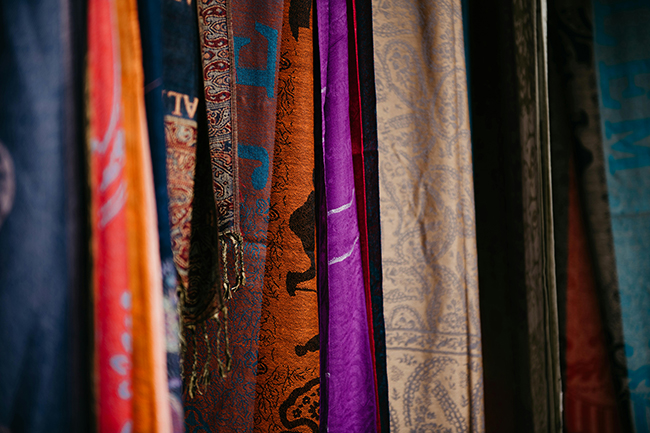
Woven vs knit fabrics:
Woven: These are the no-nonsense fabrics with a flat, smooth surface. Think denim with its sturdy appeal, twill with its distinctive diagonal lines, and satin weave, the smooth operator with a shiny finish.
Knit: These are the social butterflies of the fabric world, stretchy and prone to curling at the edges (and getting caught in random places). They’re your casual white tees and cosy socks.
While picking your white-washing battles, consider the fabric’s durability, breathability, and how well it maintains its colour and appearance over time.
Always opt for oxygen bleach over chlorine ones when dealing with delicate items to avoid damage. With this intel, you’re all set to keep those whites bright and tight.
Step 2: Get rid of stubborn stains
Before you despair at the sight of that stubborn stain on your favourite white kurta, remember this golden rule: while fighting stains, speed is your ally. Stains are like bin bulaiye mehmaan; the longer they linger, the harder it is to show them the door. In addition, here are some pre-wash battle tactics you can use:
Enzyme power play: Spilled some anda curry on your white shirt? Don’t just stand there—grab an enzyme detergent or oxygen bleach and show that stain who’s boss. These stain-busters are like the special forces of your laundry arsenal, breaking down food and drink spills before they set up camp.

Sweat and deo drama: Those yellow underarm patches on your favourite sweater? They’re not a good look. Pre-treat them with liquid detergent, dishwashing liquid or a clear shampoo. Think of it as a pre-laundry spa treatment for your clothes.
Step 3: Prepare the wash cycle
Discolouration seems to be the fate of most whites, aided by sweat, pollution, hard water, over- and under-washing, and the occasional food dribble. To secure greater longevity for your whites, choose your washing arsenal well.
Set the right temperature
Hot water hustle: For whites that have seen better days, hot water can be the revival they need. It’s great for tackling tough stains and killing bacteria, leaving your whites fresh and sanitised. But check the care labels to avoid unwanted shrinkage.
Cold water caution: Newbies can use a cold-water wash to ensure their colours don’t run with each rinse. Plus, it’s more energy-efficient. But here’s the kicker: it’s not as effective at removing certain stains or killing germs.
So, which one should you choose? It all boils down to the fabric type and the nature of the stains. Hot water might be your best bet for dealing with heavily soiled items or stubborn stains. But for everyday washing and delicate fabrics, cold water is your go-to.
Invest in laundry boosters
Sometimes, your whites need a helping hand. Enter oxygen bleach, hydrogen peroxide and chlorine (used in liquid laundry bleach)—these three tackle dirt and stains with ease. Add a scoop of these in your wash and voila, your whites are back to their old glory.
Enzyme detergents: Fats, oils, and protein chains don’t stand a chance against these. They’re like the Sherlock Holmes of detergents, solving the mystery of stubborn stains. However, check the garment label to ensure it’s a cooperative material (avoid wool and silks). These should not be used regularly as they can impact the integrity of the fabrics.
Vinegar and hydrogen peroxide: These are not just for your chips or cuts. Adding a cup of distilled white vinegar or a splash of hydrogen peroxide to your wash can brighten your whites and neutralise odours.

Chlorine vs oxygen bleach: Choose your fighter wisely. Chlorine bleach is the heavyweight champion that can tackle sports socks and sweaty undershirts, while oxygen bleach is more tactical ninja, gentle but efficient in its ‘washfare’.
Natural experts: When life gives you lemons, use them to keep your whites white. The benefits of lemon juice, baking soda and distilled vinegar is not just limited to the kitchen; these natural whitening agents can effectively tackle oil discolouration with a gentle hand. Just use them cautiously, and don’t go overboard with delicate fabrics.
Step 4: Master the art of washing whites
Running an effective and delicate wash cycle for your whites is an art, like pairing the perfect wine with your meal. Paying attention to these nuances will help you master the art:
Measure your detergent dosage: It’s a fine balance—too little and you’ll have a dingy outcome, too much and you’ll be in residue city. The trick is to use just the right amount of detergent, guided by the load size and the manufacturer’s recommendation.
Opt for sun-dried perfection: The sun isn’t just for Vitamin D and Instagram selfies. Drying whites in sunlight is like using nature’s bleach—the sun’s UV rays don’t just brighten; they also fade stains and nix odours, all while giving bacteria the boot.
Beware of fabric softeners: That cute little bottle promising softness? It’s a no-go for whites. Softeners can leave a grey tinge that’s about as welcome an overcast sky on the day of a cricket match.
Plan your wash routine: Wash whites more often; don’t let those stains settle in. And if you’re dealing with white towels, a pinch of baking soda with a bleach-free detergent and a whitening booster can work wonders.
Give your machine some TLC: Your washing machine needs its own spa day (and proper descaling). Regular cleaning ensures it’s not just circulating dirt and sabotaging your whitening efforts. Think of it as a detox for your machine; it’ll thank you with peak performance.
Step 5: Prepare for post-wash care
Maintaining post-wash glory requires dedication, like tending to a blooming garden. A little nurture goes a long way in ensuring your whites maintain their crisp, radiant appearance.
Separation is key: Keep your whites together and, most importantly, wash them separately from your coloured garments to prevent the horrors of dye transfer.
Gentle drying: To get rid of excess water, select a gentle spin setting on your washing machine—nothing too fast or furious. Let them dry off naturally to avoid singeing and shrinkage, which can be caused by high heat and super spins.
Plastic is not fantastic: Store your whites in a cool, dry spot to keep mildew at bay. And avoid plastic casing like last month’s TikTok trends—restricting airflow can lead to unwanted yellowing.
Archival tissue for treasures: To preserve those white heirlooms, like your wedding gown or dadi’s handmade blanket, wrap them in archival tissue.
And if the load cycle is too burdensome for your schedule, and your whites are pleading for rejuvenation, use professional laundry services for that expert finish.