

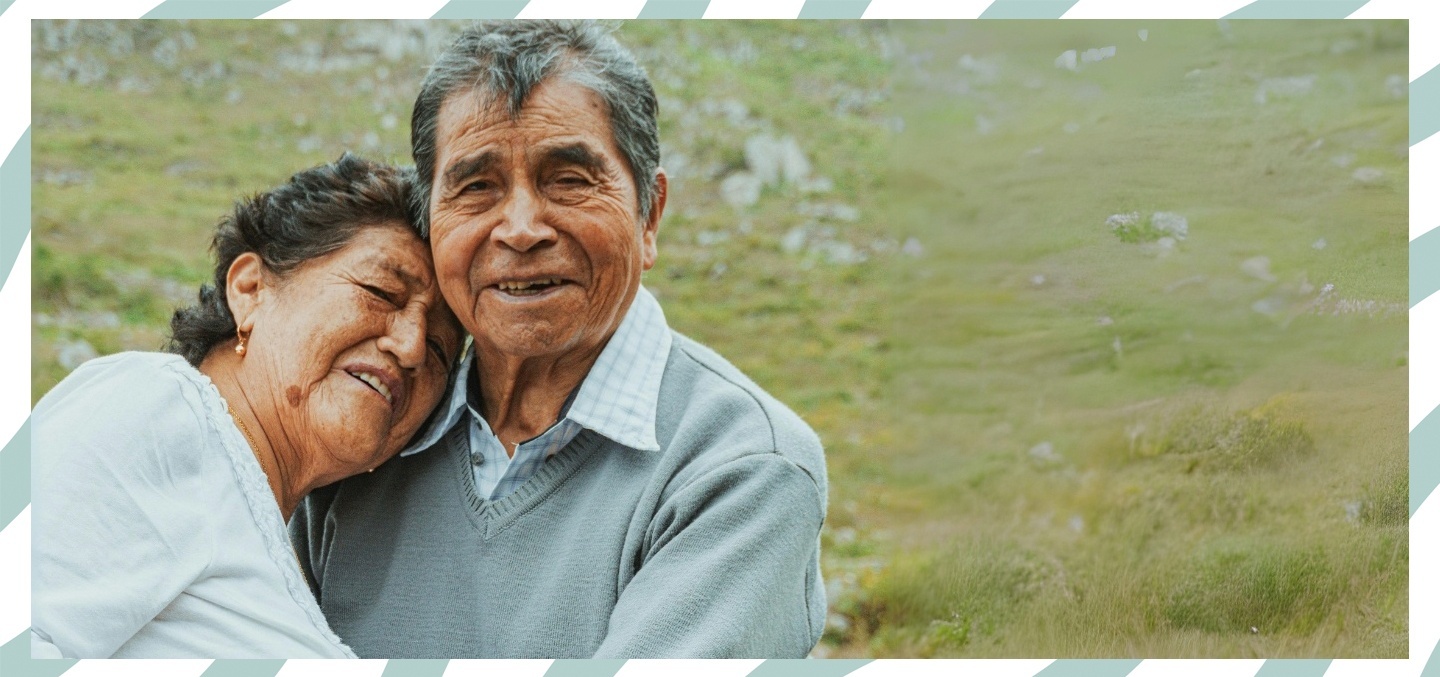
What's life really like when you're 50+ and child-free?
“As if having kids guarantees anything. I’ve seen plenty of friends who have children and still feel lonely or neglected”
Sometimes, life can feel like a checklist of milestones, with each tick of a box supposedly marking your journey from childhood to adulthood. Finish school, check. Graduate college, check. Marriage, check. Have children – ding ding ding, you’re now a certified adult, complete with society’s seal of approval. But what happens if you skip one of those boxes? Does life come to a screeching halt, or does adulthood quietly disqualify you, like a game of Kaun Banega Crorepati where you ran out of lifelines? The child-free lifestyle may be on the rise within certain circles in India, but it is by no means mainstream. Those who make this choice still invite scrutiny and judgment; now imagine making this decision some 20-30 years ago when having children after marriage was as expected as makhan on hot aloo parathas.
At 50+, the impact of that choice—or circumstance—becomes even more pronounced. The reality of being child-free and conversations about freedom, legacy, and loneliness hit harder when paired with cultural conditioning that measures worth in terms of contribution to the next generation.
“I’m surrounded by kids all day—it’s just that none of them are my own,” laughs Meena*, a 52-year-old History teacher at a prestigious New Delhi school. With her eyes firmly set on a Vice Principal position, she radiates a sense of accomplishment and purpose. “I’ve taught every grade from 3rd to 12th, and I do love it. But that natural urge to become a mother, the one society insists every woman has, just skipped me.”

Meena’s journey to this point was by no means a straight road. A string of bad relationships in her 20s and a particularly abusive one in her early 30s led her to reevaluate her priorities. Choosing self-preservation over societal pressure, she stepped away from the dating pool to focus on her career and her family. She took on the responsibility of caring for her elderly parents and her younger brother, who has Down syndrome. “Maybe that’s where all my ‘maternal instincts’ went. I love caring for my brother and for my parents as they grow older.”
While her decision to remain child-free has brought her freedom and professional growth, it hasn’t shielded her from societal judgment. “People are constantly asking, ‘Who will take care of you? At least you’ll get support.’” she says. “As if having kids guarantees anything. I’ve seen plenty of friends who have children and still feel lonely or neglected.”
Meena describes her life as a balancing act—the reality of being child-free for her includes revelling in the independence that allows her to take solo trips and immerse herself in her work while occasionally confronting the pangs of solitude. “I won’t lie, there are moments when I wish there was someone to come home to, someone who shared my journey. But those moments are fleeting. I’ve learned to enjoy my own company and focus on the relationships I do have.”
Living in Delhi, a city that thrives on family and social connections, Meena often feels like an outlier. She still gets asked if she has any marriage plans, gets recommendations from neighbourhood matchmakers, and gets sympathy from people who assume she has fertility issues. Yet, she doesn’t see herself as incomplete. “I’ve built a life that works for me,” she says. “Whether it’s through my students, my family, or my career, I feel fulfilled. Isn’t that what matters at the end of the day? I don’t think that ‘maternal instinct’ has gone anywhere. I just put it somewhere else other than a biological offspring.”
Meena’s story underscores the nuanced reality of being child-free in India—a mix of joy, resilience, and the quiet strength it takes to live on one’s terms.

Nisha* has been single for 23 years now, ever since she walked out of a dysfunctional marriage where she was constantly disparaged for her fertility issues. Now 53, she works as a property broker in Mumbai’s bustling Bandra neighborhood, juggling a career and a vibrant social life. “People still call me a spinster, and I remind them that I was married. It’s easier for them to digest than the fact that I’m a divorcee,” she says with a smirk.
Living in Mumbai, with its relatively open-minded culture, has allowed Nisha to build a life on her own terms. “This city has given me a lot, but what I’m most grateful for is my chosen family,” she says, referring to her close-knit group of friends. Many of them, like her, have stepped away from traditional paths and formed a support system that feels more like family than her own relatives ever did. “We celebrate each other’s birthdays, help with medical emergencies, and even spend Diwali together—it’s not just about filling a void but creating a new way to live.”
Her strategies for emotional fulfilment include embracing her passions—she’s an avid reader and recently picked up pottery as a weekend hobby—and travelling whenever her schedule allows. “Planning a trip for myself is liberating, not worrying about school breaks or family itineraries.” She also volunteers at a local animal shelter, finding solace in caring for stray dogs. “It gives me a sense of purpose and connection beyond myself.”
Nisha acknowledges that loneliness does creep in, especially when society reinforces the idea that a woman’s worth is tied to her role as a wife or mother. She says it stings when people ask her about her choices, questioning who will “support me in my old-age”. But then I look at my friends—my family—and I know I’m not alone. But the pangs do come up now and then, it’s only natural.”
Her story highlights a growing trend among urban, child-free individuals who rely on non-traditional support systems, proving that community can be just as fulfilling as family ties. “I’ve built a life that’s rich in experiences and relationships,” Nisha says, “and if that doesn’t count as a full life, I don’t know what does.”
Sadia and Rehman Qadri have been married for over 30 years, and navigated the pain of fertility struggles early in their marriage. Now in their 50s and 60s, the Hyderabad-based couple say they considered adoption but were discouraged by family members, citing religious reasons and concerns about connection. Looking back, Sadia admits, “We let ourselves get influenced too easily. But honestly, we haven’t felt the lack of children either.”
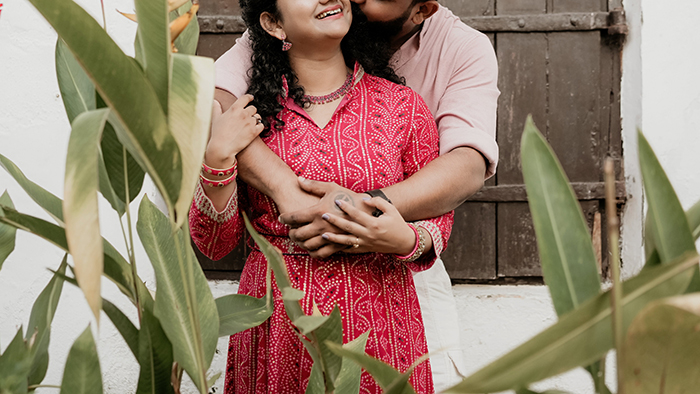
Their family structure has filled much of that void. Rehman, 62, has two siblings with children, and Sadia, 55, has four siblings, each with their own families. Living close to their extended family in Hyderabad means their home is rarely empty. “We’ve become second parents to our nieces and nephews,” Sadia says. “They drop by often, and it feels like our family is always growing.”
Yet, the reality of being child-free in the conservative culture of Hyderabad has meant enduring persistent reminders of their child-free status. “Comments like ‘You should’ve tried harder’ or ‘Your own kids are your own kids’ are common, even now,” Rehman shares. Sadia adds that, shockingly, much of this judgment comes from other women, who she thought might empathise with her struggle. “It stings sometimes, but we’ve chosen to focus on the love we do have.”
The Qadris have built their life around mutual care and shared goals. They’ve planned meticulously for their future, ensuring financial stability through investments and savings. “We don’t want to burden anyone,” Rehman says. Their strength lies in their partnership. They’ve redefined their purpose beyond traditional parental roles, finding fulfilment in their local community by joining walking groups, kitty parties (the original friends with benefits), bridge clubs and nurturing the relationships they hold dear. “We’re a team,” Rehman says simply. “We’ve faced this together, and that’s what matters.”
India is slowly but surely embracing the child-free lifestyle, especially in its urban, well-educated, and dual-income households. According to Euromonitor, more and more urban Indians are choosing to focus on financial independence, career growth, and personal freedom over traditional family structures. While societal pressure still hangs heavy, with people often raising an eyebrow at child-free choices, studies show that happiness isn’t inherently tied to having children. In fact, research suggests that being content often comes from pursuing meaningful work, nurturing friendships, and personal growth.
The bottom line? The reality of being child-free isn’t as grim as you may have initially thought, but it does need some planning. Your happiness, legacy, and fulfilment are yours to define, whether or not you decide to have children. It’s time to build your tribe, your way.