


Single during the holidays, and not even a little alone
Being on your own doesn’t mean sitting out holiday traditions
I moved to Bombay 11 years ago, at the age of 20, to start the next phase of my life. But I only truly began to live in a home when I moved in with two college friends. All three of us were far from our families, broke for most of the month, and figuring life out. So we became a unit.
We couldn’t afford to go home for every festival, especially not the big ones. So instead we pooled our money, bought fairy lights, made pani puri, and started our own traditions. It began with one Diwali and soon extended to Christmas dinners (once our disposable income increased) and a New Year’s tradition of attending a queer party, dancing our hearts out, and screaming lyrics together, unhinged.
We did this for five years. Then, life happened. One of us moved to another country. One changed cities. I moved in with my partner at the time.
But I didn’t want to lose what we had built—that sense of celebration, of chosen family. So I adapted. I brought my then‑partner into those queer parties, reconnected with old college friends who had moved to the city, started hosting potlucks, and slowly made new friends at work.
When my partner and I broke up but continued living together, I created new rituals. Now, every New Year’s Eve, we host game night. We call the handful of friends we have, play the most intense games ever, and end the year how I like it best: laughing until I snort.
It got me thinking: in a world that glorifies traditional family structure, single people—as well as those who can’t or don’t want to go back home—refusing to be sidelined during the holidays is a joyful act of resistance.
Why this shift matters
The idea of family is evolving. According to a projection by Morgan Stanley, an estimated 45% of women between the ages of 25 and 44 will be single and child-free by the year 2030. A 2022 gender statistics report by the Government of India confirms that the percentage of unmarried women in the country has risen from 13.5% in 2011 to 19.9% in 2021.
Marriage is happening later, if at all. Women are not only rejecting the idea of traditional domesticity, but owning their choice to stay single and live alone. (Vogue even declared having a boyfriend is embarrassing and best friends are the new boyfriends.) And interpersonal boundaries are now considered a flex, not a flaw.
Add in therapy-speak, dating fatigue, and a pandemic that forced everyone to sit with themselves, and you have a generation redefining what celebration with loved ones even means.
Sarojini, a 33-year-old communications professional, single by choice, says “The glorified social media portrayal of celebrating the holiday season with a partner can sometimes feel overwhelming. But I have friends who care for me more than a partner ever could. They know the days and occasions that are special to me and they make sure I eat well and have fun on those days, like pandal hopping and eating Bengali food for Durga Puja. My priority is to grow and strengthen these relationships.”
We’re moving away from the one-size-fits-all style of festivity. Holidays are no longer a traditional rigmarole to endure on autopilot, but a chance to create experiences that are personally meaningful. Whether they are cozy, chaotic, or completely solitary. And there’s so much power in that.
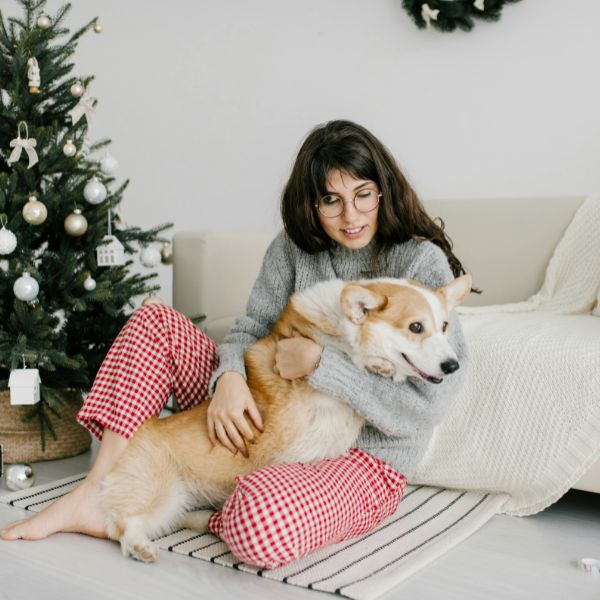
Shailaja (55), an entrepreneur from Bengaluru, got divorced at 50, after 27 Years of a very difficult marriage. These days, she spends New Year’s Eve exactly how she wants: curled up with her dog, Blue, watching reruns of her favourite Korean drama Descendants of the Sun, swooning over Song Joong-ki, and ending the night on a quietly contented note.
“Peace and love,” she explains simply. “Nothing else. Just peace and love.”

Rewriting holiday traditions
There’s a myth that traditions must be old to be meaningful. But many of our most joyful memories can come from rituals we made up just a few years ago.
A game night. A theme party (50 Shades of SRK, trust me). Holding cash as the clock hits 12 for wealth energy. Writing a letter to yourself every December 31st and reading the old one from last year. Not everything has to be sentimental and profound. Some rituals are gloriously mundane, borderline absurd, just flat-out fun, and still oddly healing. If it brings joy, comfort, or even just a sense of control during a time that feels emotionally loaded, it counts.
Winnie Chopra (42), founder of the queer collective GayGaze Bombay, has over just four and a half years, created a holiday tradition for Mumbai’s queer community.
“Festive months like November and December can feel deeply isolating. There are so many queer folks who don’t have a safe space to celebrate Diwali, Christmas, or New Year’s where they can truly be themselves. Sure, there are dozens of parties happening—but not all of them feel safe. You never know if you’ll be stared at, judged, or worse,” she explains.
That’s exactly why she began hosting a range of events specifically for queer people during this season. There are smaller, more intimate event formats like book clubs and art workshops designed for softer connection. Alongside these, they also host karaoke nights for the more playful crowd, and larger celebrations like the GayGaze X‑mas Naughty List, which featured a panel discussion followed by drag performances. While the events are open to allies, they are always held in explicitly queer‑friendly spaces and governed by clear community rules—no heckling, no disrespect, and zero tolerance for behaviour that makes queer people feel unsafe.
“We created a space curated for queer people to show up as their authentic selves. And what’s been incredible is watching strangers become chosen family.”
When you don’t go back to your biological family for the holidays, you don’t need to sit it out anymore—you can build or be part of something new.

When loneliness sneaks in anyway
However successfully you find a new tribe and build new festival traditions, sometimes the wistful pangs come anyway. Especially when Instagram floods you with matching-outfit photos and ‘maa ke haath ka khana’ reels. There’s a quiet ache that shows up around midnight, when the party winds down and you think about how nice it would be to step forward into the new year hand in hand with someone special. Or you wonder if your absence was noticed back home.
Guilt can play an active role too. Especially if you’re not with your family out of choice—you can afford to go home, you even have a cordial relationship, but you just didn’t feel like going through the motions. You’ve chosen distance over dysfunction, therapy over tension, and stillness over sacrifice. It’s better this way, but that doesn’t mean you don’t feel a little sorry about it.
Shailaja is honest about the emotional complexity that accompanies this time of the year. “Yes, I do miss human companionship,” she admits. “But it’s still better to be with Blue and myself than to feel alone in a relationship. And what if I invite the wrong companion into my life? That’s even scarier.”
Her takeaway is sobering but real: “Even with a companion or family, there’s no guarantee that celebrations or festivals will feel joyful.”
What helps is knowing you’re not the only one. That your story isn’t a sad exception but a reality for many.
The start of something beautiful
So if this is your first year being single during the holidays, skipping a family event, staying back in the city, or doing something that doesn’t look festive from the outside—know that it’s okay. You’re not giving up on joy. You’re redefining what joy now looks like for you.
Maybe you’ll make banana bread. Maybe you’ll cry. Maybe you’ll play Cards Against Humanity with three friends you just made and with whom you feel more seen than you have in months.
That’s the thing about new traditions. They start small. They look different. But they matter just the same.