


"My mom thinks my habit of eating food from the kadhai disrupted my wedding"
To believe or not to believe, that is the question
It is officially the season of the spooky and the supernatural, and while Halloween customs and costumes may enjoy a niche fan following in India, esoteric (and sometimes creepy) beliefs and practices are practically tradition for us. They just take the form of superstitions. Remember when your mom scolded you for trimming your nails after sunset because you might attract negative energy? Or when you believed that an upside down slipper meant a fight was about to erupt in the family?
“Whenever I see a cat, I just want to run in the opposite direction. They are evil,” a friend said to me recently. Had I been a cat lover, he would have heard an earful. But being noncommittal about the creatures myself, I understood the fear—especially given one of the most enduring superstitions in our country is that a kaali billi crossing your path is a bad omen.
We have all believed (or forcefully followed) seemingly harmless superstitions that have been ingrained in our lives. For some, they are a tool to feel in control of things when nothing seems to go their way, while others follow them just to protect their elders’ beliefs. Either way, they seem to be an inescapable part of the Indian family experience.
What strange family superstitions have people inherited and now keep alive? What is the origin of these stories and warnings? Are they just another tradition to rebel against? We were curious, and we spoke to people across the country who shared their most entrenched superstitions that were equal parts strange and funny (and sometimes, concerning, too).
7 Indians share superstitions that will make you revisit your science books
Playing with the devil
“Back home in Bhopal (I’m currently working in Mumbai), there is a belief that whenever you lose something, you should tie shaitaan ki gaanth or a ‘devil’s knot’—where you take a dupatta or sari and tie a knot on the corner. But that’s not all. While doing so, you have to say, ‘Oh devil, wherever you have hidden my stuff, you have to return it. Otherwise, I won’t release you.’ Very ‘Oh stree, kal aana’ coded.


This practice was introduced in the family by my paternal grandmother, and my mom passed it on to her side of the family. The earliest incident that I recall is from 2003, when my aunt lost her new phone. After looking for it all day, she tied this knot in the evening. Within an hour, the phone was found inside a locker in the house. Once the lost item is found, you have to open the knot, saying, ‘Don’t do this again, or else I’ll tie you again.’
I have observed people finding their stuff after doing this. Whether it is because of the knot or just coincidence, I don’t know. I give in to these superstitions only when I am around my family, partly out of fear and not wanting to cause a scene.”
— Anisha Shrivastava, 27, Bhopal
Sidestepping a food coma
“Food is a source of joy, but my family follows a superstition that makes it a source of annoyance and inconvenience for me at times. In my family, it is believed that if a person is stepping out of the house and someone calls them from behind saying, “eat or drink this before leaving”, they have to come back inside, eat the said dish, or just sit and wait for 15 to 20 minutes before leaving again. If this is not followed, they are most likely to face challenges throughout the day.
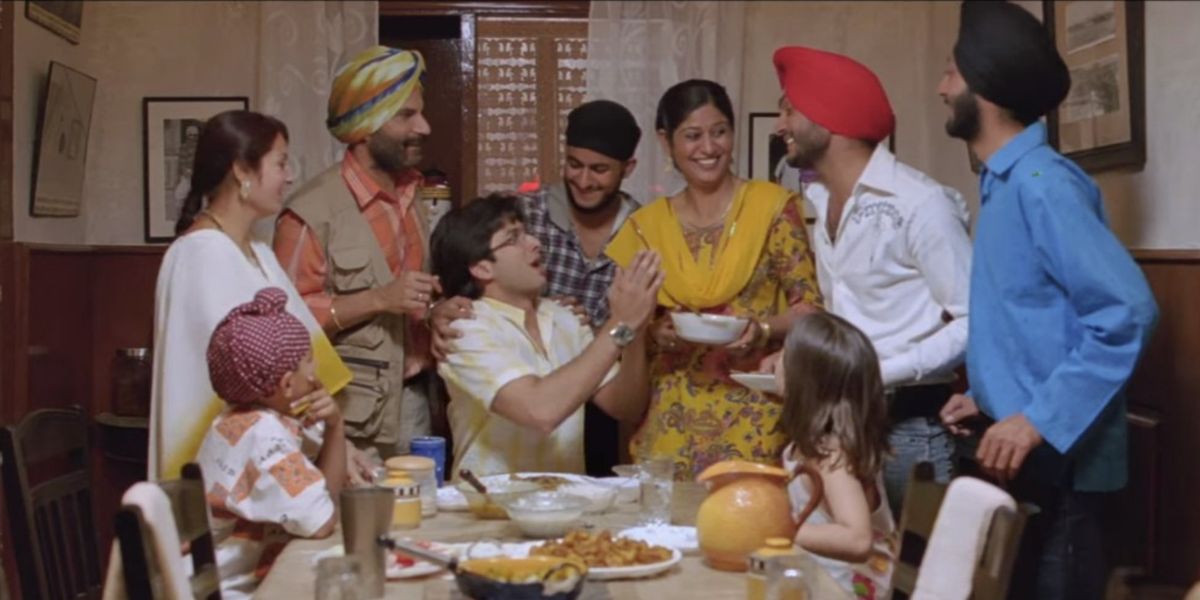
Living in a joint family with my grandmother strongly believing this superstition, I have had to follow it several times. On most occasions, I don’t mind, because who really wants to say no to dhokla and halwa made by mom. However, there are days when I don’t abide by it, like when I’m getting late for work. And honestly, nothing bad has happened to me just because I refused to come back inside and eat. I think the more you start believing in superstitions, the more there is to believe.”
— Isha Parmar, 25, Mumbai
Crows, crows everywhere
“My family didn’t make me follow this superstition, it is something I started believing in myself because of everything I had heard and observed. Crows are scary creatures, and they are often associated with death. There was a phase in my life when I would see crows on my balcony every day. And it seemed like they came only when I was there, because my family never seemed to spot them otherwise. Slowly I found myself giving into the superstition—every time I saw crows, I would feel like something bad was about to happen.
On some days, things did seem to go a little haywire. I’d forget my phone charger at home, or not be able to make a work deadline. I was quick to put it all on the crow sightings. Now when I reflect on it, I think my mind was so pre-occupied with the superstition that I self-manifested the troubles. Because after a point, I stopped seeing them so frequently on my balcony, but the minor inconveniences didn’t stop. I still get scared of crows to this day, but because of their beady eyes and raucous caws, and not because I think their presence will cause me harm.”
— Ragini*, 25, Delhi
What happens in the kadhai
“Since childhood, my mom used to ask me not to eat food directly from the kadhai. Why? Because there is a belief that if you do that, it will most likely rain at your wedding. I did it anyway because the outcome seemed so highly implausible and also too far in the distance for me to care about it. Then years later, on my wedding day, I was forced to reconsider.


It was a cold January morning in Jaipur. But I was in for a surprise as it suddenly started raining, affecting several aspects of the wedding including the number of guests. Even though we knew it happened due to a natural phenomenon called mahavat (meaning winter rainfall), my mom’s point had been proven. Till date, she playfully taunts me for not having believed the superstition. What she doesn’t know is I still sometimes eat food directly from the kadhai, because what do I have to worry about now?”
— Manjari Sharma, 47, Mumbai
Beach hair, but make it scary
“Nobody in my family is allowed to go near water bodies or water storage units with open hair, particularly at night. The elders say that negative energies follow you if you ignore this. So, my whole life I’ve always tied my hair anytime I’ve visited the beach at night. I’ve tried to prod them about the ‘why’ of this superstition several times, but nobody seems to have an answer. So, I am not sure how and where it originated, but I do remember an incident that solidified my family’s belief in it.
My cousin, during a trip to the Konkan, opened up her hair near a well for a photograph. Upon returning, she started experiencing health issues. It could have happened due to any number of reasons, but the only explanation that seemed to satisfy the family was the superstition.”
— Aishwarya*, 26, Pune
Taking on the rain gods
“We had just moved into a new house in 2013. It was during the rains and we started having leakage issues. We were exhausted and just wanted the rain gods to spare us. So my mom inverted some utensils like the kadhai and tawa, saying this would stop the rain. Whether coincidentally or because of this, the rain did stop that day. But I don’t think this would have any effect in a city like Mumbai where rains arrive without warning and always have the final word.
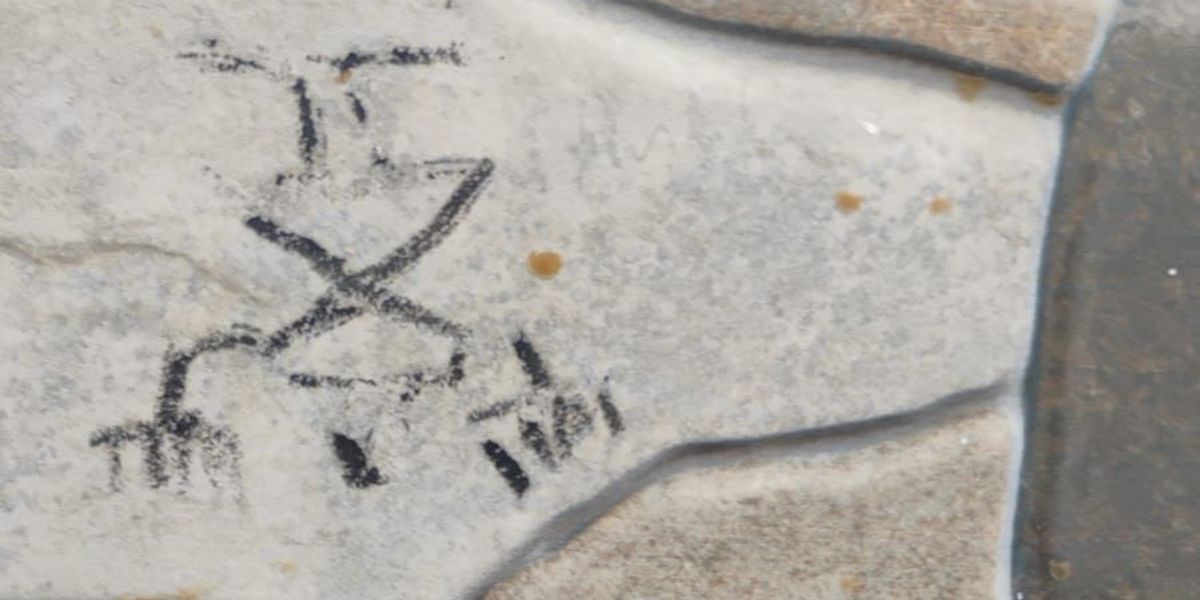
Another way my family believes we can stop rain, is by drawing or hanging an inverted doll on the wall. The ‘doll’, created at home and usually stuffed with cotton, may seem creepy (we have all watched Annabelle), but people in my family say it protects us from the rain.
From what I’ve gleaned, it was my parents’ wedding that solidified this superstition. It was raining continuously on the day, and their relatives tried all these supposed hacks to stop it. I don’t know what worked, but the rain did stop that day. I wouldn’t announce it to them, but when I am away from home, I don’t follow any superstition.”
— Eshika Gupta, 28, Meerut and Mumbai
Don’t sp-oil the day
“In my family, the word ‘oil’ is considered unlucky, so much so that we are not allowed to say it out loud. Anytime someone is leaving home, and if they happen to mention it (for example, “I am going to buy oil”), they have to come back inside and sit for a while before they can leave again. Otherwise, it’s believed that what they are aiming to do that day won’t get done. It has been followed for generations and nobody really knows the story or logic behind it. But there is a smart hack! Every time we need to say ‘oil’, we say “dahi machhli” instead, because for some equally unknown reason, that is considered lucky.
Another food-related superstition that is followed at my home is that if a person is making rotis, they alone have to complete the task end-to-end. If two people are involved in the process, the relationship between them may change, likely for the worse. It sounds silly, but we just follow it because it has been passed down from our ancestors.”
— Saba Meerza, 56, Mumbai
*Names have been changed to maintain anonymity
Disclaimer: This story is based on people’s personal experiences and is for entertainment purposes only. We do not aim to mock or propagate any superstition.