

8 thrillers where the real protagonist is female friendship
No one can deal with the stress of crime and complicated friendships like women
One of my goals for 2026 was to read a variety of genres. To see if I could finish reading difficult classics like War and Peace (1867), and find different formats to enjoy, like graphic novels. I also wanted to read authors from different backgrounds than me, instead of just racking up eight hours of screen time per day. ‘Friction-maxxing‘ my reading, basically—changing the pace, style and format of what I read so my brain has no option but to stay engaged in order to keep following.
To level up this challenge, I decided to try reading a genre I’ve never really enjoyed: thrillers. Watching them is fun, but reading has always felt like a chore. Maybe it has to do with the conventional thriller protagonist, who is usually male, usually self-obsessed, always desperately cynical or sarcastic. And why does he almost always have a dead wife?
When I came across the Netflix show A Good Girl’s Guide To Murder (2024), in which a young girl is investigating the murder of a popular kid at her school, I was so taken with the female lens that I ended up reading the original book by Holly Jackson (can screen adaptation be better than books?). It made me wonder if I had entirely missed out on this brilliant niche of female-led mysteries and thrillers, especially ones in which deep and complicated female friendships anchor the plot.
I decided to halt my experimentation with other genres and dig further into this rabbit hole, even trawling niche book clubs and Reddit threads for some of the lesser-known titles. Here is the TBR list I returned with.
8 female-led thrillers to put on your TBR list

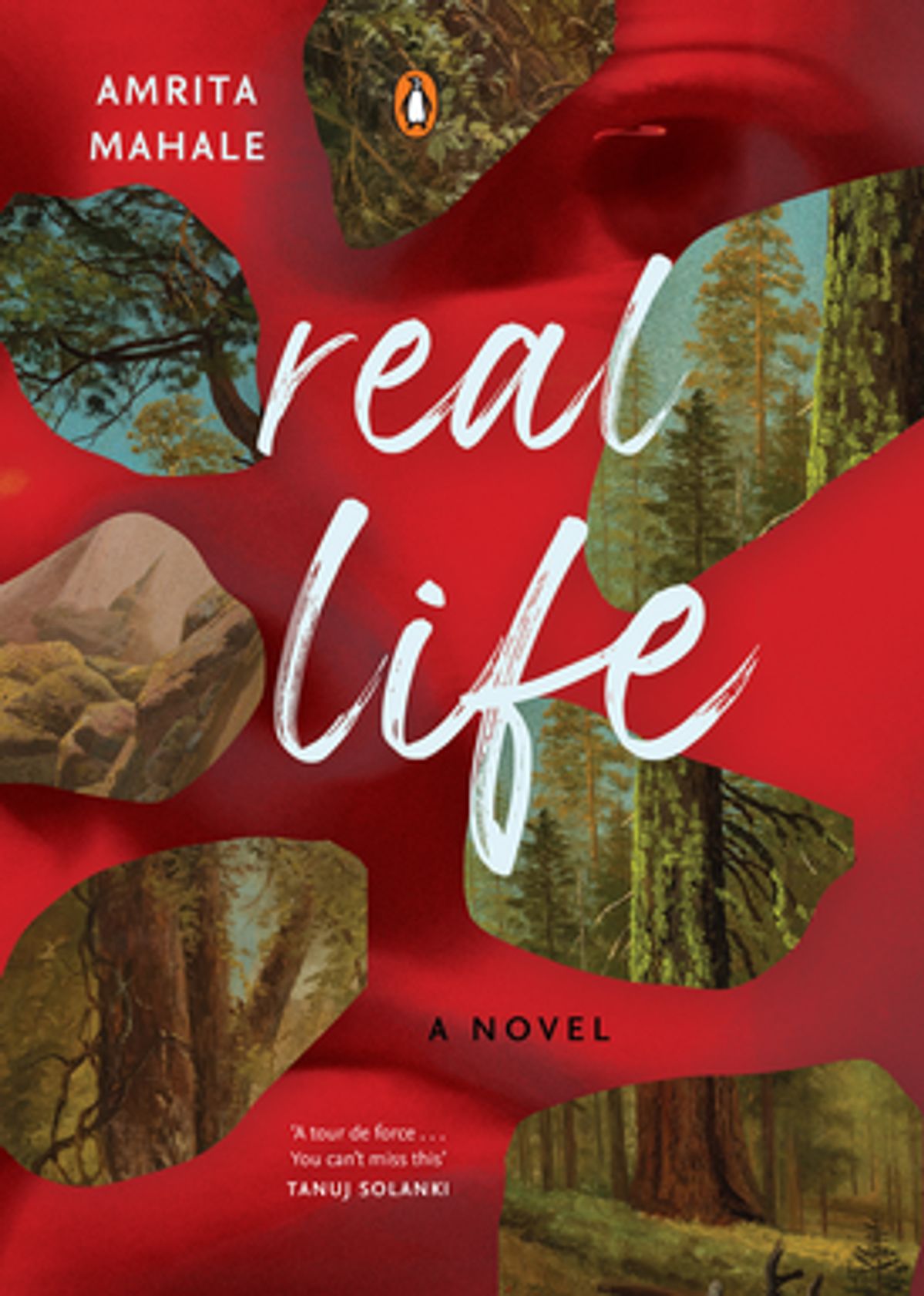
Real Life by Amrita Mahale
A platonic take on the “missing wife” trope, Real Life is about the missing best friend. Tara, a biologist who is researching wild dogs in a small Himachali town, has disappeared and is presumed dead. Now her best friend, Mansi, must retrace her steps to uncover what really went down.
The novel is told from three perspectives: Tara’s best friend, Mansi, whose inner monologue is riddled with guilt, jealousy and regret. Followed by the prime suspect, Tara’s US-returned stalker Bhaskar and lastly, the victim herself. Mahale deploys cliffhangers that keep tripping you up, while cleverly weaving in themes of nature vs tech, the rising threat of AI, and the flimsy limits of cybersecurity.
For anyone whose attention is piqued, Real Life (2025) is what the Tweak Book Club is reading this month, and Mahale will be joining us for a discussion in person on March 25th. Make sure you’re there.

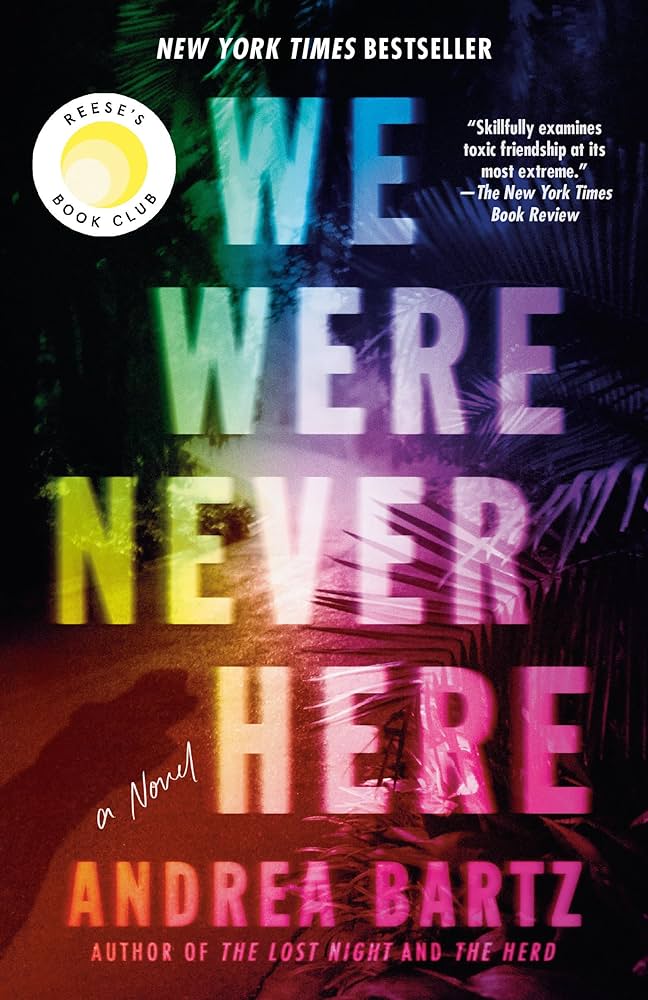
We Were Never Here by Andrea Bartz
In We Were Never Here (2021), two best friends, Emily and Kristen, are living it up on their annual reunion vacation, this time in Chile. But on their last night, Emily returns to the room to find Kristen has murdered a backpacker she had brought back there, who she claims tried to assault her. Emily is inclined to believe her friend—and help her get rid of the body—yet didn’t something eerily similar happen on their last trip too? When a backpacker who assaulted Emily, ended up dead?
Once back home in Wisconsin, Emily is more than happy to move on with her life, when Kristen gives her a surprise visit. Is this going to lead to a trauma-bonding moment with her best friend, or has Emily unwittingly become embroiled with a killer?
Locking in to find out why Kristen really killed the backpacker sounds way more promising than getting dressed to go check out the latest bougie cafe in your neighbourhood.

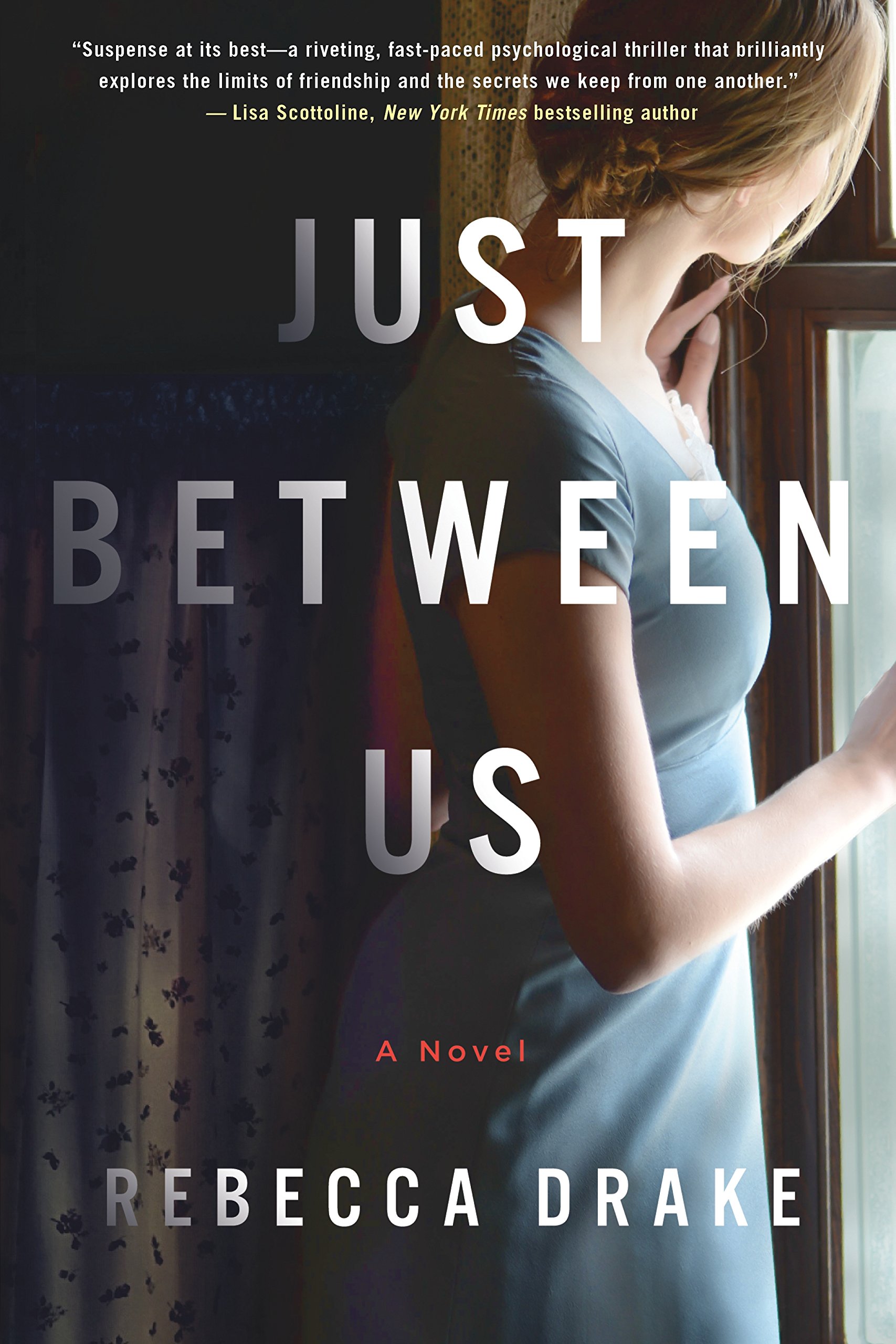
Just Between Us by Rebecca Drake
Women are often underestimated as perpetrators of crime, which can sometimes work in their favour. Just look at the alleged serial killer in South Korea whose cult-like following is appealing for her release on the grounds that she’s too pretty to be punished for her crimes.
Just Between Us (2018), similarly, brings its readers a group of hard-to-suspect suburban women who seem to have perfect kids, husbands and jobs. The tidy picture slowly starts to unravel when they first notice their friend Heather showing escalating signs of domestic abuse. Fearful for her life, they’re trying to figure out a way to help her, when they get the call they’ve been dreading. There’s been a murder at Heather’s, except…she’s the one on the phone, asking for their help in a way they weren’t prepared for.
Looks like I’m going to have to cancel plans with my friends to hang out with these friends, and watch the drama unfold from the comfort of my couch.
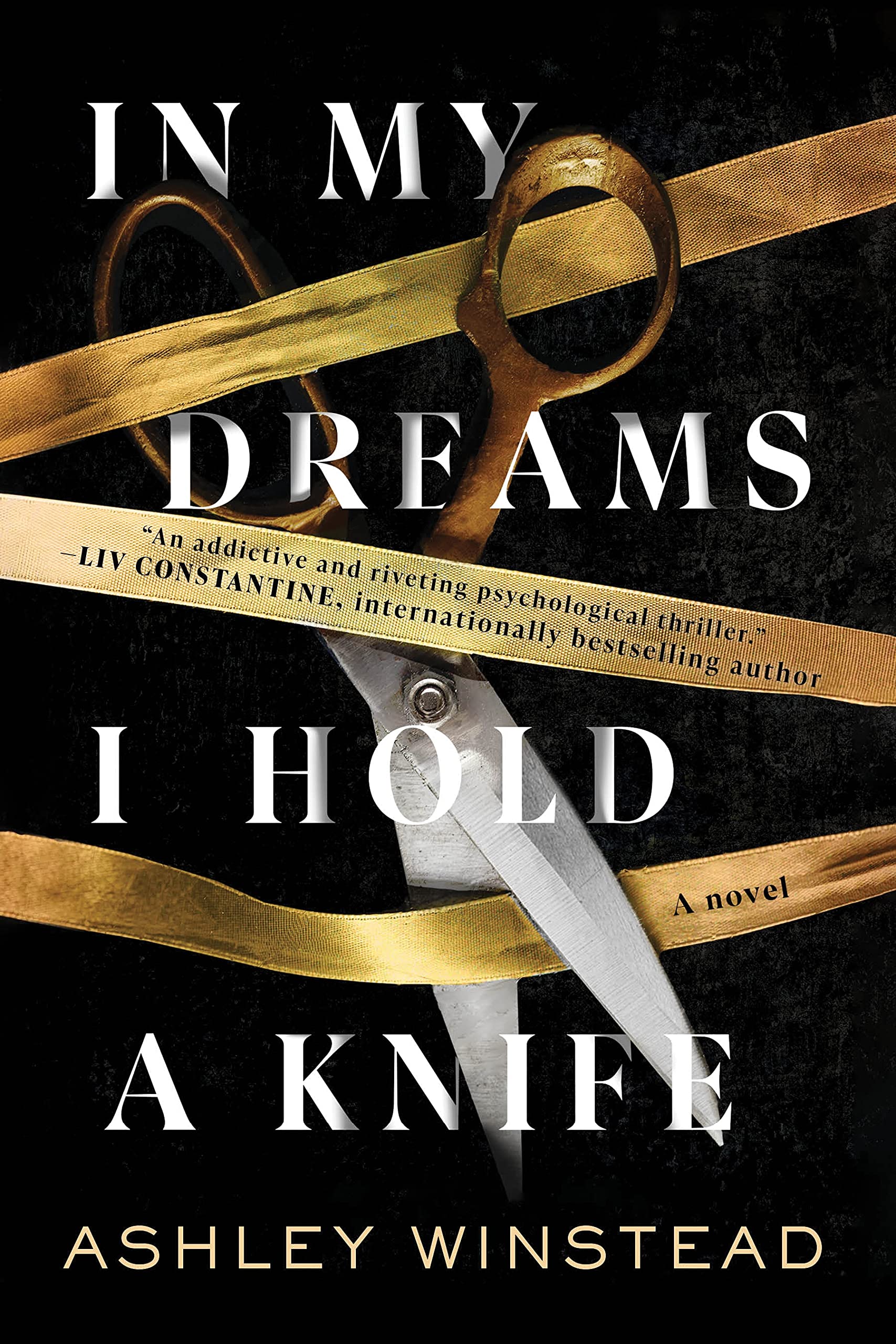
In My Dreams I Hold A Knife by Ashley Winstead
Imagine turning up to a 10-year college reunion with a total glow-up and ready to flex the life you’ve spent building—only to be confronted with repressed memories of you probably murdering your friend. In My Dreams I Hold A Knife’s (2021) protagonist Jessica is about to make partner at her firm, and instead of getting to gloat about it at the reunion, she is confronted with the decades-old mystery of her friend’s murder. Solving it could reunite the old friend group and finally absolve them…or ruin her entire life.
The novel takes jealousy and ambition and knits it within the fabric of loneliness and female friendships. Doesn’t it sound like the perfect pick for a book club? Pastries, coffee, red thread, a pin-board and lots of armchair sleuths getting down to work.

The Missing Woman by Georgina Cross
Ostracised for being a single mom in a well-heeled, traditional suburb, the narrator who once knew her ex-best friend Sabine’s life inside out, merely observes her from a distance now. That’s how she catches the fear in Sabine’s eye right before she goes missing. Now she must decide whether to help find her ex-friend even though it risks unearthing their shared past secrets and inviting public and police scrutiny of her life.
Think of The Missing Woman (2021) as a cross between Gone Girl and Gossip Girl where you’re sure it’s the husband who did it, but it’s the frenemy who brings a major twist.

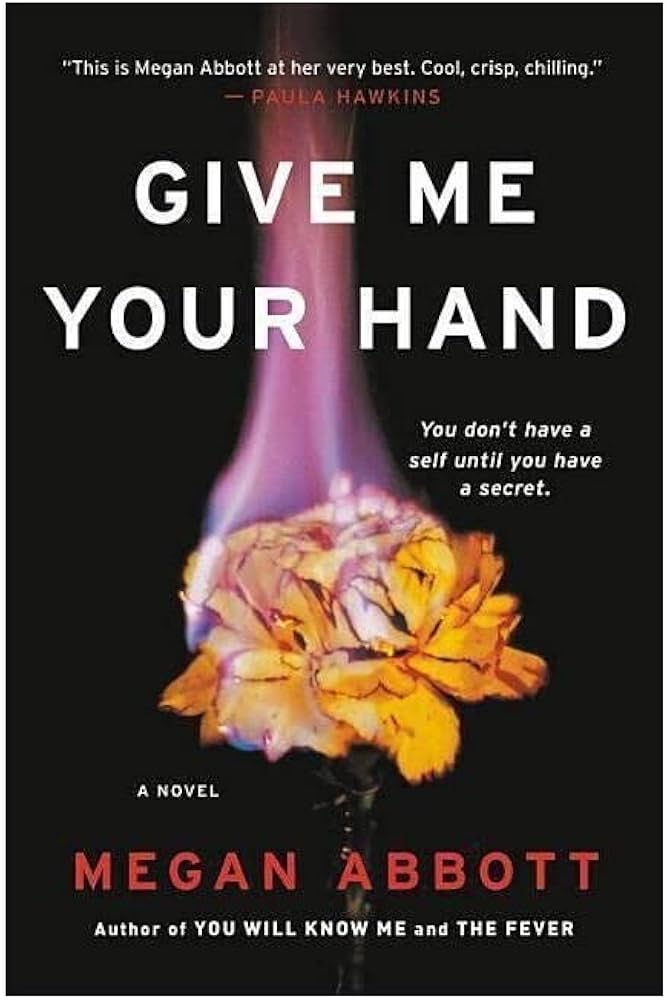
Give Me Your Hand by Megan Abbott
In an era where people are focused on the enemies-to-lovers trope (hello, Heated Rivalry), I’m excited about the enemies-to-best-friend trope. Give Me Your Hand (2018) follows two young, ambitious scientists, Diane and Kit, who have found themselves constantly on opposing sides, except for their passion for academics and a murder that they’ve long tried to forget. Will they throw each other under the bus to save their work (which includes finding a cure for PMS that could help women globally), or continue to protect each other?
I’d only trust a female author to expertly unravel the many layers of what it means to be a woman leader, particularly in male-dominated STEM fields—being constantly pitted against other women, having to be nice, kind and a ‘girl’s girl’, while also being just unapologetic enough and twice as competent in order to be taken seriously at work. Makes you wonder: is the fiction the psychological thriller here, or reality?

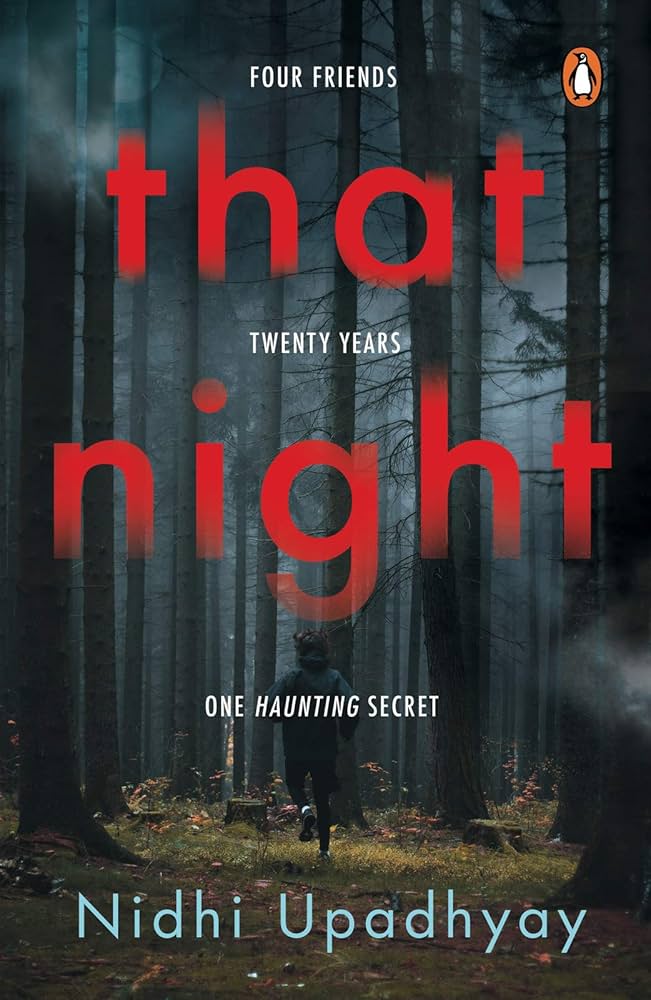
That Night by Nidhi Upadhyay
There are a lot of things that can go wrong with a bottle of alcohol and an Ouija board, especially in a girls’ hostel. In That Night (2021), an innocent prank by four friends leads to their roommate’s death. They swear one another to secrecy, but 20 years later, a faceless stranger who knows things only the deceased could know, threatens to unravel it all. The girls reunite to reconstruct that night, only to find they’re each an unreliable narrator, with a different version of the event.
Think Pretty Little Liars (2009), but set in India, and far more thrilling because of the horror angle.


Out by Natsuo Kirino
A practically vintage addition to this list, Out (1997) was first published 28 years ago in Japanese, and later translated into English in 2004. The novel follows four working class women who are tired of their lives and of being mistreated by men around them. When one of them ends up murdering their husband, the group which works the graveyard shift at a bento factory, helps her dispose of the body. But desperate times call for desperate measures, and they soon start blackmailing each other.
Kirino, one of the early breakout female thriller writers in Japan, is known for creating complex female characters that can be hard to root for at times. Yet isn’t that in itself a celebration of women’s humanity? In this novel, for instance, she underscores these characters’ survival instincts, their solidarity, and their rebellion against the forces of capitalism that crush and isolate them.