


Home is where the aam ka achaar is
These dadi-style achaars have our heart
Wherever we go, we seek a little bit of familiarity—a sliver of home that makes the unfamiliar easier to navigate. When I got married, my whole world changed. My house, my habits, my pincode (which I’d keep forgetting in the early days). It’s funny how it’s not always the big changes that hit you the hardest, but the small ones that slowly add up.
Here, in my husband’s Sindhi family, I was introduced to a whole new world of flavours. Dal pakwan, sai bhaji, sindhi kadhi, and aloo tuk have quickly become favourites. But there are days when I miss the comfort of my Punjabi kitchen—rajma that’s been slow-cooked to perfection, creamy dal makhani, smoky baingan ka bharta, or the humble gajar-matar ki sabzi that tasted like winter afternoons. We make these dishes in my marital home too, and they’re delicious, but they carry a different taste.
One day, on a whim, I ordered a jar of gajar-gobhi and green chilli achaar, the kind my nani used to send every year. The first bite of it was like opening a window into my past. It wasn’t just tangy and crunchy, it tasted like home. That’s the thing about pickles. A spoonful can transport you across time and space. Sitting on my kitchen counter, that jar of achaar has become a quiet, reliable reminder: whenever I miss home, all I have to do is open it.
Across India, pickles aren’t just condiments. They’re culinary heirlooms bottled up in oil and spice. Take for instance, Athamma’s Kitchen, the Telangana homemade food brand founded by multi-hyphenate entrepreneur Upasana Konidela and her mother-in-law, Surekha Konidela. They have been serving the traditional Andhra Avakaya pickle, a spicy raw mango preparation made with mustard powder, red chilli powder and jaggery. It’s an ancient recipe from the village of Domakonda in Telangana, a place the family has considered their second home for generations. Aside from their loyal clientele, Upasana’s husband, the actor Ram Charan, is a fan of this summer achaar made by his wife and mother.
Achaar is nostalgia, personal and collective history, and let’s not forget, also the personality hire of office dabbas everywhere. When you have boring leftovers or a bland dal in your dabba, a spoonful of your favourite pickle can immediately add a surge of flavour and interest. To make your pickle game even more chatpata, we’ve rounded up some standout brands from across the country packing achaars that will liven lunch hour and soften that yearning for home.
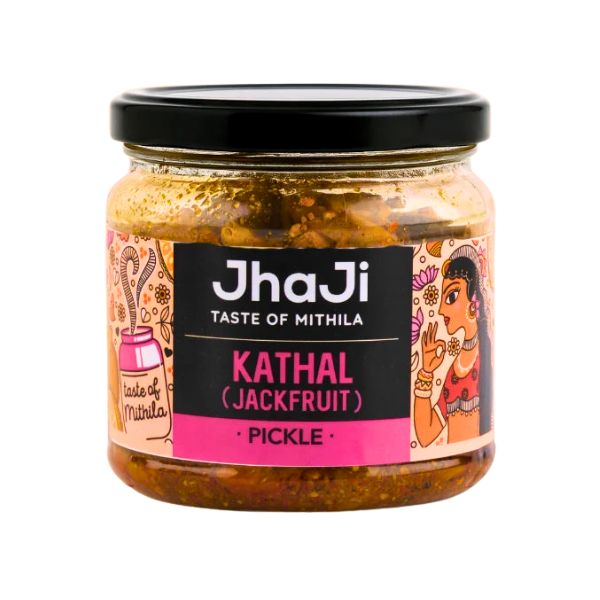
JhaJi
JhaJi’s achaars are made using traditional sun-drying methods, with recipes passed down from the grandmothers and mothers of Mithilanchal in Bihar. The ingredients are locally sourced and fresh, and thanks to the region’s hot, dry summers, they retain intense flavour. Most of their pickles come soaked in mustard oil, which enhances the spices’ taste. Their jackfruit pickle—a Mithilanchal classic—is made from raw, steamed kathal, marinated in spices for up to 48 hours. If you’re someone who’d not come in the vicinity of a kathal, this pickle will make you reconsider.

FarmDidi
Slow-aged, sun-dried, and made by women from the villages of Maharashtra, you can expect the authentic flavours of the region seeping into FarmDidi’s martabans. One of their bestsellers is the chilli pickle which has a bold, smoky flavour with notes of garlic, methi, and mustard oil. Are you famous in your circles for an obsession with food that makes your lips singe? Then you have to get this one.

The Little Farm Co
These pickles are made in the village of Pahara Purwa in Madhya Pradesh and in Nainital, Uttarakhand, using fresh produce. Their lemon khatta meetha achaar is a lip-smacker—made from pahadi nimbus, which are bigger and more flavourful, is completely oil-free and flavoured with garam masala and red chilli powder. Your colleague who lives on a staple diet of salads and green tea won’t frown on your achaar-eating habits with this one. Okay, yes, the sweetness comes from a blend of brown and white sugar, but they don’t need to know that.

Aamra Pickles
The brand is owned by Nari Shiksha Kendra, an NGO founded in 1964 to help local women earn their livelihoods through vocational training. While it is based in Ghaziabad, Uttar Pradesh, women from a variety of cultures contribute to making various types of pickles here. Their heeng-aam pickle, a staple of every Bengali kitchen, features chunky raw mango pieces steeped in a rich asafoetida flavour that brings an umami punch. It pairs beautifully with hot rice and ghee or a soft paratha.

My Village Shop
Specialists in non-vegetarian pickles, this brand from Kerala offers both spicy and non-spicy versions of their classic chicken pickle. Containing 70 per cent fried pepper chicken, it features a piquant masala of green chilli, ginger-garlic, turmeric and garam masala, with curry leaves adding a distinctly South Indian touch. So when there is bhindi ki sabzi for dinner and you crave a punch, this one will keep you from leaving the dining table unsatiated (unlike this teen who chose to run away from home instead).

PickleGully
This brand from Delhi makes pickles that taste like North Indian winters. Carrot, cauliflower, and turnip are chopped into juicy, bite-sized pieces and soaked in kacchi ghani mustard oil with no added sugar. It’s a little sweet, a little tangy, and makes for a great way to incorporate vegetables in your diet. Or at least that’s the excuse you’ll use to have more of this little treat. It goes perfectly with theplas or as a flavour boost for matthis.

Maa’s Pickles
Made in small batches in the founder’s own home in Pune, their offerings go beyond the usual. For instance, their khatta-meetha baingan ka achaar features thin slices of eggplant simmered in mustard oil with ginger, garlic and green chillies. The eggplants are sourced from farms in Maharashtra, which produce the best quality brinjals outside of West Bengal and Bihar. Sweet, sour, smoky, and a little spicy, this pickle doubles as a chutney and elevates everything from rotis to rice bowls.