


11 non-fiction books that are stranger than fiction
Human capabilities will never cease to amaze
Have you ever stumbled upon a true story that was so extraordinary that it left you speechless? You’re not alone. In the vast universe of non-fiction books, countless tales defy belief and challenge not only our understanding of reality but of human capabilities.
We devour these books because they’re the ultimate mix of shock, awe and “I can’t believe this actually happened” – all masterfully captured in words by skilled writers. Few creatives achieve this feat (we’re jealous), which is even more difficult when you take things to the screen (like these movies and TV shows based on real events).
With our selection of eccentric non-fiction books, you’ll find yourself knee-deep in tales so bizarre they make you throw your hands up and say, “I’m out”.
From accounts of historical happenings to unworldly coincidences that seem plucked from the wildest fantasy realm, these non-fiction books have a knack for delivering narratives so odd that they make your uncle’s conspiracy theories sound as plausible as a toddler’s explanation for why the sky is blue.
So buckle up as we embark on a journey through the looking glass of non-fiction that’ll have you questioning what’s true and real.
Non-fiction books that are stranger than fiction

Starvation Heights by Gregg Olsen
It is a chilling non-fiction book that delves into the dark work of Dr Linda Burfield Hazzard, who ran a sanitarium in Washington State in the early 20th century.
Lovers of true crime books won’t be able to put this one down as Olsen unravels Hazzard’s unconventional practices and downright horrors at the facility through the cases of two British heiresses, Claire and Dora Williamson. Hazzard promoted extreme fasting as a cure for various illnesses and subjected patients to horrifying conditions, starvation, diets, and treatments that led to numerous deaths.
Read through the details of the investigation into Hazzard’s crimes and her eventual arrest and trial, which shed light on one of the most disturbing chapters in medical history. Readers get to explore the dark side of alternative medicine, the vulnerabilities of patients seeking unconventional treatments, and the quest for justice against a fraudulent and lethal practitioner.
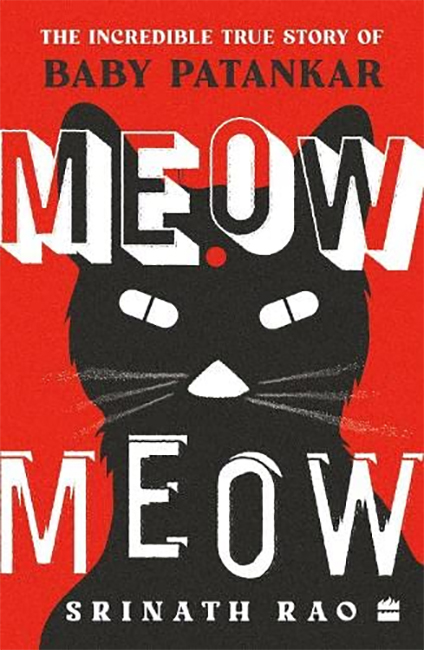
Meow Meow: The Incredible True Story of Baby Patankar by Srinath Rao
Meow Meow dives into the notorious case involving a woman named Shashikala ‘Baby’ Patankar, who was allegedly involved in a drug racket and infamous for running a clandestine drugs laboratory in Mumbai, India. Get into the intricate details of her life, the operations of the drug ring, and the subsequent investigation that unfolded, revealing a web of crime, corruption, and the underbelly of Mumbai’s underworld.
Rao’s book attempts to unravel the layers of this intriguing true story, giving readers a glimpse into a high-profile case that captured public attention due to its sensational nature. What shocked people the most, perhaps, is that behind this new mysterious drug empire sat a woman in a Worli basti, whose ‘work’ cut across all social strata – from the white-collar drug users to crooked cops and street enforcers.
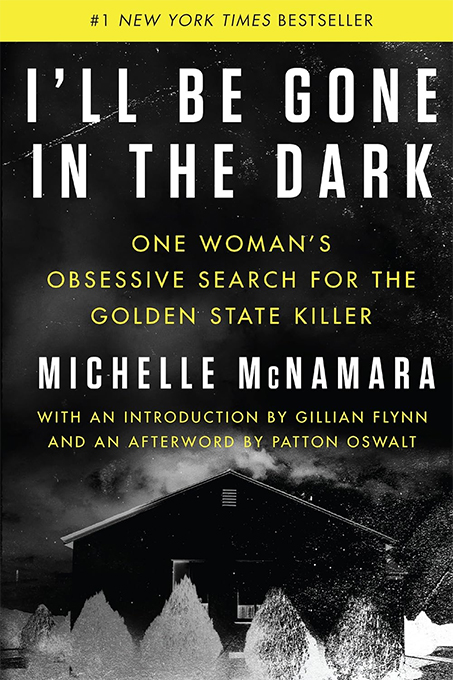
I’ll Be Gone in the Dark by Michelle McNamara
I’ll Be Gone In The Dark unravels the chilling pursuit of the Golden State Killer by true crime enthusiast Michelle McNamara. This elusive predator terrorised California, committing over 50 rapes and 13 murders during the tumultuous ’70s and ’80s. McNamara’s relentless quest for justice echoes through the pages of this gripping narrative.
Determined to shine a light on the unsolved atrocities, she meticulously followed every lead, refusing to let the case fade into obscurity. McNamara tragically passed away in 2016, unable to witness the closure she worked tirelessly to achieve.
However, her legacy persisted. Her husband, actor Patton Oswalt, and others ensured her work reached fruition in 2018. After four decades of evasion, Joseph James DeAngelo was caught a few months after the book’s release. Though McNamara couldn’t witness this triumph, her impactful journey lives on, encapsulated within the pages of this haunting and poignant book.
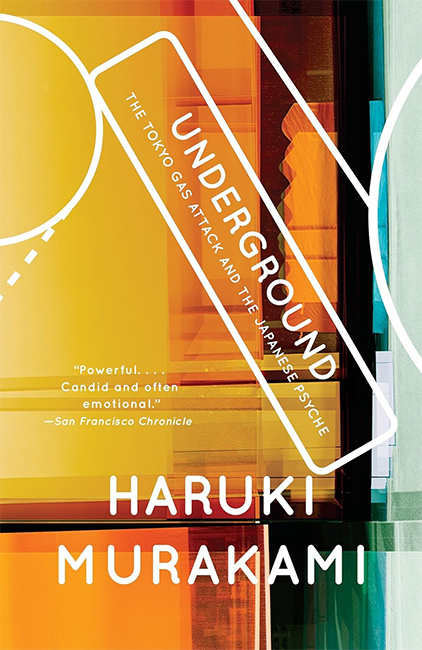
Underground: The Tokyo Gas Attack and the Japanese Psyche by Haruki Murakami
Murakami conjures surreal books like few other writers in the world. He took the same style to his non-fiction account of the Tokyo sarin subway attack of 1995 by members of a religious cult called Aum Shinrikyo.
Murakami tells us the story through detailed interactions with commuters and victims, highlighting the shockingly traumatic with the mundane, like a poisoned man determined to continue with his goal of buying groceries and milk right after the attack. Murakami remarkably takes the same care and precision in speaking to cult members who describe the harrowing practices, including forced drug use and electroshock therapy. He weaves together these two contrasting yet interrelated narratives, shedding light on the complexities and aftermath of this tragic event.
The book forces readers to think about why these things happen, what causes seemingly ‘normal’ people to join cults, and how different people experience the same event – uniquely but all life-changing.
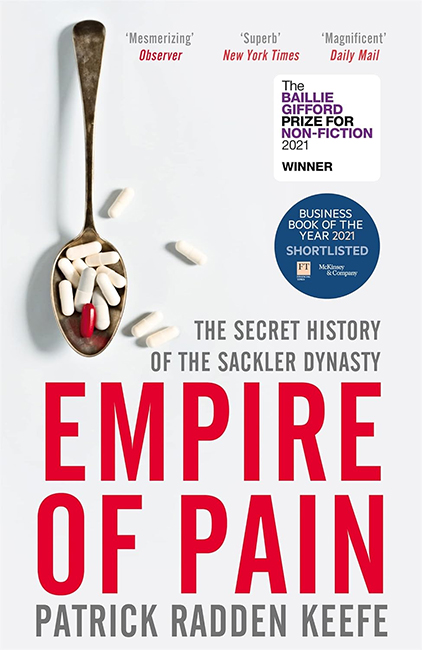
Empire of Pain by Patrick Radden Keefe
A meticulously researched and compelling exploration of the Sackler family, who owned Purdue Pharma, the company behind the opioid painkiller OxyContin. The book delves into the intricate family history, their rise to immense wealth through the pharmaceutical industry, and the controversial role they played in the opioid crisis that ravaged the United States.
Through extensive research and interviews, Keefe details the evolution of Purdue Pharma, the marketing strategies employed to promote OxyContin, and the aggressive tactics used to push the drug despite mounting evidence of its addictive nature and devastating consequences.
What’s shocking is how this was allowed (and continues). There are few non-fiction books out there that will make you as angry as this one.
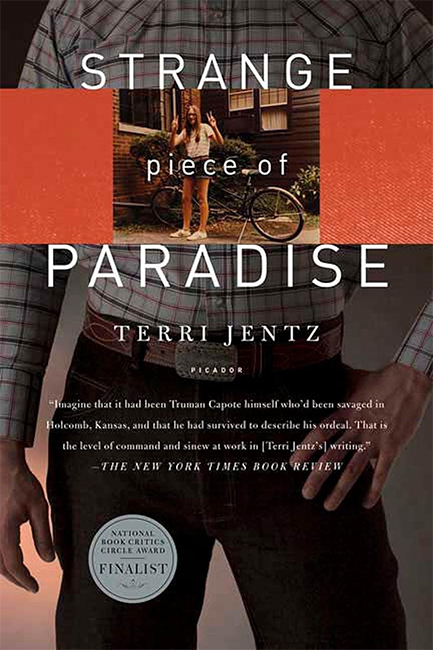
Strange Piece of Paradise by Terri Jentz
Jentz’s gripping memoir recounts her experience of a cross-country bicycle and camping trip and surviving a brutal attack in 1977 while camping in Oregon, USA, with a friend. The book details the horrifying assault where the two women were run over by a pickup truck and left for dead in the woods. Miraculously, they survived, but the case remained unsolved for years.
Years later, still haunted by the attack, Jentz returns to the scene to confront her past and seek answers about the incident that altered her life. Her journey to unravel the mystery of her attempted murder becomes an exploration of memory, trauma, and the complexities of justice.
As she delves into her investigation, Jentz also paints a stark image of the American West, intertwining her personal story with the region’s larger cultural and societal landscapes. Strange Piece of Paradise is a haunting and introspective memoir that seeks to uncover the truth behind a heinous crime and explores the resilience of the human spirit in the face of profound trauma.
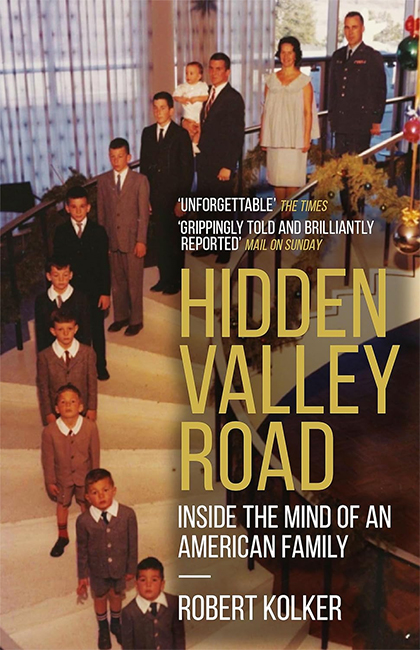
Hidden Valley Road: Inside the Mind of an American Family by Robert Kolker
This is one of those non-fiction books that are hard to forget. The Galvins were a seemingly typical American family living in Colorado in the 1950s and 1960s, but their lives were deeply affected by a mysterious and devastating illness. Out of 12 children in the family, six were diagnosed with schizophrenia. This poignant and meticulously researched non-fiction book delves into the fascinating and heartbreaking story of the family trying to cope.
Post-diagnosis, the family became a magnet for mental health researchers studying the enigmatic illness. Kolker delves into their experiences, struggles, and the illness’s impact, interweaving personal dynamics, scientific progress, and societal attitudes toward mental health.

Brain on Fire: My Month of Madness by Susannah Cahalan
Cahalan puts on paper her terrifying journey through a sudden and mysterious illness that attacked her brain. The book recounts Cahalan’s, a young journalist at the time, descent into madness as she experiences a series of inexplicable symptoms that baffle doctors and threaten her sanity.
Initially misdiagnosed with various conditions, Cahalan’s health rapidly deteriorates until she finds herself in a state of psychosis, with her mental faculties spiralling out of control. The memoir offers a raw and intimate portrayal of her struggle to comprehend her own reality while trapped in a medical mystery.
Eventually, a skilled neurologist discovers the true cause of her illness—a rare autoimmune disease attacking her brain. With proper treatment, Cahalan begins to recover, but the experience leaves her with a newfound perspective on mental health, the fragility of the human mind, and the complexities of diagnosis and treatment in the medical field.
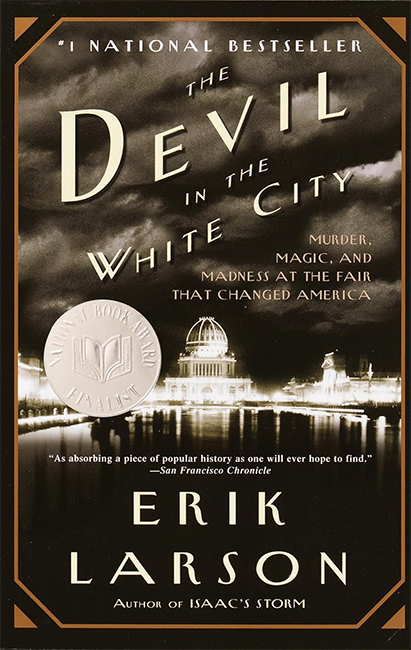
The Devil in the White City by Erik Larson
A fascinating work of narrative non-fiction that intertwines two seemingly disparate but interconnected stories set in late 19th-century Chicago. The book follows the parallel narratives of two men: Daniel H Burnham, the architect behind the 1893 World’s Fair, and HH Holmes, a notorious serial killer.
Burnham’s story focuses on his monumental task of orchestrating the World’s Columbian Exposition, a grand fair that aimed to showcase American ingenuity and innovation. Larson vividly describes this ambitious project’s challenges, triumphs, and incredible scope, offering insights into the world of architecture and the birth of modern Chicago.
Interwoven with Burnham’s narrative is the chilling account of HH Holmes, a charismatic and deceptive figure who used the chaos of the World’s Fair to execute his heinous crimes. Holmes lured numerous victims to his ‘Murder Castle’, a labyrinthine hotel designed to trap and murder unsuspecting guests. Larson paints a haunting picture of Holmes’s sinister double life and the horrors he inflicted on his victims.
The book masterfully juxtaposes the grandeur of the World’s Fair against the darkness of Holmes’s crimes, creating a compelling narrative that immerses readers in the contrasting worlds of innovation and evil, of human darkness and White City.
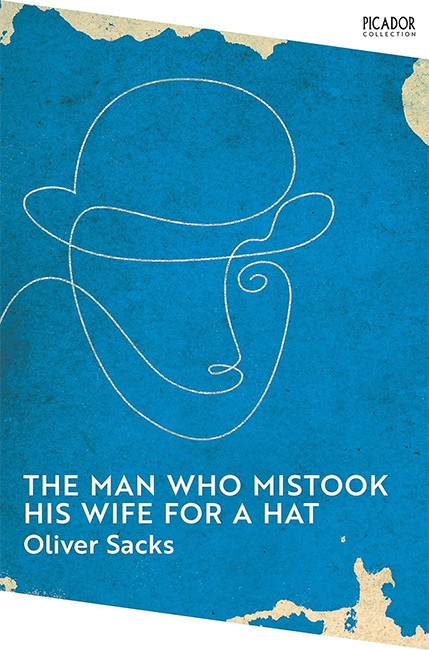
The Man Who Mistook His Wife for a Hat and Other Clinical Tales by Oliver Sacks
Reading a medical book will never be this interesting. In The Man Who Mistook His Wife For a Hat, the neurologist-turned-author takes us on an utterly fascinating journey into the quirks and mysteries of the human brain. Through a series of case studies, Sacks explores various neurological conditions that lead to fascinating and often bizarre perceptual and cognitive experiences.
In this book, you’ll encounter stories of individuals grappling with extraordinary neurological conditions. From a man mistaking his wife for a hat to another who loses the ability to recognise common objects, each tale delves into the complexities of the human mind and the profound impact of brain disorders on people’s lives.
Sacks’s storytelling unveils the profound resilience and adaptability of the human brain; however, you might need to keep your phone handy while reading this book to quickly look up the meaning of some of the medical terms used.
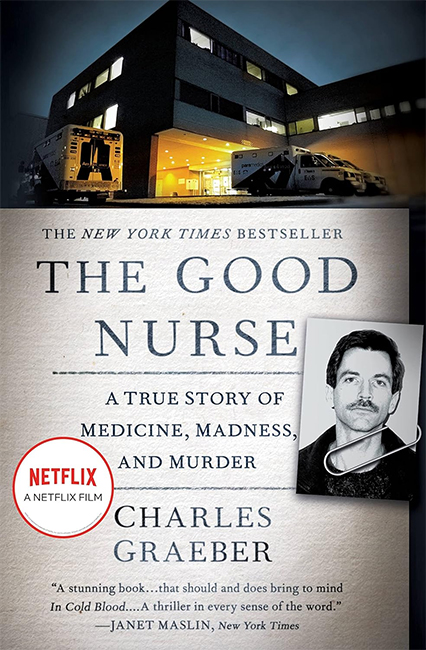
The Good Nurse: A True Story of Medicine, Madness, and Murder by Charles Graeber
Charles Cullen was a nurse, someone that people trusted with their lives and recovery during difficult times. But Cullen turned out to be one of the most prolific serial killers in American history.
The book meticulously unravels Cullen’s hidden life as a nurse, where he used his position of trust to carry out a spree of murders by administering lethal doses of medications to patients in hospitals across New Jersey and Pennsylvania. Graeber delves into Cullen’s psyche, exploring the factors that led to his sinister actions and motivations.
Through exclusive jail interviews with Cullen, scouring medical records, CCTV footage and police files, Graeber explores the chilling details of Cullen’s crimes, shedding light on the systemic issues within the healthcare industry that allowed such atrocities to occur unchecked for so long. Raising questions about patient safety, medical oversight, and the complexities of mental health in healthcare professionals.