


7 short story collections that feel like a punch to the gut
Short, but not strictly sweet
Nothing beats the humble thaali when it comes to matters of taste and diversity—packing a tangy punch with its mango achaar, smuggling in those dreamy, creamy notes with Gujarati dal, and finishing it all off with a sugary, deep-fried jalebi, you’re left with a stained chin, full heart, and even fuller belly. The best part? You’re under no pressure to commit to a single dish or flavour. You get to flit between them all, getting a little taste of everything.
Much like a thaali, a short story collection offers you all the depth and intrigue of a full-fledged novel without the commitment. So even your ‘I-don’t-have-time-for-anything-serious’ situationship can’t complain. It’s shorter, succinct, and lets you move at your own pace without losing the plot entirely, so even if you’re a slow reader, you won’t feel compelled to abandon the book altogether once enough time has passed.

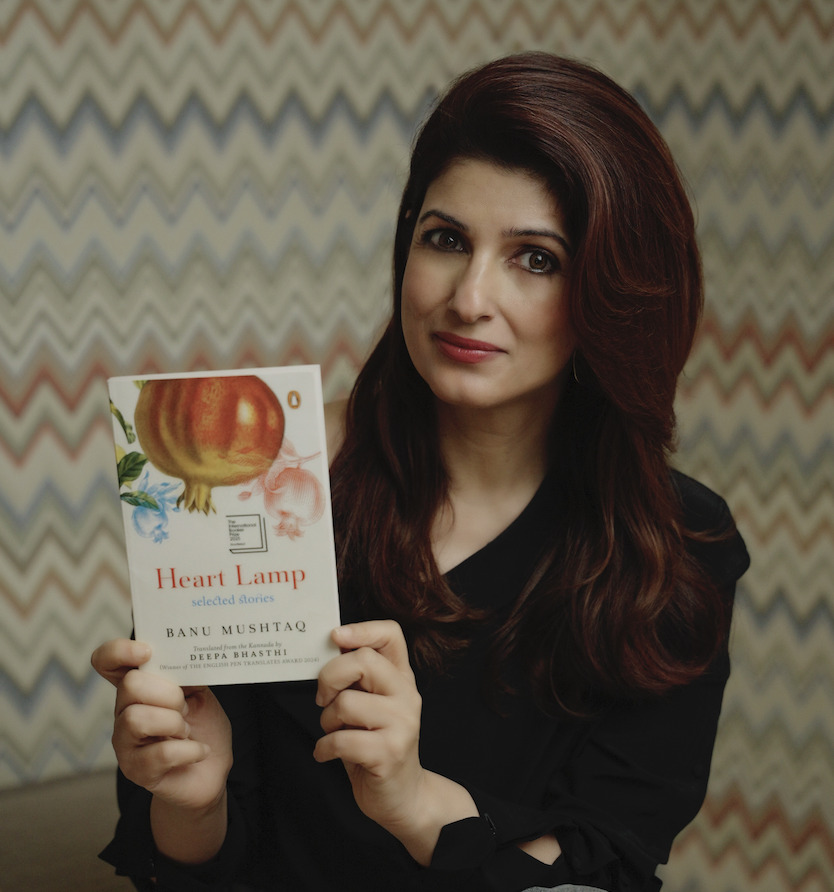
This month’s Tweak Book Club pick, Heart Lamp, written by Banu Mushtaq and translated by Deepa Bhasthi, is one such collection of short stories that casts an empathetic gaze at the hardships of Muslim women and girls living in patriarchal societies of Southern India. With crisp prose and evocative stories, 77-year-old Mushtaq delicately holds your hand as she guides you into a world of frisky children, half-witted maulvis, and prudent mothers. Born out of her many years of working as a lawyer—where she braved all adversity and stood up for women’s rights—Heart Lamp has undoubtedly been written with a sincerity and warmth that’s hard to manufacture.
Inspired by Mushtaq’s gripping anthology, we’ve rounded up short story collections from across the world that’ll keep you entertained with their whimsical tales, but will also hover over you like a particularly pesky fly, forcing you to confront the questions, conundrums, and realities you’ve been evading for far too long. Whether you’re a history nerd, a fan of the grotesque, or just a curious reader willing to try it all, we guarantee you’ll find something that tickles your fancy. (If not, feel free to peruse all the books we’ve loved before.)
Short story collections that deserve a spot on your TBR list

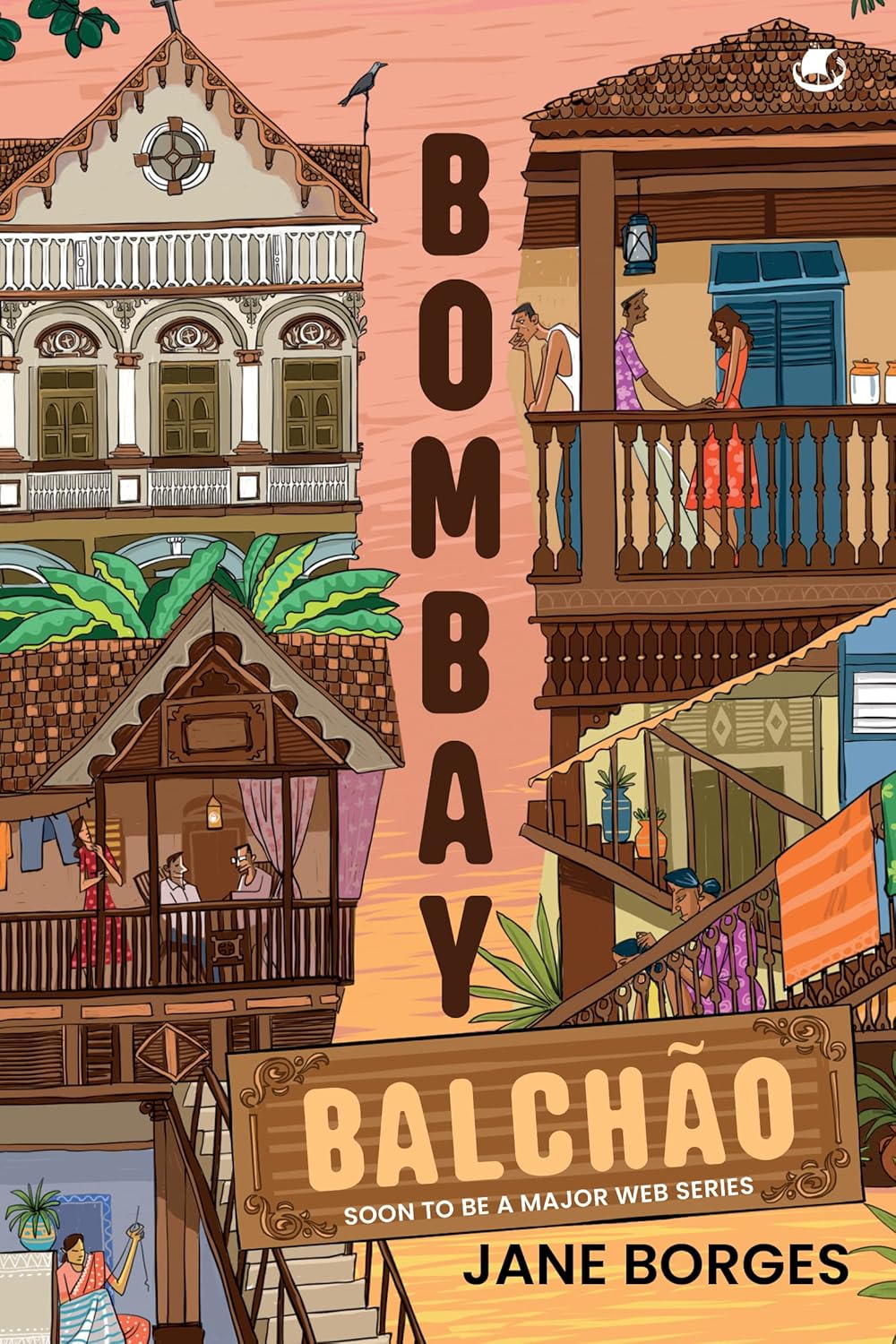
Bombay Balchao by Jane Borges
If you’ve ever wandered through the winding lanes of Mazgaon in Bombay—with its Portuguese-style houses and rickety shops—this book will feel like a familiar friend from a long time ago. Set in a Goan Catholic neighbourhood called Cavel, we’re promptly introduced to a delightfully likeable cast of characters living in Bosco Mansion, a two-storeyed building with six flats. From a widow who starts smuggling whiskey after losing her husband, to a social outcast who finds solace in crosswords, even a woman who tries exorcising her husband, you’ll be wiping away tears of mirth and flipping the pages asking, ‘phir kya hua?’
And the best part? You’re served masala with a generous side of history. Throughout the book, Borges paints a vivid picture of the Prohibition Act, the Rent Control Act, even the dockyard explosion of 1944, making her stories all the more immersive. If you’re all about the ‘spirit of Bombay’, rest assured, this book promises a hearty dose of this inimitable city.

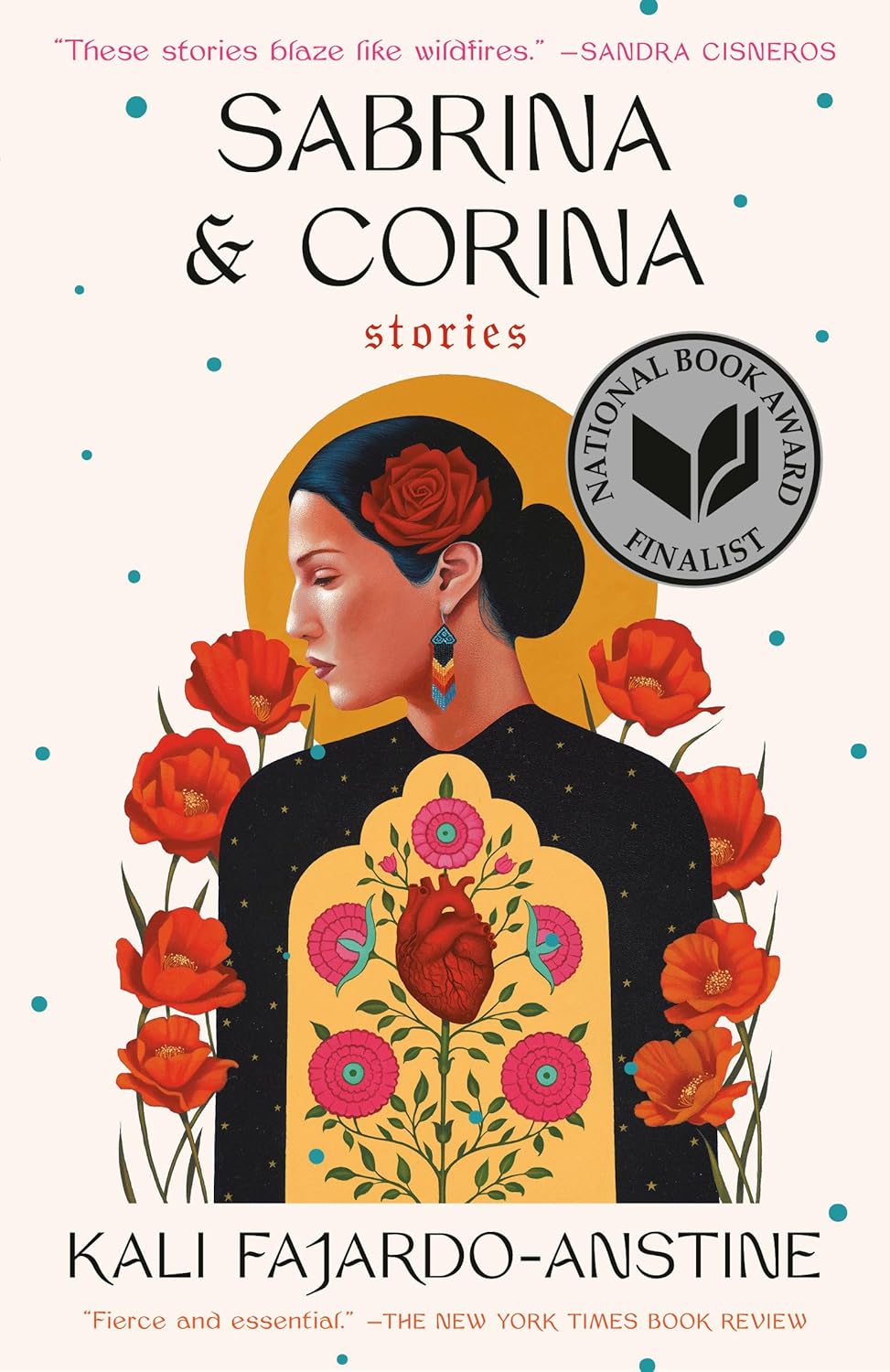
Sabrina & Corina by Kali Fajardo-Anstine
Laying bare the hardships of women, while still being able to claim moments of joy and connection, is a feat achieved by only the most empathetic of writers—and Fajardo-Anstine shines in this department. Set in Denver, Colorado, these 11 stories are centred around Latina women of indigenous ancestry, who battle domestic violence, alcoholism, poverty, racism, and abuse. In Julian Plaza, two young girls reckon with their mother’s cancer diagnosis; while in Tomi, an ex-criminal bonds with her eight-year-old nephew; and in Any Further West, a sex worker and her daughter leave Southern Colorado in search of a new home.
With its achingly poignant themes, lyrical style of writing, and intricately fleshed-out characters, this collection of short stories has been nothing short of acclaim-worthy, and the proof lies in the ample critical recognition it’s garnered over the years—in 2019, for instance, it was a finalist for the Pen/Robert W. Bingham Prize For Debut Short Story Collection as well as the National Book Award, and in 2020, it won the American Book Award.

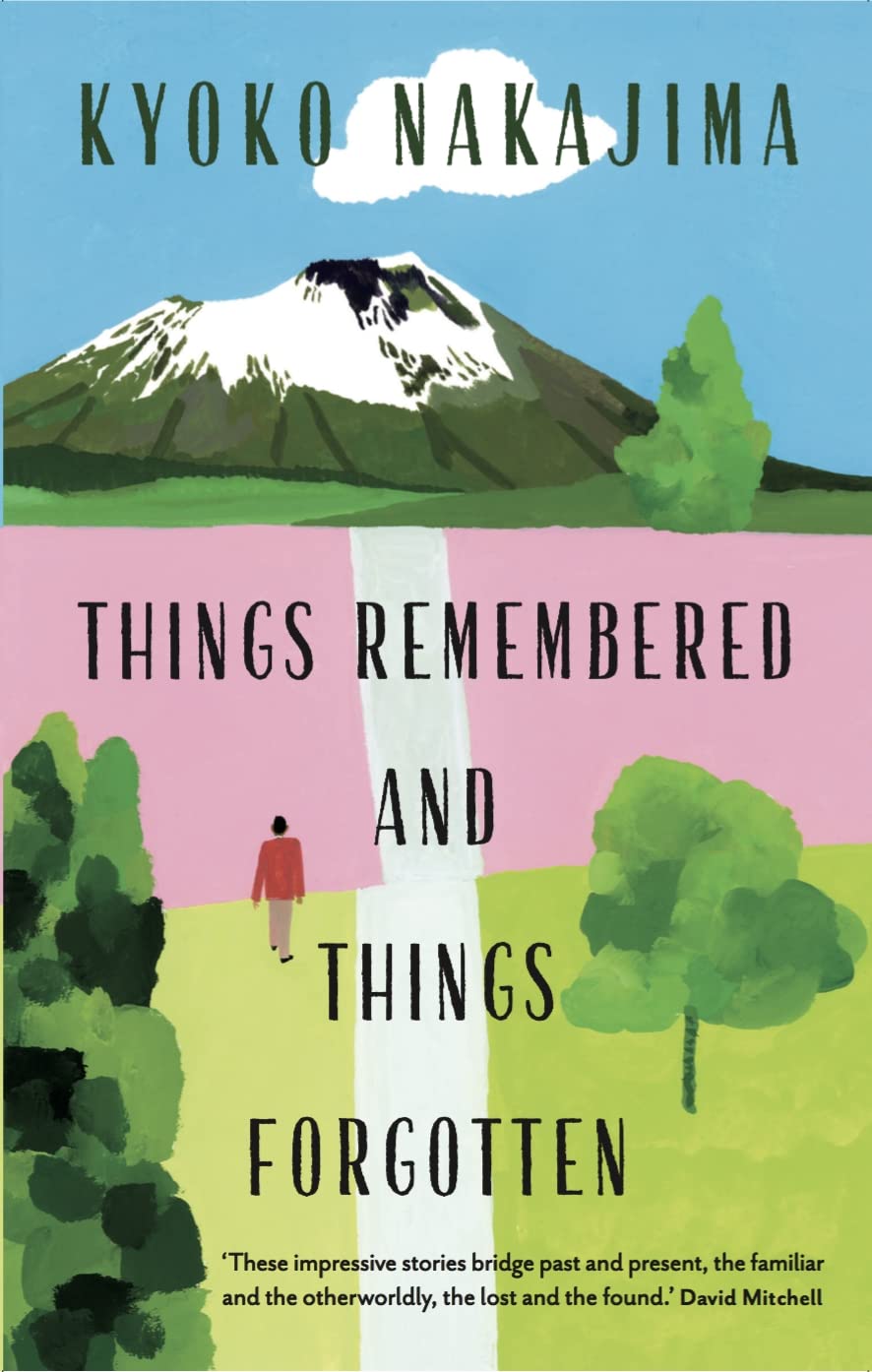
Things Remembered and Things Forgotten by Kyōko Nakajima
Fans of Yōko Ogawa’s The Memory Police are in for a treat. This is yet another book that tackles grim themes like wartime devastation, cultural nostalgia, and grief in a deceptively mellow, roundabout way. The 10 stories in this collection focus on characters who’re met with some kind of loss—a home, a loved one, their cultural identity, a life unlived.
Ostensibly, many of these are also ghost stories, but not in the way you’d think. Sure, they feature ghosts or ghostly apparitions, but they aren’t the malevolent, chaadar-clad entity we deem them to be. These ghosts are softer, quieter, more gentle—in one story, for instance, a ghost encounters a young girl and starts taking care of her; in another, a ghost wistfully ruminates on the years he was alive. Long after you’ve turned the last page, you’ll be left questioning what it means to remember, what it means to forget, and whether the past and future are truly as disparate as they seem.
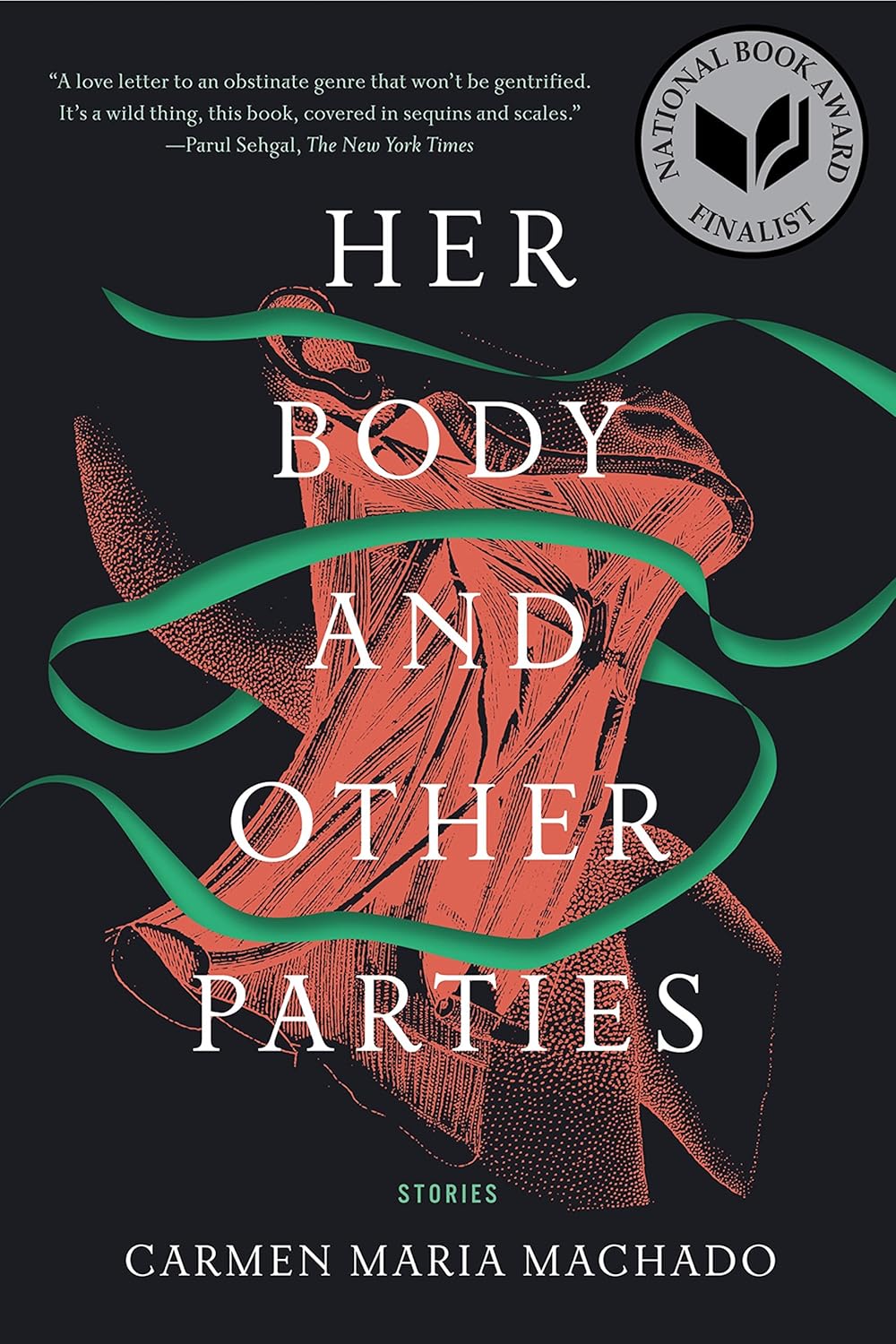
Her Body and Other Parties by Carmen Maria Machado
Sexy, otherworldly, and undeniably bizarre, this collection of eight stories can only be described as a fever dream. Much like its contents—which swing between the personal and political, the comical and somber—the genre of this book, too, shuffles between science fiction, fantasy, and horror, with whiplash-inducing ferocity.
In The Husband Stitch, for instance, a woman refuses to take off a green ribbon from around her neck for several years, despite her husband’s repeated pleas. Eight Bites revolves around a woman who finds an unwanted visitor at her doorstep after undergoing weight loss surgery. Real Women Have Bodies is about an employee at a prom dress store who makes a horrifying discovery about why their gowns are considered exceptional.
While the storytelling is sublime, it’s the characters that steal the limelight. They’re disarmingly bold, and often, unapologetically queer—a far cry from the meek, sex-starved heroines we’re accustomed to. Be warned, though, these stories aren’t for the feeble-minded. They drag you out of your comfort zone, coax protests out of you, and compel you to dredge up and examine your own biases.

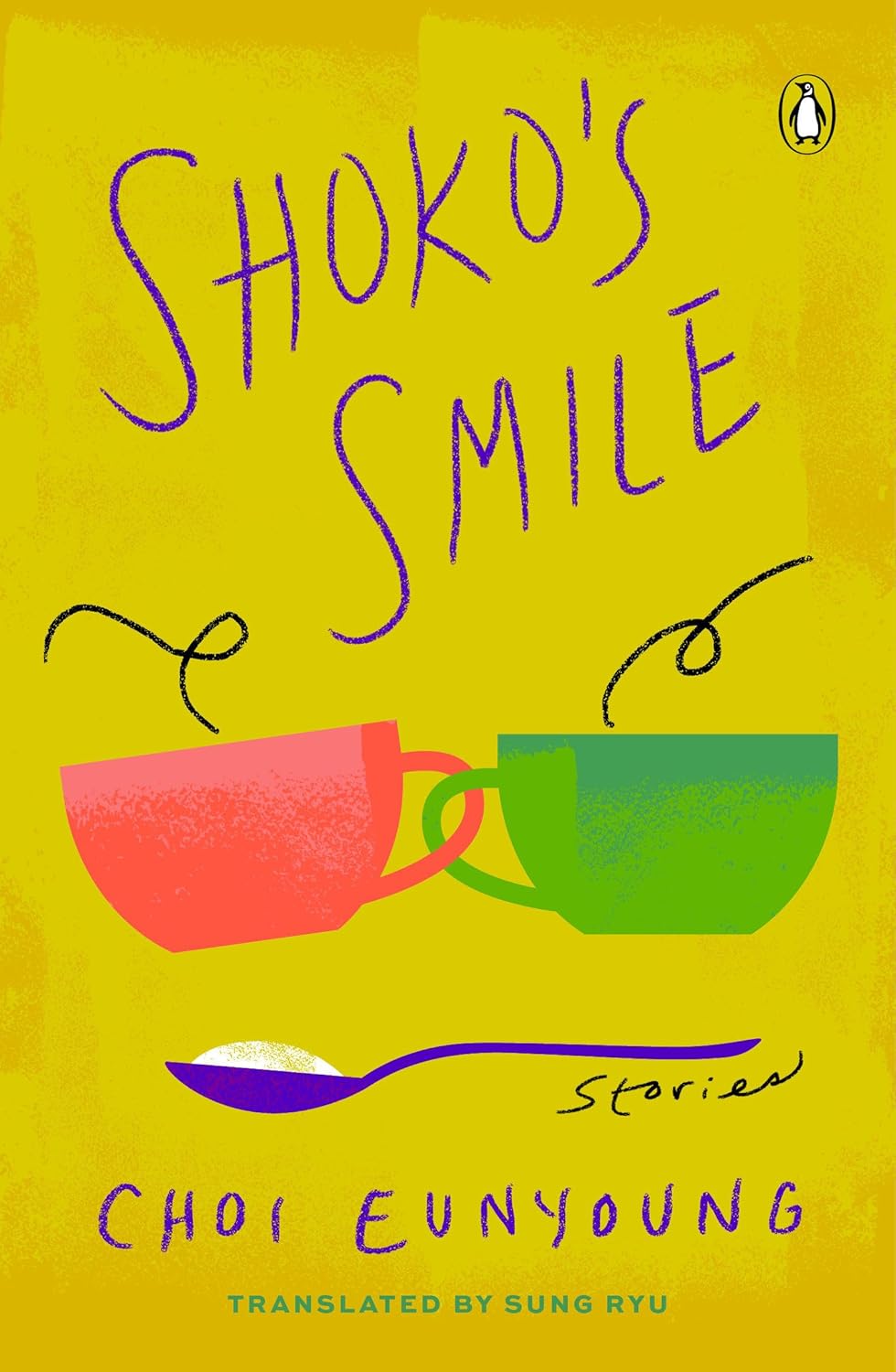
Shoko’s Smile by Choi Eunyoung
Ottessa Moshfegh and Elena Ferrante walked, so Choi Eunyoung could run. Capturing women in their messiest, most intimate form is an art not revealed to many, but somehow, Eunyoung has mastered it. With crisp, succinct prose, she chronicles the lives of young women living in South Korea—a sweet friendship between an exchange student and her host sister, a young woman who travels to Russia to find out what happened to her deceased lover, and a changing relationship between a mother and daughter after the tragic sinking of a ferry, among others.
Through these five stories—where larger, political events loom over the characters and wreak havoc in their lives—one thing is made perfectly clear: the political is personal. “I came to feel that the telling of a person’s story was incomplete without telling their lived, historical truths. So when I write, the historical circumstances surrounding a character is important to me whether I depict them directly or indirectly,” explains Eunyoung in an interview with Electric Literature. Yet, even though she writes about grim topics, her storytelling is feather-light, making it a mellow read in spite of its heft.

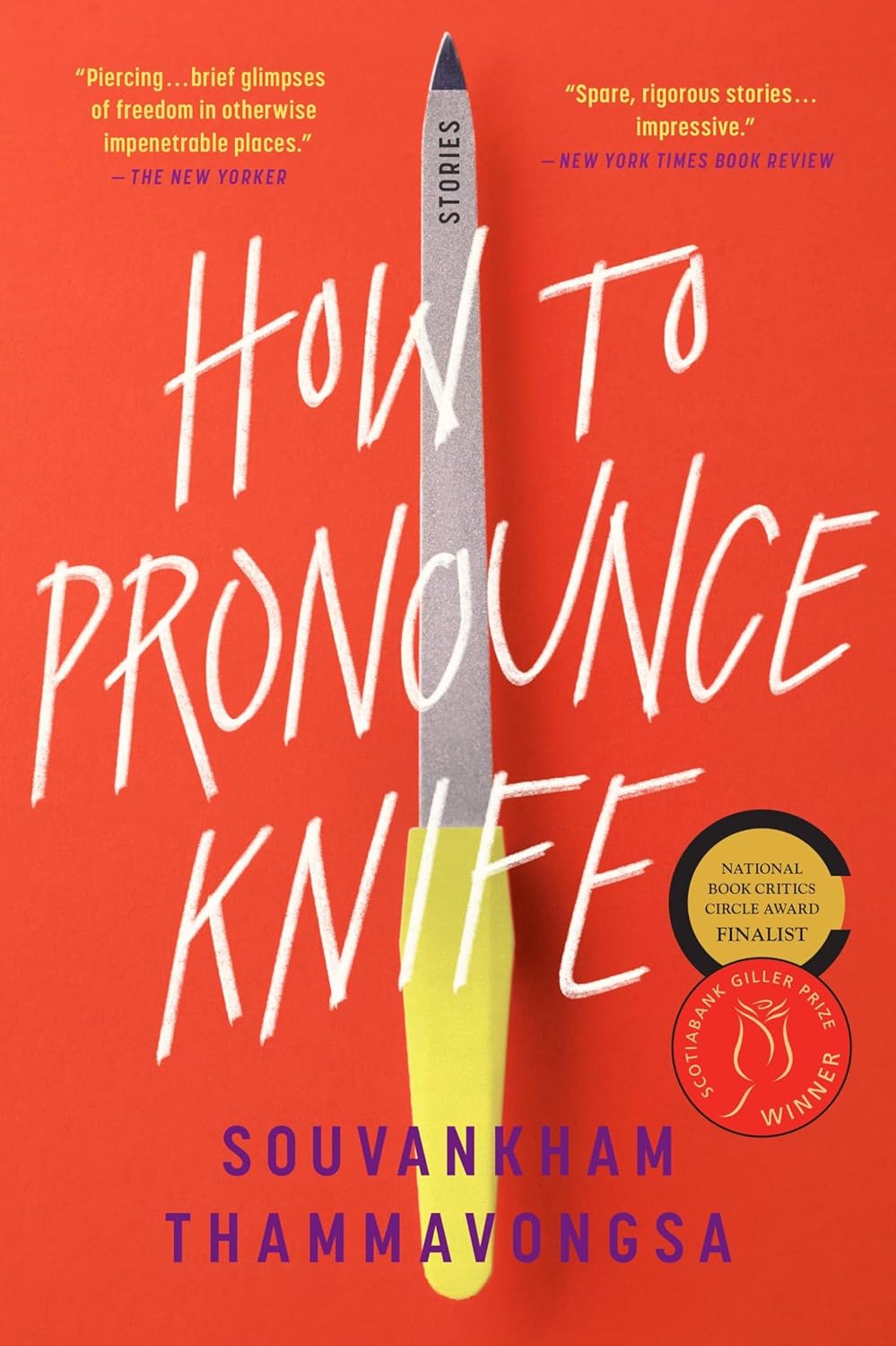
How to Pronounce Knife by Souvankham Thammavongsa
Circling the lives of those usually unseen and unheard—worm pickers, nail technicians, bus drivers, and farmers—this book holds up a mirror to the experiences of Lao immigrants who move to Canada. The characters struggle to find their footing in a new country while being painfully aware of their “otherness”. But this book doesn’t focus on in-your-face racism; instead, it shines the torch on the quiet moments of disorientation that plague immigrants.
In one story, for instance, a failed boxer realises the true meaning of being a ‘champion’ after he becomes employed at his sister’s salon. In another, a woman saddled with Eurocentric beauty standards fervently hopes to get a nose surgery. In the titular story, a Grade One student is perplexed by the silent ‘k’ in knife, insisting that it absolutely must be pronounced.
It’s moments like these, that Thammavongsa, a child of Lao immigrants herself, doubles down on. “I would tell my parents that the kids at school pronounced knife with no ‘k’ sound and we would laugh and laugh at how silly they were. There’s a letter right there and they don’t even do anything about it! All of the stories play with that in some way—what is lost and what is gained in these mistakes,” she explains, in an interview with The Paris Review.


Happy Stories, Mostly by Norman Erikson Pasaribu
Spoiler alert: the title is misleading. As a gay Indonesian author, Pasaribu doesn’t shy away from chronicling the queer experience in its rawest, messiest form. While some stories explore the ostracisation of queer people in Indonesia, others are subtler still, featuring adoring mothers who can’t bring themselves to accept their gay children. The 12 stories in this collection are of varying lengths; some as short as a few lines, others as long as 30 pages.
The stories’ titles are crafted to be microcosms of the stories themselves. A Young Poet’s Guide to Surviving A Broken Heart, Welcome to the Department of Unanswered Prayers, and Our Descendants Will Be As Numerous as the Clouds in the Sky are some of the most evocative. Plus, the genre-agnostic narratives—which go from magical realism and science fiction to folklore—cushion the book’s emotional weight and make for an entertaining read. Winning the 2022 Republic of Consciousness Prize and a spot on the 2022 International Booker Prize longlist are proof of how groundbreaking this work really is.