


The best of Japanese literature, beyond Haruki Murakami
History, crime, love, and more.
When it comes to Japanese literature, Haruki Murakami often dominates the conversation. His magical realism, poetry-soaked prose and surreal narratives have earned him a loyal global audience. However, Japan’s literary universe extends far beyond him. Authors like Toshikazu Kawaguchi, with his Before the Coffee Gets Cold series, and Keigo Higashino, known for The Devotion of Suspect X (which was recently adapted into the popular Hindi thriller Jaane Jaan starring Kareena Kapoor Khan, Jaideep Ahlawat and Vijay Varma), have also gained significant international and local attention. Yet, this is just the tip of the iceberg—a rich, multi-layered tapestry of Japanese storytelling awaits discovery.

Japanese literature captivates readers with its atmospheric mysteries, lyrical explorations of human emotion and biting social commentaries. Themes of loneliness, identity, resilience and the tension between modernity and tradition intertwine with a profound sensitivity to nature, fleeting moments and unspoken emotions. It’s not just about the what of Japanese stories, but the how—authors often employ deliberate pacing and minimalist beauty, leaving a lasting impression long after the final page.
Interestingly, this style resonates with Indian readers in ways that may not be immediately obvious. Both cultures share a deep respect for family, tradition and introspection—elements that frequently appear in Japanese novels. Reports indicate a rising demand for Japanese fiction in India, with dedicated book clubs and bookstores popping up. Social media buzz further underscores this growing fascination.
In this curated list, we invite you to explore some of the most compelling works of Japanese literature—classics, contemporary gems and genre-bending narratives—translated by skilled hands who bring these stories to life for a global audience (we’ve also curated some K-lit favourites for good measure).
Japanese literature to add to your reading list
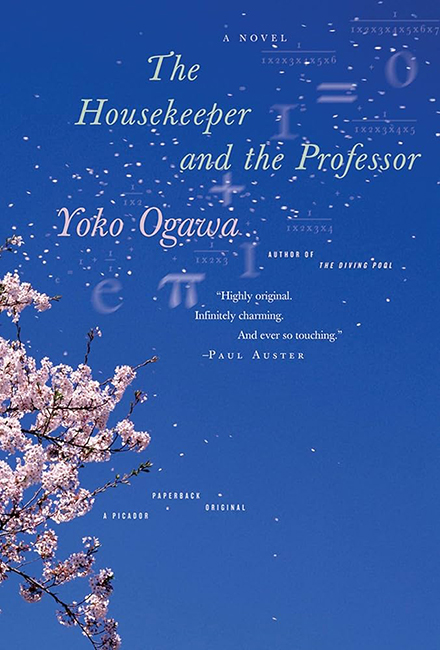
The Housekeeper and the Professor by Yoko Ogawa, translated by Stephen Snyder
This quietly profound novel tells the story of an unnamed housekeeper, her 10-year-old son, and the brilliant but memory-impaired mathematics professor she cares for. The professor’s condition, which limits his memory to an 80-minute window, creates a unique dynamic as the three characters forge a bond through mathematics, baseball and shared moments of connection. Ogawa’s elegant prose celebrates the beauty of everyday relationships and the quiet dignity of caregiving.
Tweak take: This book is a gem for readers who love tender explorations of human connections. Its themes of resilience, found family and the poetry of numbers will resonate deeply, especially with anyone who has ever experienced the quiet joy of building relationships despite challenges.

All You Need Is Kill by Hiroshi Sakurazaka, translated by Alexander O Smith
Keiji Kiriya is a young recruit fighting against an alien invasion, but there’s a catch—he’s stuck in a time loop, reliving the same brutal battle over and over. Each time he dies, he learns something new, inching closer to a way to break the cycle. This gripping science fiction novel was the inspiration for the blockbuster film Edge of Tomorrow starring Tom Cruise and Emily Blunt, blending high-octane action with philosophical undertones about life, death, and purpose.
Tweak take: For fans of adrenaline-pumping narratives with heart, this book is a standout. The vivid battle scenes paired with Sakurazaka’s clever narrative twists make it a must-read. It’s a fast-paced yet thought-provoking story about perseverance, which Indian readers might find particularly relatable in its portrayal of resilience against impossible odds.

Silence by Shūsaku Endō, translated by William Johnston
Set in 17th-century Japan, Silence tells the harrowing story of Portuguese missionaries who travel to Japan to locate their mentor, rumoured to have renounced his faith. This haunting novel explores themes of faith, betrayal and the cultural clash between East and West, raising profound questions about morality and spirituality. Its meditative pace and deeply emotional narrative leave an indelible mark on readers.
Tweak take: Endō’s masterful storytelling makes this a must-read for fans of historical fiction and philosophical dilemmas. Lovers of the film adaptation directed by Martin Scorsese, featuring Liam Neeson, Andrew Garfield and Adam Driver, will love the source material even more.

The Woman in the Dunes by Kōbō Abe, translated by E Dale Saunders
This surreal and existential novel follows an amateur entomologist trapped in a remote village, forced to shovel sand endlessly. As the protagonist contemplates escape, he grapples with questions of freedom, purpose and human nature. Abe’s stark prose and the oppressive yet mesmerising setting make this novel a masterpiece of modern literature.
Tweak take: For readers who appreciate books that challenge conventional storytelling, this novel is a revelation. Its exploration of existential themes and its atmospheric intensity will appeal to fans of thought-provoking, character-driven narratives.

Breasts and Eggs by Mieko Kawakami, translated by Sam Bett and David Boyd
Breasts and Eggs by Mieko Kawakami follows three women—thirty-year-old Natsuko, her older sister Makiko, an ageing air hostess chasing youth, and Makiko’s teenage daughter Midoriko—living in a poor Tokyo suburb. Makiko, desperate to regain her youthful appearance, seeks breast enhancement surgery, while Midoriko, overwhelmed by her changing body and her mother’s obsession, stops speaking. As tensions rise in Natsukos’ small apartment, each woman must face her own anxieties and strained relationships. Eight years later, Natsuko, now a writer, returns to her hometown, reflecting on that summer and her uncertain future.
Tweak take: Its themes of self-discovery and resilience will strike a chord with Indian readers, especially women navigating similar cultural pressures. Kawakami’s incisive exploration of womanhood feels both universal and intensely personal.

Convenience Store Woman by Sayaka Murata, translated by Ginny Tapley Takemori
Thirty-six-year-old Keiko Furukura never fit in anywhere until she begins working at a convenience store. The job gives her life structure and purpose, with a clear set of rules to follow. However, despite her contentment, her family and society pressure her to conform to traditional roles, such as finding a husband and starting a ‘proper’ career. Keiko’s journey challenges these expectations, offering a witty and poignant commentary on conformity and personal identity.
Tweak take: For readers who feel like misfits or question societal norms, this quirky and thought-provoking novel offers validation and a sense of camaraderie. It’s a sharp critique of conformity through an unforgettable, quirky heroine.
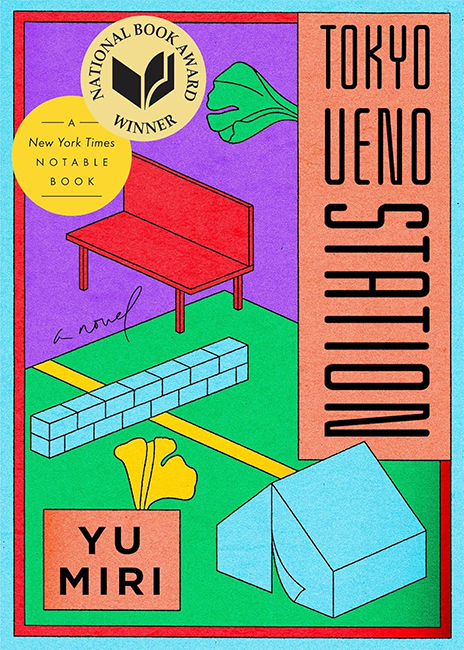
Tokyo Ueno Station by Yū Miri, translated by Morgan Giles
Tokyo Ueno Station by Yū Miri tells the story of Kazu, born in 1933 in Fukushima, whose life is closely tied to Japan’s Imperial family and the Ueno Park area in Tokyo. Starting as a labourer during the 1964 Olympics, Kazu ends his days in the park’s homeless villages, haunted by the 2011 tsunami and angered by the 2020 Olympics announcement. Through Kazu’s journey, Miri uses an outsider perspective as a Zainichi (Korean-Japanese) writer to critique Japan’s Imperial system while offering a sensitive portrayal of the country’s most vulnerable people. The novel explores the cost of progress and the forgotten lives left behind by modern Japan.
Tweak take: This novel’s empathetic exploration of social issues like homelessness and its hauntingly beautiful prose make it a powerful read. It sheds light on marginalised voices often left unheard.

Kitchen by Banana Yoshimoto, translated by Megan Backus
First published in Japanese in 1988, Kitchen follows Mikage, a young woman who, after losing her last living family member, her grandmother, is taken in by her friend Yoichi and his transgender mother, Eriko. Together, they form an unconventional family, navigating their way through grief, love and unexpected tragedies. At its heart, Kitchen explores the power of home and food in healing and self-discovery. With its gentle, poetic tone and simple yet profound storytelling, Yoshimoto captures the emotional depth of loss and the solace that comes from shared spaces, especially the kitchen. The novel’s tender reflections on life and love, coupled with its understated beauty make it a story that resonates long after the last page is turned.
Tweak take: If you love stories that delicately blend grief with hope, and the quiet strength found in the most ordinary moments, Kitchen is a must-read. Yoshimoto’s voice, both simple and striking, will stay with you, much like the warmth of a comforting meal shared with those you love.

The Tattoo Murder by Akimitsu Takagi, translated by Deborah Boehm
Set in post-war Tokyo, The Tattoo Murder begins with the captivating unveiling of a woman’s full-body snake tattoo at a society event, only for her to be found dismembered days later, her tattoo missing. The mystery deepens as more deaths follow, each tied to a fascination with tattooed skin. A young detective and the victim’s lover work together to uncover the chilling truth. This classic Japanese whodunnit blends a gritty crime story with cultural insight into Japan’s tattooed underworld and post-war society.
Tweak take: A compelling crime narrative with the rich atmosphere of post-war Tokyo, its chilling plot and the exploration of obsession will captivate fans of both psychological thrillers and culturally rich mysteries. The atmospheric setting and dark intrigue make it a standout for those who enjoy an eerie, immersive read.

Snow Country by Yasunari Kawabata, translated by Edward G Seidensticker
Shimomura, a wealthy, disillusioned man, retreats to a snowy rural hot-spring town where he meets Komako, a beautiful but inexperienced geisha. Their love affair is as fleeting and ephemeral as the snow-covered landscape that surrounds them. Through their relationship, Kawabata crafts a poignant exploration of longing, cultural tradition, and the inevitability of impermanence, capturing the stark contrast between the lovers’ passion and the cold, desolate environment.
Tweak take: A modern classic, Snow Country is a poetic journey into the heart of unfulfilled desire. The first Japanese author to receive the Nobel Prize in Literature in 1968, Kawabata’s vivid prose creates a sensory experience, making it perfect for readers who enjoy melancholic romances with a richly textured setting.
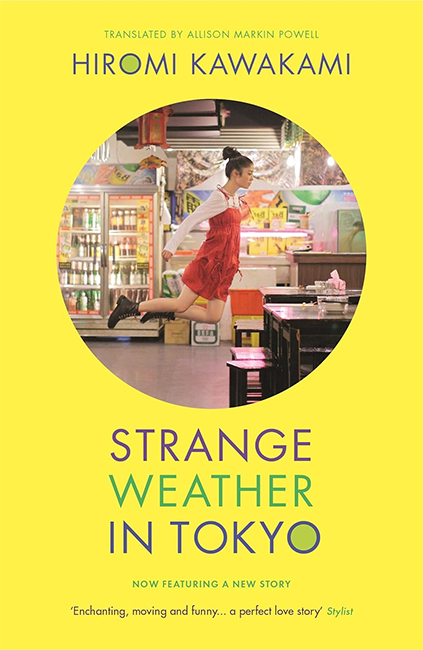
Strange Weather in Tokyo by Hiromi Kawakami, translated by Allison Markin Powell
Tsukiko, a single woman in her late thirties, frequents a bar where she reconnects with her former high school teacher, Sensei, a quiet and reserved man in his seventies. Their bond deepens over shared drinks, seasonal dishes and leisurely walks, slowly transforming into a deeply personal relationship. Amid the quiet moments and unspoken emotions, the novel captures the beauty of everyday life, the pain of unfulfilled desires, and the tender connections that can blossom in unexpected places.
Tweak take: This meditative love story offers a moving exploration of loneliness and intimacy. Kawakami’s evocative storytelling and the richly drawn Tokyo setting make this a must-read for fans of bittersweet romances with an undercurrent of quiet strength.

Idol, Burning by Rin Usami, translated by Asa Yoneda
Akari is a 17-year-old who devotes her entire life to Masaki Ueno, a member of the idol group Maza Maza. Her obsession shapes everything from her daily routines to her identity. When Masaki is embroiled in a public scandal, Akari’s sense of purpose and her tightly constructed world starts to unravel. Through Akari’s perspective, the novel delves into the pressures of adolescence, the emotional weight of fandom, and the search for self-worth in an overwhelming modern world.
Tweak take: Usami’s striking portrayal of teenage obsession gives voice to the often-ignored struggles of youth navigating self-identity in a hyper-connected world. With a balance of humour and poignancy, it’s perfect for anyone intrigued by the emotional dynamics of fandom and the complexities of finding oneself.

Butter by Asako Yuzuki, translated by Polly Barton
This gripping novel follows a journalist investigating a serial killer who seduces and murders her victims using her culinary talents. As the journalist dives deeper into the killer’s psyche, she confronts societal attitudes about beauty, desire and the expectations placed on women. With layers of psychological complexity, Butter is as much a thriller as it is a critique of gender norms.
Tweak take: Darkly provocative and sharply written, Butter is a must-read for fans of Gillian Flynn and Ottessa Moshfegh. Its exploration of food, femininity and power will leave you questioning the fine line between indulgence and excess.