

I was slow-cooked like payasam, and pummelled into inner peace
What an Ayurvedic retreat taught this gym girl about wellness
I was lying flat on my back on a hard wooden bench, staring up at the ceiling, unable to focus because my massage therapist was pouring something onto my thigh. Ooh, that’s warm. Okay, now that’s hot.
I looked down. The therapist was massaging my skin with a potli, after dipping it repeatedly into a pot of hot milk. The treatment, called Shastika Shali Pinda, is an Ayurvedic massage where rice cooked in milk and herbal decoctions is bundled and massaged all over the body. It makes you sweat and detoxifies you. I felt like I was being slow-cooked, but with excellent intentions.
I arrived at Raga Svara, a boutique luxury retreat in the cozy city of Rajkot, Gujarat, expecting a serene long weekend of gentle shoulder massages and early bedtimes. The retreat’s philosophy is simple: healing isn’t something that’s done to you, but something you arrive at yourself. In a world where we’re constantly trying to keep up, Raga Svara simply asks you to stop and remember what it feels like to be whole.
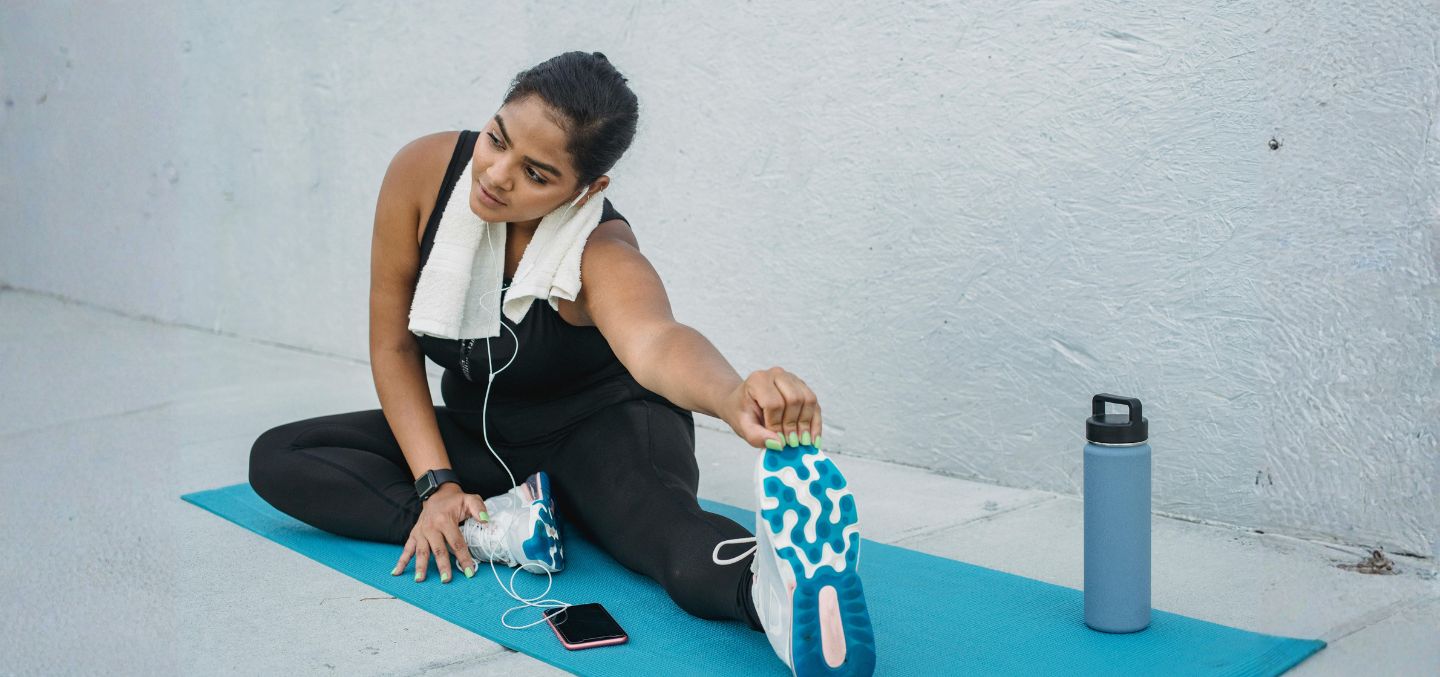
It is pretty much the opposite of my fitness philosophy. I’m a gym girl, so my idea of wellness is lifting weights, maximizing reps, constantly calculating my protein intake and meal planning for the week. Breathing, slowing down and being very intentional about things I usually do on autopilot is not easy for me. So I came here with zero expectations and for the first time in my very structured adult life, complete surrender.
From speed to stillness
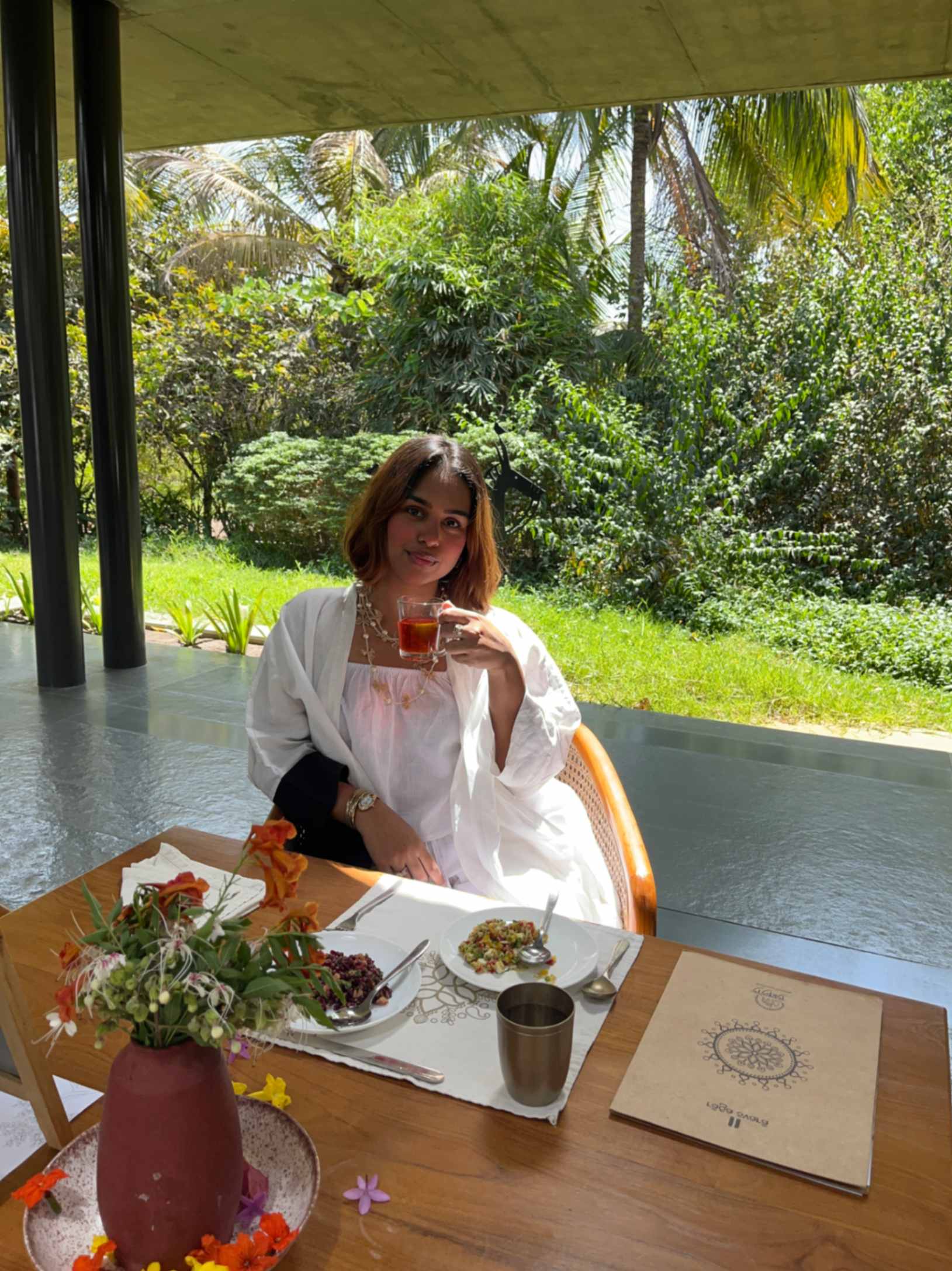
The moment I stepped into my suite and out onto the patio, all the tabs that were open in my mind immediately clicked shut. I could hear my own thoughts, interjected only by the gentle chirping of birds and the rustle of leaves.
I wandered around the campus, stumbled past fruit orchards and some beautiful flowers. Then came my consultation with the in-house Ayurvedic doctor, Dr. Sreejith Satheesan—a quiet, patient man who clearly had experience in explaining ancient medicine to people who thought Ayurveda was just spa sessions.
Part of every guest’s stay, this consultation is where your entire Ayurvedic plan takes shape. The doctor walked me through a detailed questionnaire about my likes and dislikes and asked me some general health and lifestyle-related questions. The questionnaire was also designed to determine my prakriti, a concept I hadn’t come across before. He explained it simply, “Your prakriti is your inherent nature, your unique constitution—physical, physiological and psychological—determined at birth. Understanding it helps us personalise your diet, your treatments, your lifestyle.” Since everything was broadly on track for me, and my goal was to simply decompress, we quickly moved on to the treatments.

The Abhyanga first: a full-body warm oil massage for circulation and lymphatic drainage (so blissful, the therapist had to wake me from my deep slumber with a sound bath). The Shirodhara next: a warm herbal oil is poured in a steady stream onto your forehead for a whole hour (I barely made it to my room before knocking out for three hours). And finally, Churna Pottali: heated cloth potlis packed with herbal powders are tapped all over the body to help with inflammation and weight loss. This one was less meditative and more like someone lightly hitting you all over your body. But it worked like a factory reset because I felt super refreshed and energetic after.
Days of rest and relaxation
During my stay at Raga Svara, I felt like I was living on an entirely different planet. For context, I’ve been lifting weights for nearly a decade (currently, I can leg press 150 kg). And my days, including weekends, are a running list of to-dos that somehow keeps getting longer. My friends would tell you, “She is always on a timer.” But here, for once, the only thing on my schedule was to stay.
The treatments were just one part of the retreat. The weekend was otherwise structured, beginning with yoga at 7:15 am, breakfast until 9:30 am, treatments through the morning, followed by lunch, more treatments, and meditation. After a little leisure time, we had dinner and the days would wrap no later than 9 pm. It was peaceful and entirely centred around learning to slow down and take care of myself.
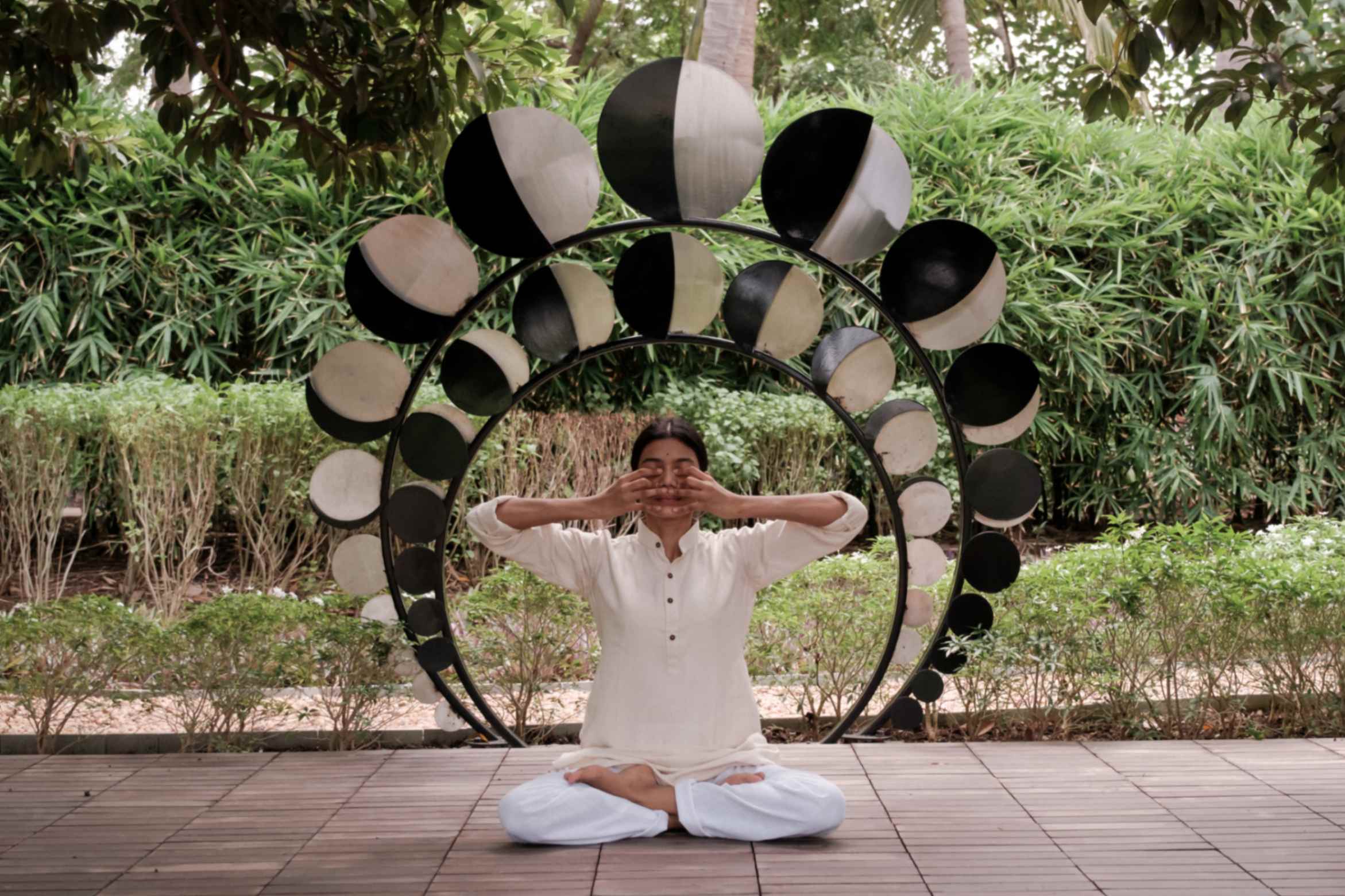
As expected, it took some getting used to this new rhythm. When I walked into the yoga session the first day, for instance, I had no idea how to move that slowly. The instructor made us stretch in directions my body has simply never been asked to go, which slowly began to feel liberating. I was less nervous about meditation since I do it daily, but I usually practise with a timer and the pressure of getting ready for work. Here, I didn’t have to rush anywhere and went into such a deep state that I felt sure I had been snoring.
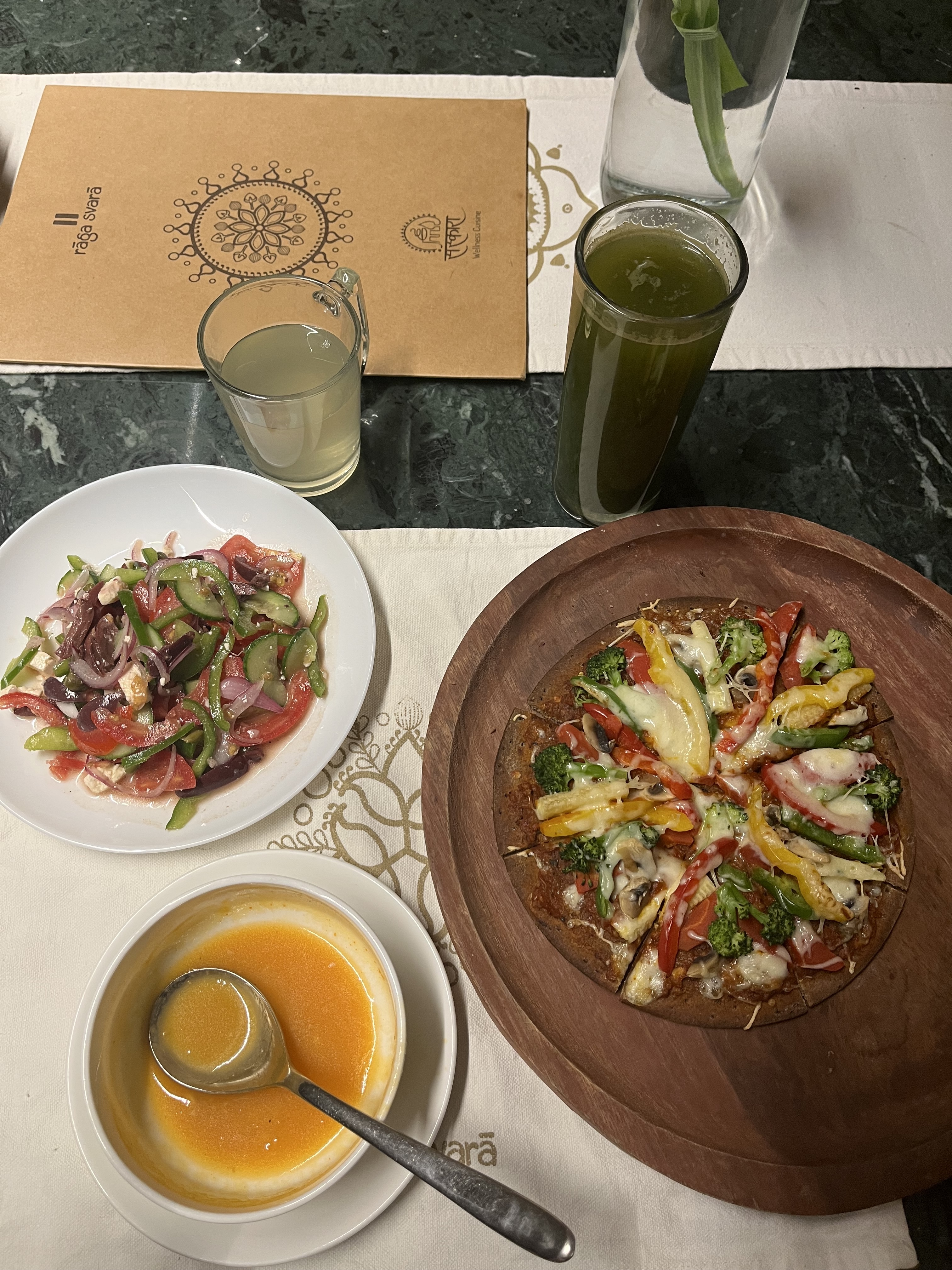
The food was another important part of this restful renewal. Every one of the vegetarian meals was fresh, wholesome and super delicious, with several ingredients coming straight from the retreat’s own organic farm. There was plenty of variety too, from gluten-free ragi pizza to cauliflower-stuffed paratha, and an incredible beetroot, millet, spinach and walnut salad I plan to recreate at home.
Lessons learnt
By the end of the three days, I felt definitively calmer, well rested and my body felt a lot more open and flexible. For someone who schedules her life relentlessly, I now wondered why I never once thought to schedule rest? My time at Raga Svara demanded less of my body and more of my attention so I could actually listen to what my body needed.
I’m going back home with a new game plan: I’ll be adding yoga to my weight-training regimen, as well as bringing a bit of Ayurveda into my everyday life—maybe something as simple as a daily oil massage. And my most important take-back of all: when you open yourself up to exploring things you never thought you’d enjoy, you can surprise yourself. Turns out this gym girl had more to learn than she thought.