


I can't stand my BFF's partner. What should I do?
Sisters before misters
When 23-year-old Neeharika Nene’s best friend started seeing someone new, Nene found herself seething with rage. “I thought the guy was quite annoying and selfish,” she shares. “Yet, every time I voiced my objection, my friend would shut me down and make excuses for his behaviour. Over time, I found myself getting really upset about how naively she was acting.”
Nene’s experience signals a universal truth: friends are the most brutal jury, capable of slandering a romantic interest to shreds. A fleeting glance into a text conversation will reveal the snarky, vitriolic remarks that gush in at intervals of 0.003 milliseconds while discussing a friend’s partner who’s rude, annoying, or unfit in any way. “We all feel protective of our friends and can’t imagine why they’d settle for anything less than a perfect person… even if we don’t hold ourselves to the same standard,” explains Nene.
When we asked our Tweak readers if they’ve ever disliked a friend’s partner, their responses seemed to line up. “I always try my best to respect her choices, but if he’s problematic, I will make my hatred very, very clear,” read one reply. “I didn’t deal with it well and we fought outside his engagement party. Luckily, they got divorced two years later,” read another.

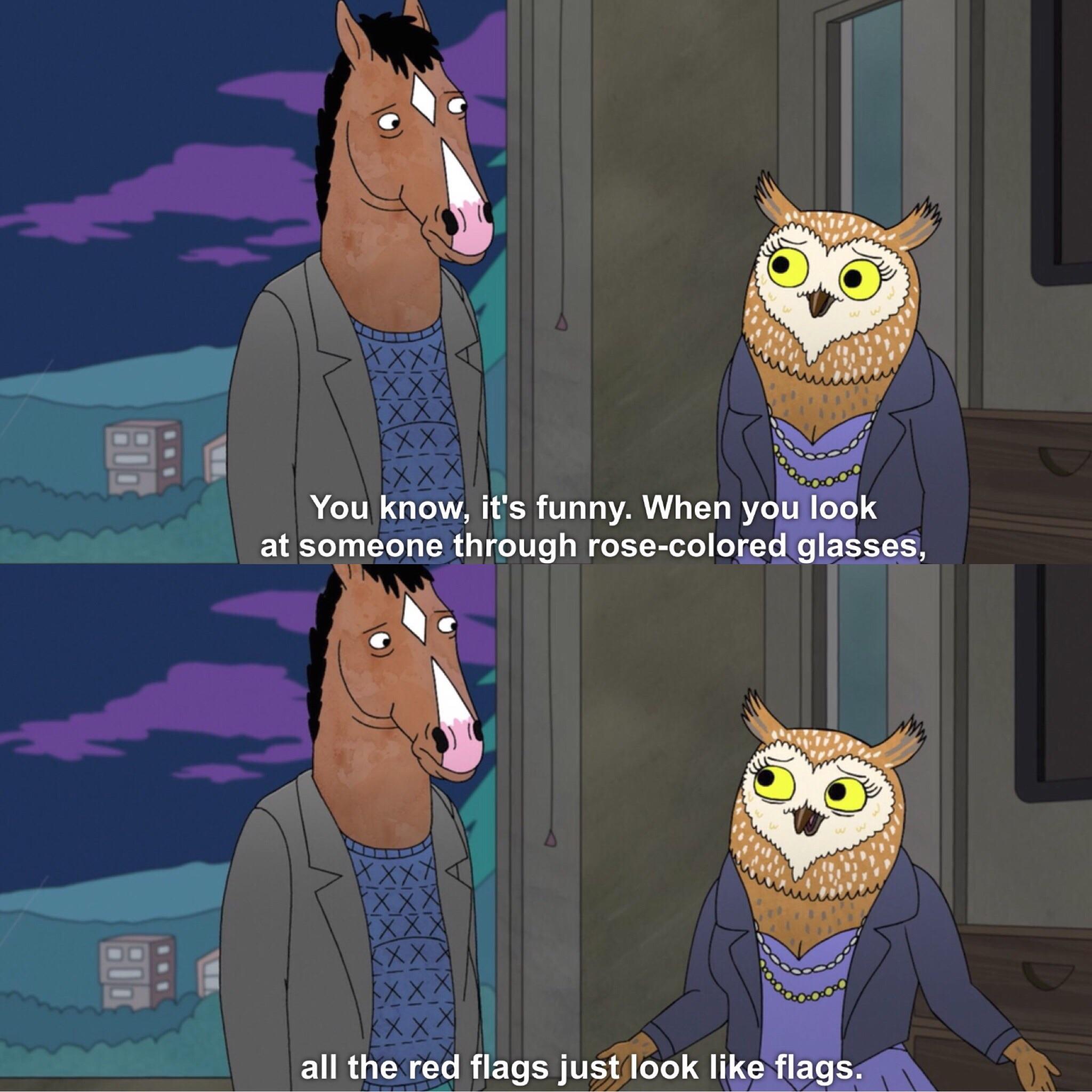
But even if her partner is the human equivalent of a wet sock, there’s no doubt your starry-eyed BFF will be too lovestruck to see the signs. As Wanda from BoJack Horseman cleverly put it, “When you look at someone through rose-coloured glasses, all the red flags just look like… flags.” (Here’s how you can identify an unhealthy relationship) So, what should you do if your BFF’s partner makes you want to gouge your eyes out? Do you craft an elaborate plan to engineer their breakup? Or suck it up and seethe internally?
“This can be a tricky situation,” agrees Tamanna Edwards, a New Delhi-based psychotherapist and group facilitator. “You’re caught between feeling like you should keep up a happy facade for them and wanting to be honest.” So if you’re wringing your hands about what to do, fear not, we’ve spoken to three therapists and broken down their advice for you.
Here’s what to do if you can’t stand your friend’s partner
Feel your feelings
It’s a pattern you’ve been noticing for a while—every time your BFF announces she’ll be bringing her partner along for dinner, you can’t help the niggling voice in your brain that’s screaming at you to cancel. It’s a sticky situation to be in. On one hand, you’re eager to make a good impression and get along with their lovebug, but one the other, the idea of meeting the SO obviously inspires more dread than delight. So, what do you do? Bottle it up and rough it out? Or whine about it to your friend?
Neither, according to Edwards, who maintains that pinpointing what you’re feeling is a good place to start. “Try recognising what you’re feeling towards them. Is it anger? Hurt? Disrespect?” she says. “And then, make note of why you’ve been feeling that way.” Whether they regularly poke fun at your “easy” remote job, or interrupt your friend every time she starts speaking, it’s worth making a mental note of all the teeny-weeny things that’ve spurred your dislike of them. Not only will this make your feelings feel less insurmountable, but also help you think more clearly about the situation.
Look inwards
Remember when Taylor Swift said, “It’s me, hi. I’m the problem, it’s me”? Now, we’re not the moral police, but we’d like to believe she stumbled upon an invaluable truth there. If you’re grappling with a deep dislike for someone for no apparent reason, it can be because—surprise, surprise!—your own demons are rearing their ugly heads. According to Purvi Shah, a Mumbai-based counselling and clinical psychologist, it’s worth pausing and thinking about the situation more objectively.
“Are they genuinely annoying or is there another emotion buried underneath? Could it perhaps be a past trigger that’s coming up?” she muses. “Don’t disregard the possibility of it being your own insecurities and biases emerging, so dig a little deeper, be curious, and maybe even speak to a neutral third-party, like a friend or therapist, so you can view the situation more clearly.” Maybe you’re riddled with anxiety now that you’ve fallen lower on your friend’s list of priorities, or perhaps their SO accidentally touched a sore spot when they mocked your cooking skills. In any case, a little introspection goes a long way towards resolving the issue without stirring the pot.
Trust the evidence
On the other end of the spectrum, sometimes you might find you’re going through the “just the wind” effect. Let us explain. There’s a well-known trope in horror movies—the main character hears a sudden noise amidst the dead quiet, gets up to check, finds nothing, and dismisses it as being “just the wind”. Of course, as spectators, we know a serial killer is crouching in wait in the basement. Similarly, it’s possible you’re trying to stay in your own lane and dismiss all the warning signs, but your gut is quietly clued in and recognises that something about this person is not entirely right.
According to Lucknow-based relationship therapist and dating coach Prachi Saxena, there are a few red flags to be on the lookout for if you’re confused. “If your friend’s partner acts differently in private and public, or their words and actions simply don’t align, or they refuse to change their behaviour despite being asked to, then your reasons for dislike might be rooted in reality,” she says. The bottom line? Trust your gut, keep your eyes peeled and look for evidence that’ll help you and your friend get a clearer picture of the situation.
Concern over confrontation
Even if the two of you have a parivaar jaisa sambandh, the idea of confronting your bestie about her SO can make you quiver like a bowl of China Grass. After all, it is a touchy topic and her SO is one of the most important people in her life, right? The good news is that you don’t need to pen a three-page-long script and rehearse it in front of the mirror—all you really need is a healthy dose of tact and compassion.
Try broaching the topic when the two of you are alone, preferably in a quiet place. Edwards suggests focusing on your feelings instead of jumping to judgement. So, for example, instead of saying “Your partner was really rude to me”, it might help to rephrase it into an “I” statement. Try saying, “I felt hurt by something your partner said to me the other day“. Not only is this a softer, less accusatory approach, but also paves the path for deeper conversations.

Protect your peace
You’ve had The Talk and poured your heart out. Now what? In a best case scenario, your BFF is super understanding and has an earnest conversation with her SO. In a not-so-great scenario, she dismisses it with a casual “It’s fine, that’s just what he’s like,” and gets on with her life. While hurtful, this may be your cue to gracefully accept that some battles are simply not worth fighting and it’s best to settle on a middle ground that serves both of you.
“Sometimes, you just need to set boundaries and decide how much access your friend’s partner will get to you,” advises Saxena. Plus, it’s totally fair to propose partner-free hangouts to your friend, so you can spend time together without having to reach a compromise. Although, according to Edwards, this needs to be tackled delicately, so you don’t risk offending your friend. Just a quick “Hey, do you think we can spend some time together without our partners?” will do the trick.
While it’s disheartening to see your gorgeous, smart, and oh-so-perfect BFF with someone you dislike, don’t lose sight of the fact that it’s ultimately just the two of you in your friendship. So, even though a good relationship with their partner is ideal, remember that it’s not strictly necessary.