

Why I stopped telling my mother to eat healthy
Life’s Uno reverse, now I’m sneaking veggies into my mom’s diet
The oddly satisfying but strong smell of phenyl hits my nose as I walk into the doctor’s clinic with my mother. It’s a regular check up for her arthritis and I can’t tell if she’s happy I’ve come along this time or annoyed. She’s busy playing Candy Crush on her phone, looking down intensely at her phone screen. I wonder if the makers of Candy Crush have thought of rewarding her efforts to clear 14,000 levels.
I decided to check her blood report while we waited. While I may not have become a doctor like my parents hoped, I like to use some of that retained education in these circumstances.
As I cross-check full forms of anti-CCP (anti-cyclic citrullinated peptide) in her test results, I slowly start shaking my head in disapproval.
All of a sudden, I’m acting the same way my mother did when she came to my school open house and saw my math exam marks. I’m guessing, just like me back then, she too wishes my dad had accompanied her.
The conversation with the doctor mimics the one my mother used to have with my teachers.
“Aap inhe beetroot khaane boliye (please ask her to eat beetroots), haemoglobin is still not where it should be.”
I bond with my mother’s doctor and keep glancing sideways as she rolls her eyes, the same way I did when I was 13.
In the auto ride back, this doctor’s appointment opens up the same old conversation about health. I tell her about the importance of weight training and eating more protein, fibre and her least favourite vegetable – beetroot. She tells me about how protein ruins your kidneys, and how much she hates beetroot’s texture.
Do I have to parent my parents now?
Growing older is fun until you realise that some times you need to talk to your parents as if they were petulant teenagers. You find yourself constantly nagging them about something, like WhatsApp forwards are not real news, AI-generated videos are a thing and please, please don’t watch Kapil Sharma Shorts at full volume in public.
All these years, I thought my mom wasn’t a picky eater, she loves lauki and karela. But now, when I ask her to eat what the doctor suggested or add a little paneer to her diet, she says, “I’ve managed without them for this long, I’ll be fine.”
Oh, how the tables have turned.
Growing up in a Gujarati family, I was raised with the notion that a good meal includes two rotis, one sabzi, one daal, a cup of rice and a glass of chaas. This changed in 2020 when the overall health panic around contracting COVID-19 mixed with my diagnosis of PCOS. Doctors asked me to lose weight, and soon enough my social media feed was an endless scroll of weight loss advice. The key piece of information across all platforms was to add more protein to my diet, to reduce cravings and maintain muscle health.
I started benefitting from this lifestyle change, and noticed my mother’s health didn’t change much. In fact, her stamina has been gradually decreasing and complaints about joint aches have increased. My mother used to be a full-time working professional when I was younger, she’d cook meals for six people after a full day at work. Surely, I could do the same after coming home too, now that it’s just three of us.
I planned to help her cook dinner and eat simple, healthy home lunches so she could benefit from them too. But, I underestimated my stamina to cook after coming back from the office. Figured at least my new lunch plan would be helping her, but I was surprised to see that the lunch leftovers at dinner time were different from the dabba I got. I realised my mom was making two meals for lunch every day.
I had unintentionally increased her workload rather than reducing it.

Does our advice really help mothers?
Left wondering how I could solve this new problem, my worry increased when my colleagues at the Tweak office discussed an influential nutritionist’s latest Instagram Reel. Her video felt like it came at exactly the wrong time for me. She was urging children to stop forcing their parents to have more protein, unless they were willing to help in the kitchen themselves.
Sure…
After we’d been successfully ragebaited, our video producer was the first to name the real damage. The deeply entrenched mindset that Indian meals are already nutritious, and there’s no need to consciously add more fibre and protein to it.
It’s hard enough to convince our mothers to take better care of themselves, to undo decades of conditioning that normalised self-sacrifice as a virtue. My colleague lives away from home, and has been trying to get her mother to eat healthier, nudging her to eat more protein through paneer, knowing she consistently skips it.
“I call her to ask what she’s eaten in the day, but I eventually realised it’s not possible for her to change her ways when she’s already so stressed about cooking food to please everyone’s taste preferences. It was tough to realise that even if I tell her to eat more protein, it’s only going to come off as criticism and stress her out. In the end, I just tell her to eat what ever makes her happy.”
And she’s not alone in feeling this was, mothers are expected to be caretakers and mediators every day, who keep both the 80-year-old dadi and kids happy. Could it be then, that our well-meaning information dump about protein and fibre sounds more like a post-open house scolding than genuine concern?
Are gym bodies only for entertainment?
It had never occurred to me that my mom viewed my dietary changes as an individualistic choice. She presumed that these were just applicable to me and had nothing to do with her. My mother made my meals just to help me take care of my health.
When I spoke to her about it, she told me that she saw this diet as a temporary change, not something sustainable for long-term. Sustainable food for her was still the same meal of sabzi, daal and chapatis that she grew up eating.
This clicked when my mother said, “I don’t need all of that, I’m no Kareena Kapoor who needs to maintain her figure or endure long shoots.”
Her argument seems fair because, up until a decade ago, only celebrities who had to make an impression followed diet plans and maintained slim figures. Words like inflammation, cortisol levels or muscle health only sound like celebrity-induced buzzwords rather than science-backed information to her.
Think about it, who did you listen to better as a kid? The cool and hip cousin who gave you tips on how to pass your exams easily or your parents who told you to wake up before sunrise to improve your grades?
Unfortunately, we’re the parents in this scenario.
The entire world of protein, fibre-maxxing and bone health only exists in our corner of the internet. Our parents on the other hand, get videos about why whey protein is bad for your kidneys. There’s fear-mongering about health on both sides, and constantly dumping information on each other won’t help.
Scientific papers or terms hold very minimal power against our mothers who have lived a certain way for decades. This also includes the age-old conditioning that she needs to prioritise our health over hers.
Bending to my mom’s will
I’ve accepted that my mom won’t eat beetroot, even if I get her supplements, she will only see them as waste of resources since they were spent on her. Instead, I’m going to have to randomly start craving palak paneer or palak rice dishes that she’s made for the family all these years.
Adjusting the menu is just one way to reduce her domestic workload. I recognise my limitations as an amateur cook and working professional, but if my subpar chopping and boiling skills and dishwashing duty after dinner helps her, then why not?
It’s not a lot, but if this one readjustment allows her to make more time to just relax, the extra free time she gets might just help her realise that it’s okay to take care of herself.
Even if it takes a few more open houses with the doctor, a gradual recovery might just be better for my mother’s health long term.
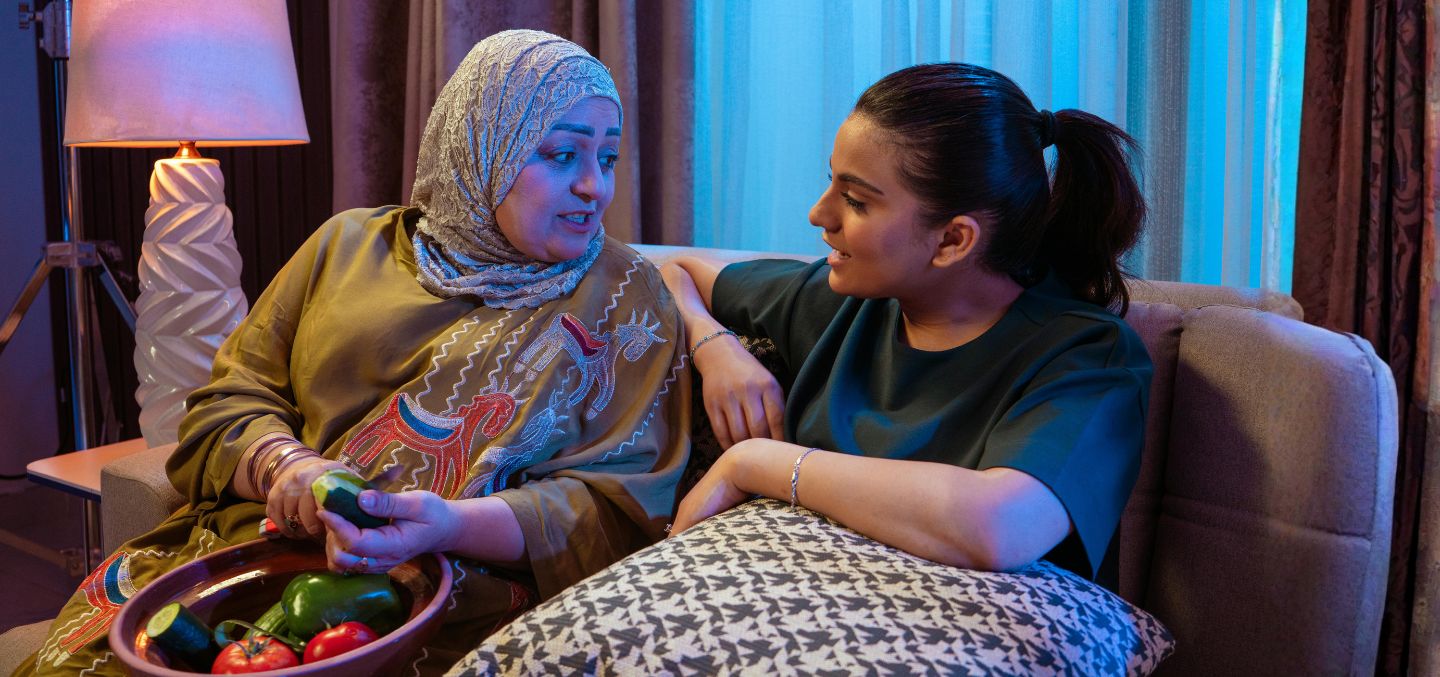
It’s funny coming a full circle from being a kid who had to be given veggies sneakily to now sneaking them into my parents’ diet.
As I write this, I also hope she doesn’t read it to figure out all my secret ways of helping her get healthier.


