


9 wildlife adventures to embark on with your little cubs
In the jungle, the mighty jungle, the lion sleeps tonight
Parenting is the ultimate test of creativity. One day you’re inventing games to keep your kids away from Cocomelon and Chhota Bheem, and the next, you’re scrambling to come up with engaging stories to explain fractions so they don’t feel personally terrorised by math. And then there’s the challenge of planning vacations—a trip that will pull them away from their screens and open their curious minds to wanderlust. A hiking trip into the chilly, wild mountains could be too gruelling, while strolling through culturally rich cities might turn into a snoozefest. The sweet spot, then, lies in something that provides just the right amount of thrill: a safari.
“A safari vacation helps kids develop a deeper appreciation for nature,” says Karan Chawla, founder and CEO, Jokotta Discoveries, a Mumbai-based company that curates boutique, naturalist-led travel experiences. “They also learn about indigenous communities that have lived in the forests for thousands of years and have developed unique traditions and crafts. In this age of constant distractions, being on a holiday where your entire focus is to observe natural behaviour and spot animals and birds is a massive shift in entertainment.”
A wildlife and nature enthusiast himself, Chawla launched Jokotta Discoveries in February 2019, offering unique wildlife experiences within India and around the world for solo travellers, families and groups, either as packages or customised experiences. These range from a majestic tiger safari in India and snorkelling alongside manta rays in the deep waters of the Maldives to bird-spotting in Costa Rica. We asked Chawla to recommend unique safari vacations that will keep your kids curious and entertained.
9 safari holidays to plan with your kids
For children between the ages of 4 and 10:
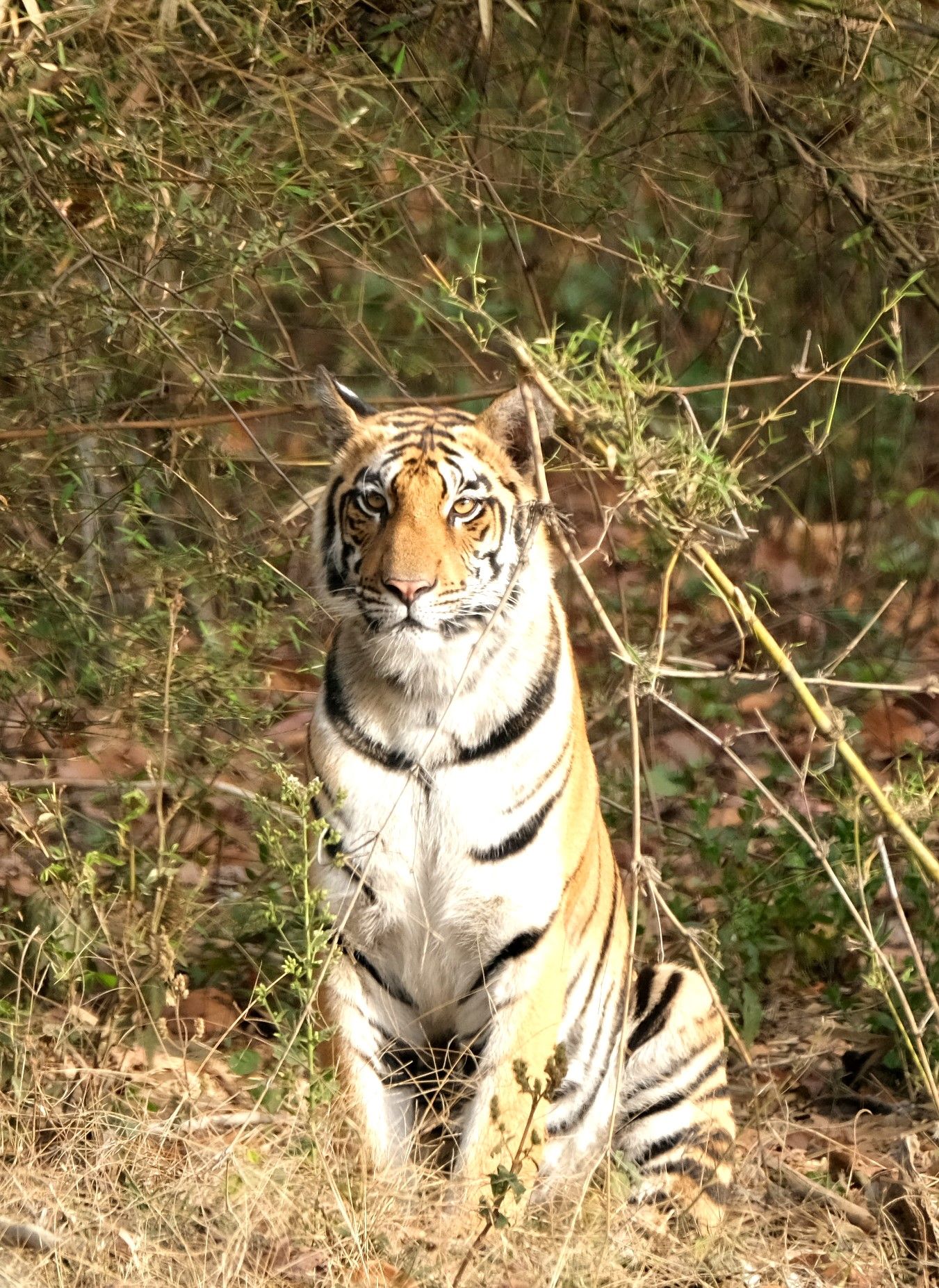
Hang out with Sher Khan at Kanha National Park
Introduce your children to the national animal by spotting the mighty Sher Khan in his original habitat—a thrilling bucket-list adventure for kids and adults alike. Located in Madhya Pradesh and nestled among the evergreen sal trees, Kanha National Park is approximately a five-hour drive from Raipur and is a prime location for spotting the Royal Bengal Tiger, along with a rich diversity of fauna. You can also encounter barasingha, jackals, and a variety of snakes, including the king cobra, Russell’s viper, common krait and the fan-throated lizard, which sports a beautiful chromatic fan. “Kanha National Park consists of heavily wooded areas, rivers, sprawling meadows and hundreds of other species of animals and birds. It’s an unforgettable introduction to the wild,” says Chawla.
Best time to visit: October–March

Spot a sloth bear at Satpura National Park
If you’d prefer a slightly more reclusive safari holiday than one filled with noisy tourists, Satpura National Park in Madhya Pradesh might just be the right pick. A two-hour drive from Bhopal, Satpura is a less-frequented option off the tourist trail, where you can spot sloth bears, leopards, chausingha (four-horned antelope), and some striking birds like the Malabar pied hornbill, crested hawk eagle and paradise flycatcher perched upon towering sal, mahua and bamboo trees. Getting to the main forest gate requires a short river crossing, where you’ll be greeted by sightings of several water birds. You also have the option of canoeing or boating on the river, and camping in the forest for an extra slice of adventure.
Best time to visit: October–June
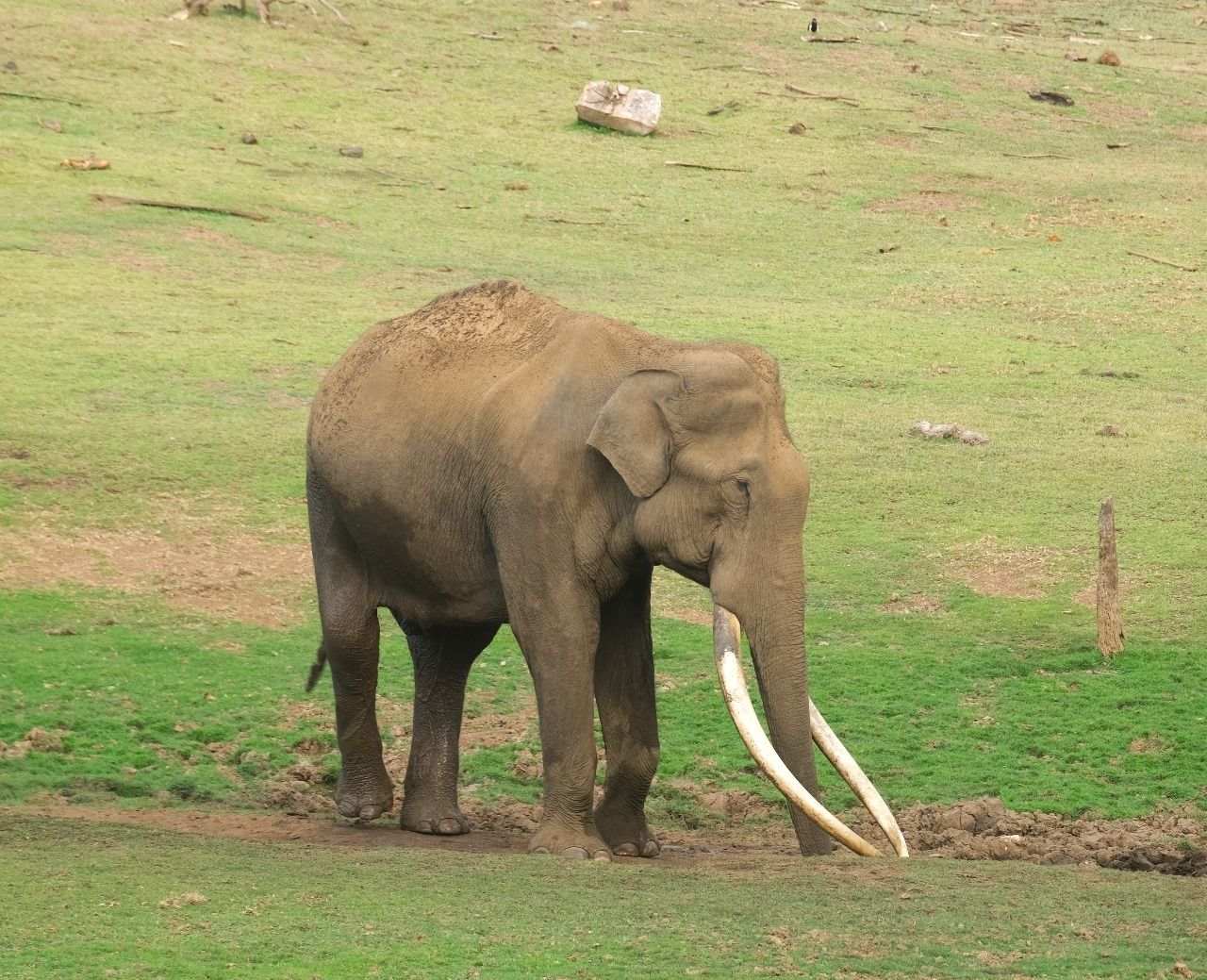
Marvel at the tuskers at Kabini Forest Reserve
Why stick to the road when you can cruise through the wild waters of the Kabini river and drop in on otters’ pool parties? You can experience this unique jungle safari either in a jeep or a boat, the latter being highly recommended. Part of the Nagarhole National Park, which falls under the Nilgiri Biosphere Reserve in Karnataka, the Kabini Forest Reserve is easily accessible from Mysuru, just an hour and a half’s drive away. As you wind through the dense sandalwood, teak and silver oak trees, you’re likely to spot elephants, river otters, crocodiles, and hundreds of birds, in addition to tigers and leopards. “More recently, a black panther (melanistic leopard) has been spotted here regularly, leading to the park’s popularity with tourists and wildlife photographers,” says Chawla.
Best time to visit: October–February
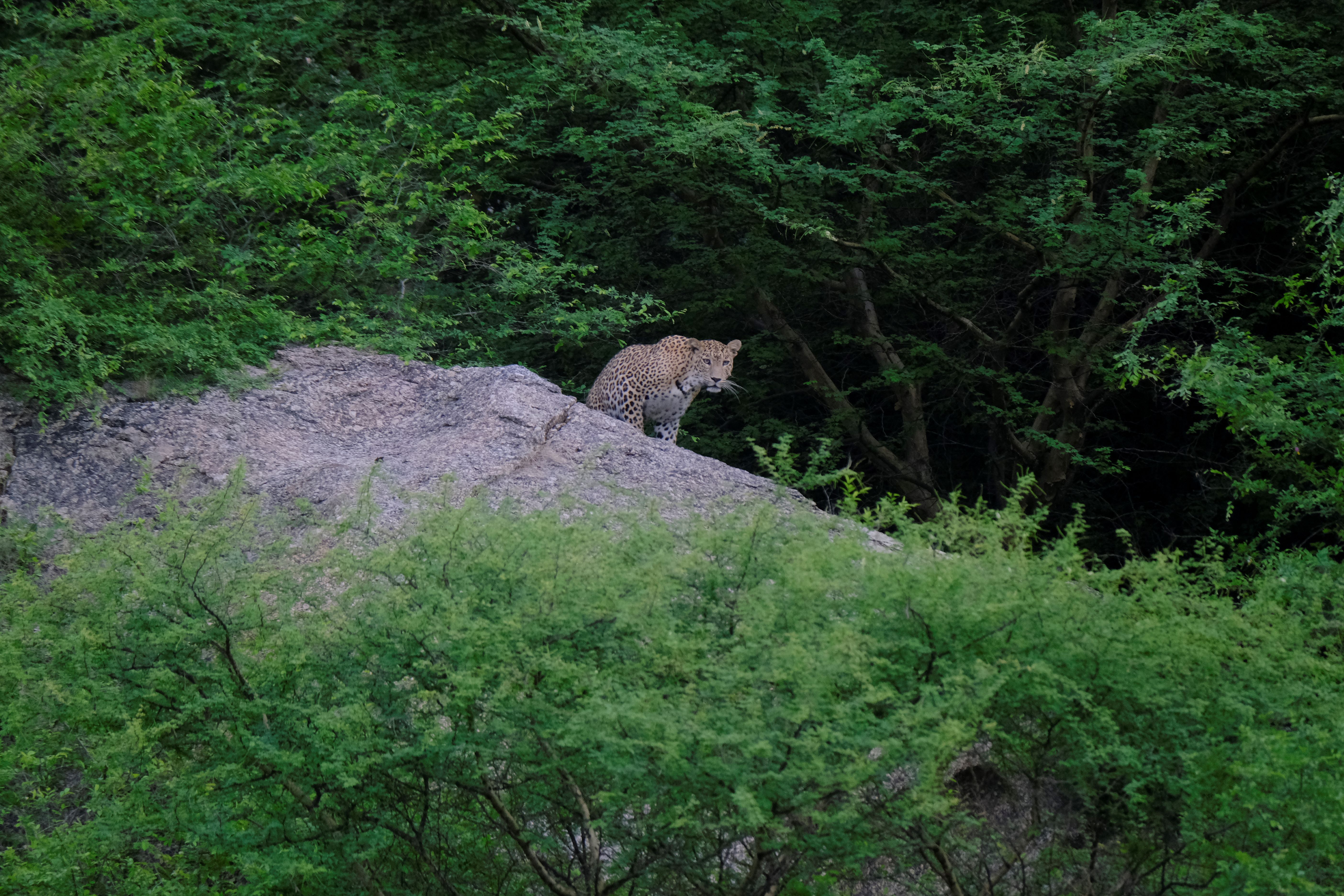
Watch leopards and humans co-exist at Jawai
When you think of a Rajasthan vacation, you imagine forts and palaces, dal-baati and jhumkas or perhaps one of its haunted destinations. But the state also offers some incredible wildlife safari experiences. Now you may feel the urge to head straight to Ranthambore, but if you’re looking for an offbeat option, consider Jawai. Located two hours away from Udaipur, Jawai is known for its abundance of leopards. “This area doesn’t have tigers, and hence leopards are the apex predators. Their behaviour here is remarkably different from leopards everywhere else. Usually, leopards are shy and rare to spot in forests. But in the hills surrounding Jawai, they tend to be out on the rocky terrain, coexisting with the Rabari tribes of Rajasthan,” explains Chawla. A trip to Jawai offers a masterclass in natural behaviour and shared living with nature, as it’s not a protected area, making it a unique experience for kids.
Best time to visit: October–March
For children older than 10 years:
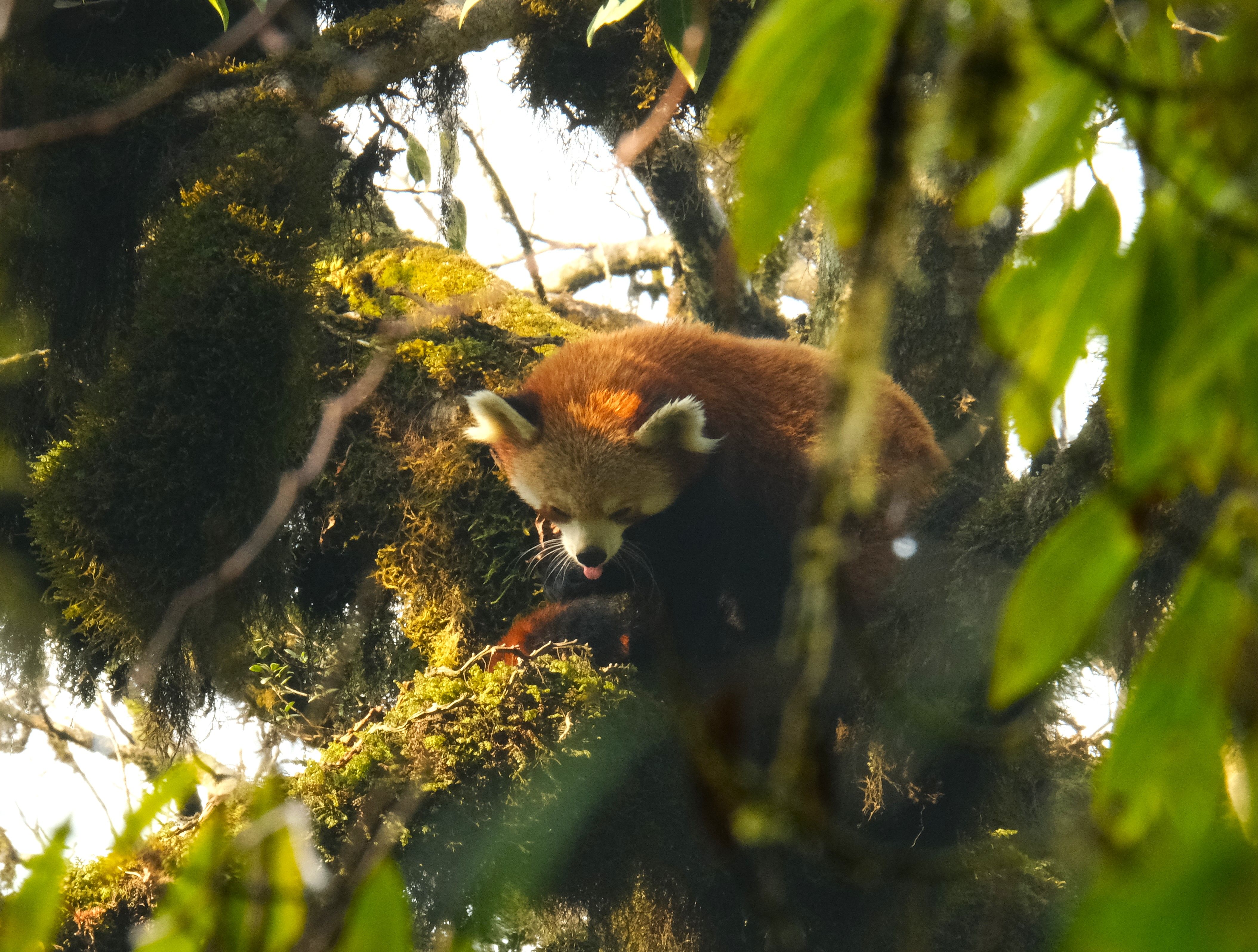
Play peekaboo with the red panda at Singalila National Park
Trade your kids’ teddy bear obsession for a real-life, cuddle-worthy sighting, because it’s not every day that you get to hike the Himalayas and bump into some of the cutest mammals in the world. Located in the Darjeeling district, Singalila National Park is home to a small population of red pandas, and spotting them is a rare treat. “Professional spotters go out on different trails looking for the red pandas, and when they spot one, they move to that area and observe this beautiful animal in its natural habitat,” says Chawla. During your visit, you can stay in local homestays, feast on some delectable pahadi delights and go hiking in the fresh mountain air, surrounded by rhododendron flowers. The park is also home to other notable species such as the pangolin, yellow-throated marten and wild boars.
Best time to visit: March–May; mid-September–early December
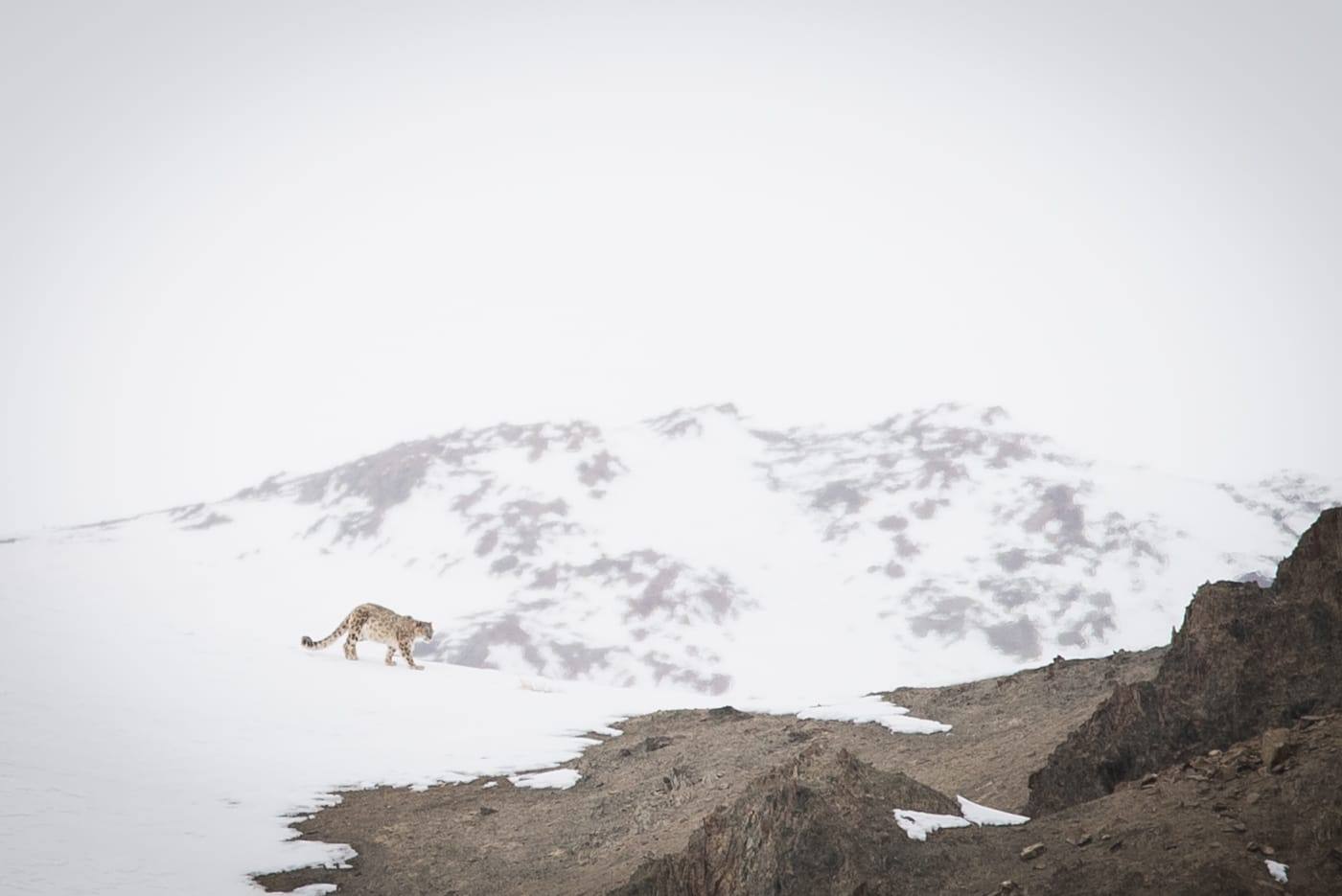
Chill with the Himalayan wildlife at Hemis National Park
Don’t let the extreme cold and sub-zero temperatures deter you from taking your munchkins 15,000 feet above sea level. Layer up and head to the Hemis National Park, a one-hour drive from Leh. This high-altitude desert is home to diverse Himalayan wildlife, including the Tibetan wolf and Eurasian brown bear, along with other endangered species. But the ultimate reason to visit is to spot the “grey ghost”—the elusive snow leopard. While there’s no guarantee that any one of the approximately 200 snow leopards living here will come out to play during your visit, the mere possibility makes the journey worth it. Additionally, you can also explore the rich cultural heritage of Leh, making it an unforgettable experience for kids.“For kids that are older than 14, this is an eye-opening place; it’s remote, with a harsh climate, and yet, you’ll meet some of the warmest and most hospitable people. Talking to them, by itself is a treat,” says Chawla.
Best time to visit: May–October
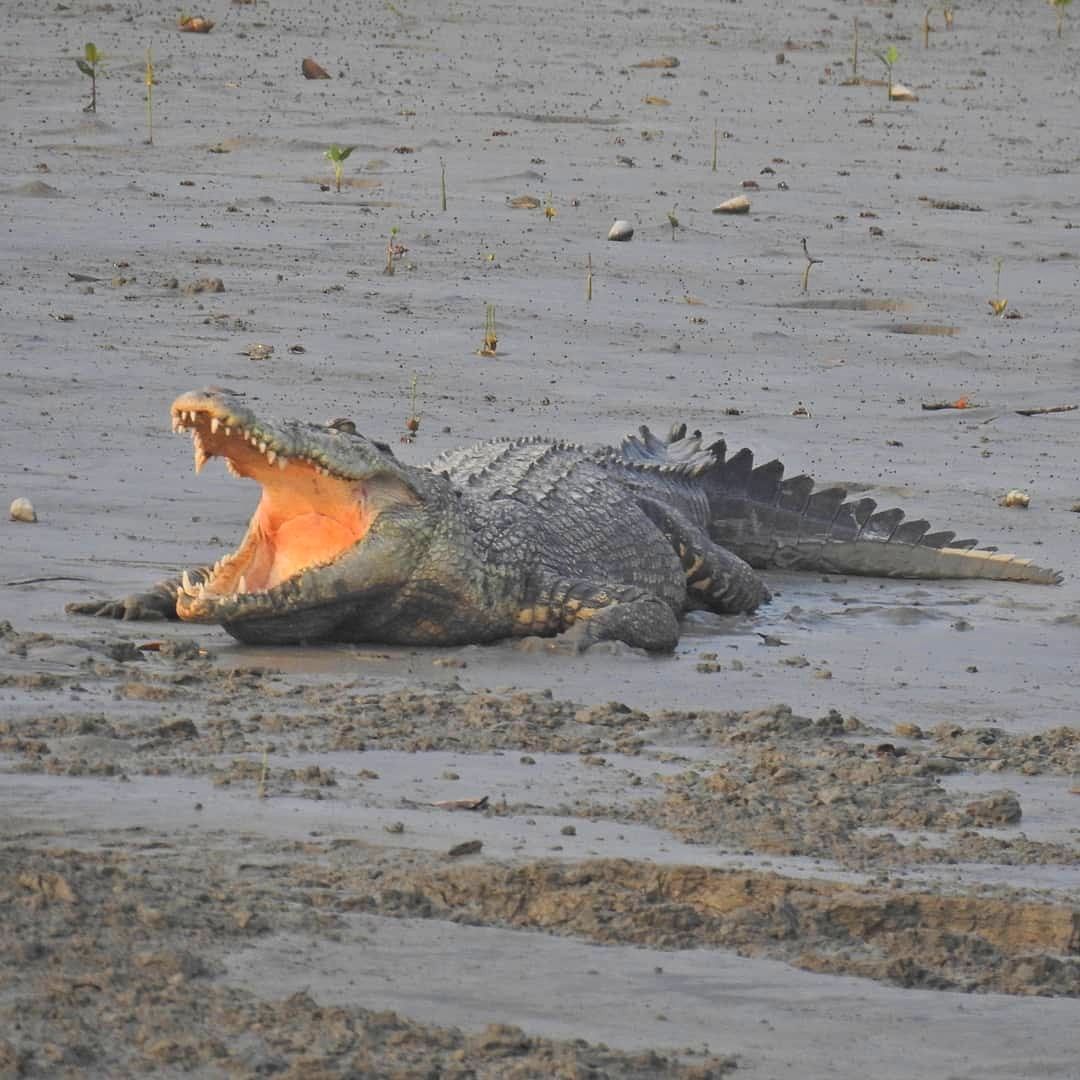
Watch a croc get its teeth cleaned at Sundarban National Park
No safari holiday list is complete without including the Sundarbans, just a four-hour drive from Kolkata. Dive headfirst into the mangroves on a boat and spend days navigating the vast river system, where you can find Ganges river dolphins showing off their synchronised moves, a bevy of otters and massive saltwater crocodiles lying with their mouths open for a free dental cleaning from the birds (there are hundreds of different species to spot). And of course, with a bit of luck, the king of the Sundarbans— the Royal Bengal Tiger—might just grace you with its presence. According to Chawla, Sundarban National Park makes for an ideal family vacation because everyone is on a private boat, the safari isn’t rushed, and during the journey, the boat crew will usually entertain you with plenty of local lore, mostly around the man-tiger conflict in the area.
Best time to visit: November–March, with summer being particularly good for tiger spotting.
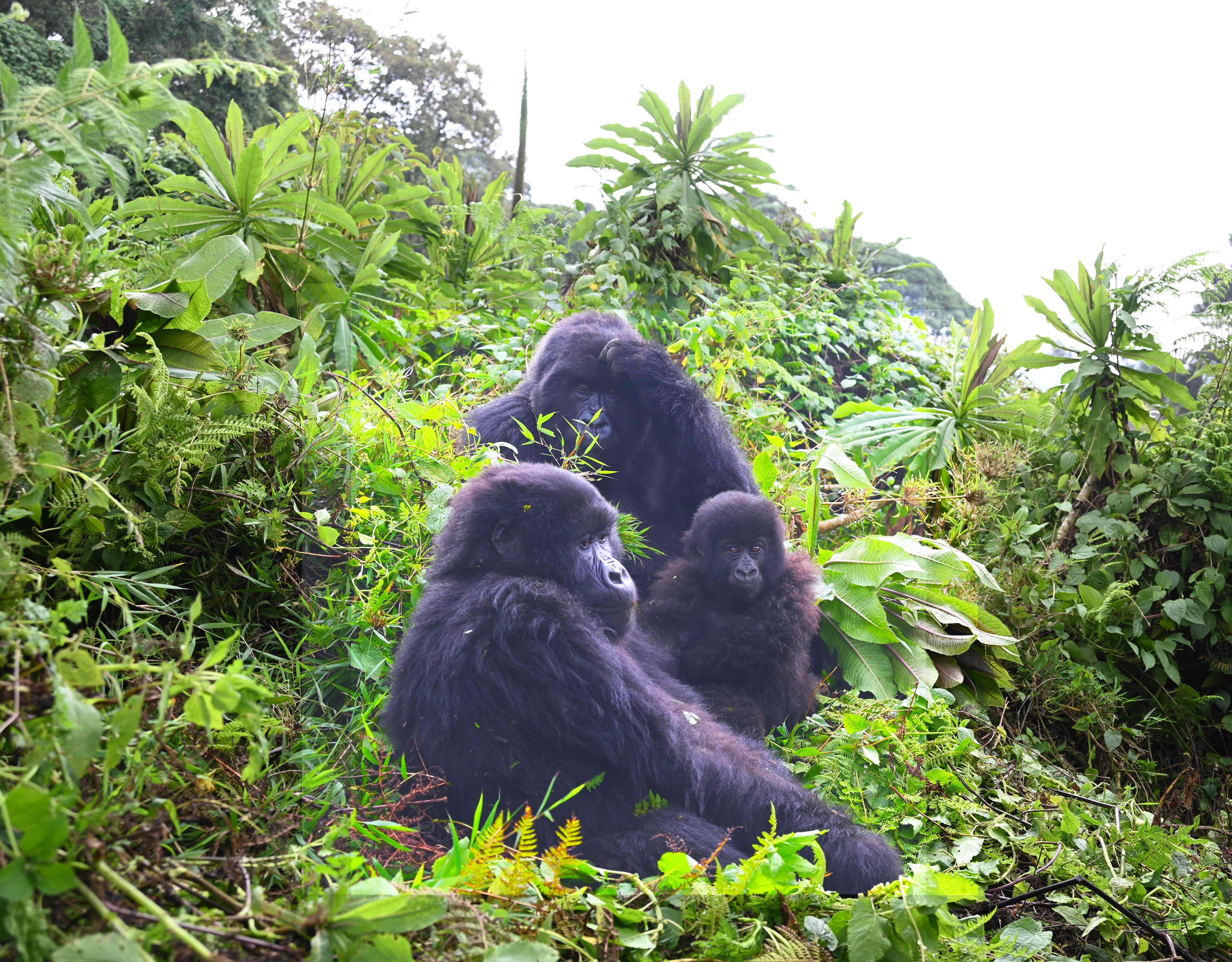
Say hi to King Kong at the Volcanoes National Park in Rwanda
Skip the overdone Maasai Mara experience and head to the Volcanoes National Park in Rwanda instead to meet King Kong and embark on a jungle rendezvous with our fuzzy cousins. Home to mountain gorillas, the park offers an uphill trek that takes visitors close to habituated gorilla families. Only children aged 15 and older are permitted on the trail since the climb can be physically demanding and requires silence and considerable patience to track the gorillas (this could take anywhere between half-an-hour to an entire day). You can also spot the endangered golden monkeys here, along with forest elephants and a wide variety of birds. “For families with children over 14 years of age, this is an experience I can’t recommend enough,” says Chawla. “Observing these gorilla families in their natural habitat is one of the most surreal experiences in the world. The little gorilla babies playing around the adults, and a massive Silverback keeping watch over his domain, observing you as you observe him, is something every human being needs to experience at least once in their lifetime.”
Best time to visit: June–mid-September, December–February
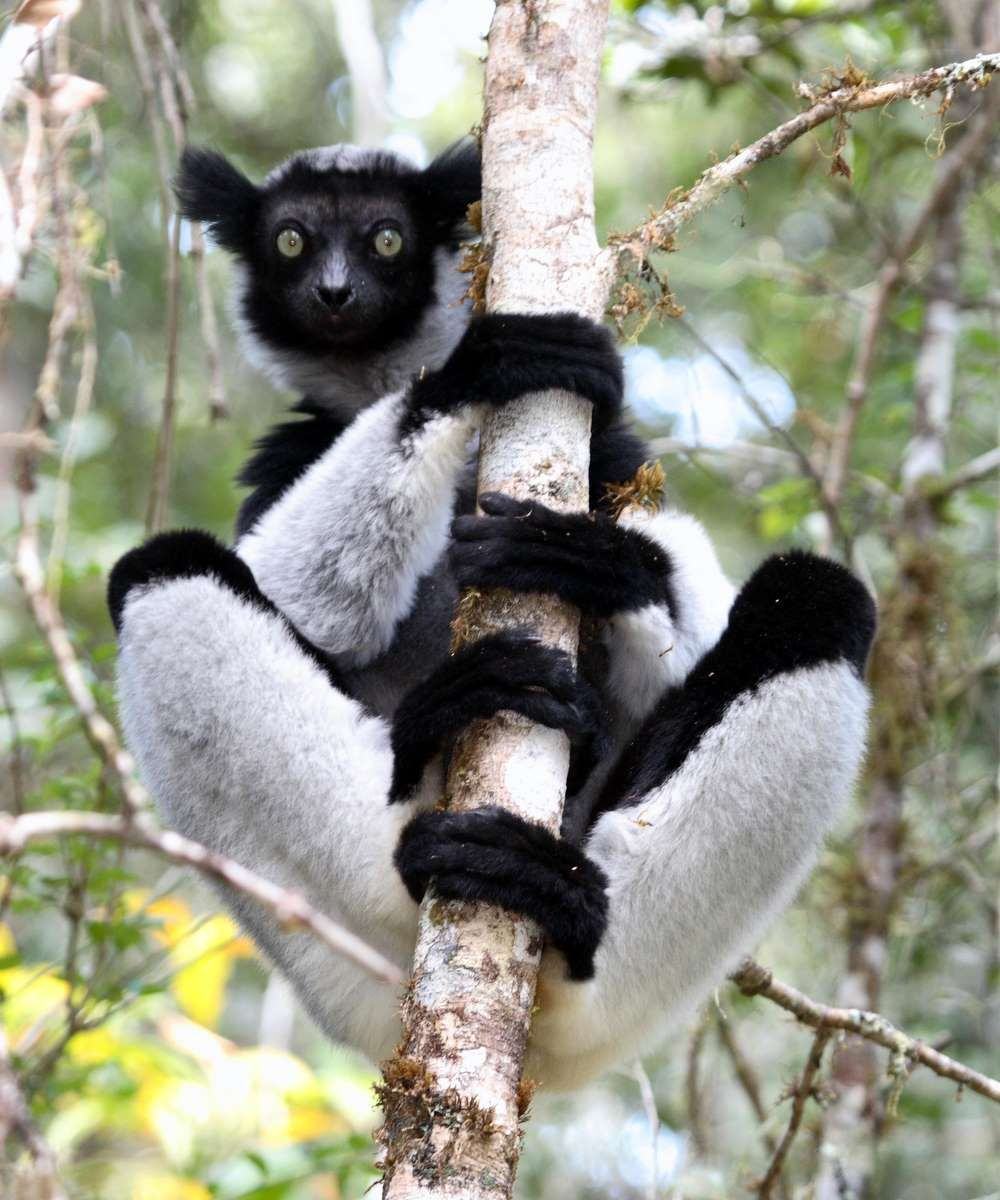
Get into a staring contest with lemurs at Andasibe National Park in Madagascar
Madagascar might be popular with kids because of the animated comedy film, but this wildlife wonderland is teeming with real-world adventure. You can hang out with lemurs, catch humpback whales mid-flip, and leave your kids wondering why their zoo trips will never compare. This African gem boasts several national parks and reserves, but Chawla recommends a combination of Andasibe National Park, home to the Indri, the largest lemurs in the world; Palmarium Reserve, where you can observe mouse lemurs; and Sainte Marie Island, known for its humpback whale migration. With a wealth of unique wildlife experiences, Madagascar truly feels like a portal to another world.
Best time to visit: Andasibe National Park: April, May, October, November; Palmarium Reserve: April–December; Sainte Marie for whale watching: June–September
Honorary mentions
According to Chawla, Kaziranga National Park and Manas National Park in Assam are the best places to spot the one-horned rhino. Marine life enthusiasts can head to the east coast of Sri Lanka, where they can snorkel with whales as a family, or explore the lesser-known islands of Maldives to swim alongside manta rays and other marine life.
Tips for travelling on safaris with kids
Chawla shares some advice on what to look out for before you start planning:
— It’s important to consider your child’s patience levels. While safari vacations are a lot of fun, they also involve long drives through the wilderness. Therefore, prioritising your child’s comfort and disposition is of utmost importance.
— Depending on your child’s age and interest levels, it may be a good idea to start with a more organised, comfortable holiday like a tiger safari in India or a Maasai Mara safari in Kenya. These destinations offer more controlled environments, allowing your child to get a taste of the wild without feeling overwhelmed.
— If you have older children who are more comfortable spending extended periods outdoors, you can explore more challenging areas and activities, such as hiking.
— On safaris, be sure to carry water (lemon water for hot days), along with snacks to keep your child hydrated and energised.
— Always carry hats to keep your children protected from the sun, as well as a buff or scarf to shield their nose and mouth from dust.
— It is crucial to follow the instructions of your naturalist or forest guide. They are experienced with handling children on safari vehicles, and will typically advise you not to let your child stick any part of their body outside the vehicle, and encourage them to ask unlimited questions.
— With younger children, it is a good idea to cut the safari short and return to the lodge or hotel to ensure they have enough energy and enthusiasm for their next adventure.
As told to Shivani Pathak