

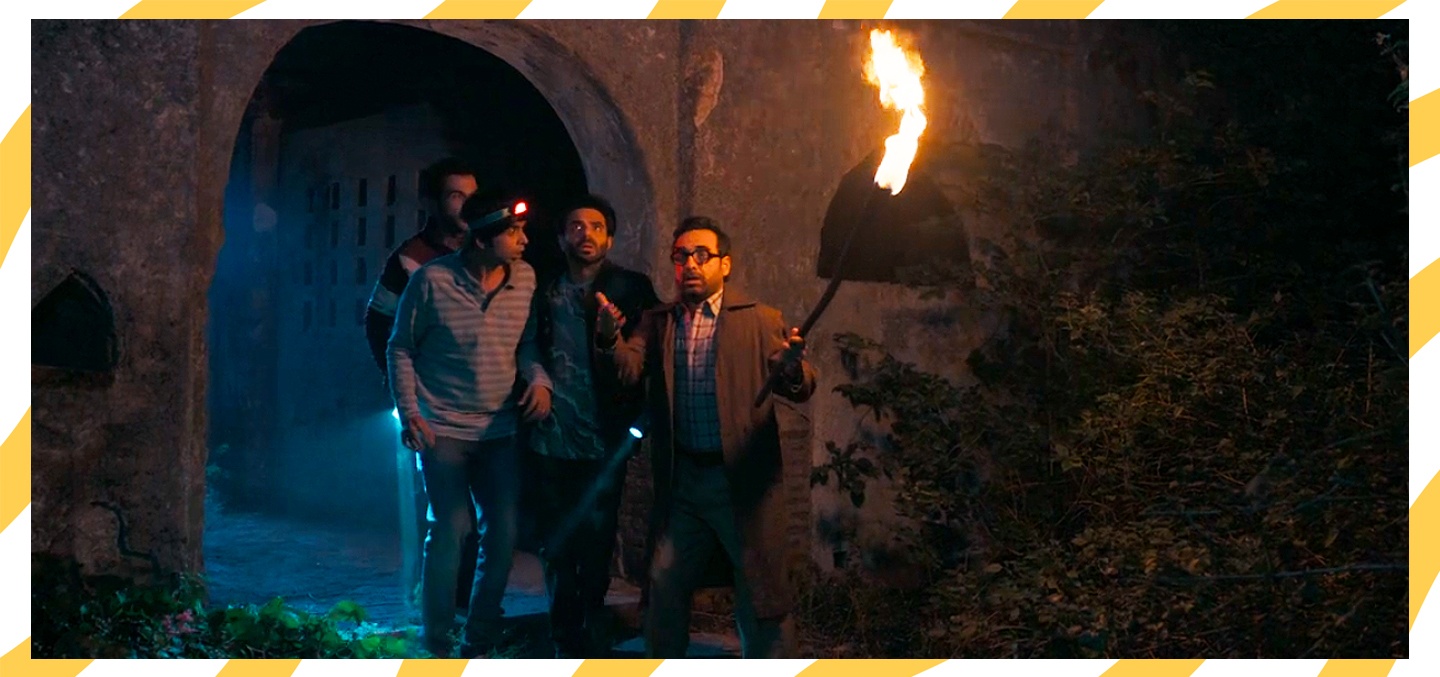
Scare yourself silly at these haunted travel destinations across India
Have your own “Ami je tomar” moment
You may have tried every weight loss trick in the book—intermittent fasting, HIIT, or the 12-3-30 treadmill workout—but have you ever considered a scary movie marathon? According to a study by researchers at the University of Westminster, watching a 90-minute horror film can burn around 113 calories, with The Shining topping the leaderboard for the most number of calories burned (184). Fitness enthusiasts might be tempted to go one step further and visit The Stanley Hotel in Estes Park, Colorado, which served as inspiration for Stephen King’s classic novel. But before you embark on that tedious visa process, have you considered the spine-chilling destinations that exist within the country?
We may not be big on Halloween, but having grown up on a diet of American media and pop culture, October does bring in a spooky vibe with new horror releases dropping on OTT platforms and themed cocktail menus available at your favourite watering hole. And so, in the spirit of the month, why not let your thrill-seeking impulse lead you to some of India’s most haunted travel destinations—from ancient forts that carry remnants of ill-fated love stories or deserted villages that remain shrouded in mystery. These locations carry ancient folklore and gripping narratives that can be as spine-tingling and adrenaline-pumping as Longlegs or Stree 2, blending history and culture with a touch of the paranormal (these real-life ghost stories will test your bravery).
But as travel videos and vlogs become the norm, it’s important to think beyond Instagram aesthetics and acknowledge that these spots carry deep-rooted histories and emotions, and are linked to pivotal events that changed several lives and shaped local culture.
So whether you’re a diehard sceptic or believe in the supernatural, as you journey through India’s haunted travel destinations, remember to tread lightly and respect the traditions of communities that call these places home. After all, it’s not just about chasing stories of ghosts and ghouls; it’s about honouring and connecting with the past.
Find chills and thrills at these haunted travel destinations across India
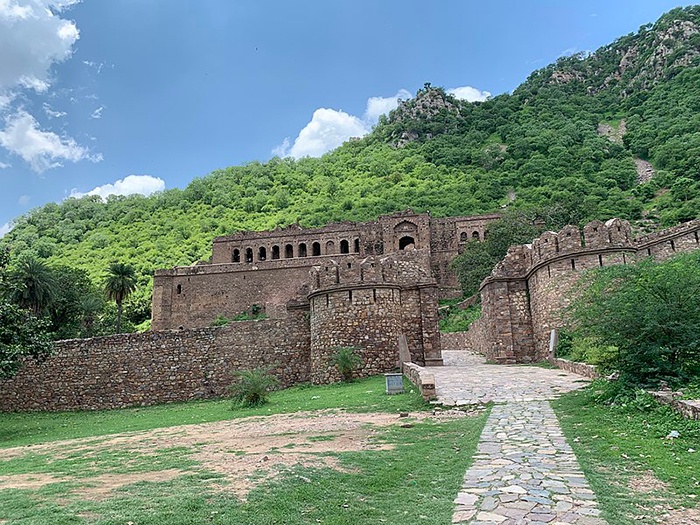
Bhangarh Fort, Rajasthan
This is the place where we imagine Manjulika dancing to the chan-chan-chan of her ghungroos, haunting our nightmares. Often topping the list of India’s most haunted destinations, Bhangarh Fort is infamous for its disturbing legends. Built in the 16th century, the town was established during the rule of Bhagwant Das as the residence of his second son, Madho Singh. One particular legend involves a powerful tantric who fell for Princess Ratnavati, renowned for her beauty. When she rejected him, he cursed the fort, predicting its downfall. Shortly after, in 1720, the fort was allegedly destroyed during battles with the Mughals. Visitors have since reported strange energies in the area, such as unnerving sounds and a feeling of unease, leading many to avoid the area after dark. The Archaeological Survey of India even warns against overnight stays. But whether or not you believe in ghosts, the fort’s haunting beauty is undeniable.
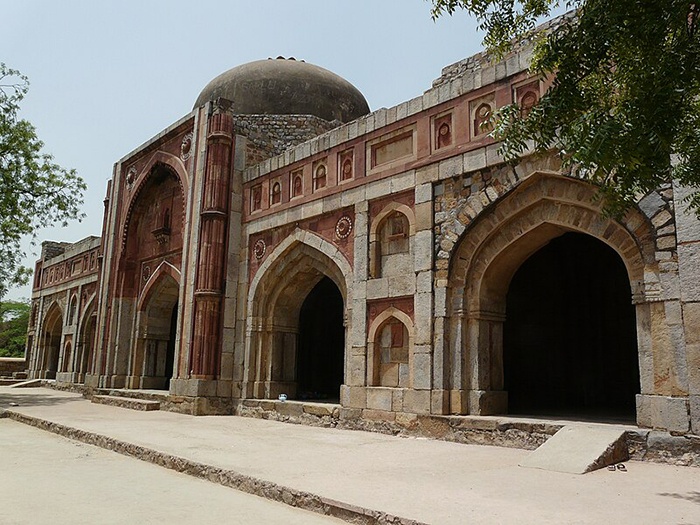
Jamali Kamali Mosque and Tomb, Delhi
Jamali-Kamali might sound like a crime-fighting duo, but their legacy is more otherworldly. Hidden within Delhi’s Mehrauli Archaeological Park, the Jamali Kamali Mosque and Tomb were built in the early 16th century. The mosque is named after Jamali, a well-known Sufi poet and saint, and Kamali, whose identity remains a bit of a mystery—some speculate he may have been a close companion or lover. Over the years, stories of paranormal encounters have emerged from the site, with visitors reporting eerie apparitions, unexplained sounds, and an unsettling feeling of being watched. Some say the spirits of Jamali and Kamali are restless, though no specific legend explains their disturbance. Others believe the hauntings might stem from the numerous unmarked graves near the mosque. Nevertheless, the history, architectural beauty, and mystique of Jamali Kamali continue to draw in both the devout and the curious.
Dow Hill, West Bengal
School can be a traumatising experience, but can you imagine the added stress of growing up in a haunted school? The Victoria Boys’ High School in the hill station of Kurseong, West Bengal, established around 1879 during the colonial era, is known for its creepy incidents, such as the sounds of footsteps echoing through the school corridors even when the building is empty. According to local lore, both the school and the surrounding Dow Hill forests are said to be haunted, with the most frequent sightings including a headless boy and a woman in grey who allegedly roam the area. The forest carries a more sinister reputation, with stories of unexplained deaths being linked to the area. While records don’t verify specific incidents, locals believe these deaths align with the forest’s haunted nature. Those who venture into the woods often speak of shadowy figures moving between the trees, and ghost hunters (both amateur and professional) are drawn to Dow Hill for its intriguing combination of history and mystery.

Roopkund Lake, Uttarakhand
Also known as Skeleton Lake, this mystifying spot is located at an altitude of about 5,000 meters (16,404 feet) in Uttarakhand’s majestic Himalayan range. The glacial lake, accessible only during the summer months, is infamous for the nearly 300 skeletal remains that were discovered along its banks, and date back to the 9th century. Studies indicate that these remains, unearthed in the 1940s, belong to a group of unlucky worshippers, as they predominantly belong to women and children, hinting at a tragic natural calamity—possibly a hailstorm—that struck the group. According to local lore, a group of pilgrims visited the lake to pay their respects to the goddess Nanda Devi. Angered by their noisy festivities, she is said to have summoned a storm that resulted in their demise. Visitors to Roopkund often describe feelings of an eerie presence watching them or notice sudden shifts in temperature as they near the lake.
Kuldhara, Jaisalmer, Rajasthan
There’s something especially spooky about abandoned villages that look like some sudden apparition could startle you with a greeting. Kuldhara, known as the ghost town of Rajasthan, is one such haunted destination. Established in the 13th century by Paliwal Brahmins, Kuldhara’s legend centres on Salim Singh, the erstwhile prime minister of Jaisalmer, who demanded to marry the village head’s daughter. When the village head refused, Salim Singh threatened them with dire consequences, prompting the entire village, along with 85 neighbouring ones, to flee overnight, leaving behind a curse that supposedly made Kuldhara uninhabitable. Others suggest that it was Salim Singh’s oppressive tax policies drove them away. Today, Kuldhara is open to tourists and can be easily visited from Jaisalmer. The abandoned village’s well-preserved ruins still elicit considerable intrigue—which version of its history do you choose to believe?
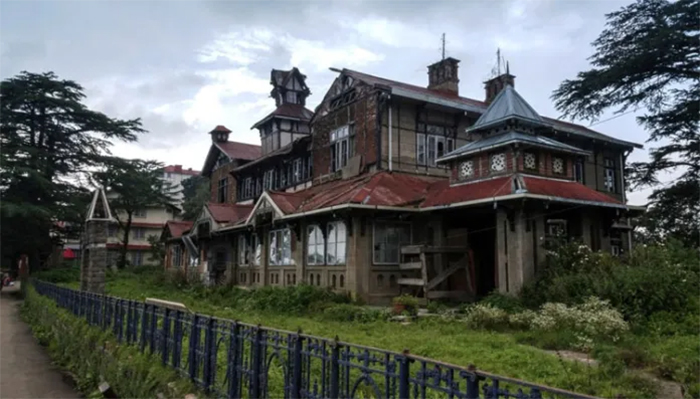
Charleville Mansion, Shimla
With a name that sounds disturbingly close to Charles Manson, Charleville Mansion already has an edge. Located in Shimla, this mansion was built in the mid-19th century and is said to be haunted by the ghost of a British officer who allegedly met a tragic end here. Over the years, visitors have reported strange occurrences like unsettling noises and ghostly apparitions, adding to its haunted reputation. But Charleville Mansion isn’t just known for its supernatural claims—it also serves as a reminder of Shimla’s colonial past, attracting both ghost hunters and architecture enthusiasts alike.

Shaniwar Wada, Maharashtra
Fans of Bajirao Mastani will recognise this historical fort in Pune, once the grand palace of the Maratha Empire’s Peshwa rulers. However, its history is marked by violence, particularly the assassination of Peshwa Narayanrao by his uncle—an event that significantly impacted the fort’s legacy. This tragedy is believed to have altered the fortunes of Shaniwar Wada, leading to its decline and eventual destruction by fire in 1828. Today, the ruins remain a popular tourist attraction but are also known for their disquieting atmosphere and reports of paranormal activity. Visitors often claim to hear the haunting screams of Narayanrao, spot ghostly figures, and experience unexplained phenomena, such as sudden drops in temperature.
Three Kings Chapel, Goa
Three Kings Chapel, located atop a hill in Goa’s Cansaulim village, has a serene white facade that beautifully contrasts with the surrounding greenery. But as the sun starts to set, a sudden eeriness arrives. The chapel is steeped in local folklore, most notably the legend of the three Portuguese kings who supposedly met their demise over a power dispute. It is said that their spirits still linger in the chapel; with some accounts claiming that they are buried at the church, leading to numerous ghostly tales and sightings. Despite its spooky aura, Three Kings Chapel is a picturesque site highlighting Goa’s rich history and cultural heritage. Oh, and locals advise you not to look back at the big tree near the church (you’ll know which one when you see it) when you leave as it might invite misfortune or draw the attention of restless spirits.
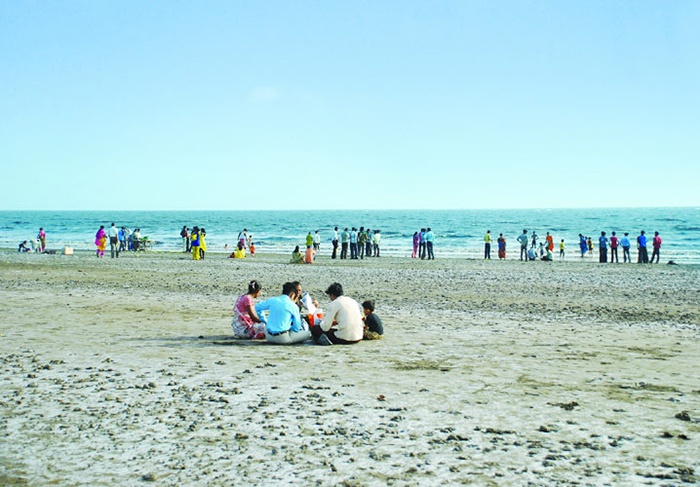
Dumas beach, Gujarat
Located approximately 21 kilometres from Surat, Dumas Beach stretches along the Arabian Sea and attracts throngs of visitors during the day for its unique black sand. Nighttime, however, holds a different story. Folklore claims that the beach used to be a cremation ground—ash mixing into the sand is believed to have given it its dark hue over the years—with uneasy ghosts and apparitions roaming the shores in the moonlight. There have been claims of tourists and locals disappearing from the beach at night, causing people to pack up and leave the area before the sun begins its descent. Not our idea of a relaxing beach day.