


Help, my hair looks like a frizzy jhaadu when it rains
There’s no fun in frizz
Have you ever tried to keep a dog from rolling in the dirt or loosen a toddler’s God-like grip on your hair while both of you are screaming in unison? If you’ve faced these battles, you know that sometimes control is an illusion—like trying to manage chaos with a teaspoon. Another instance where control slips away, leaving us feeling powerless, is frizzy hair during the monsoon.
As the rains arrive, with gentle pitter-patter sounds on your window and the aroma of pakodas frying in every home, they also create a spike in humidity causing icky, musty odours (learn how to always smell good). This is followed by the dreaded nemesis: frizzy hair, which poses a specific challenge for many of us.
If your hair seems to have a mind of its own, resisting all attempts to be tamed, you’re not alone. Understanding what causes frizzy hair during the monsoon and how to combat it can help you achieve shampoo ad wale baal, even when the weather tries to have its way.
What causes frizzy hair during the monsoon?
A rise in humidity during monsoons is the primary culprit behind frizzy hair. Mumbai-based dermatologist, Dr Stuti Khare Shukla, founder of Elements of Aesthetics and known as the ‘Hair Growth Queen of India,’ explains that high monsoon humidity disrupts the bonds within hair fibres, causing them to become unruly. “High humidity causes the hair shaft to absorb moisture from the air, leading to swelling and frizz. It also interferes with the hair’s natural oiliness, making it more prone to frizz and harder to manage.”
Pune-based Dr Trishna Gupte, a clinical cosmetologist, trichologist and founder of The Cosmo-Square clinic, adds, “The effect of humidity can vary with hair length; longer hair tends to be more susceptible to frizz as the moisture in the air interacts with it, transforming even the sleekest locks into a frizzy mess.”

Certain hair types and treatments can make you more vulnerable to frizz. Dr Debeshi Bhattacharjee, clinical cosmetologist, medical head and founder of Lueur Aesthetics in Guwahati, notes that people with wavy and curly hair are more susceptible to frizzy hair during monsoons due to the hair type’s higher moisture absorption abilities.
Dr Gupte adds that chemically treated hair often lacks natural oils and struggles to retain moisture. “Fine, dry, or damaged hair and over-processed hair can also cause frizz.” They tend to have a rougher cuticle layer, which makes it easier for moisture from the humid air to penetrate the hair shaft and cause it to swell. This swelling lifts the hair cuticle, creating a frizzy appearance.
Frizz-fighting arsenal
Sulfate-free shampoos: Sulfates can strip hair of its natural oils, making it dry and more prone to frizz. Dr Shukla recommends using anti-frizz shampoos and conditioners containing silicones or natural oils, such as argan oil, to help smoothen hair.
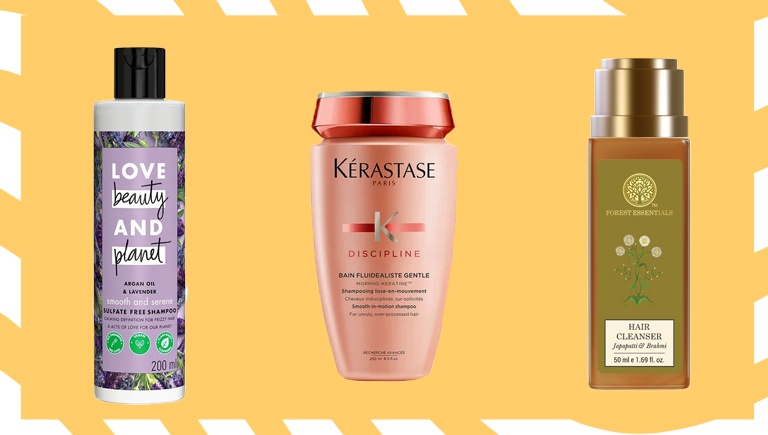
Moisturising conditioners: Dr Gupte advises, “Hydrating shampoos and conditioners with moisturising ingredients like glycerin or coconut oil can keep hair nourished.”
You can choose conditioners rich in humectants, such as glycerin, and emollients like coconut oil to keep your hair hydrated. Emollients smooth and soften hair by forming a protective barrier that locks in moisture, while humectants attract and retain moisture from the air. Together, these ingredients work to maintain optimal moisture levels in your hair, helping combat the dryness and frizz caused by humidity.
Leave-in conditioners: These offer continuous moisture and protection throughout the day. “Leave-in conditioners and anti-frizz sprays are great for long-lasting moisture and protection from humidity,” says Dr Gupte.

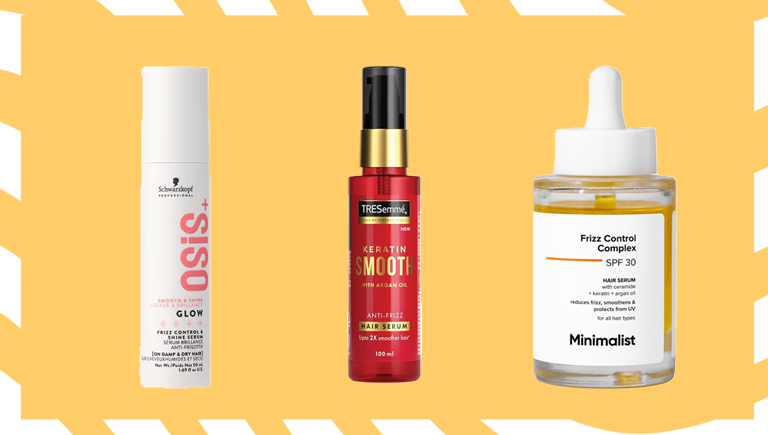
Anti-frizz serums: You might think leave-in conditioner is sufficient, but don’t skip the serum, especially if you have thicker hair. Dr Gupte suggests using “an anti-frizz serum or hair oil containing silicones or natural oils to manage frizz and keep your hair smooth and shiny.”
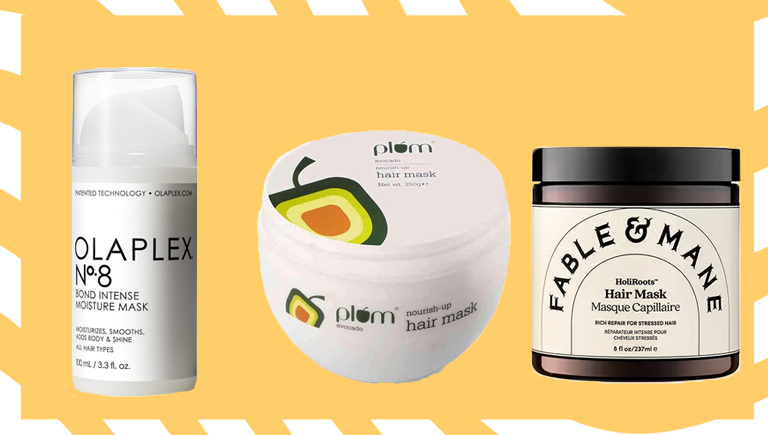
Deep conditioning masks: These masks help combat frizzy hair during the monsoon by providing intense hydration and nourishment to smoothen the hair cuticle. They penetrate deep into the hair shaft, replenishing moisture that high humidity levels have stripped away. This infusion of moisture also helps seal the hair cuticle, preventing it from swelling and becoming frizzy. Additionally, these masks often contain nourishing ingredients like natural oils and proteins that repair and strengthen hair, making it more resilient against the damaging effects of humidity.
What to avoid
Alcohol-based products: Hair products with high alcohol content can dehydrate your hair, exacerbating frizz. All three experts recommend steering clear of alcohol-based products as they can dry out your hair. Instead, opt for hydrating products that provide moisture without stripping your hair.
Excessive heat styling: Blow-drying, straightening or curling with high heat can damage your hair and increase frizz. Minimise the use of heat styling tools and allow your hair to air-dry whenever possible. Dr Bhattacharjee suggests, “Avoid excessive heat from appliances and opt for protective hairstyles to further reduce frizz.”
Over-washing: Frequent washing can strip your hair of its natural oils, making it more prone to frizz. Dr Bhattacharjee recommends washing your hair on alternate days to maintain its natural moisture levels.
Expert tips to control the frizz
Use a wide-tooth comb: Avoid using a brush on wet hair. Instead, detangle with a wide-tooth comb to prevent breakage and minimise frizz. This gentle method helps maintain the integrity of your hair.
Apply products on damp hair: Apply leave-in conditioners and serums on damp hair rather than dry hair. This helps lock in moisture and smooth the cuticle more effectively, reducing monsoon frizz.

Seal moisture with cool water: After conditioning your hair, rinse it with cool water. Dr Shukla says this helps seal the cuticles and trap moisture.
Keep a hair mist handy: Carry a hydrating hair mist in your bag to refresh your hair and control frizz on the go. Dr Gupte says, “Hydrating hair mists can provide a quick boost of moisture and smoothness, especially when you’re out and about. They help tame flyaways and keep your hair looking polished despite the humidity.”
Sleep on silk: Invest in a silk or satin pillowcase to reduce friction while you sleep. This can help keep your hair smoother and less prone to frizz. Dr Gupte emphasises that a smooth pillowcase can make a significant difference in managing frizzy hair.
Avoid touching your hair: Try not to touch your hair too often throughout the day. The oils and dirt from your hands can contribute to frizz and make your hair look greasy. A hands-off approach will help your hair maintain its smoothness.
A note of caution: This article contains expert input for educational purposes. Please consult your healthcare provider for a treatment plan that will work for your needs.